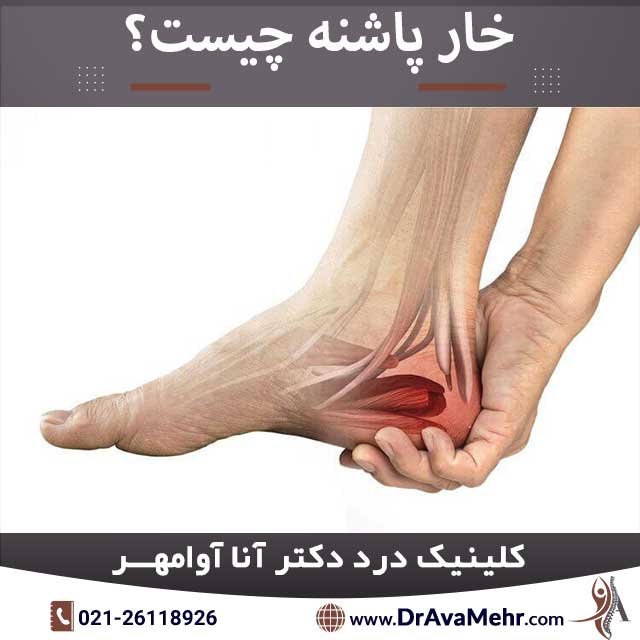

Heel thorn is a problem with a strange name and a terrible pain that makes it difficult for people to walk. Unfortunately, 20% of people experience the problem of heel spurs during their lifetime and are looking for a way to heel spur pain treatment. In some people, heel spurs appear slowly without any previous injury and suddenly make a person suffer from severe pain in the heel area. In this article, we want to talk to you about the causes of heel spurs and how to treat this problem, and we invite you to stay with us until the end of this article.
First of all, let's see what a heel spur is and why it occurs. After finding the main cause of the heel spur, you can find the best way to treat the heel spur and get relief from this painful condition as soon as possible.
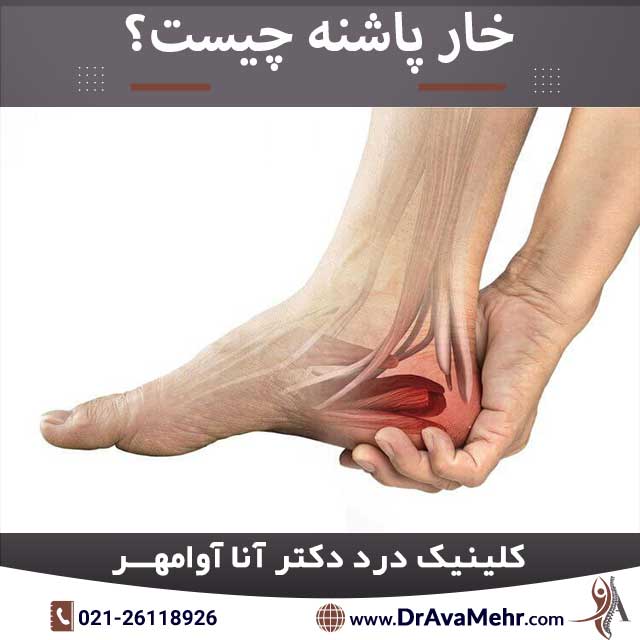
What is heel spur?
All over the human body, there is a band-like tissue called "fascia" or "fascia" which is a rigid and inflexible tissue. The function of fascia tissue is to support the musculoskeletal system and strengthen the bones. With the help of fascia, all muscles, tendons and ligaments are connected and a person can move and walk.
There is also this band of fascia in the sole of the foot, which helps to adjust the pressure applied to the sole of the foot and supports the arch of the foot. The name of this band is "plantar fascia" which is located just below the skin of the soles of the feet. The fascial ligament connects the heel to the forefoot and maintains the natural arch of the foot. Plantar fascia becomes inflamed when soft tissues such as the plantar fascia are damaged. With the chronic inflammation of the plantar fascia, a person suffers from the problem of heel spurs.
A heel spur is a kind of bone lesion that is caused by calcium deposition between the heel and the sole of the foot. This bony appendage is formed at the junction of the plantar fascia with the heel bone. People who suffer from heel spurs feel that there is a kind of pointed bony protrusion like a large thorn in the soles of their feet, which puts pressure on the soles of the feet.
The heel spur is very painful and leads to the feeling that a sharp bone is sinking into the sole of the foot when walking! Heel spur is one of the common problems among people, which is likely to occur in men and women between 40 and 70 years old.
Heel thorn in medical science
In medical science, heel spur is called "Calcaneal Spur". Pain caused by plantar fascia starts from the heel and reaches the arch of the foot and even the leg. If the plantar bone lesion is not treated, the person's walking pattern will change and he will suffer from more serious problems such as knee pain and waist disk. That is why this problem should be treated sooner.
What is the difference between plantar fasciitis and heel spur?
The thing you should know is that plantar fasciitis is different from heel spurs; But plantar fasciitis and heel spurs both occur in the area of the sole and heel of the foot. As we explained, plantar fasciitis is a strong and thick band that is located on the sole of the foot and connects the heel to the toes. Sometimes due to standing too much, too much physical activity, etc., the band of plantar fasciitis becomes inflamed and the person complains of pain in the soles of the feet.
When plantar fasciitis becomes chronic, the problem of heel spurs occurs. The difference between plantar fasciitis and heel spurs is that in heel spurs, a kind of bony appendage is formed in the heel; But in plantar fasciitis, there is no bone lesion.
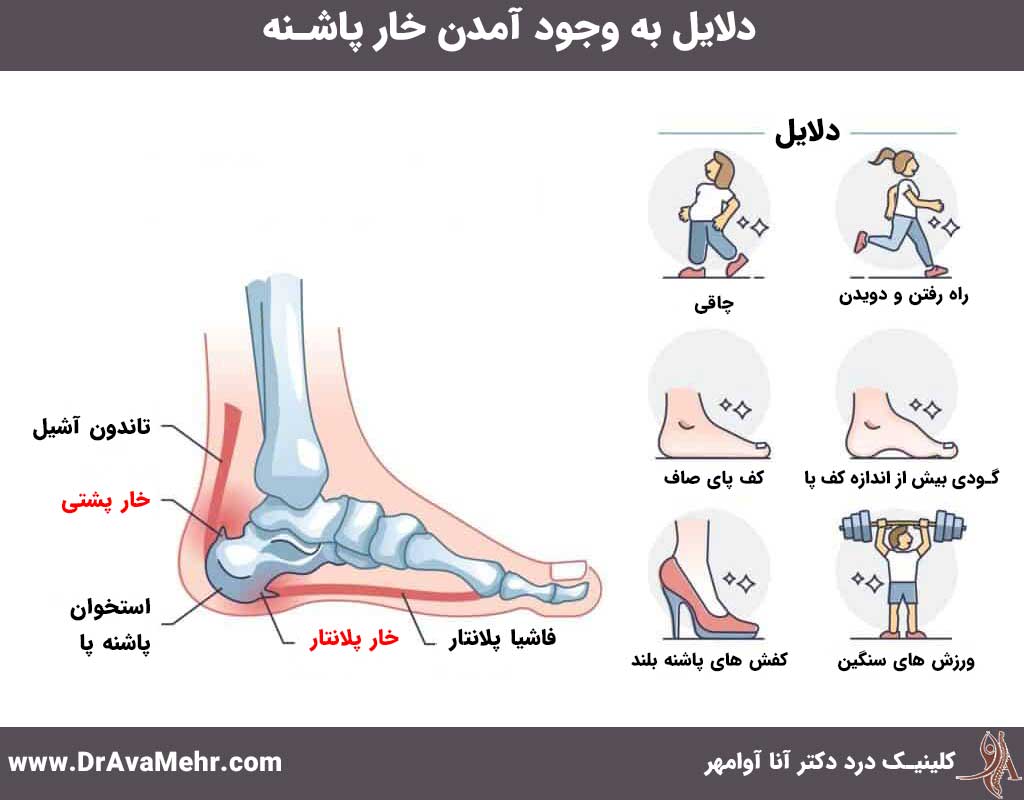
Inflammation of plantar fasciitis and heel spurs is caused by the following factors:
- Putting heavy and frequent pressure on the soles of the feet
- long standing
- Using inappropriate shoes
- Severe obesity and high overweight
- Physical injury
- Repeatedly walking on hard ground for long periods of time
- Not using shoe soles
- Increasing age
- Not receiving vitamin C in the amount required by the body
- increasing physical activity suddenly
- Lifting heavy objects
- Stiffness and weakness of the muscles at the back of the leg
- Very smooth soles
Many people who suffer from the problem of heel spurs, because of their work and lifestyle, have to walk for a long time on hard ground and stone or ceramic surfaces, which puts a lot of pressure on the fascia band.
Many people also experience the problem of plantar fascia inflammation due to wearing inappropriate shoes. Improper shoes mean any old shoes, flat shoes, shoes without soles, and hard shoes that reduce the support of the shoes on the soles of the feet.
Exercises such as running, weight lifting, jumping and heavy sports may also lead to heel spurs; because it puts strong and sudden pressure on the soles of the feet.
The smoothness of the soles affects the position of other bones in the body and in the long term, it leads to pain in the ankles and heel spurs.
Also, due to age, the amount of fat on the soles of the feet decreases and the same thing increases the pressure on the heel.
Heel thorn is associated with certain symptoms, which you will learn about in the rest of this article.
Symptoms of heel spur
If you see the symptoms of heel spurs, it is better to see a doctor as soon as possible. Heel spurs are associated with the following symptoms:
- The pain caused by a heel spur is felt on the sole of the heel and inside the sole of the foot and involves the entire sole of the foot. The intensity of pain caused by heel spurs is different in different people and it may be mild or severe.
- Pain caused by heel spur is clearly felt in the early morning and after waking up and long rest. The extent of this pain reaches the inside, front and bottom of the heel.
- If you feel severe pain in the soles of your feet when standing and walking, you are most likely suffering from heel spurs. The reason for this severe pain is the pressure on the nerves and bones of the soles of the feet, which must be treated as soon as possible.
- If the heel spur is not treated, the heel pain becomes more severe. Sometimes the pain caused by the heel spur is silent; But it will return after some time.
- Some people feel severe pain at the point where the heel joins the toes.
- heel stiffness is also one of the symptoms of heel spur problem. People with heel spurs usually feel a kind of stiffness and cramping in the area of the heel, which can extend to the end of the heel.
- Another symptom of a heel spur is that a person feels a burning pain in the heel when lifting the leg or climbing the stairs.
- Fatigue and bruised feet after the end of the day is another symptom of heel spurs.
- Feeling heat in the heel and sensitive soles are other signs of heel spurs.
- The appearance of a small bone in the heel is also one of the serious symptoms of heel spurs. This bone can be felt well by moving the fingers on the sole of the foot and is associated with severe and annoying pain.
If you feel severe pain in the heel as soon as you wake up in the morning and this pain gets better with a little walking, you probably have a heel spur and you should see a specialist as soon as possible. Diagnosis of heel spurs is done in medical clinics by a physical medicine specialist or an orthopedic specialist.
Diagnosis of heel spur
To diagnose the complication of heel spurs, the following steps are performed by a specialist doctor:
- First, the doctor will ask you questions about the signs and symptoms you experience, the history of the disease and the type of daily activities, and also observes your walking pattern.
- He will then perform a physical examination of your legs and knees and examine the painful points of the leg. It also evaluates the flexibility of the leg muscles and the range of motion of the legs.
- A pain stimulation test is also performed for the patient to evaluate the patient's ability and tolerance during the pain stimulation test.
- If a detailed examination is needed, the doctor prescribes X-ray and MRI for the person to see a detailed image of the heel bones.
The specialist doctor diagnoses the presence of heel spurs by examining the specific symptoms and behaviors of the patient. After the doctor's diagnosis, the best treatment method will be determined for you so that you can see the improvement of the condition of your feet and the treatment of heel spurs faster.
To prevent heel spurs, observe the following tips:
- In case of severe obesity and overweight, with the help of exercise and a healthy diet, keep your weight in a normal range.
- Dedicate time to stretching exercises every day to increase the flexibility of your body muscles.
- Use appropriate and medical shoes and avoid wearing high heels and very flat shoes.
- Avoid standing for a long time and between your tasks, sit on a chair and rest your legs.
- At home, wear sandals or carpeted shoes so as not to put too much pressure on your feet.
- Strengthen your leg muscles by doing low-impact sports such as swimming and cycling.
- Have a healthy diet and get enough vitamin C and vitamin D to your body.
Introduction Effective methods for treating heel spurs
According to the severity of the complication and the patient's condition, the specialist doctor recommends one of the following methods to treat the patient:
- Using medical shoes with soles for heel spurs
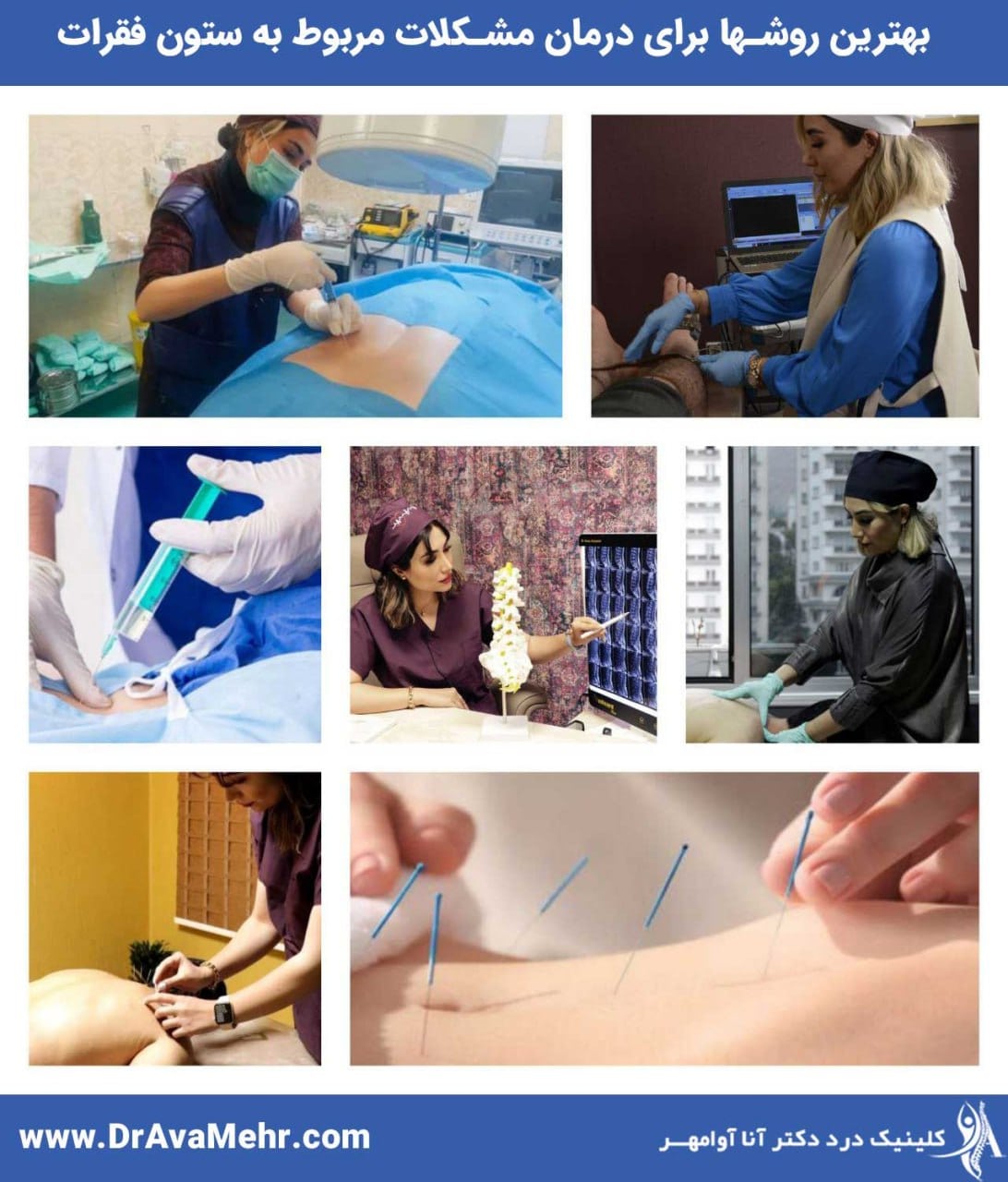
- PRP injection
- laser therapy
- Exercises to strengthen leg muscles and increase flexibility Physiotherapy
- Drug therapy
- corticosteroid injection
- Radio frequency
- Shockwave therapy
- Surgery
After visiting a specialist doctor, the doctor will first ask you to rest your feet and avoid running, jumping or walking on hard surfaces for a few days. If there is severe and unpleasant pain, the doctor suggests you to put ice cubes on the soles of your feet to reduce your pain. It is true that by resting and applying an ice pack, the amount of heel pain decreases; But to completely solve this problem, you must do definitive treatment methods to treat heel spurs.
In the following, you will learn more about effective methods for treating heel spurs.
Treatment of heel spurs using special shoes
The best way to treat heel spurs in the early stages is to wear shoes with special insoles that reduce the amount of pressure applied to the soles of the feet. The specialist doctor first examines the anatomy of the sole of the foot and determines the most suitable shoe sole model for the person. Medical shoes and insoles that support the soles of the feet are custom-made for each person.
Using sole for heel spurs, the pressure caused by the weight is transferred to the sole of the shoe and the heel pain disappears. Some insoles for heel spurs also have the property of massaging the soles of the feet and reduce heel pain when standing and walking.
Treatment of heel spurs using sports movements
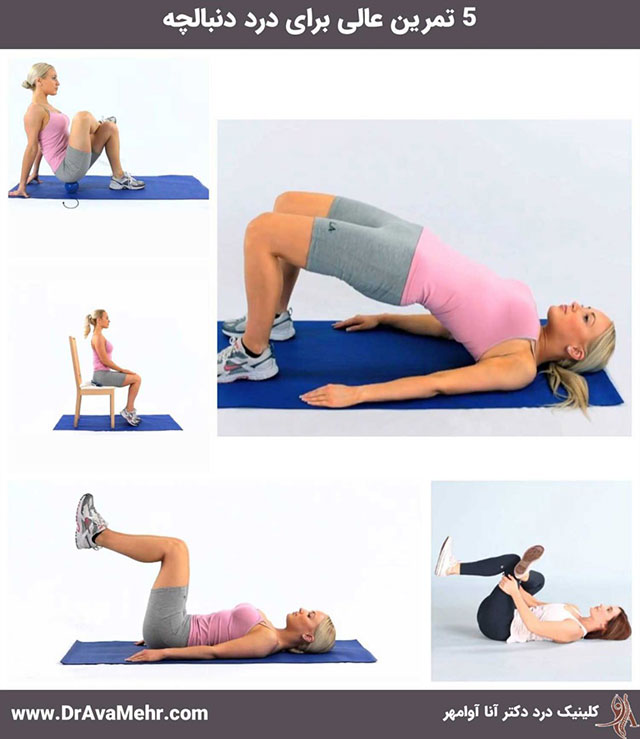
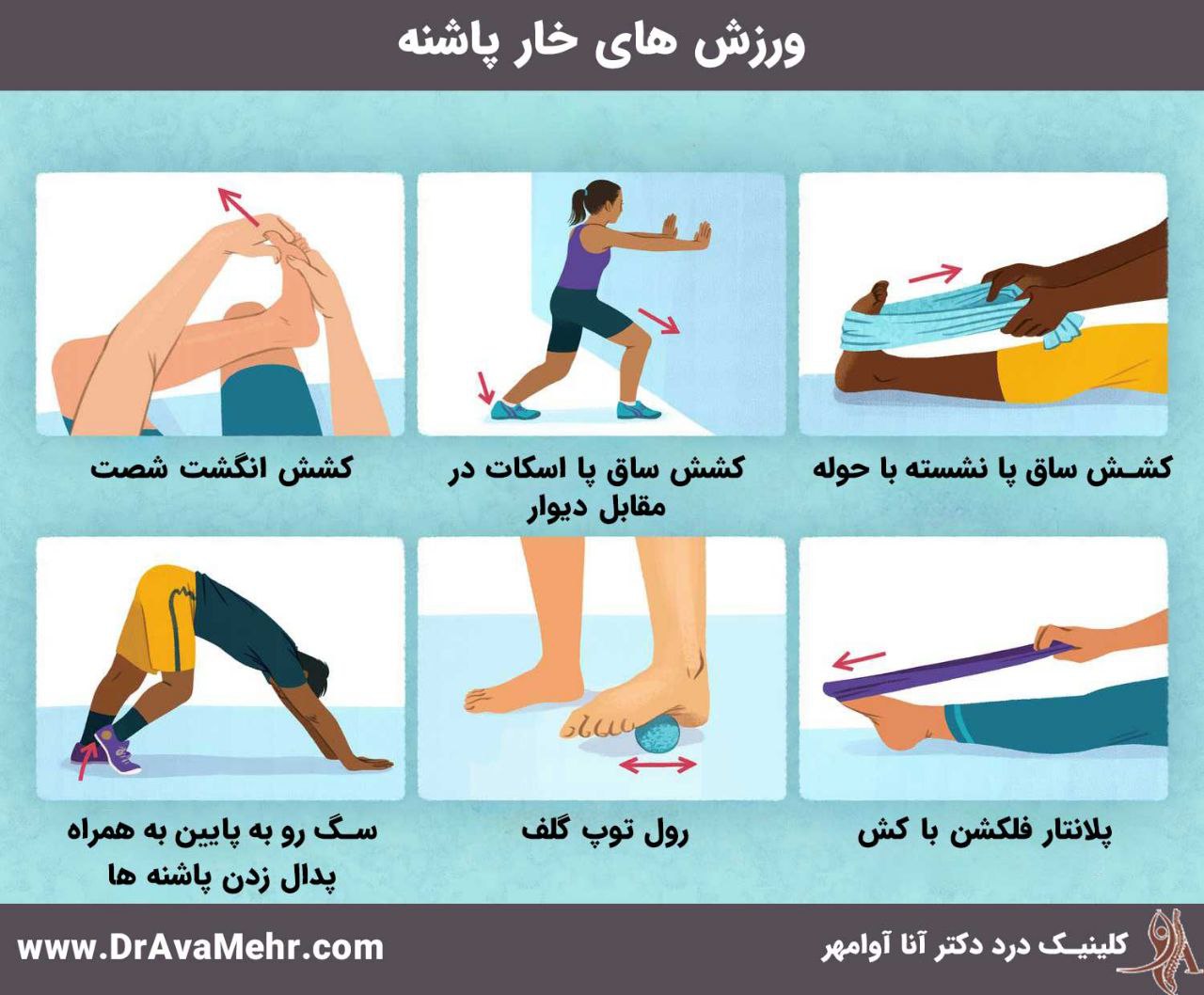
One of the easiest ways to treat heel spurs is to do sports exercises that help improve the pain and inflammation of the soles of the feet. Performing movements such as stretching the leg, holding the leg with the help of the toes, and stretching the leg muscle with a towel, helps to strengthen and flex the muscles of the back of the foot and the heel, and reduces heel pain.
You should do all these exercises every day. In addition, rolling a ball or bottle under the feet massages the soles of the feet and is very effective in reducing the pain caused by heel spurs.
Is walking good for heel spurs?
Some people have the question whether walking is beneficial or harmful for heel spurs. In answer to this question, we must say that people with heel spurs should avoid long walks; Because walking puts a lot of pressure on the heel and increases the pain in the sole of the foot.
Treatment of heel spurs with PRP injection
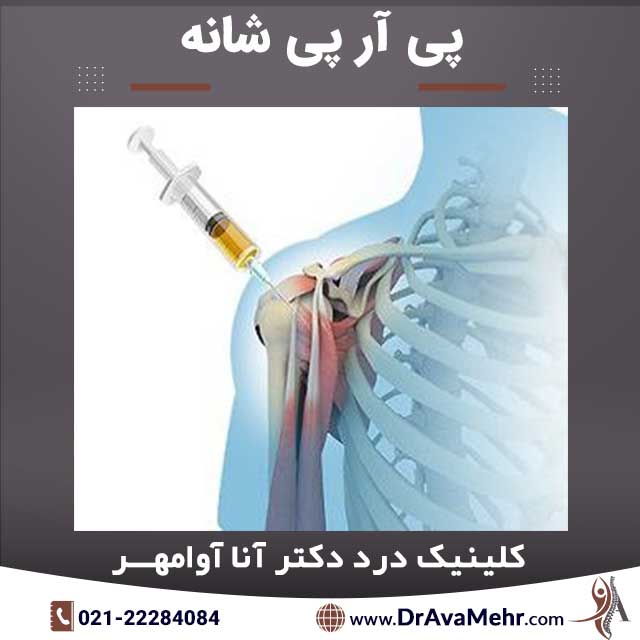
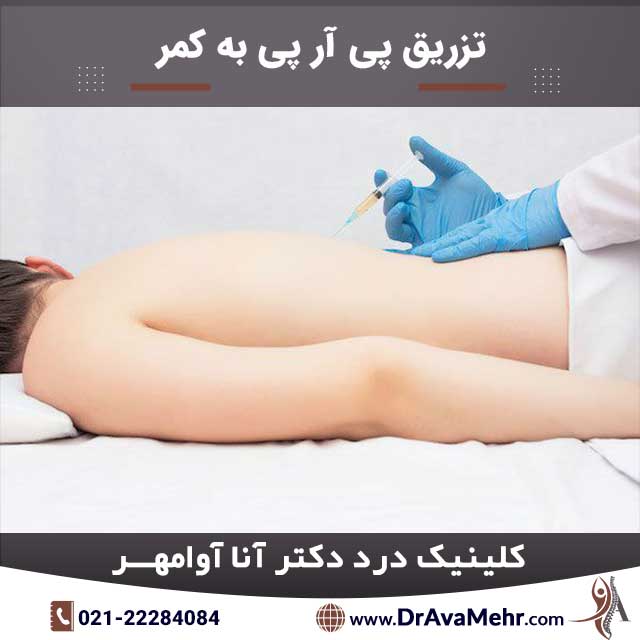
One of the best ways to treat heel spurs is PRP injection into the heel. PRP stands for Platelet Rich Plasma. PRP is a treatment method in which the patient's blood plasma is extracted and enriched with a large percentage of platelets. Then this enriched plasma is injected into the damaged area in the body to help repair and regenerate tissues.
There are a lot of proteins and growth factors in blood platelets, and blood platelets are responsible for rebuilding body tissues and healing internal inflammations; For this reason, by injecting PRP into specific areas of the body, the concentration of platelets in that area will increase and the process of tissue repair and regeneration will be done better and faster.
PRP injection is useful for reducing pain and treating heel spurs and helps to improve sole pain. The number of times required for PRP injection depends on the extent of the injury and the doctor's opinion. It is better to inject plasma by a doctor specializing in physical medicine so that this substance can be properly injected into the soles of the feet.
Treatment of heel spurs with laser
In order to reduce heel pain and repair the damaged tissue, laser therapy can be used to treat the person. In this method, powerful laser rays are used to increase the speed of blood circulation in the damaged area and remove excess pressure from the desired tissue.
Safety of laser therapy method, short recovery period and rapid reduction of pain are among the advantages of laser therapy. That is why many people consider laser therapy to treat heel spurs as one of the best and most effective treatment methods. The important point is that laser therapy should be performed by a specialist doctor with the help of advanced devices.
Treatment of heel spurs with ozone therapy
Another effective way to treat heel spurs is to inject ozone into the soles of the feet. Ozone is a gas with many medical and therapeutic properties that can solve problems related to the human movement system. which stimulates stem cells and restores body tissues such as cartilages, etc.One of the results of ozone therapy is the reduction of pain and inflammation. After ozone enters the body, the damaged cartilages begin to repair and regenerate, and the body can perform healing mechanisms naturally and automatically. Also, the body's immune system is strengthened and the amount of pain and inflammation decreases.
Is physiotherapy effective for the treatment of heel spurs?
Stretching movements help to strengthen leg muscles, relax tight leg muscles and increase body flexibility. If a person has heel spurs due to weak leg muscles, it is better to strengthen his leg muscles by doing stretching exercises. After the examination by the doctor, it will be determined whether to do physiotherapy sessions or not. In physical therapy sessions, you should do proper stretching and strengthening exercises for the lower part of the foot and the sole of the foot, which help to stabilize the ankle and heel.
Suitable medicines to remove heel spurs
To reduce heel pain, over-the-counter pain relievers can be used to treat plantar fasciitis. Nonsteroidal anti-inflammatory drugs such as naproxen and ibuprofen are effective in reducing heel pain. Of course, the use of these drugs is associated with certain side effects such as heartburn and increased blood pressure, and for this reason, long-term use of these drugs is not recommended. Instead of temporary treatments such as taking medicine, it is better to go to a specialist doctor and solve the problem of heel spurs with the help of methods such as exercise, PRP injection and laser therapy.
Treatment of heel spurs with shock wave therapy
Another effective method for treating heel spurs is shock wave therapy. The shock wave therapy device uses ultrasound waves to treat plantar fascia tissue. After entering the powerful ultrasound waves with the pulses of the device, the body starts to repair the damaged area and the tissue regeneration process begins.
Treatment of heel spur with corticosteroid injection
Sometimes, a specialist doctor performs the technique of corticosteroid injection to relieve pain caused by heel spurs. Cortisone is a powerful anti-inflammatory that is a pain control tool. Corticosteroid injection reduces inflammation and pain caused by heel spurs; But it does not solve the problem of heel spurs.
To quickly reduce heel spur pain, cortisone can be injected, and to completely treat this problem, other effective treatment methods such as wearing medical shoes, PRP injection, stretching and laser therapy can be performed.
The right diet for the treatment of heel spurs
Healthy nutrition is very important and has a direct impact on the treatment of diseases. One of the important tips for treating heel spurs is to control weight and reduce body fat. Consuming foods rich in calcium, vitamin D, turmeric, garlic, spinach, tomatoes, mangoes, berries, citrus fruits, lentils, sesame seeds, pumpkin seeds, and avocados helps improve foot health and is effective in reducing heel pain.
Heel spur surgery
To treat heel spurs, it is recommended to use other treatment methods as much as possible, such as physiotherapy, drug therapy, corticosteroid injection, shock wave, and surgery should be your last option. Surgery to treat heel spurs is performed when the amount of damage is high; To the extent that the peripheral nerves of the foot are involved.
Heel spur treatment method
Among all available treatments, methods such as PRP injection, shock wave therapy and using medical shoes with special soles have a great effect in the treatment of heel spurs. These two methods can be performed by a doctor specializing in physical medicine and rehabilitation and are less expensive than other treatment methods.
Guaranteed treatment of heel spurs in Tehran
If you are looking for a specialist doctor to treat heel spurs in Tehran and you want to get relief from the pain and inflammation of your feet faster, we suggest that you visit Dr. Ana Avamehr's clinic and entrust the treatment of your problem to this specialist doctor.
Dr. Ana Avamehr is a physical medicine and rehabilitation specialist who has a lot of experience in solving problems related to the human spine. This specialist doctor has the third highest rank in the country and is a member of the American Physical Medicine Association. You have probably seen Dr. Avamehr many times in various TV programs; Because this doctor also works as a media expert.
Dr. Avamehr, by performing non-invasive and effective methods, helps to correct physical abnormalities, increase the range of motion of joints, reduce pain and strengthen body muscles.
At Dr. Avamehr's physical medicine and rehabilitation clinic, all kinds of diseases and problems such as back pain, knee pain, sciatica pain, neck pain, heel spurs, elbow pain, etc. are treated with the best medical methods and devices.
Dr. Avamehr helps to improve people's physical performance with the help of auxiliary tools and various methods. Dr. Avamehr's clinic is located on Kamranieh Street in Tehran and has a good location.
Also, Dr. Avamehr's diagnosis is very accurate and error-free, and you can entrust the treatment of your problems and diseases to this expert and professional doctor.
Video of Dr. Avamehr's explanation