

Testosterone is an androgen hormone produced by the testes in men and the ovaries in women. This hormone is often referred to as the primary male sex hormone. Testosterone stimulates male sexual characteristics such as body hair and muscle growth and is essential in sperm production and in women plays an important role in egg development and ovulation.
While testosterone is essential for the health of both women and men, it plays a much bigger role in men. Testosterone levels in healthy men who have reached puberty are 20 times higher than in a healthy woman. Testosterone imbalance can lead to .
Low levels of testosterone in men can cause male infertility, and high levels of testosterone in women are associated with female infertility.
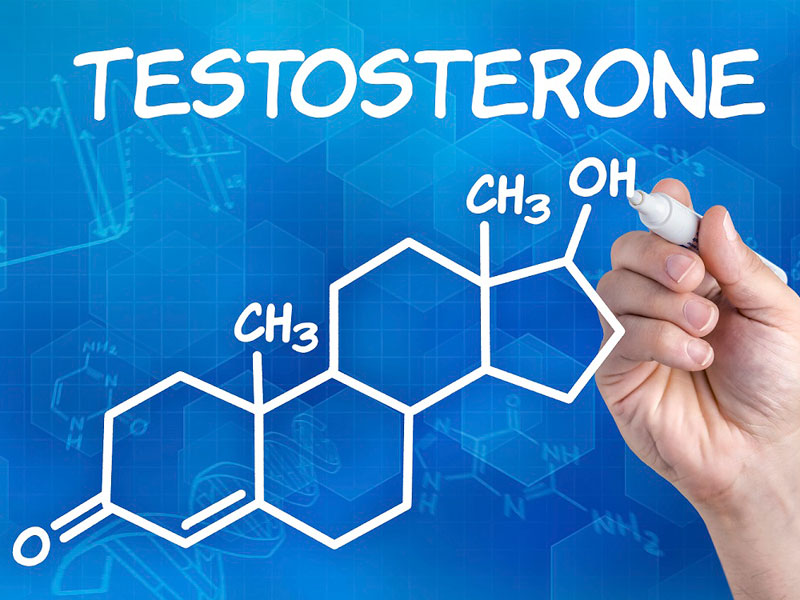
Testosterone is a strong steroid hormone whose chemical formula is C19-H28-O2. Testosterone is also known as 17-beta-hydroxy-4-androstene-3-one.
Definition of testosterone supplement hormones
Testosterone to treat conditions associated with disorder Erection be used. This medication is available as a gel, topical solution, topical patch, injection, pill (for implantation), or oral capsule.
Warning: Do not try to use testosterone alone!
There are many websites selling testosterone supplements and many of them are fake and dangerous. Even if testosterone supplements are real, they are not harmless and can increase infertility in both men and women. Too much testosterone can cause infertility in men.
level Testosterone hormone in men and women
If you plan to have your male hormone levels checked, the blood test will probably be scheduled for a morning.
There are two types of testosterone in the blood:
• Free Testosterone (also known as Free T) is testosterone that is not chemical in any way.
• stabilized testosterone which makes up the majority of your total testosterone.
About 98% of the testosterone in your blood is bound to one of two proteins: albumin or sex hormone-binding globulin (SHBG).
When your testosterone levels are tested, your doctor will evaluate both free testosterone levels and total testosterone levels.
Your total testosterone level includes both free and fixed testosterone. Total testosterone levels vary throughout the day. This level is higher in the morning and lower in the evening and night. The normal range for testosterone depends on the lab and your doctor's interpretation.
With that explanation, here are some common rates:
Testosterone levels for men 19 years or older
- Total male hormone should be between 240-950 ng/dL.
- Free male hormone should be between 9 and 30 nanograms per deciliter.
Testosterone level for a woman 19 years or older
- The total male hormone should be between 8-60 nanograms per deciliter.
- Free male hormone should be between 0.3-1.9 ng/dL.

task What is male hormone in men and women?
Sperm development
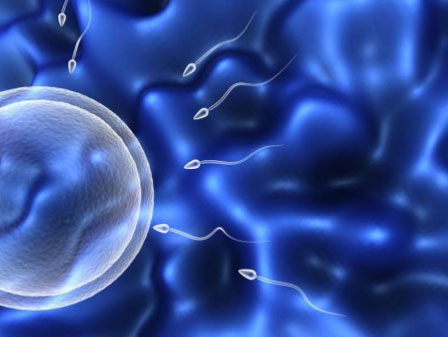
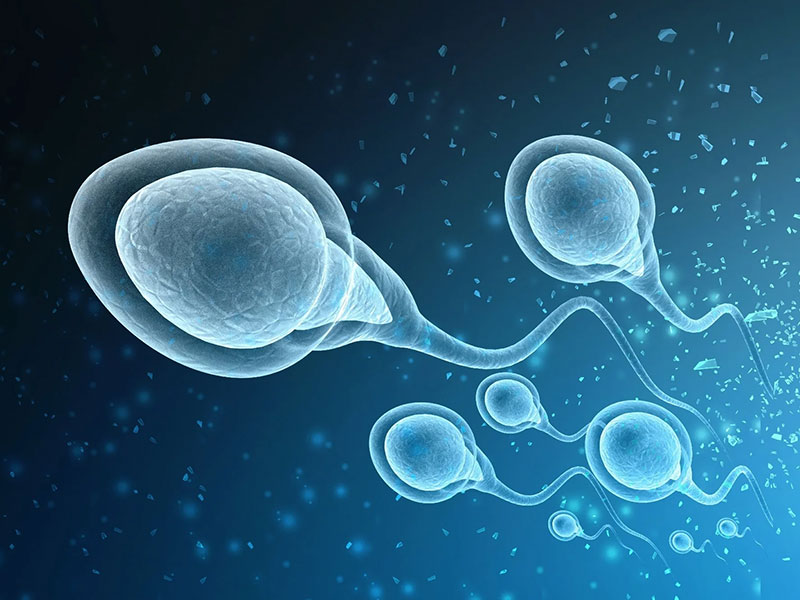
Male hormone is necessary for the production of sperm in the testicles. However, the balance is very sensitive and both too little and too much testosterone can lead to low sperm count.
Secondary characteristics of men
This includes the growth of facial hair and other body parts, strengthening the voice, building muscle mass, increasing the size of bones and distributing fat in the body.
Boys and baby girls have similar testosterone levels. It is only during puberty that boys begin to produce higher levels of testosterone that lead to the development of secondary male sexual characteristics.
Women with abnormal testosterone levels may experience male facial hair.
High levels of male hormones can also be associated with acne in men and women.
Ovum development in female ovaries
How testosterone affects egg development in women is not entirely clear. A current theory is that testosterone prevents the "premature" death of the egg in the early stages of follicle development.
Liberty
There is a significant relationship between male hormones and sex, and higher levels of testosterone increase the level of sexual desire, and lower levels of testosterone at older ages lead to 
Symptoms of testosterone deficiency (which is also called hypogonadism) may vary depending on the severity of the hormone reduction and the age of the person. In the following, we will examine the common symptoms of this deficiency in men and women separately:
Symptoms of testosterone deficiency in men:
- decrease in sexual desire (libido): is one of the first signs.
- Erectile dysfunction: Reduction in the frequency or quality of erection.
- Reduction in muscle volume and strength: It becomes more difficult to build muscle.
- Increase in body fat (especially abdominal fat)
- Chronic fatigue and decreased energy: Feeling lethargic or inactive.
- Depression or lack of motivation: Low mood, anxiety or feeling empty.
- Decreased concentration and memory: Reduced mental power or foggy brain.
- Hair loss (especially facial and body hair)
- Decreased bone density (osteoporosis): The possibility of bone fractures increases.
- Decreasing the size of the testicles or changes in sperm production: sometimes accompanied by infertility.
Symptoms of testosterone deficiency in women:
There is also testosterone in women, although the amount is less. Its deficiency can cause:
- Decreased libido
- fatigue and decrease in daily energy
- Muscle weakness or decrease in physical strength Mood swings or depression
- Reduction of bone density
- Decreased motivation or feeling less alive

When male hormone levels are abnormal or low, it affects a person's health, and this is true for both men and women.
In the following, we will discuss some causes of high and low testosterone levels in men and women:
Causes of low testosterone level (Low Testosterone/hypogonadism)
- Aging: Male hormone levels naturally decline with age, especially after age 30.
- Obesity and unhealthy lifestyle: Being overweight and having an unhealthy diet can reduce testosterone production. Inactivity or consumption of alcohol and cigarettes is also effective.
- Endocrine disorders: pituitary or hypothalamus problems (such as tumors or Kallman syndrome), hypofunction of the testicles due to genetic reasons (such as Klinefelter syndrome)
- Testicles that have not grown or descended (which sometimes resolves with time)
- Chronic stress and sleep disorder: Stress and insomnia can inhibit the production of testosterone.
- Medications: Certain medications such as steroids, chemotherapy, narcotic pain relievers (such as morphine), and antidepressants may lower testosterone levels.
- Chronic diseases: Diabetes, kidney failure, cirrhosis of the liver, AIDS or cancer can cause a decrease in testosterone levels.
- Congenital or chromosomal disease such as Klinefelter syndrome (XXY) or Coleman syndrome
- High concentration of iron
- Medical surgeries
- Some medicines
Causes of increased testosterone levels in men:
- Consumption of testosterone or anabolic steroids: It is common in bodybuilding and to increase muscle mass, but it may cause an abnormal increase in testosterone levels.
- Testicular or adrenal gland tumors: Some tumors can cause excessive testosterone production.
- Rare genetic syndromes: such as congenital adrenal hyperplasia (CAH) which increases the production of androgens.
Causes of increased testosterone levels in women:
- Polycystic ovary syndrome (PCOS)
- Congenital adrenal hyperplasia (CAH)
- adrenal or ovarian tumors
- Anabolic steroid abuse
In women, the most common cause of low testosterone is menopause.

It is possible to increase male hormone levels without drugs and naturally, especially if its decrease is caused by an unhealthy lifestyle or poor nutrition. In the following, we examine the most effective natural methods:
1. Strength training and resistance training
Exercises with weights and strength exercises such as squats, deadlifts and large compound exercises effectively raise testosterone levels. These types of sports, especially when performed regularly and with moderate to high intensity, stimulate the body to secrete more testosterone.
2. Sufficient and quality sleep
Sleep is one of the most important factors in regulating hormones. Just a few nights of sleeplessness or interrupted sleep can significantly reduce male hormones. Sleeping for 7 to 9 hours at night in a dark, quiet and distraction-free environment helps a lot to regulate hormone secretion.
3. Reducing stress and controlling cortisol
Cortisol hormone, which is released during stress, is the enemy of testosterone. Chronic stress can inhibit the secretion of testosterone. Using methods such as meditation, deep breathing, yoga, or even spending time with family, reduces stress and naturally increases male hormones.
4. Balanced and nutrient-rich diet
Correct nutrition plays a key role in maintaining normal testosterone levels. A diet rich in high-quality proteins, healthy fats, vitamin D, zinc, magnesium and antioxidants, especially from sources such as eggs, nuts, fatty fish and leafy greens, can boost the natural production of this hormone.
5. Weight loss and abdominal fat
Excess fat, especially in the abdominal area, lowers testosterone levels and converts it into estrogen. Losing weight and especially reducing belly fat through healthy eating and regular exercise is one of the sure ways to increase testosterone levels naturally.
6. Avoiding alcohol and smoking
Regular consumption of alcohol and smoking causes damage to male hormone producing cells and reduces sperm quality. Quitting or drastically reducing these substances not only helps to improve testosterone levels, but also improves the overall quality of health.
7. Getting sunlight or vitamin D supplement
Vitamin D is a natural regulator of testosterone. Exposure to sunlight for 15 to 30 minutes a day, or taking vitamin D supplements in case of deficiency, can help increase the level of this hormone in the body.
8. Use of herbal supplements (with doctor's advice)
Some herbs such as Ashwagandha, St. John's wort and Ginseng have been shown in clinical studies to increase male hormone levels. The use of these supplements should be done with caution and under the supervision of a doctor to avoid drug interactions or side effects.
9. Avoiding harmful chemicals (Xenoestrogens)
Some synthetic chemicals found in plastic containers, shampoos, and cosmetics, such as xenoestrogens, can create an estrogenic effect in the body and disrupt hormonal balance. Using glass containers and natural health products helps hormonal health.

Pharmaceutical treatment of testosterone deficiency, which is called Treatment Testosterone Replacement Therapy (TRT) is said to be one of the effective methods to improve the level of this hormone in men or women who have severe and confirmed testosterone deficiency. This treatment should be done only under the supervision of an endocrinologist or urologist.
In the following, I will introduce common medicinal methods to treat testosterone deficiency:
1. Testosterone injection (muscular injection)
Testosterone injection is one of the most common treatment methods, which is usually done intramuscularly every 1 to 3 weeks. Ampoules such as testosterone enanthate, cypionate or undecanoate cause a rapid increase in the level of testosterone in the blood. This method has high absorption, but it may be associated with fluctuating hormone levels and the need for regular injections.
2. Topical testosterone gel or cream
Testosterone gels are applied daily to clean, dry skin (usually the arms or abdomen) and are absorbed into the bloodstream through the skin. This method creates a relatively stable level of testosterone and is more convenient for many people than injections, but care must be taken not to transfer the gel to other people's skin.
3. Skin Patch
Testosterone patches are like adhesives that are stuck on the skin and inject a certain amount of hormone into the body during 24 hours. This method maintains a stable level of hormones, but in some people it can cause irritation or itching of the skin at the place of attachment.
4. Oral tablets or capsules
Some forms of testosterone are produced orally, which are convenient to take, but their absorption is lower than other methods and may put pressure on the liver. For this reason, the use of testosterone pills is done only in special cases and with a doctor's prescription.
5. Subcutaneous implant (Pellet Implant)
In this method, small capsules containing testosterone are implanted under the skin (usually in the buttock or flank) and gradually release the hormone over several months. This method does not require frequent visits and keeps the testosterone level uniform, but it requires an outpatient surgery and there is a possibility of infection or displacement of the pellets.

Frequently Asked Questions (FAQ)
1. What is testosterone and what is its role in the body?
Testosterone is a sex hormone that is secreted mainly from the testes in men and from the ovaries in women. This hormone plays an important role in muscle growth, libido, sperm production, mood and bone health.
2. What are the symptoms of testosterone deficiency?
One of the most important symptoms of testosterone deficiency is decreased libido, chronic fatigue, depression, decreased muscle mass, increased abdominal fat, and erectile dysfunction.
3. What is the best natural way to increase male hormones?
Regular exercise (especially strength training), adequate sleep, healthy eating, stress control and weight loss are among the best natural ways to increase testosterone.
4. Does testosterone drug treatment have side effects?
Yes, testosterone replacement therapy may cause side effects such as acne, reduced fertility, increased risk of heart problems, and enlarged breasts in men. Therefore, it should be done under the supervision of a doctor.
5. What is the use of testosterone in women?
Although the level of testosterone in women is much lower than men, this hormone also plays a role in maintaining libido, bone density, daily energy and mental health in women.
6. What is the normal level of testosterone in men?
Normal testosterone levels in men are usually between 300 and 1,000 nanograms per deciliter (ng/dL). Being lower than this value can indicate a lack of testosterone.
7. At what age does testosterone decrease?
Usually after the age of 30, testosterone levels naturally decline by about 1% per year, but in some people this decline is more severe and accompanied by obvious symptoms.
8. Does testosterone deficiency cause infertility?
Yes, low testosterone can disrupt sperm production and reduce fertility in men. Sometimes, testosterone replacement therapy can also cause a decrease in sperm, and it is necessary to check the function of the testicles at the same time.
9. Are over-the-counter testosterone supplements safe?
No, many male enhancement supplements on the market are not scientifically proven and may cause side effects. Any type of treatment should be done with a doctor's prescription.
10. Does testosterone have an effect on mood and depression?
Yes, low testosterone can cause low energy, lack of motivation, anxiety and even depression. In some men, proper testosterone treatment can significantly improve mood.
11. What test is needed to measure the testosterone level?
A simple blood test called "Total Testosterone" is used to check the total level of testosterone. Sometimes the doctor also prescribes Free Testosterone and LH/FSH for a more detailed examination.
12. Do women also need testosterone treatment?
In certain cases, such as severe loss of libido or menopause, women may need very low doses of testosterone, but this should be done strictly with the advice of a gynecologist or endocrinologist.