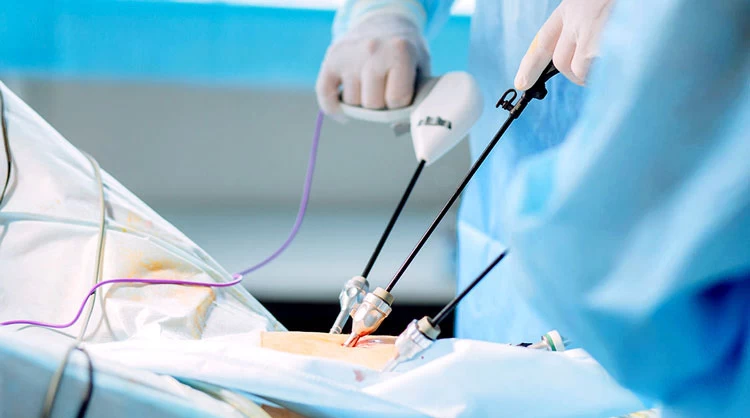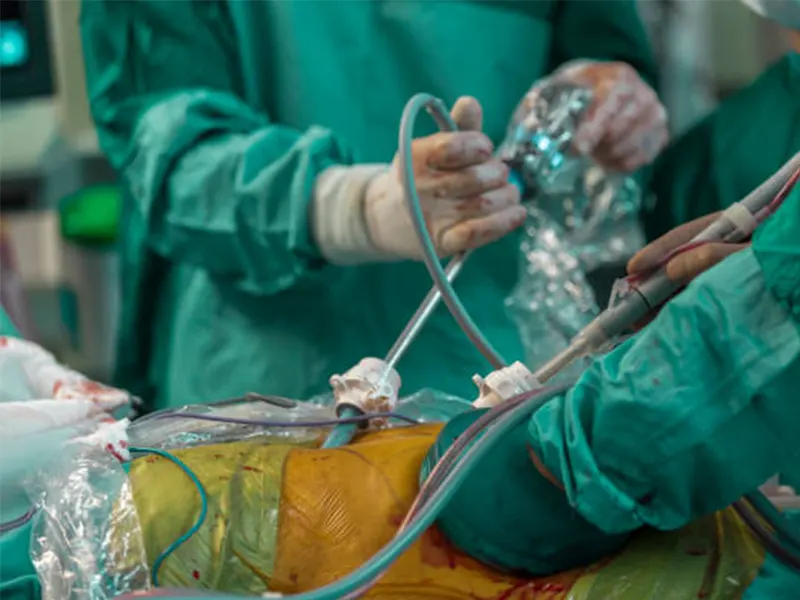

نوعی عمل جراحی است که در آن به جای یک برش بزرگ، چند برش بسیار کوچک ایجاد میشود.در عمل لاپاراسکوپی (Laparoscopic) از وسیله ای به نام لاپاراسکوپ استفاده میشود. این وسیله یک دوربین ویدئوی کوچک و یک لامپ کوچک دارد که هنگامی که وارد بدن می شود، تصاویر را به نمایشگر ارسال می کند و پزشک میتواند داخل بدن را ببیند. بدون این دستگاه باید عمل جراحی باز انجام شود که در آن برش خیلی بزرگتری ایجاد می شود. به همین علت به عمل های جراحی که با لاپاراسکوپ انجام می شوند، کم تهاجمی گفته می شود…
لاپاراسکوپی چیست؟
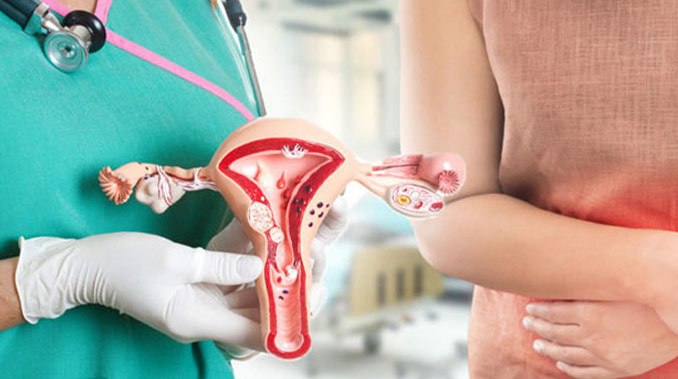
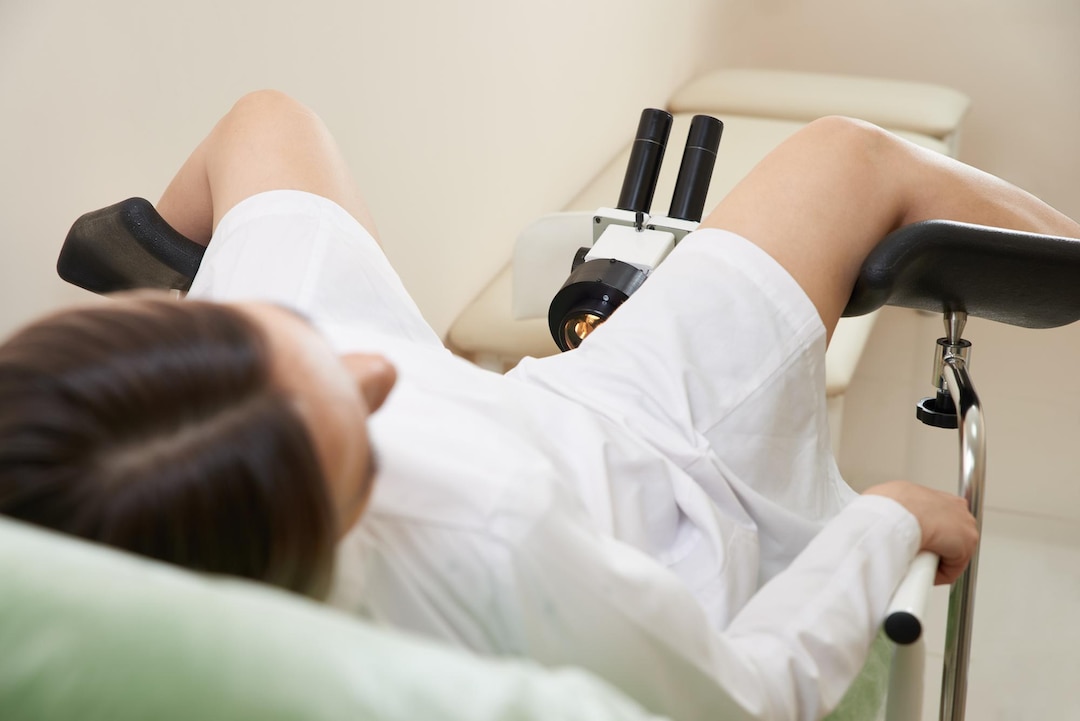
عمل لاپاراسکوپی نوعی از عمل است که طی آن، یک لوله ی نازک و چراغ دار درون یک برش در شکم یا لگن زنان قرار داده می شود تا بتوان اندام های شکمی را مشاهده کرد. عمل لاپاراسکوپی برای یافتن مشکلاتی همچون کیست تخمدان، چسبندگی لگن، عفونت و فیبروئیدها (توده ها)ی رحمی و … مورد استفاده قرار می گیرد. A part of the tissue of that area is removed as a sample for biopsy (tissue removal) using a tube or laparoscope.
In the following, you can see the types of operations that are possible through laparoscopy.
- Ovarian cyst treatment
- Removal of the uterus
- Infertility treatment
- Treatment of pelvic adhesions
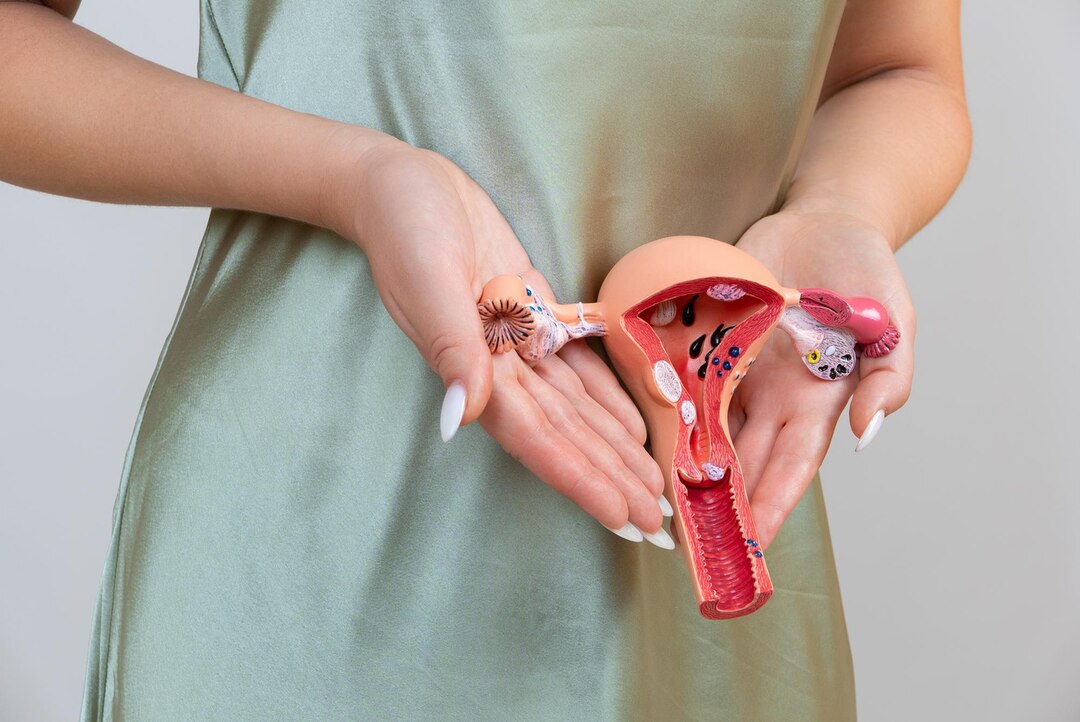
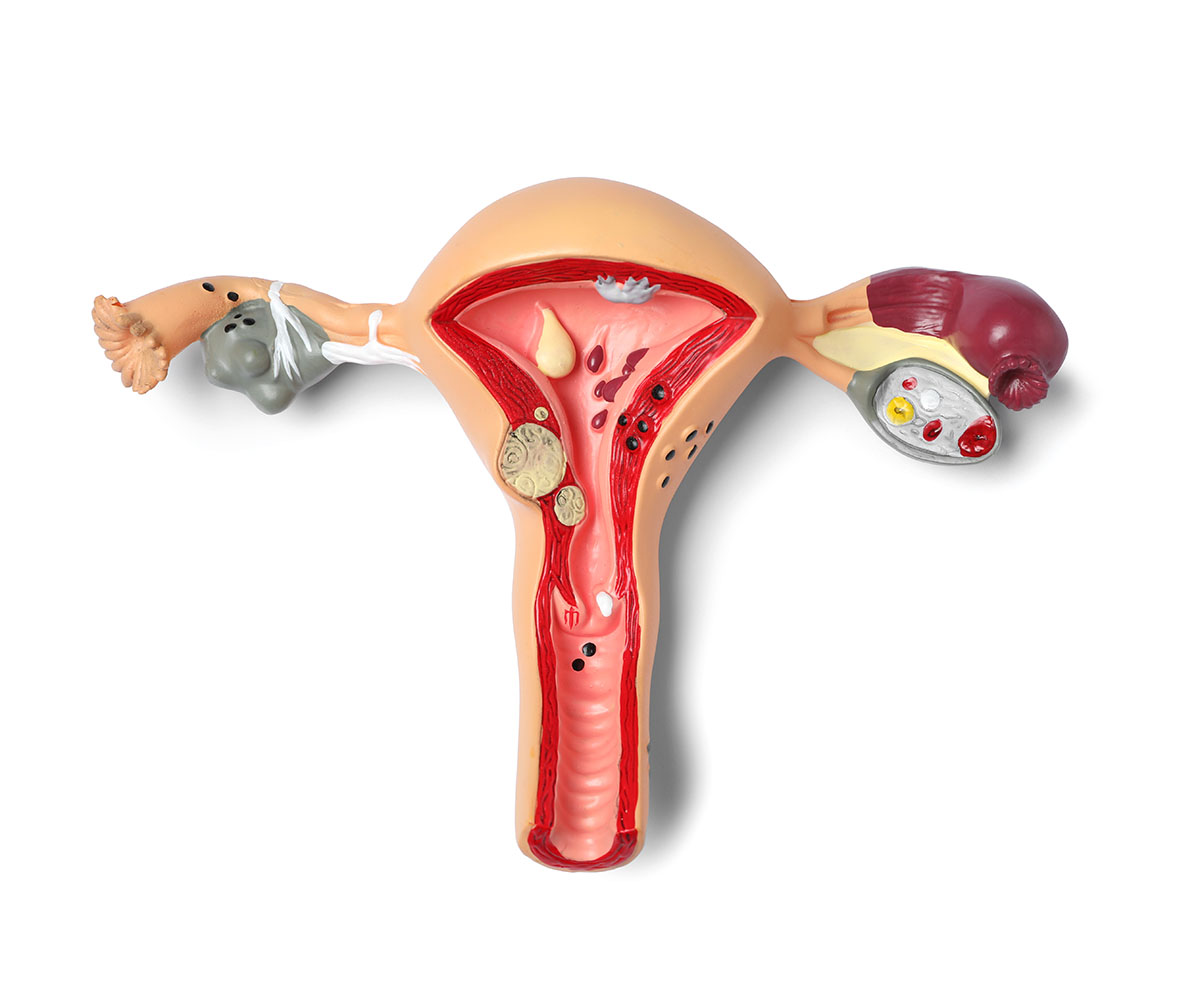
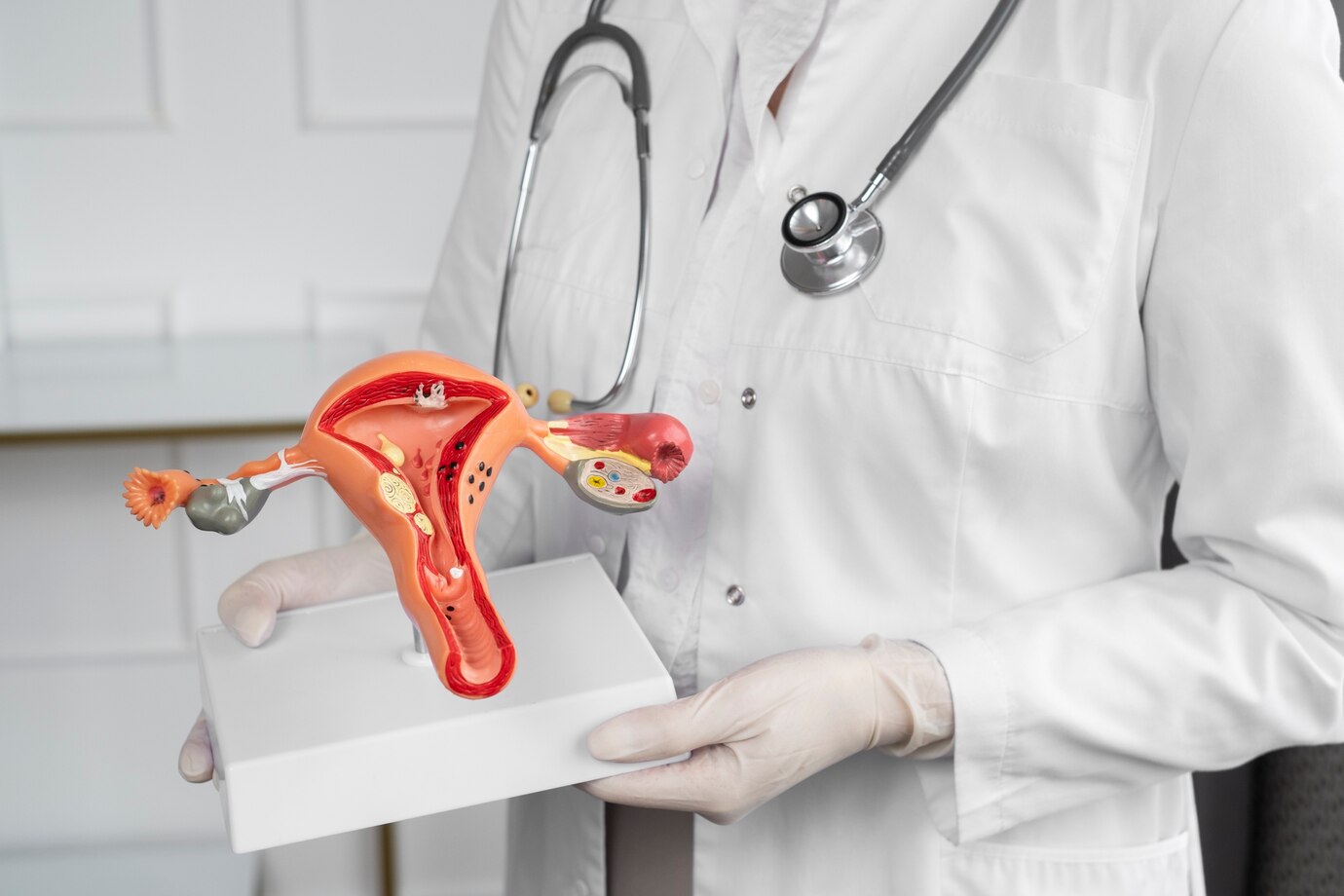
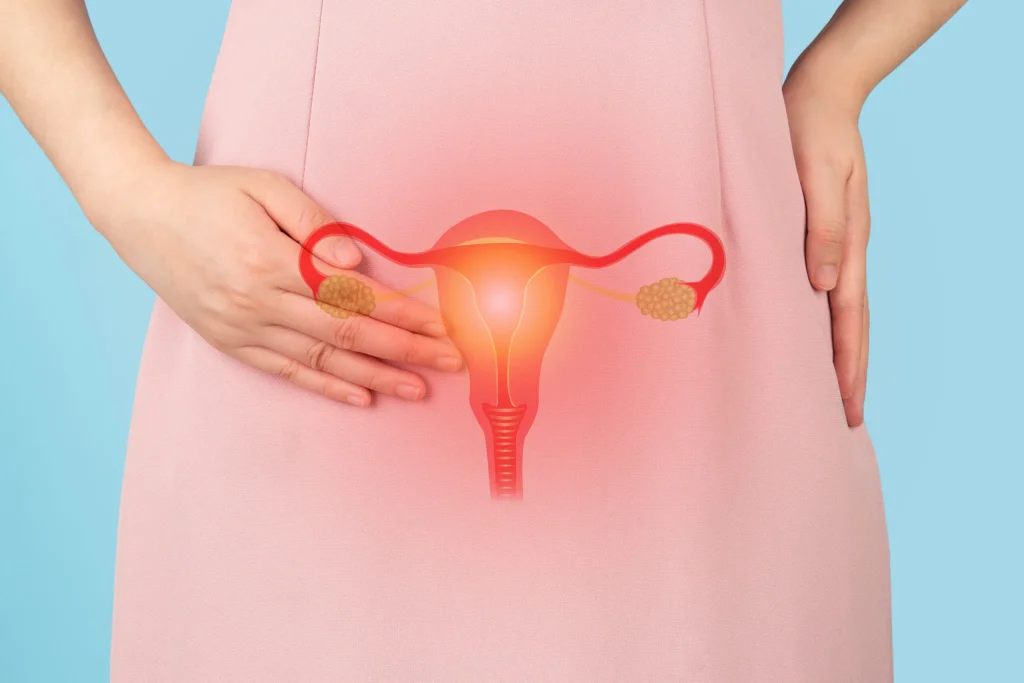
Ovaries are two small organs on either side of the uterus that produce estrogen hormones that cause menstruation. Every month, the ovaries release an egg. These eggs, which are potentially fertile, make their way from the fallopian tube to the uterus. This cycle of egg release is called ovulation. In the rest of this article, we are going to discuss the causes of cysts, their types, and their treatment with the help of laparoscopic ovarian cyst surgery.
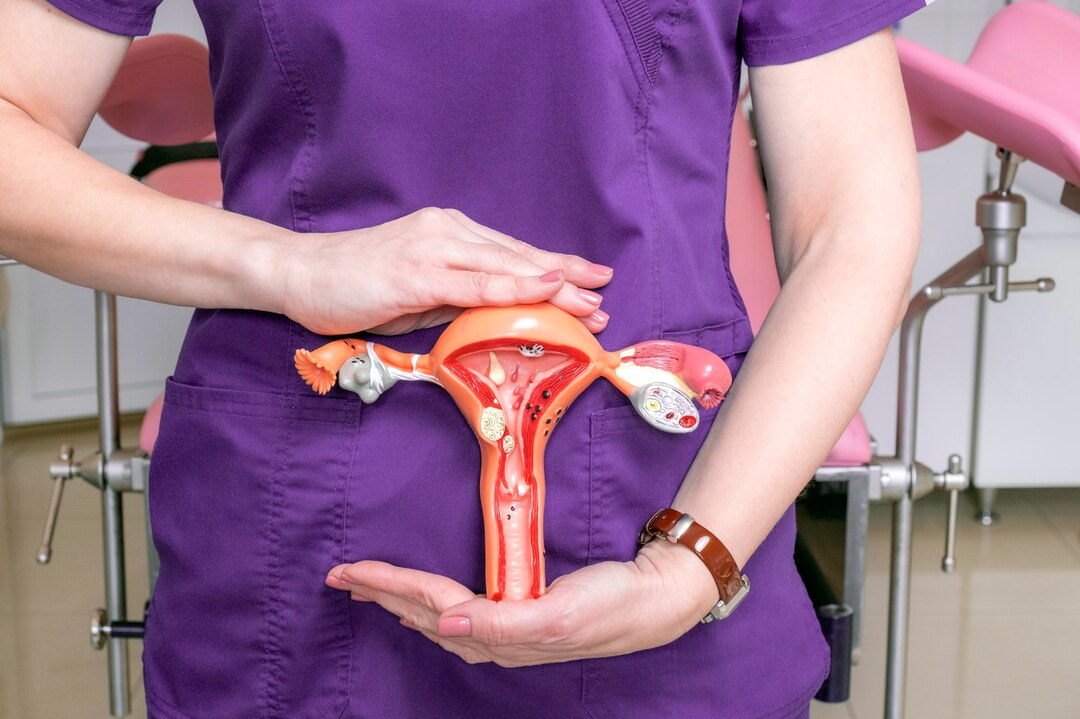
Removal of the uterus or hysterectomy by laparoscopic hysterectomy is a surgical procedure in which the uterus is completely removed. The uterus is actually the part where the fetus grows during pregnancy. This operation is considered one of the ways to prevent pregnancy
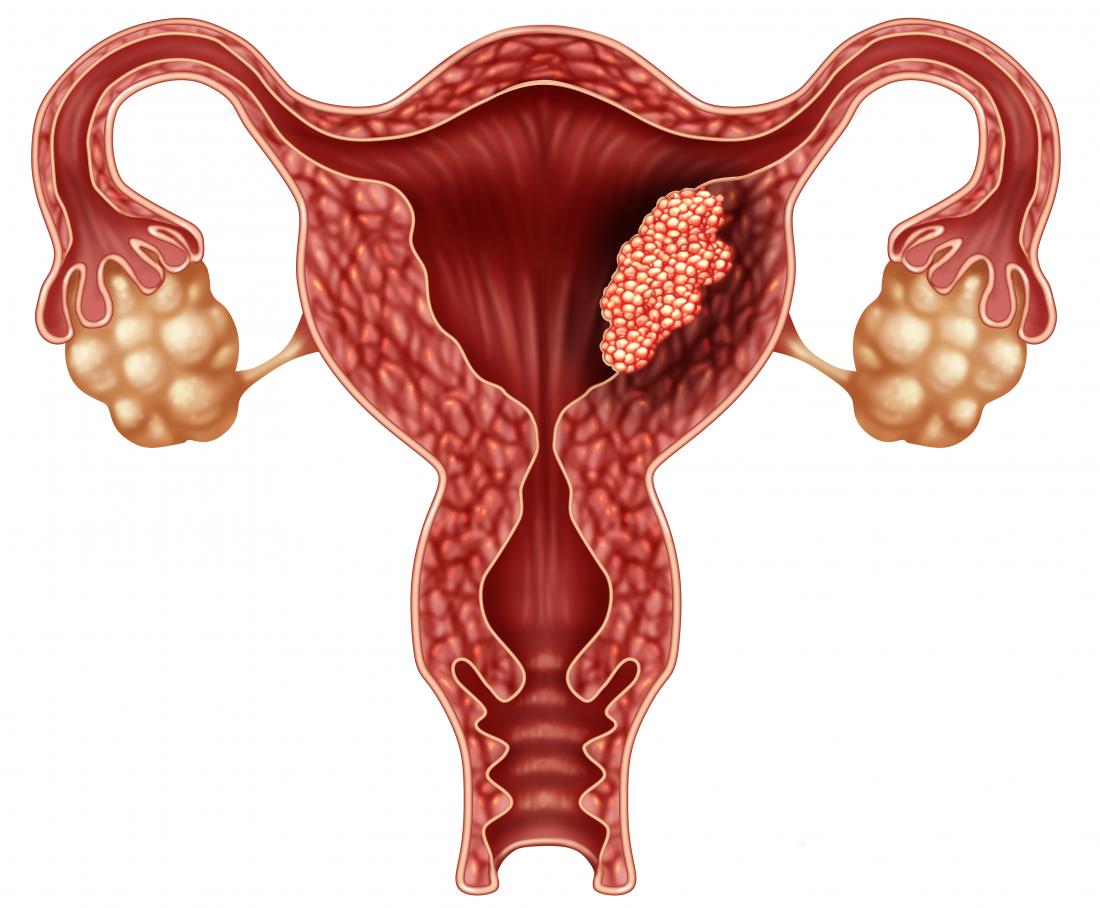
Laparoscopy can be used to find and treat complications such as cysts, adhesions, fibroids, endometriosis, and infections that may have caused infertility. Also, during laparoscopy, the doctor can treat the problem or remove the desired tissues if needed. In cases where the doctor could not diagnose the problem of infertility through tests or hysteroscopy, he may recommend laparoscopic surgery for further investigation.
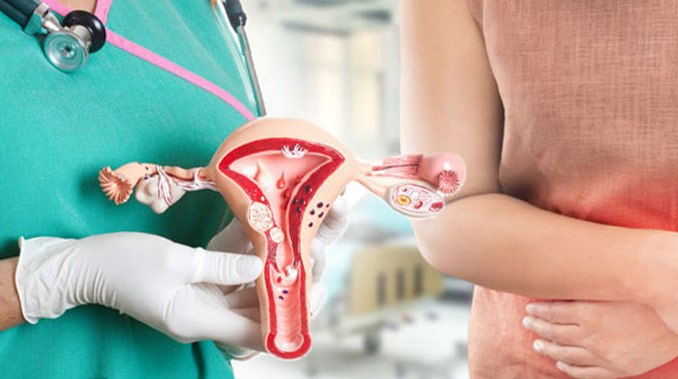
Women should be more careful about their health because of their special body structure. Women's discomfort is one of the most common problems that can annoy a woman's body, so you should be sensitive to the symptoms, even if they are small, and act on them in time. Fallopian tubes are one of the most important organs inside the pelvis and have the task of taking the egg and transferring it to the uterus. Fertilization takes place inside these tubes, so the health of the uterine tubes has a great impact on women's fertility, and any disorder in the uterine tubes for any reason can lead to infertility. In the continuation of this article, we are going to examine the treatment of pelvic adhesions in women with the help of laparoscopy.
What is laparoscopic surgery used for?
Laparoscopy operation is used for various cases, the most important of which are as follows:
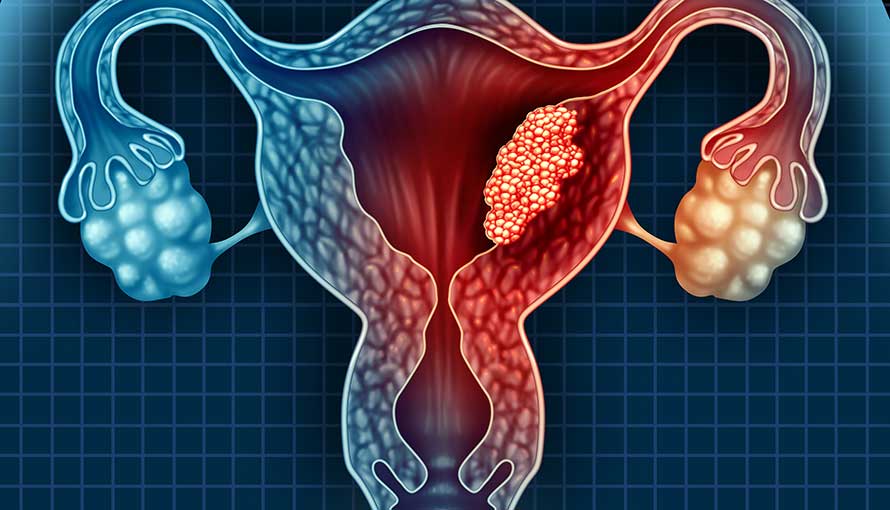
1-examination and treatment of ovarian cyst
The goal of laparoscopic surgery is to remove all ovarian cysts completely, but if it is not possible to remove all ovarian cysts, the cyst or the involved ovary is placed in a protective bag, which makes it possible to tear and then remove the ovarian cyst without causing and spreading contamination and infection. Malignant ovarian cysts are usually removed by laparotomy.
In the case of very large and apparently benign ovarian cysts, the choice of surgical method is controversial. The traditional approach in these cases is a longitudinal and short incision to completely remove the ovarian cyst. Some people now allow the ovary to be removed through a small hole with a laparoscopic cyst drainage procedure.
However, the downside of this method for removing ovarian cysts is that there is a possibility of shedding cancer cells into the abdominal cavity. Currently, laparoscopy is used to remove cancerous ovarian cysts of small to medium size (up to about 12 cm).
Removal of a benign cyst—such as a dermoid, functional, or endometrial cyst—is done laparoscopically with ovarian preservation alone in patients who wish to preserve ovaries for future fertility or for other reasons.

2-examination and treatment of pelvic adhesion
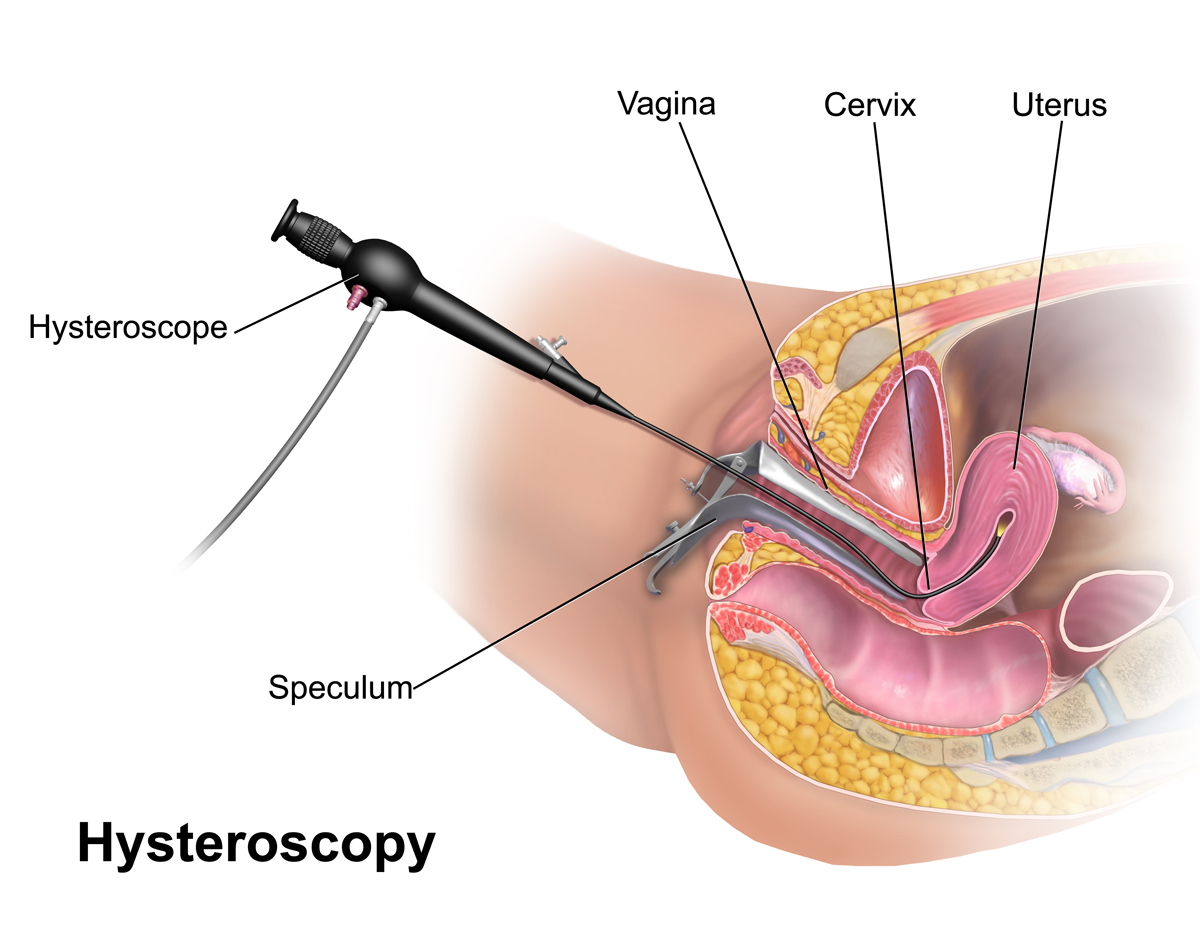
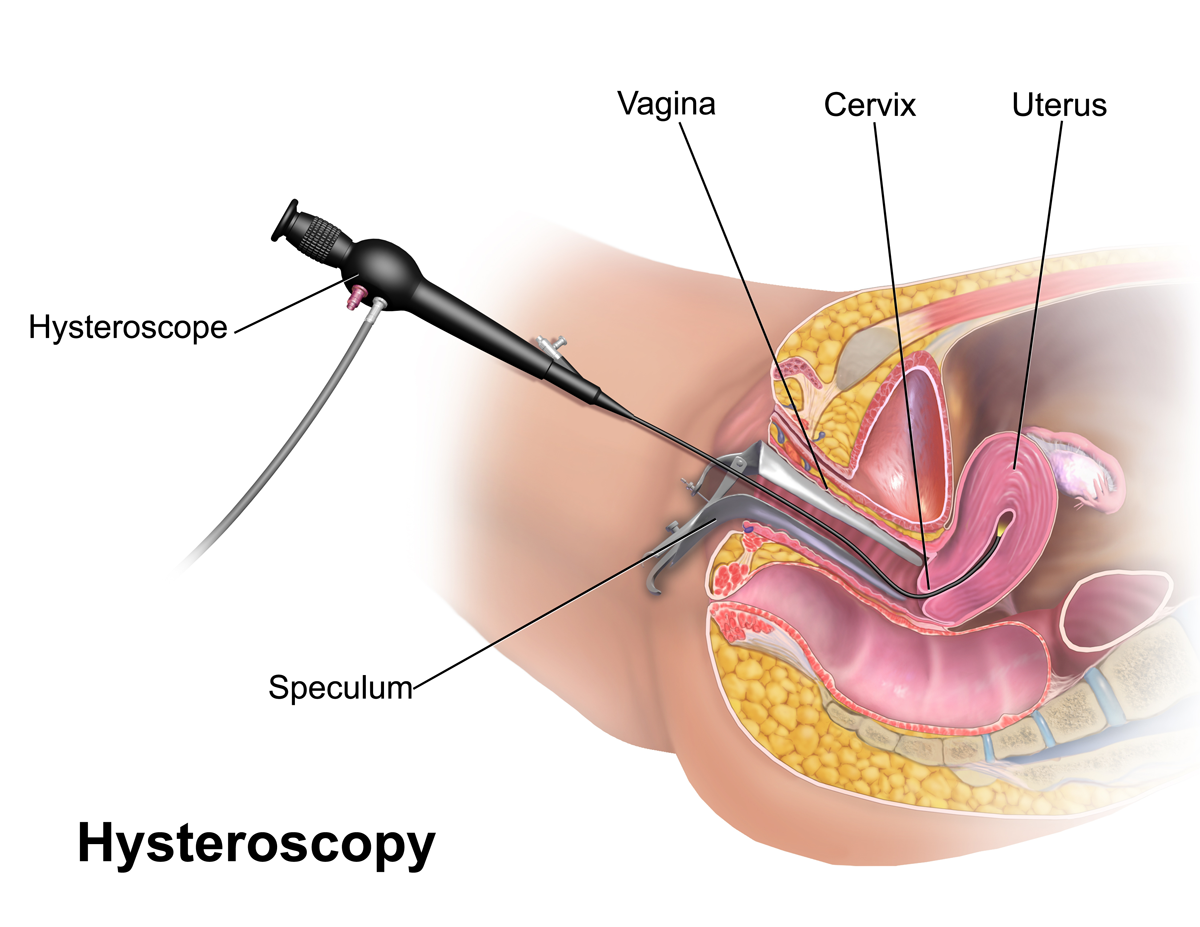
Using hysteroscopy, which is an intrauterine diagnostic endoscopy, under general anesthesia and with a telescope-like device that enters the cavity through the cervix, the uterus is examined for the presence of intrauterine adhesions. This method also has a therapeutic application. With hysteroscopy, it is possible to remove adhesions, remove uterine polyps and perform multiple biopsies.
Also, with the hystersonography method, the opening or blockage of the uterine tubes is investigated. In this method, by placing a narrow tube in the opening of the fallopian tube and injecting normal saline serum and performing ultrasound at the same time, it is possible to get information about the passage of fluid through the fallopian tubes and their release in the pelvic cavity, which is the reason for the opening of the fallopian tubes. If the adhesion is around the fallopian tube, it can be opened by surgery or laparoscopy. Some women get pregnant after opening adhesions.
Those who have adhesions around and inside the tube and suffer from endometriosis are exposed to ectopic pregnancy, especially intrauterine pregnancy, which is one of the obstetric emergencies and causes risks. What are the diseases that can increase the incidence of uterine adhesions?
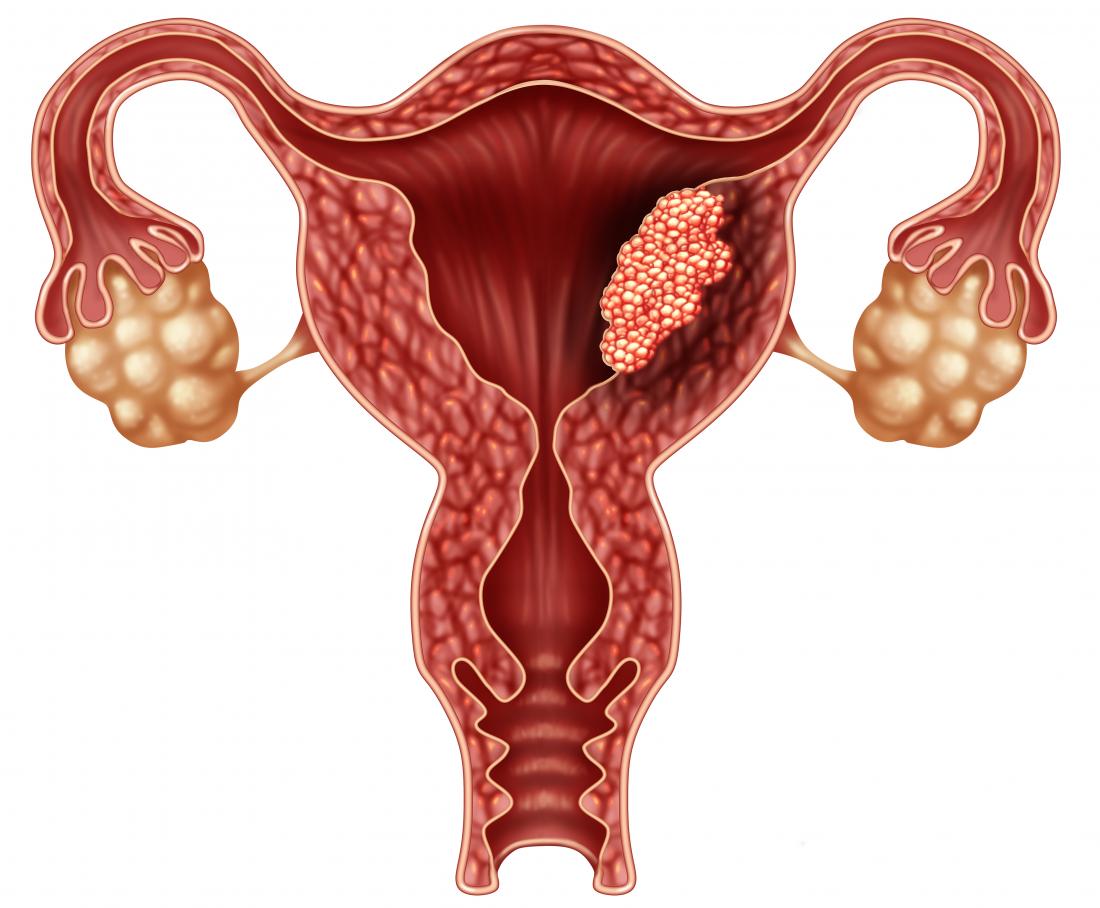
One of the diseases that can increase the possibility of uterine adhesions is endometriosis, in which the tissue inside the uterus is implanted outside the uterus and can cause many adhesions inside the pelvis, or infections caused by tuberculosis, as well as in those who have old appendicitis and it was treated late or punctured,
Also, in women who have had abdominal surgery or have undergone surgery as a sample of their intestines, adhesions may develop in the pelvis and abdomen. The development of abdominal diseases such as appendicitis in people is inevitable and no one can prevent it, but we recommend to take action as soon as possible for any type of disease and prevent its progress.
3- uterus removal
Uterus removal with laparoscopic surgery is one of the minimally invasive gynecological surgeries performed by a gynecologist in a hospital under general anesthesia.
Women's uterus is a sensitive organ and keeps the fetus inside during pregnancy; This organ has its own diseases, some of these diseases can be treated with medicine and others with surgery, but in special conditions such as the presence of uterine cancer symptoms, the gynecologist consults with the patient about removing this organ from the body.
Hysterectomy is performed with different methods, the oldest method is open surgery, which means that the doctor makes a transverse or longitudinal incision in the abdomen and separates the abdominal tissue and reaches the uterus and performs the operation.
In laparoscopic hysterectomy, there are no large longitudinal and transverse incisions, and the surgeon's hands are not supposed to enter the abdominal cavity directly, but the operation is performed by surgical instruments that are inserted through a small incision.
4-pregnancy prevention
There are various methods to prevent pregnancy. Each couple decides to use one of them according to their preferences and conditions. Each method of preventing pregnancy has its own advantages and disadvantages. In each of them, there is a percentage of error for unwanted pregnancy. In fact, in order to choose the right method of prevention, you must decide according to the level of pregnancy risk of each and their advantages and disadvantages. Of course, if you have special conditions, it seems necessary to consult a doctor.
Blocking methods are methods that prevent the sperm from reaching the egg. These methods include the following:
Male condom: Male condoms, which are generally made of latex, are more than 80% effective in preventing pregnancy. In addition, they also prevent the transmission of sexual infections. Female condom: Female condoms are similar to male condoms, they have approximately 79% protection. Aperture: A diaphragm is a sperm blocking device that is placed inside the vagina and is used every time before using spermicide. Using a diaphragm and spermicide reduces the probability of pregnancy by almost 90%. Uterus cap: The uterine cap is a silicone cup that is placed at the end of the vagina. In fact, this cap covers the cervix so that the sperm does not reach the eggs. This method prevents pregnancy between 70 and 85%. contraceptive sponge: The contraceptive sponge that contains spermicide is placed like a cap at the end of the vagina to prevent sperm from reaching the uterus. The use of sponge has between 76 and 88% prevention power. Sperm Cache: Spermicide is a chemical substance that deactivates sperm. The effectiveness of spermicide is 71%.
5-infertility treatment
There are different options for treating infertility according to the main cause of infertility. Treatments usually start with less invasive methods and are used when other methods fail. By examining couple's infertility tests, the doctor will provide the person with the necessary advice to choose the best treatment method. Some of the less invasive to the most invasive treatments are summarized below:
Pharmaceutical treatments:
In cases where a hormonal imbalance or a decrease in hormonal reserves causes infertility, drug treatment will usually be used to improve fertility. Taking fertility drugs can put the male and female reproductive system on the right path. Even in cases where infertility has been diagnosed with an unknown cause, the use of drugs may help a person to conceive naturally.


Intrauterine insemination of sperm or iui:
If the male sperm needs only a little help to reach the egg, placing the sperm sample in the uterus at the right time can improve the chances of getting pregnant. This method is called intrauterine sperm insemination or iui. In cases where the sperm cannot reach the egg, this method is usually suggested. In this method, the male sperm sample is inserted into the uterus through the woman's vagina through an instrument. This method can be done with or without fertility drugs to stimulate ovulation.
Surgery:
In cases where the fallopian tubes are blocked or the woman has endometriosis, fibroids, anatomical problems of the reproductive organs or ovarian cysts, the doctor can diagnose the fertility problem more accurately with a laparoscopy or a wide abdominal operation and also solve the problem during the operation by opening the fallopian tubes or by removing the tissue.


Assisted reproductive methods (art):
If the fertility problem is caused by a low sperm count or blocked fallopian tubes or other factors preventing the egg and sperm from joining, and other treatments have not helped, the doctor may recommend a more advanced and modern method in which the egg and sperm or the fertilized egg, which is the embryo, is grown outside the body.
ectopic fertilization or ivf
It is one of the most common assisted reproductive methods that is usually used for all people with infertility problems. In some ivf techniques, a technique called microinjection (icsi) is used to fertilize the egg and sperm, in which the sperm will be injected into the egg.

how to perform laparoscopy
Many of you have questions about how this surgery is performed?
As we said, laparoscopy or laparoscopic surgery is a surgical procedure that is performed using a device called a laparoscope. A laparoscope is a thin, rotating tube with a camera and other surgical instruments that is inserted through a small hole in the body. This method reduces the need for large incisions in the body and improves recovery time and reduces pain and complications after surgery.
To perform laparoscopic surgery, the patient is generally under general or local anesthesia. The doctor then makes one or more small holes in different parts of the body, usually through small, precise surgery. These holes are used as a path to enter the laparoscope and other surgical instruments.
A laparoscope inserted through one of the holes, known as the "main hole," creates a video of the inside of the body. These images are transferred to a screen or monitor, which allows the doctor to see the treatment area more closely. According to the images, the doctor can perform laparoscopic surgery.
Then, surgical instruments such as incisions, pinoscopes, or lasers are inserted through the other holes to perform the necessary surgery and treatment. Depending on the type of surgery, different tools are used.
After surgery, the holes are usually closed with stitches or a special glue. In some cases, a temporary drainage device may be needed to remove excess fluid or air from the body.
Laparoscopy is used in various medical fields, including surgery of internal organs such as liver, kidney, uterus and bladder, joint repair surgery, cardiovascular surgery, neurosurgery, and more. It is recommended that you discuss specific laparoscopy-related details and guidelines with your doctor for your specific situation.
care after laparoscopy operation
People who performed laparoscopic surgery should observe a series of care points after performing this surgery. In the following, we have provided explanations regarding this matter:
Care after laparoscopic surgery depends on the type of surgery and treatment area. But in general, the following precautions can be helpful in most cases:
- Rest and stop heavy activities: after laparoscopic surgery, it is better to limit heavy activities and sports for a certain period and give your body a chance to recover.
- Drugs and prescriptions: Follow the doctor's instructions regarding the use of medications. You may take painkillers, anti-inflammatories, or antibiotics to control pain, reduce inflammation, and prevent infection.
- Nutrition and fluids: Follow a balanced and healthy diet. You may have nausea and vomiting in the first days after laparoscopy, in this case, inform your doctor. In general, you can start with soft foods and gradually return to a normal diet. Also, drink enough fluids such as water and healthy fluids to avoid dehydration. Care of the surgical site: Keep the surgical area clean and dry. A diaper or bandage in the surgical area may be required. Based on the doctor's orders, you can use ice packs or topical medications to reduce pain and swelling. Follow up on adverse symptoms: In case of any adverse symptoms such as heavy bleeding, fever, severe inflammation, severe indigestion or unusual pain, inform your doctor. Also, it is very important to follow the doctor's orders regarding the care visits after laparoscopy.
It is always important to talk to your doctor about special care after laparoscopic surgery. Each patient and surgery may have different needs and your doctor will have the best advice for you.
complications of laparoscopic surgery
A concern for many people is complications of laparoscopy. Everyone wants to know if laparoscopic surgery can be painful?
Laparoscopy surgery usually has fewer complications than open surgery. However, some of the following complications may still occur after laparoscopic surgery:
- Pain: Mild to moderate pain at the site of surgical incisions may remain for a few days after surgery. The use of painkillers is recommended to control the pain. Of course, be sure to consult your doctor before taking these drugs.
- Swelling and inflammation: Swelling and inflammation may occur in the areas through which the laparoscope and surgical instruments were inserted. These symptoms usually decrease naturally in the first few days after the operation.
- Bleeding: A little bleeding may occur at the surgical puncture sites. If the bleeding is heavy or prolonged, you should inform your doctor.
- Infection: There is a possibility of infection in the areas of the surgical hole. Follow your doctor's instructions about taking care of the surgical area and taking antibiotics to prevent infection. Gastrointestinal problems: After laparoscopy, temporary problems such as nausea, vomiting, gas and indigestion may occur. These problems usually improve in the first few days after the operation.
- Respiratory problems: In some cases, some patients may experience respiratory problems such as coughing or shortness of breath after laparoscopic surgery. Tell your doctor if you have any severe breathing problems.
If you have severe, long-lasting, or worrisome side effects, tell your doctor to get checked out. Also, when following the doctor's orders and post-operative care, you can prevent complications and problems after laparoscopic surgery.