
حاملگی خارج رحم
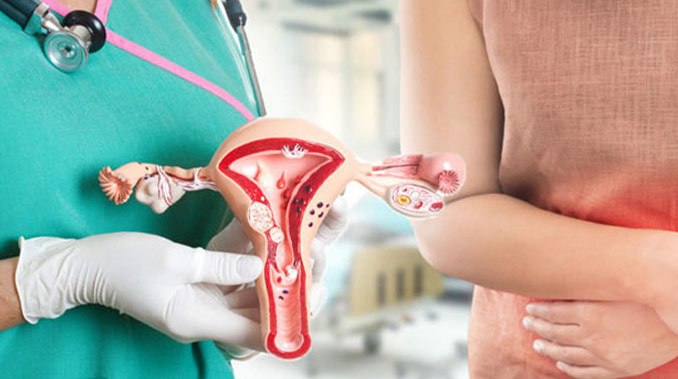
حاملگی خارج رحم یکی از چالشهای جدی در دوران بارداری است که میتواند تجربهای پراسترس و دردناک برای مادران باشد. این نوع بارداری که با عنوان حاملگی نابجا نیز شناخته میشود، حالتی است که در آن تخم بارور شده به جای لانهگزینی در رحم، در مکان دیگری از دستگاه تناسلی زنانه جایگزین میشود. حاملگی خارج رحم نه تنها منجر به از دست دادن جنین میشود، بلکه میتواند سلامت مادر را نیز به خطر بیندازد.
هر زنی که در سن باروری قرار دارد، ممکن است با حاملگی خارج رحم مواجه شود. در حقیقت، حدود ۲ درصد از تمام بارداریها را حاملگی خارج رحم تشکیل میدهد. این مشکل زمانی جدیتر میشود که تشخیص به موقع انجام نشود، زیرا با رشد جنین در مکانی نامناسب، خطر پارگی لوله فالوپ و خونریزی شدید افزایش مییابد. In this article, we will take a closer look at ectopic pregnancy, symptoms, diagnosis methods and available treatments.

What is ectopic pregnancy?
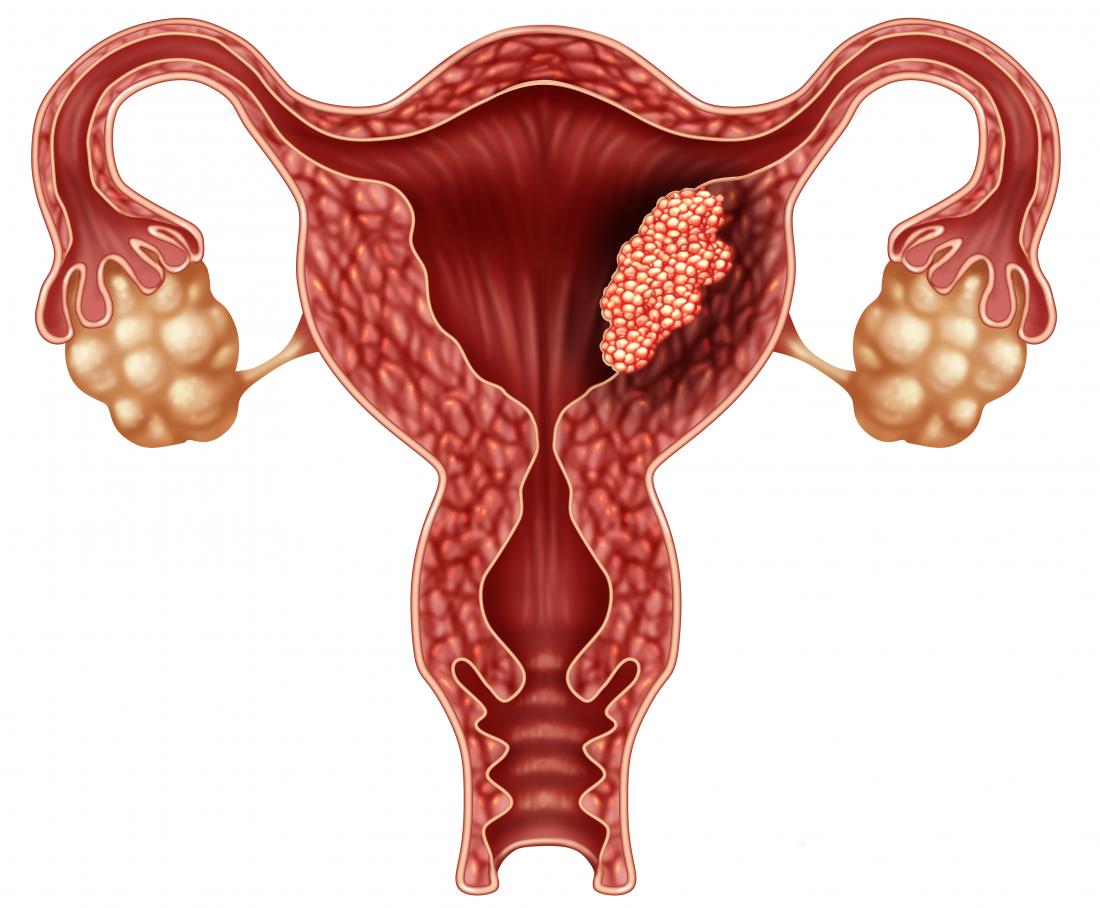
ectopic pregnancy is a condition in which the fertilized egg, instead of being replaced in the inner wall of the uterus, implants in another place of the female reproductive system. Under normal conditions, the egg, after being fertilized by the sperm in the fallopian tube, must move to the uterus and be replaced there. But in ectopic pregnancy, this process is not done properly.
Types of ectopic pregnancy
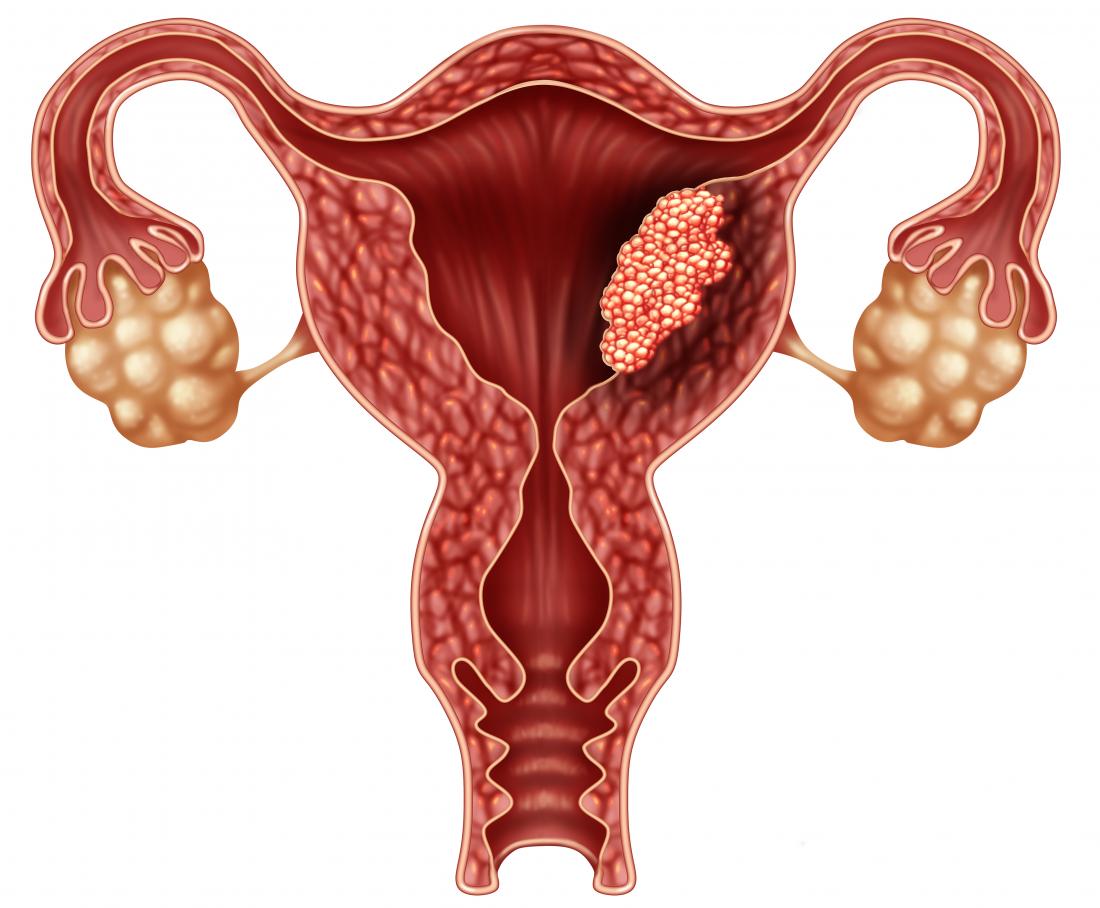
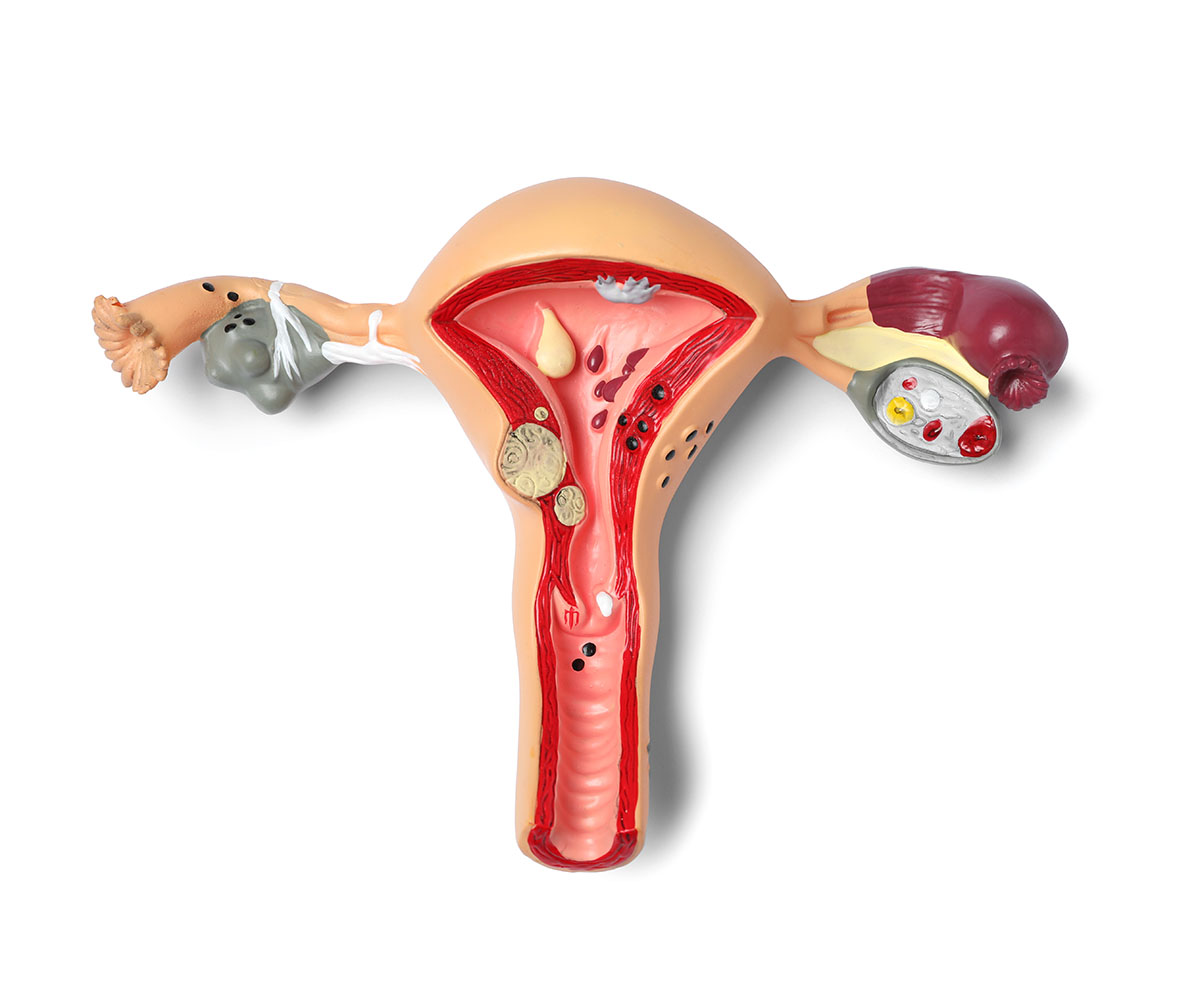
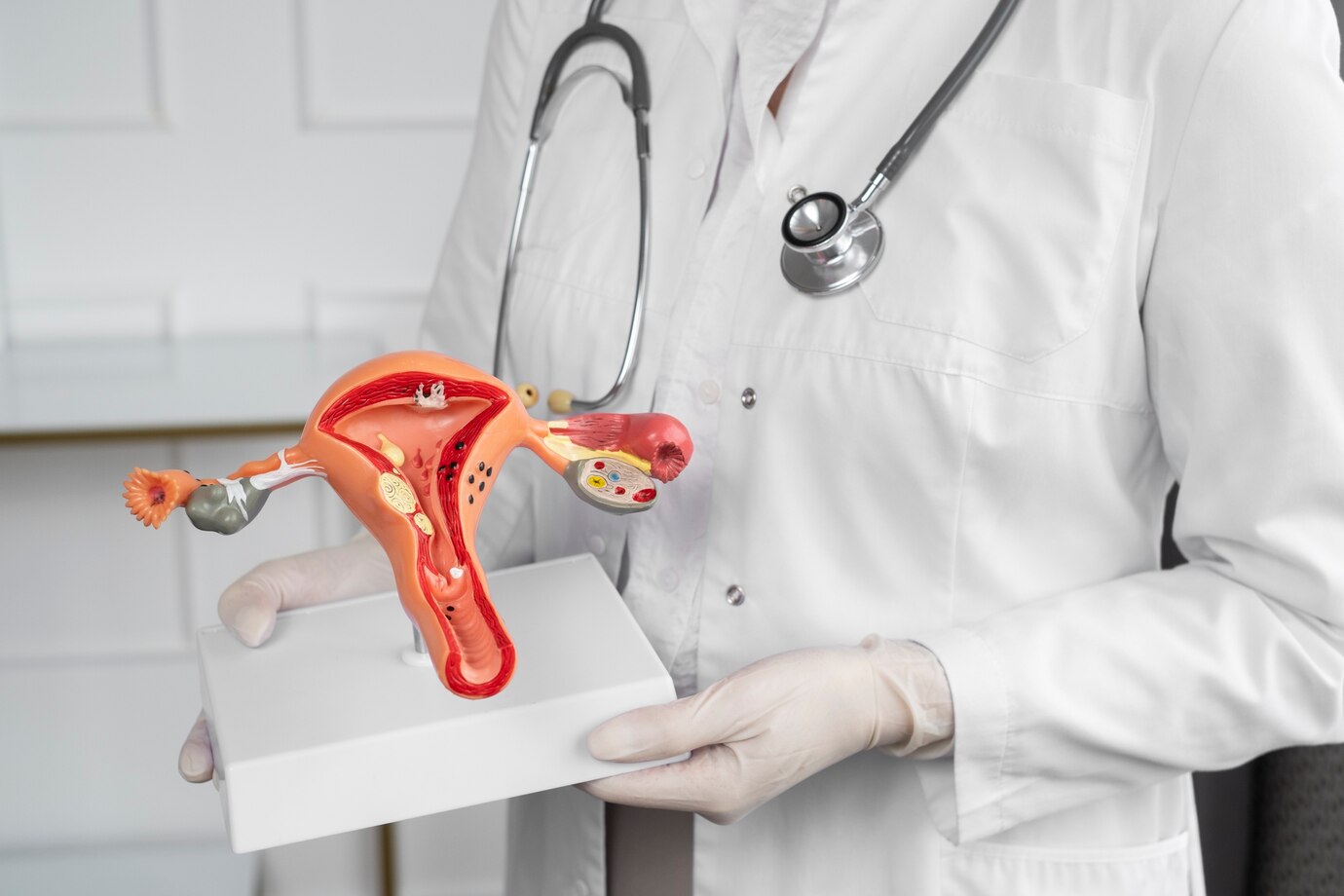
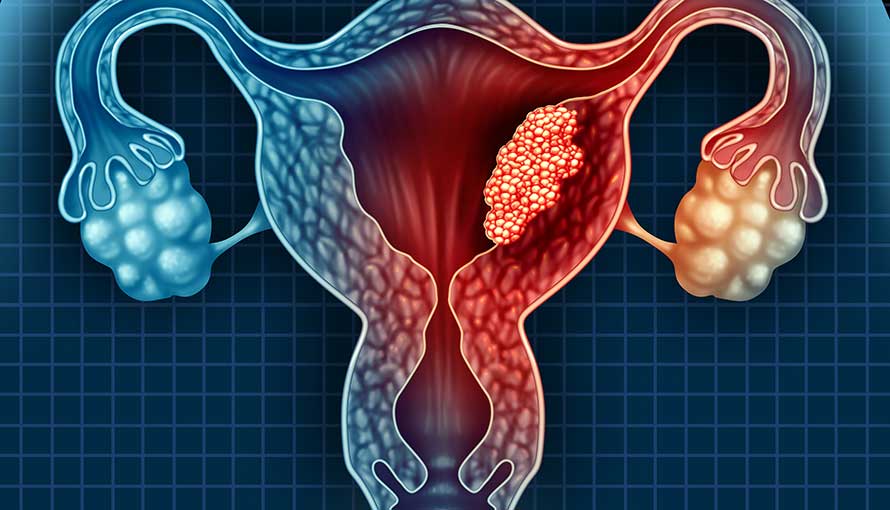
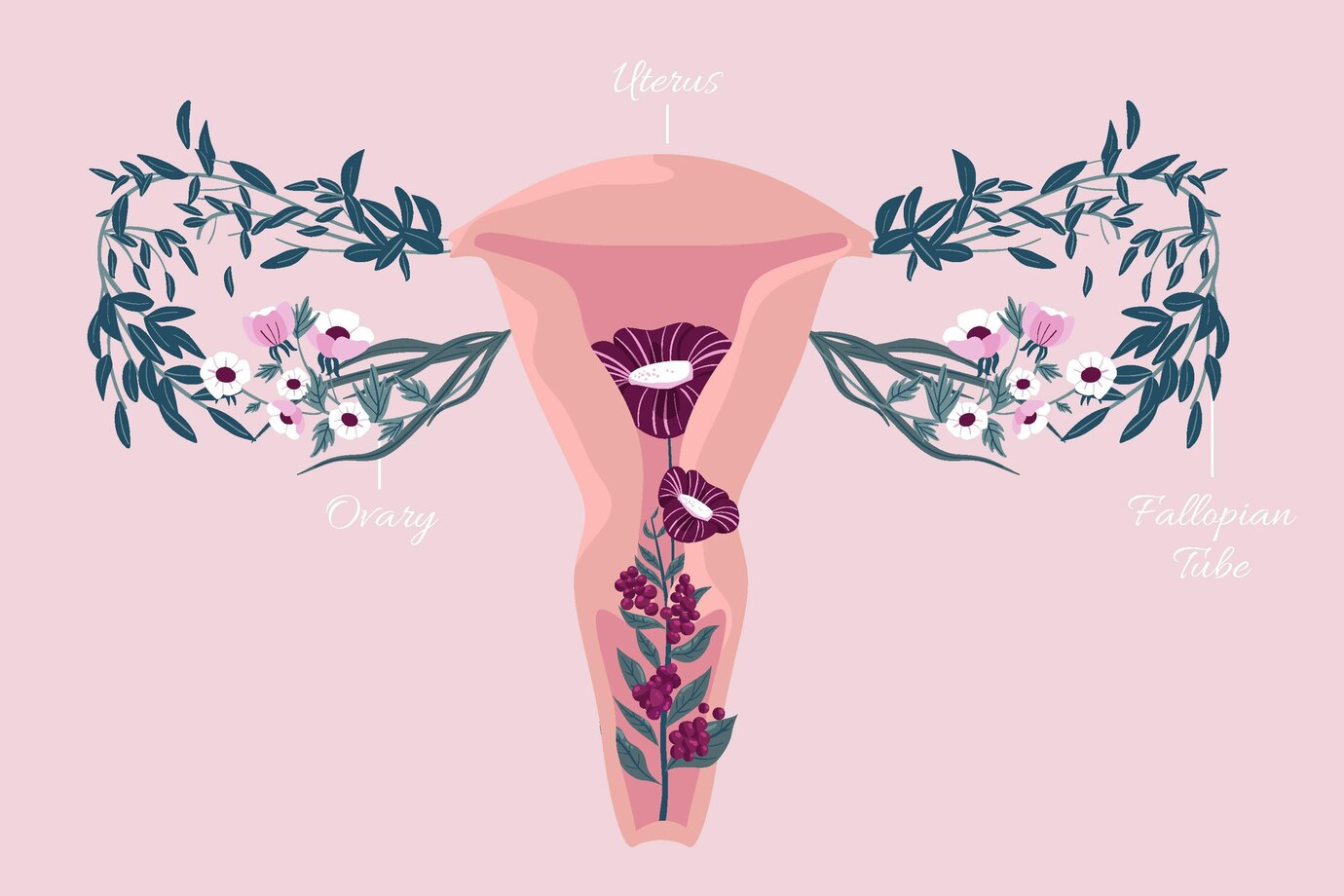
Ectopic pregnancy can occur in various places, but the most common place is the fallopian tubes, which is also called tubal pregnancy. About 90% of ectopic pregnancies occur in the fallopian tubes. Other possible sites for ectopic pregnancy include the ovary, cervix, abdominal cavity, and the junction of the fallopian tube with the uterus, which is also called an interstitial pregnancy.
In the case of the ovary, the fertilized egg is replaced and grows in the ovary. This type of ectopic pregnancy is rare but considered dangerous. In cervical pregnancy, the fertilized egg implants in the cervix, which is very rare and includes less than 1% of ectopic pregnancies.
Abdominal pregnancy is one of the rarest and most dangerous types of ectopic pregnancy. In this type, the fertilized egg is replaced in the abdominal cavity and on organs such as the intestines, liver or spleen. Finally, interstitial pregnancy occurs at the junction of the fallopian tube with the uterus and requires immediate attention due to the risk of severe bleeding.Causes and risk factors of ectopic pregnancy
Several factors can increase the risk of ectopic pregnancy. Some of the most important factors include a history of fallopian tube surgery, pelvic infections, congenital abnormalities of the fallopian tube, previous history of ectopic pregnancy and endometriosis.
History of fallopian tube surgery includes any surgery on the fallopian tubes such as tubal ligation or reconstructive surgery that can increase the risk of ectopic pregnancy. Chronic or acute pelvic infections (PID) can also damage the fallopian tubes and block the egg's path.Some women are born with abnormal fallopian tubes that can make it difficult for an egg to move. Also, women who have already had an ectopic pregnancy are more at risk in subsequent pregnancies. In endometriosis, the tissue of the uterine wall grows outside the uterus and can lead to thickening of the uterine wall and changes in the structure of the fallopian tubes.
Using intrauterine devices (IUDs) also increase the risk of ectopic pregnancy, although they reduce the overall risk of pregnancy. Assisted reproductive methods such as in vitro fertilization (IVF) may increase the risk of ectopic pregnancy. And finally, smoking is associated with an increased risk of ectopic pregnancy.
Take this issue seriously!
Ectopic pregnancy is considered a medical emergency and requires immediate attention. If left undiagnosed and untreated, it can lead to a ruptured fallopian tube, severe internal bleeding, and even death. Fortunately, with early diagnosis and appropriate treatment measures, serious complications of ectopic pregnancy can be avoided. When is an ectopic pregnancy diagnosed?
When is an ectopic pregnancy determined?
Early diagnosis of ectopic pregnancy is very important, because it can prevent serious and even life-threatening complications. Usually, an ectopic pregnancy is detected between 4 and 12 weeks of pregnancy, but the most accurate time of diagnosis is usually between 6 and 8 weeks of pregnancy.
Symptoms and symptoms of ectopic pregnancy
Symptoms of an ectopic pregnancy may initially resemble the symptoms of a normal pregnancy. However, as the pregnancy progresses and the fetus grows in an inappropriate place, warning signs appear, which we will mention in full below.
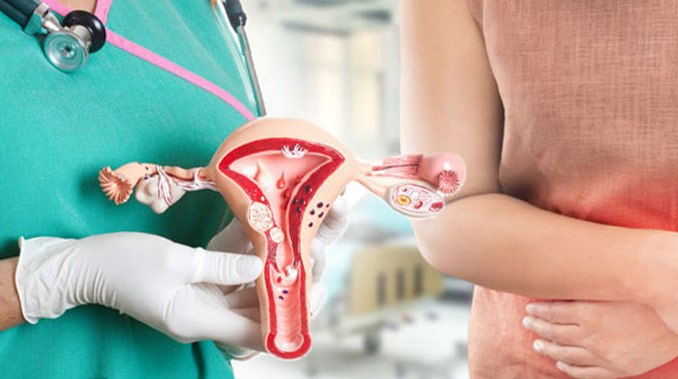
Abdominal or pelvic pain is one of the most common symptoms of ectopic pregnancy. This pain is usually one-sided in the abdomen or pelvis and may start mild and intermittent and gradually become more severe. Sometimes this pain spreads to the shoulder or neck, which is a sign of internal bleeding and should be taken very seriously.
Abnormal vaginal bleeding, which is usually less frequent and darker in color than normal periods, can be another sign of an ectopic pregnancy. This bleeding is often accompanied by abdominal pain and should be checked by a doctor immediately.If an ectopic pregnancy leads to internal bleeding, you may experience symptoms such as dizziness, weakness, fainting, or even shock. These symptoms indicate an emergency situation and require immediate medical attention.
Methods for diagnosing ectopic pregnancy
Diagnosis of ectopic pregnancy is usually done through a combination of clinical examinations, blood tests, and imaging.
Physical examination is the first step in diagnosis. By examining the pelvis, the doctor checks for a lump or pain in the area of the fallopian tubes. This examination can provide important initial information about the patient's condition.
Vaginal ultrasound is one of the most important diagnostic tools for ectopic pregnancy. With this method, the doctor can determine the exact location of the fetus. If the fetus is not seen in the uterus and the hCG hormone level is high, the possibility of an ectopic pregnancy increases.
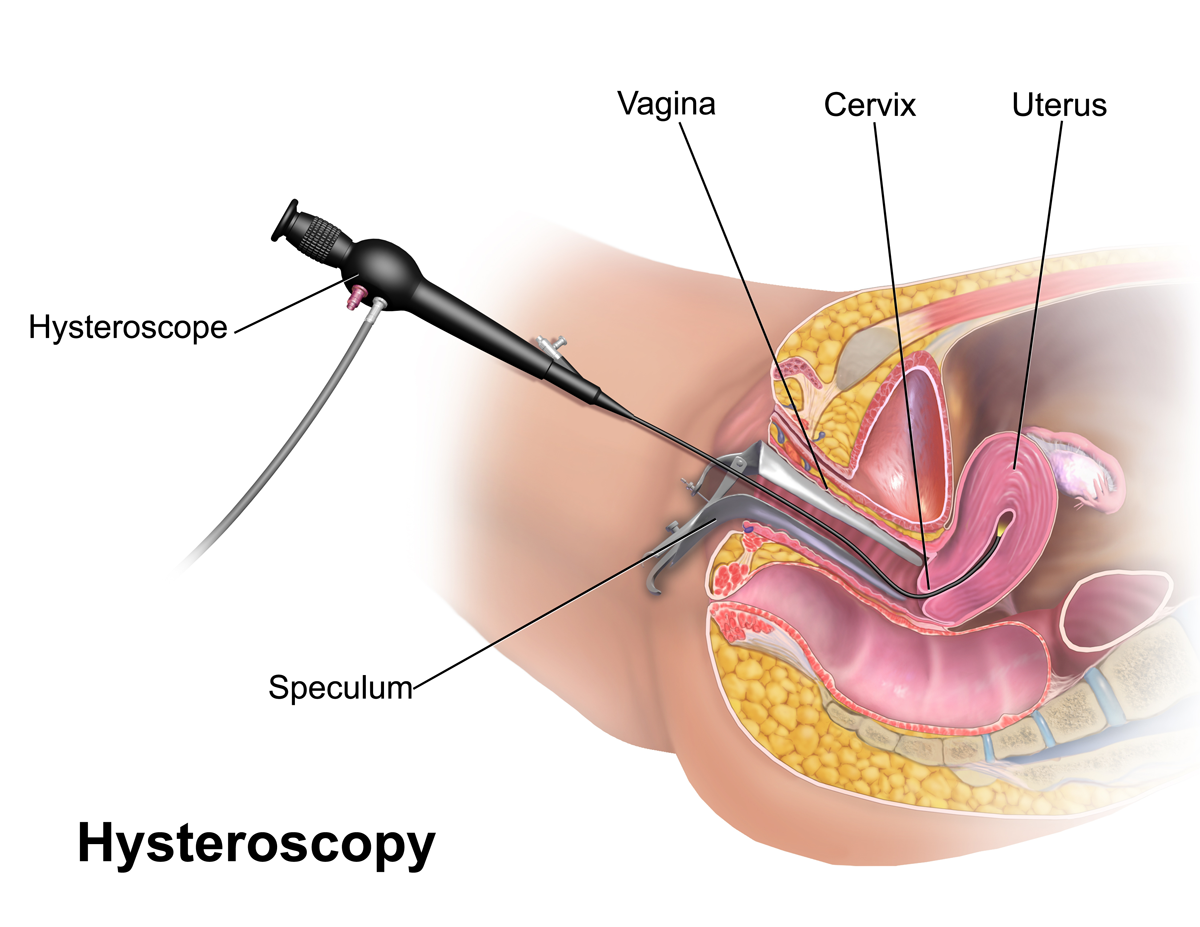
HCG blood test is also very important. The hCG hormone level is usually abnormally elevated in an ectopic pregnancy. Repeated measurement of this hormone can help in diagnosis. In a normal pregnancy, hCG levels roughly double every 48 to 72 hours, but in an ectopic pregnancy, this increase is slower. In suspicious or urgent cases, the doctor may use laparoscopy to confirm the diagnosis and start treatment.
If you have risk factors for an ectopic pregnancy or are experiencing suspicious symptoms, it is very important to see your obstetrician and gynecologist immediately. Ms. Dr. Giti Giyasi, an experienced gynecologist and obstetrician, always emphasizes the importance of early diagnosis and believes that visiting a doctor on time can play an important role in saving a mother's life.

Is an ectopic pregnancy detected in a blood test?
One of the frequently asked questions of pregnant women is whether it is possible to detect an ectopic pregnancy only with a blood test? The answer to this question is a bit complicated, but it can be said that a blood test alone cannot diagnose an ectopic pregnancy with certainty, but it can provide signs that lead the doctor to the correct diagnosis.
The role of hCG hormone in the diagnosis of ectopic pregnancy
Human chorionic gonadotropin (hCG) is a hormone that is secreted in a woman's body after implantation of a fertilized egg. In a normal pregnancy, the level of this hormone almost doubles every 48 to 72 hours. But in ectopic pregnancy, the increase in hCG level is slower than normal.
To diagnose an ectopic pregnancy, doctors usually repeat the blood test at certain time intervals (usually every 48 hours) to check the trend of hCG hormone changes. If the increase in hCG level is less than 66% in 48 hours, the possibility of ectopic pregnancy increases.
In a normal pregnancy, the level of hCG increases continuously and reaches its peak around the 10th to 12th week of pregnancy. But in an ectopic pregnancy, the hCG level is usually lower and has an abnormal growth pattern. However, some ectopic pregnancies may show normal levels of hCG, so a blood test alone cannot be a definitive diagnosis.
Other blood markers associated with ectopic pregnancy
In addition to hCG, some other blood markers can also help in diagnosing ectopic pregnancy. Progesterone is one of these markers and its low level in the blood may indicate pregnancy problems including ectopic pregnancy. In a normal pregnancy, progesterone levels increase to protect the fetus, but in an ectopic pregnancy, this increase may be lower.
Creatine kinase is an enzyme whose level increases in the blood in case of fallopian tube damage. An increase in the level of this enzyme can indicate a rupture of the fallopian tube, which is an emergency situation. A white blood cell count can also provide useful information. In severe cases of ectopic pregnancy, which is accompanied by inflammation, the number of white blood cells increases. This increase can indicate infection or inflammation caused by ectopic pregnancy.Limitations of blood test in diagnosing ectopic pregnancy
Blood test alone cannot provide a definitive diagnosis of ectopic pregnancy and should always be used along with other diagnostic methods such as ultrasound. One of the limitations of blood tests is interference with other conditions. Abnormal levels of hCG can also be seen in other conditions such as incomplete abortion.
Delay in diagnosis is another limitation. Waiting for consecutive blood test results can delay treatment, which is not desirable in emergency cases. Also, for accurate diagnosis, several blood tests are required on consecutive days, which may be difficult for some patients.
The importance of quick and correct diagnosis of ectopic pregnancy
Early diagnosis of ectopic pregnancy is of vital importance. Mrs. Dr. Giti Ghiazi, an outstanding expert in the field of high-risk pregnancies and problems such as cervical wound, they always recommend that Pregnant women should see a doctor immediately if they have any abdominal pain or abnormal bleeding. They emphasize that a combination of clinical examination, blood test and ultrasound can provide an accurate diagnosis of pregnancy.
The important point is that the symptoms of ectopic pregnancy may be mild at first and gradually become more severe. Therefore, it is very important to pay attention to changes in health status and see a doctor on time. If you are pregnant and experience symptoms such as abdominal pain, vaginal bleeding, or dizziness, you should see your doctor immediately.
Extrauterine pregnancy treatment methods
Treatment of ectopic pregnancy varies depending on the patient's condition, location of pregnancy, gestational age and clinical condition. In general, there are three main methods for treating ectopic pregnancy: drug treatment, laparoscopic surgery , open surgery, each of which we explain in detail.
- Medical treatment of ectopic pregnancy
In cases of early diagnosis and when the patient is clinically stable, methotrexate may be used for treatment. This drug destroys the rapidly growing cells and causes the embryo to be absorbed. The advantages of this method include avoiding surgery and anesthesia, reducing damage to the fallopian tube and shorter recovery period.
Methotrexate is usually administered as an intramuscular injection and repeated injections may be required. After the injection, hCG levels are measured regularly to ensure the success of the treatment. If successful, the hCG level will gradually decrease and reach an undetectable level.
- Laparoscopy surgery
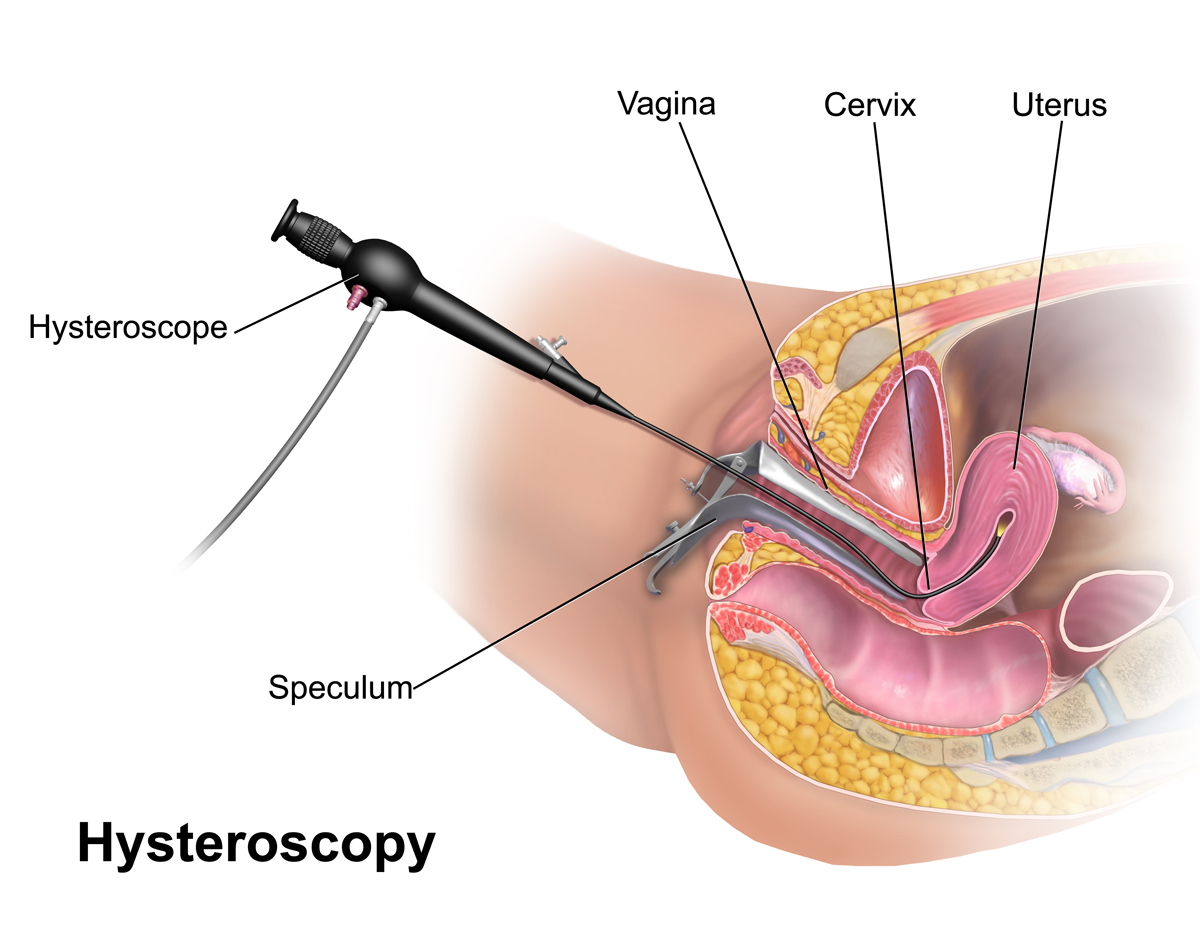
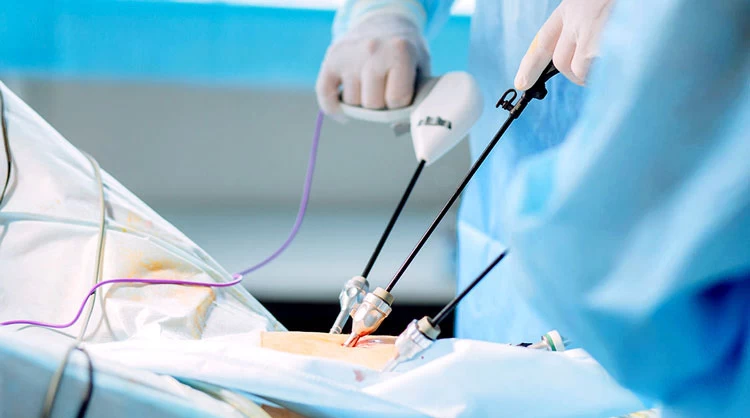
Laparoscopy is a minimally invasive surgical procedure used to treat ectopic pregnancy. In this method, the surgeon inserts a camera and surgical instruments through small incisions in the abdomen and removes the ectopic pregnancy and, if possible, restores the fallopian tube.
Laparoscopy is recommended in cases of fallopian tube rupture, severe bleeding, hemodynamic instability of the patient and lack of response to drug treatment. In this method, the doctor can remove the pregnancy tissue from the fallopian tube (salpingostomy) or, in case of severe damage, remove the entire fallopian tube (salpingectomy). One of the best surgeons for laparoscopic surgery in Tehran and Iran is Ms. Dr. Giti Giyasi, who you can refer to to solve and treat this problem.
- Open surgery (laparotomy)
In emergency cases or when laparoscopy is not possible, open surgery may be used. This procedure involves making a larger incision in the abdomen to directly access the site of the ectopic pregnancy. Laparotomy is usually performed in conditions of severe internal bleeding, extensive intra-abdominal adhesions, lack of access to laparoscopic equipment, or severe obesity of the patient. The recovery period after laparotomy is longer than laparoscopy, and the patient may need to stay in the hospital for a few days.

Final recommendation for diagnosis and treatment of this disease
Ectopic pregnancy is one of the serious and emergency situations during pregnancy that requires awareness, quick diagnosis and timely treatment. From initial symptoms such as one-sided abdominal pain and abnormal bleeding to advanced symptoms such as dizziness and shock caused by internal bleeding, they can all threaten the mother's life. This type of pregnancy usually occurs in the fallopian tubes, but the ovaries, cervix, abdominal cavity, and fallopian tubes can also be involved. Factors such as history of pelvic surgeries, chronic infections, endometriosis and smoking increase the probability of this problem. In diagnosis, the combination of blood tests - especially the monitoring of hCG hormone levels - and vaginal ultrasound is very vital.In doubtful cases, laparoscopy can be both a diagnostic tool and a treatment solution. The fact is that women's awareness of the symptoms and timely referral to a specialist play a key role in preventing serious complications of ectopic pregnancy. In the meantime, the presence of experienced and compassionate doctors like Dr. Giti Ghessi, who care about women's health with knowledge and precision, is a great blessing for the medical community and patients. Regular follow-up, trusting the doctor's expertise and paying attention to the symptoms are the keys to safely overcome the challenges of ectopic pregnancy.