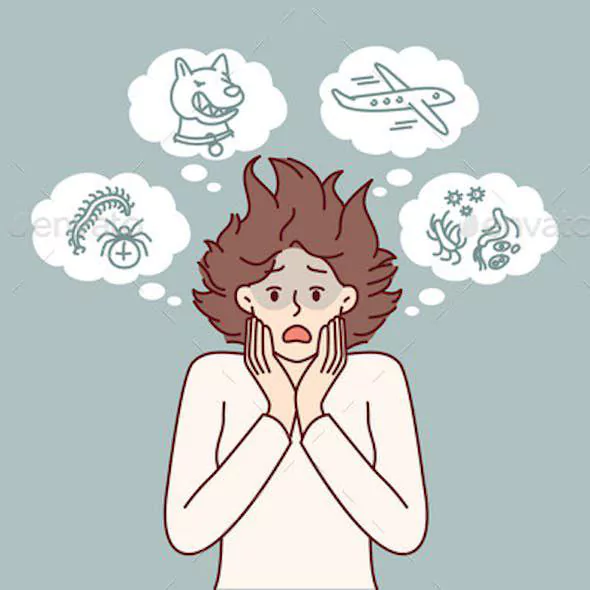


هراس خاص، ترس از یک شیء، حیوان و یا موقعیت به خصوص است. در این اختلال ترس تان به اندازه ای زیاد است که شما می خواهید از آن موقعیت یا تجربه فرار کنید. روبرو شدن با آن باعث می شود اضطرابتان شدت یابد. این ترس ها و هراس ها بسیار رایج هستند. در یک پژوهش جدید، ۶۰ درصد افراد، ترس از برخی موقعیت ها یا چیزها را گزارش کردند. شایعترین هراس ها هراس از حشرات، موش، مار، خفاش، ارتفاع، آب، وسایل نقلیه عمومی، طوفان، مکان های بسته، تونل ها و پل ها هستند. بسیاری از افراد از چندین چیز مختلف می ترسند و به طور آگاهانه از آنها اجتناب می کنند. در واقع، ترس در ۱۲ درصد افراد به اندازه ای شدید است که تشخیص اختلال هراس خاص را دریافت می کنند؛ یعنی ترس آنها همیشگی و همراه با اضطراب شدید است و باعث می شود که افراد دچار هراس، از موقعیت های به خصوصی دوری کنند و تمایل به اجتناب دارند. این افراد می دانند که ترس آنها بیش از حد و ناسازگار است، ولی روی آن کنترل ندارند و درماندگی ناشی از آن به اندازه ای است که زندگی عادی شان را مختل می کند.
دلایل ایجاد هراس خاص چیست؟
دلایل متعددی برای هراس خاص مطرح شده است. روان شناسان بین چگونگی آموختن ترس و تداوم آن پس از گذشت سالها، تفاوت قائل می شوند.
بعضی صاحب نظران معتقدند که انسان ها گرایش دارند همچنان از اشیاء، حیوانات یا موقعیت هایی که در عصر حجر از آنها می ترسیده اند، هراس داشته باشند. برای مثال: ترس از حشرات، موش ها، مارها، بسیاری از حیوانات دیگر، ارتفاع، غریبه ها، پل ها، آب و همه چیزهایی که می توانستند برای انسان های اولیه به صورت بالقوه خطرناک باشند. این هراس ها در یک طبیعت وحشی، بسیار سازگارانه و سودمند بوده است. People who were afraid of these factors were more prepared to avoid pollution, poisonous bites, falling from cliffs or bridges, being killed by a stranger, or drowning; But in today's advanced world, these fears are not as adaptive and beneficial as they were in the past, and they are not as efficient as they used to be.
The second source of fear is learning. Either by associating a bad experience with something non-scary (for example, maybe you are afraid of dogs because a dog bit you years ago) or by observing someone who is afraid of something (for example, maybe a family member is afraid of flying and you learned this fear from them). The third reason for fear can be wrong thinking or "distortion of thoughts". For example, a fear or panic may arise based on misinformation, or fear something because you foresee the worst possible outcome for yourself from facing that thing. In this situation, you don't pay attention to the evidence that shows the unwarrantedness of that fear and basically questions that fear. It is also possible that the cause of your panic is that you believe that you cannot bear anxiety and that it is impossible for you to bear facing something that scares you.
Once you learn a fear or phobia, this fear or phobia continues in various ways. One of the reasons why phobias persist is that you avoid a situation as much as you can because you are so afraid of it. For example, if you are afraid of flying, every time you decide not to travel by plane, you experience less anxiety. Every time you avoid flying, you teach yourself that "If I don't get on a plane, I don't get anxiety." In this way, you learn to avoid planes or anything else that scares you. It's like drinking alcohol every time you feel anxious. This way you learn to drink more because it temporarily relieves your anxiety; But the problem is that by avoiding your fears, you never learn to overcome them. Another reason for your continued fear is "safety behaviors". These behaviors are the things you do or say in the hope that they will protect you. For example, you might lean against a tight corner in an elevator, or cling to your seat on an airplane. You may also pray or seek reassurance when you find yourself in a fearful situation. You may have come to believe that these safety behaviors are necessary to overcome fear.
How can cognitive behavioral therapy help you?
When you learn by experience, your fear is baseless. Your fear and anxiety will begin to subside. Cognitive behavioral therapy for specific phobias helps you face what you fear instead of avoiding it. Mangertan asks you to make a list of each aversive object or situation, determine the intensity of the fear associated with each, and record your beliefs about each object or situation (for example, do you think you will get infected, die, be attacked, or go crazy?) Making this list is the first step in treatment for overcoming your phobia. Your therapist will teach you how to relax yourself when you feel tense. He may ask you to visualize the object or situation you fear and hold it long enough for your feelings of anxiety to subside. You see your therapist do something that you fear and you can later imitate him. Facing the issue of panic will be gradual. The therapist will explain everything to you before doing anything, you have the right to choose and you can choose not to do it. He will never surprise you and it is you who determine the speed and progress of the treatment program. Most patients who use these techniques find over time that their tensions are reduced and they are able to do things they were afraid of before, thus feeling more fulfilled in their lives. Many patients recover quickly in the first sessions. According to the severity of panic, between 80 and 90 percent of patients recover by using this technique. Although some patients use anti-depressants or anti-anxiety drugs for their problem. But the treatment method we described usually does not need these drugs.
What is expected of you as a patient?
In the treatment of panic, it is necessary to gradually put yourself in anxiety-provoking situations. You need to tell your therapist what situations or things make you anxious. You should also explain to your therapist what situations or things you fear the most, what kinds of thoughts you have about these things, and whether you are willing to tolerate some anxiety in order to improve. Your therapist will guide you through these situations gradually. You should do homework between therapy sessions. Many of these assignments are the same tasks that you have practiced and learned during therapy sessions.