
What is endometriosis and how does it occur?
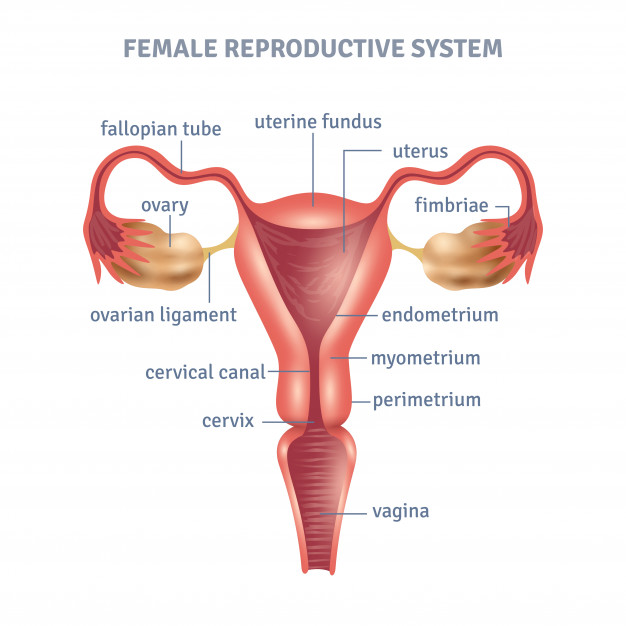
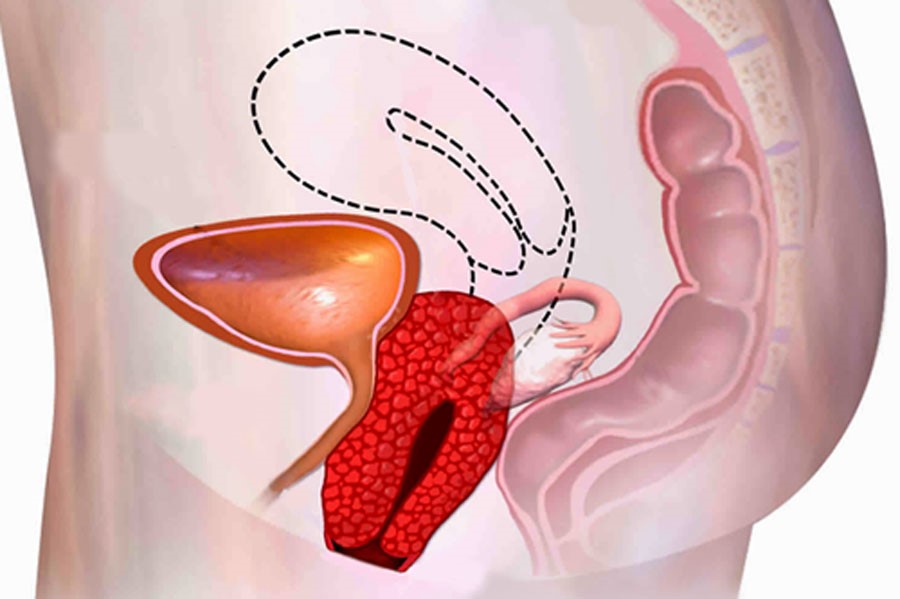
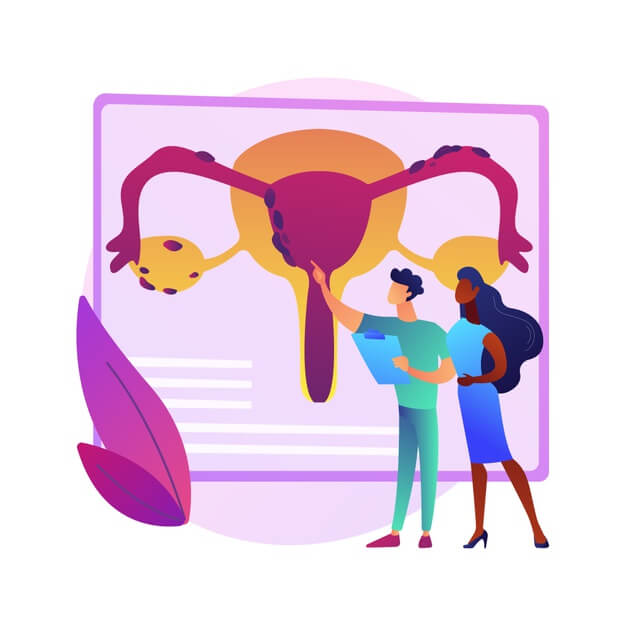
When it comes to endometriosis, it means that the inner tissue of the uterus (endometrium) has grown and expanded outside of it. This tissue can be seen in areas such as ovaries, fallopian tubes, external area of the uterus, intestine, bladder or other internal parts of the body.
However, it is said that the pelvis and ovaries will be involved more than other parts of the body. Of course, the extension of endometrial tissue outside the pelvic area is unusual, but it is not impossible and it may even be seen in the chest or brain.
Endometrial tissue that grows outside of your uterus is known as an endometrial implant.

Hormonal changes that occur during the menstrual cycle affect the misplaced tissue of the endometrium and cause bleeding and inflammation, adhesion and pain in the area.
This means that in the pelvis it can cause:
- Inflammation
- Oscar Formation
- Adhesion, where the tissues of the pelvic organs are attached to each other.
- severe pain during menstruation (dysmenorrhea)
- Pain during sex (dysparonia)
- pelvic pain
- sterility
- This disease is common among women of reproductive age and affects about 10% of them.
What are the symptoms of endometriosis?
One of the main symptoms of endometriosis is pelvic pain, which is often accompanied by Course Menstruation is accompanied. Although many women experience cramping during menstruation, sufferers typically describe menstrual cramps that are much worse and more intense than usual.
Pain may also increase over time. The common signs and symptoms of this disease include the following:
- Painful menstrual cycles (dysmenorrhea). Pelvic pain and cramping may begin before the menstrual cycle and continue for several days afterward. You may also experience back and stomach pain.
- Feeling pain during or after sex
- pain with bowel movements or urination. You will most likely experience these symptoms during menstruation.

- Excessive bleeding. You may experience heavy periods or bleeding between periods.
- infertility
- If the colon or large intestine is involved, it causes symptoms such as abdominal pain, abdominal distension, intestinal bleeding, and constipation.
- increasing the possibility of some type of ovarian cancer
The amount of pain is not necessarily a reliable indicator of the severity of the disease. You can have mild endometriosis with severe pain. It is also possible that the severity of the disease is significant in you, but you do not have severe pain.
This condition is sometimes confused with other medical conditions that can cause pelvic pain, such as pelvic inflammatory disease (PID), ovarian cysts, or irritable bowel syndrome (IBS).
In irritable bowel syndrome, the patient will also face diarrhea, constipation and abdominal cramps. If IBS is accompanied by endometriosis, then the diagnosis will be more complicated.

What is the cause of endometriosis?
During a menstrual cycle, the inner layer of the uterus (endometrium) sheds. In this way, menstrual blood will exit through the small opening of the uterus and vagina.
The exact cause of endometriosis is not known and there are various theories in this field, so far no theory has been scientifically proven.
Retrograde menstruation. In this situation, the menstrual blood, which contains endometrial cells, instead of leaving the body, is returned through the uterine tubes and goes into the pelvic cavity. Endometrial cells adhere to the wall and surfaces of the pelvic organs, grow there and thicken and bleed during each menstrual cycle.
The evolution of embryonic cells. Cells that are in the first stages of development are known as embryonic cells. Experts believe that hormones such as estrogen affect fetal cells and turn them into endometrial cells during puberty.
Disturbance in the body's immune system. Sometimes the body's immune system may not be able to identify and destroy endometrial tissue that grows outside the uterus.
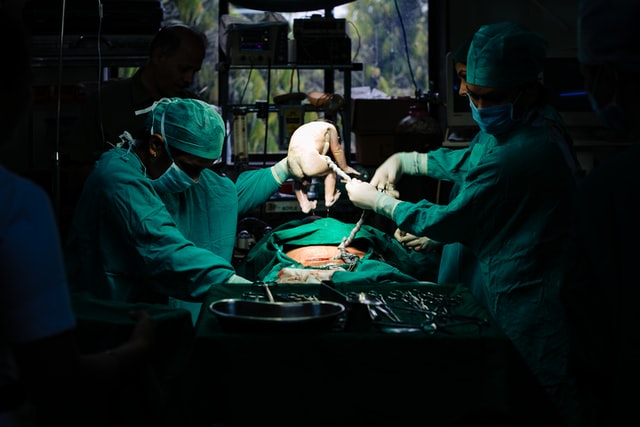
Scar tissue caused by surgery: wounds that are created after surgeries such as cesarean delivery or hysterectomy, can prepare the ground for the growth and expansion of endometrial cells.
Endometrial cell transfer. It is possible that the blood vessels or the lymphatic system transfer endometrial cells to other parts of the body.

endometriosis risk factors
young age at first menstruation (menarche)
short menstrual cycle
Heavy bleeding during menstruation
Infertility
Not giving birth
History of endometriosis in first degree relatives
Being tall and thin
genital system abnormality
Low birth weight (less than 3200 grams)
diet rich in fat and red meat
Protective factors against endometriosis
having more than one birth (multiparity)
Breastfeeding
sports
a diet rich in fruits and vegetables
high body mass index (BMI)
How many types of endometriosis do we have?
Based on the location of the disease, three different cases can be considered:
- Superficial peritoneal damage. This is the most common type of this disease. In this condition, lesions are seen in the peritoneum. The peritoneum is a thin membrane that covers the interior of the abdominal cavity and pelvis.
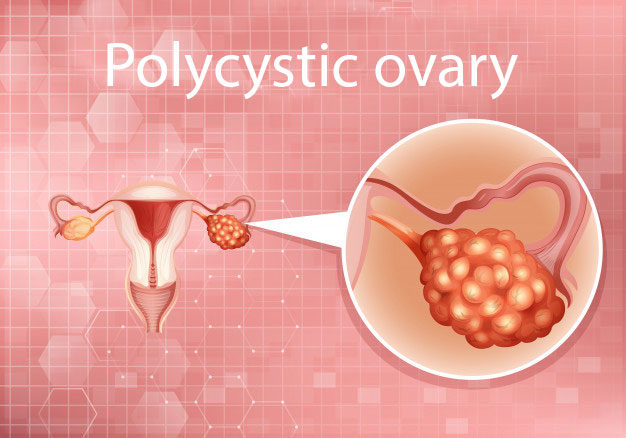
- Endometrioma (chocolate cyst): In this case, dark cysts filled with decomposed blood and brown in color, also called chocolate cysts, will be seen deep in the ovary.
- One of their characteristics is that they do not respond well to medical treatment and can damage healthy tissue.
- Deep infiltrating endometriosis (DIE). In this condition, the cells grow under the peritoneum and can involve organs near the uterus such as the intestine or bladder. About 1% to 5% of women suffer from this type of endometriosis.

How is endometriosis diagnosed?
The doctor may prescribe the following tests to diagnose the disease:
Medical history
The doctor examines the symptoms and personal or family history of this disease. He may also do a general assessment of your health to rule out the possibility of other diseases. If one of the family members such as mother, sister is suffering from endometriosis, the possibility of your involvement will also increase.
Physical examination
During a pelvic exam, the specialist will manually examine your abdomen for cysts or ulcers in the uterus.
sonography
The doctor may use transvaginal ultrasound or abdominal ultrasound.
In both types of ultrasound, images of the internal reproductive organs are provided to the doctor. The images help the doctor to identify cysts related to this disease.
MRI
It helps in diagnosing endometriosis, but accurate transvaginal ultrasound is just as important as MRI in identifying endometriosis.
Invoice measurement CA125
In endometriosis, the amount of factor CA125 increases. However, it also increases in other diseases such as uterine myoma, during menstrual bleeding, ovarian cancer, etc.
Laparoscopy
This method is referred to as the main and standard method for identifying endometriosis. In this case, the body faces the lowest amount of invasion compared to open surgery. For this purpose, it is necessary to completely anesthetize the patient. If there is no special problem, the person will be discharged from the hospital on the same day.
In this way, it is possible to remove cysts and endometriosis tissue in the entire abdominal cavity and pelvis, although in advanced cases, a treatment team including gynecologist, general surgeon and urologist is needed for treatment.

endometriosis treatment
Treatment of endometriosis is divided into two categories: drug treatment and surgery.
1_ Types of birth control pills either intermittently or continuously and without stopping the pill
2_ Pills or three-month progesterone ampoules such as medroxyprogesterone acetate, megestrol
3_ Dinogest (Vizan)
4_ GnRH ampoules that cause a state similar to menopause in the patient and must be injected every 28 days or every three months.
5_ Danazol
6_ Mirna (progesterone IUD)
7_ other drugs
The duration of treatment should be at least six months.
For people who are married and have not yet become pregnant, it is recommended to get pregnant as soon as possible because pregnancy is considered one of the treatments for endometriosis due to the inactivity of the ovaries during nine months, although it should be noted that endometriosis itself can lead to infertility.
Surgical treatment
It should be noted that it is better to perform surgery only once and that too in the form of complete removal of lesions and laparoscopic method. Surgery to remove the uterus and ovaries is also used as the last treatment in severe cases.