
How is shin splint physiotherapy performed?
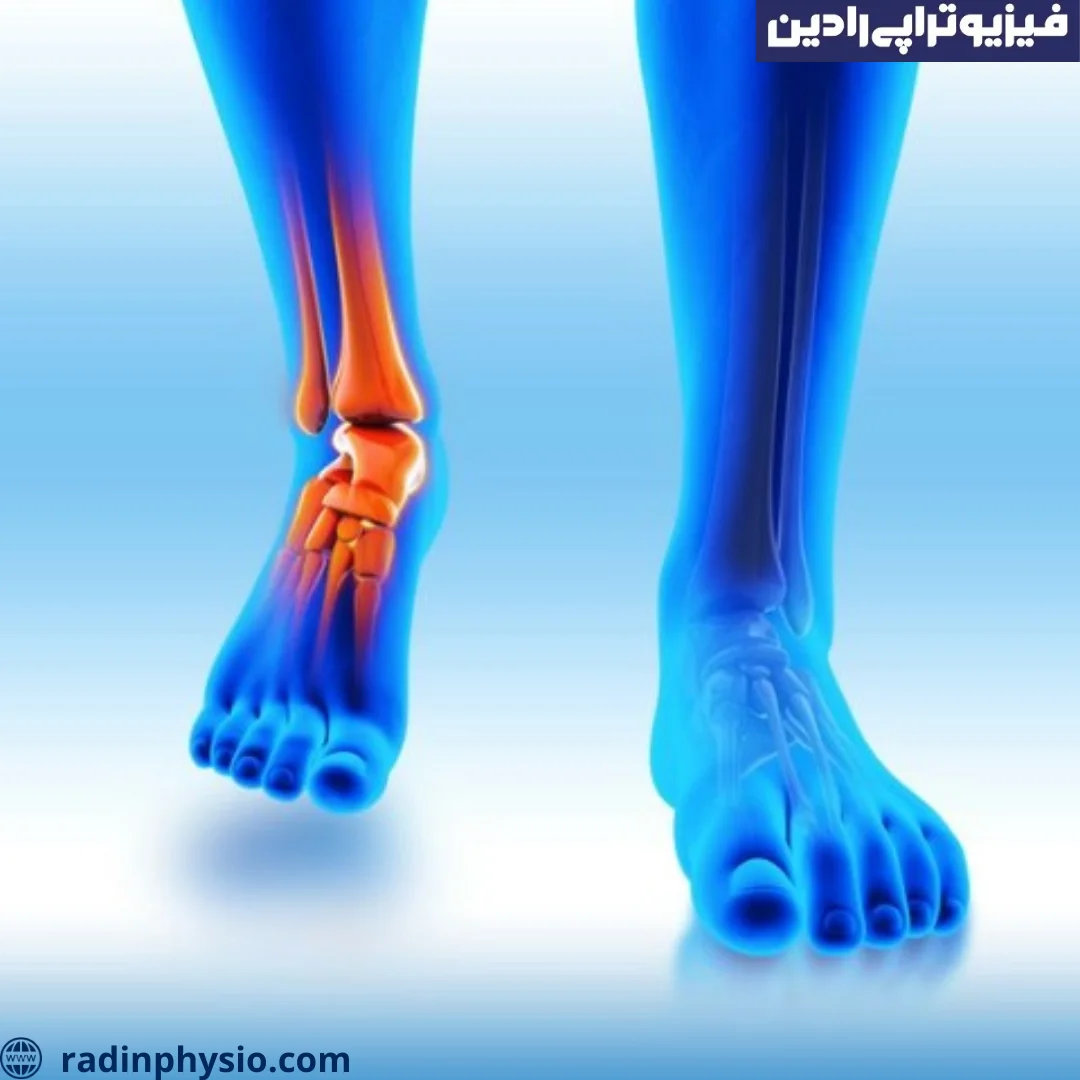
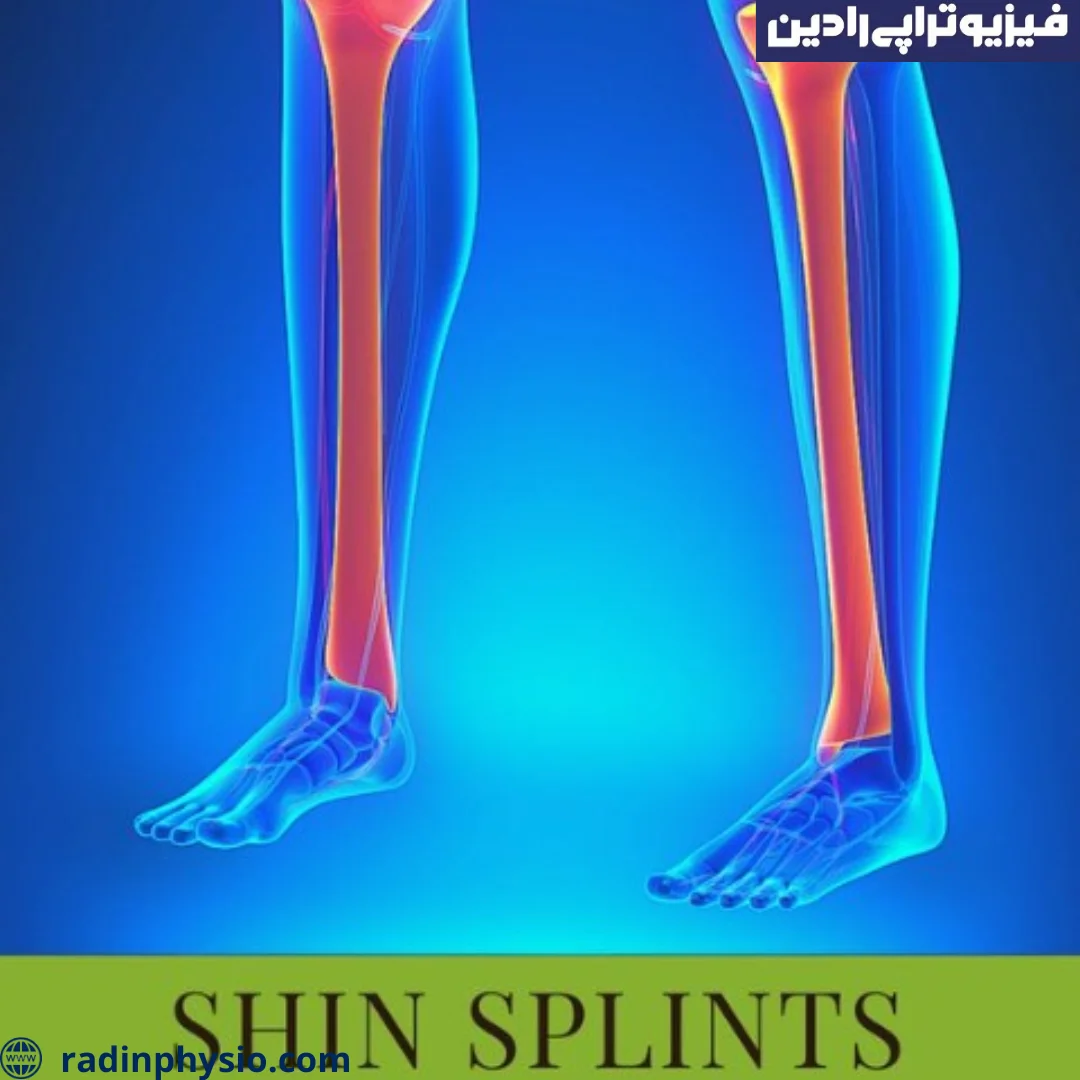
How shin splint physiotherapy helps to treat this disease. Shin Splint (Shin Splint) is a general term that refers to the condition of pain and inflammation in the back of the leg, especially in the lower part of the leg (shin). This condition is usually common in athletes and people who do intense physical activity.
Shin splint is the result of repeated tension and stress in the muscles, bones and tissues around the shin bone. This situation may occur due to changes in the pressure and tension of muscles and peripheral tissues of the shin bone.
The causes of shin splints
- Excessive activity: Performing sports activities or exercises that require repetitive and intense movements of the foot and heel, including running, jumping, changing the direction and acceleration of sports, exercises on a hard surface and hard terrain. Shin should be splinted. For example, changing from a flat surface to hills or back to a flat surface after bumps.
- Using the wrong shoes: Using shoes that have insufficient support for the feet and heels can accelerate this condition. Shoes that put undue pressure on the foot and heel or are less efficient at absorbing shock may increase the risk of shin splints.
- Muscle weakness: Weakness in the foot and heel muscles can put more pressure on the shin bone and cause shin splints. The weak muscles of the foot and heel cannot fully relieve the pressure and tension, and therefore the bone and surrounding tissue may be severely stressed.
- Poor posture: Lack of adequate posture, insufficient flexibility, improper preparation before activity and muscle imbalance can lead to shin splints. Heels, such as hyperpronation, a low forefoot (flat forefoot), or a very high arch (sloped forefoot), are prone to shin splints.
If you are experiencing shin splint symptoms, it is recommended to see a doctor or sports specialist to determine the correct diagnosis and appropriate treatment for you.
shin splint symptoms
Symptoms of shin splints usually appear on the back of the foot, especially on the lower part of the foot (shin). Some of the symptoms of shin splints are:
- Pain: Pain may be felt in the back of the foot in general and in the area around the shin bone in particular. This pain may be sharp, mild or chronic, and usually worsens after starting sports or vigorous exercise.
- Swelling: In some cases, the back of the foot may swell. This swelling may be accompanied by pain and is a sign of inflammation in the desired area.
- Discomfort and pain after activity: Shin splints are usually seen in a more severe form after sports activity or intense training. Pain and discomfort may continue for a long time after the end of the activity.
- Tenderness and tactile pain: The back of the foot and shin bone may be sensitive to touch and the pain may worsen when pressure is applied to it.
- Weakening of function and drooping: If the shin splint is advanced and does not receive proper treatment, the motor function of the leg may decrease and a sensation of drooping may occur in the affected area.
Shin splint treatment methods
Treatment for shin splints usually involves a combination of non-surgical methods. In the following, we mention some shin splint treatment methods:
Rest and reduce activity
The first step in treating shin splints is to rest from activities that aggravate symptoms. Avoiding activities such as jogging or vigorous exercise will help facilitate rest and healing of the shin splint.
Ice compress
Using ice packs on the back of the leg can be effective in reducing the inflammation and pain of the shin splint. This method can be repeated several times a day for 15 to 20 minutes.

Changes in the type of shoes
Using the right shoes with proper foot and heel support can ease the pressure and improve the shin splint. Shoes with features such as strong support for the arch of the foot, suitable for preventing impact, and enough room for foot flexibility can be suitable.
Physiotherapy
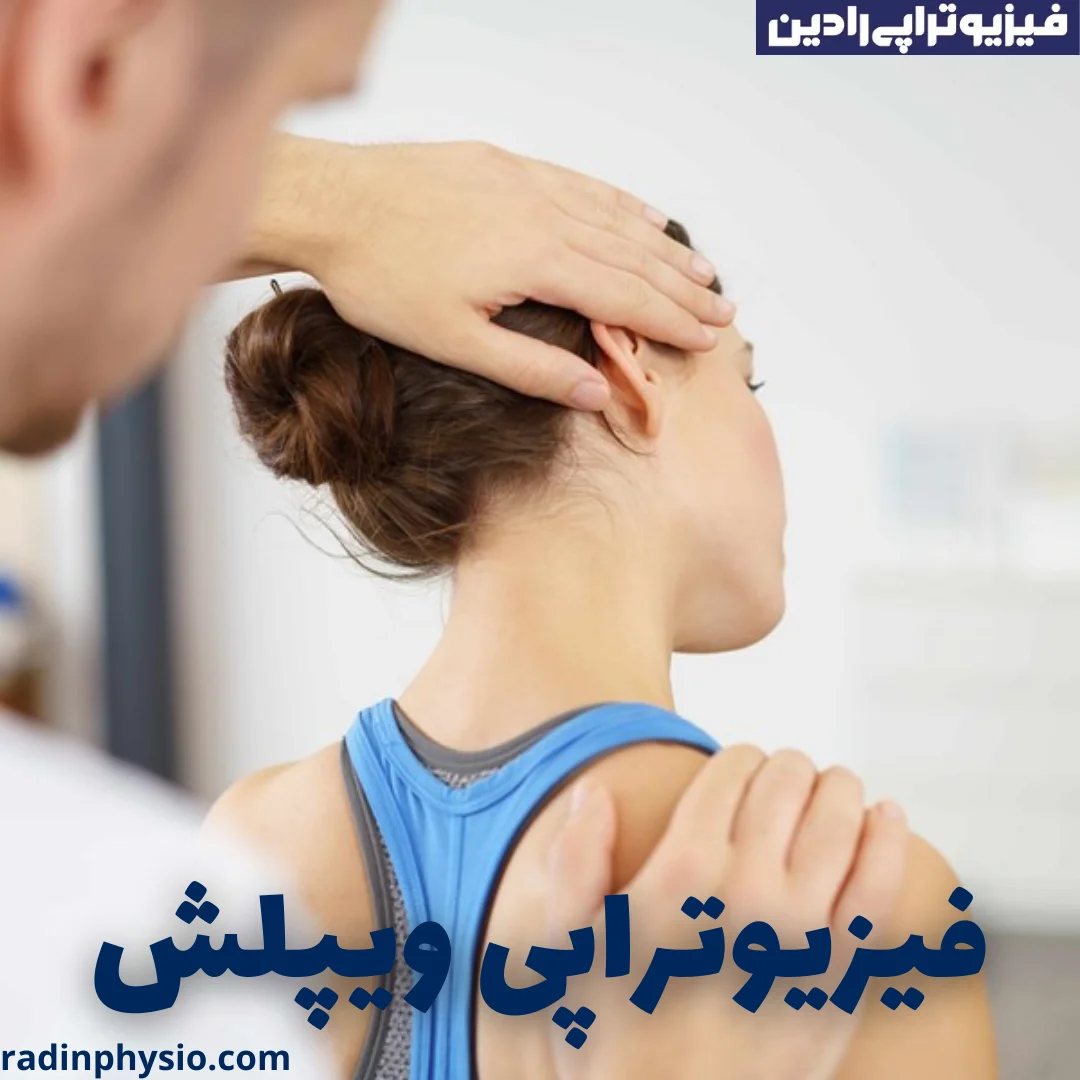
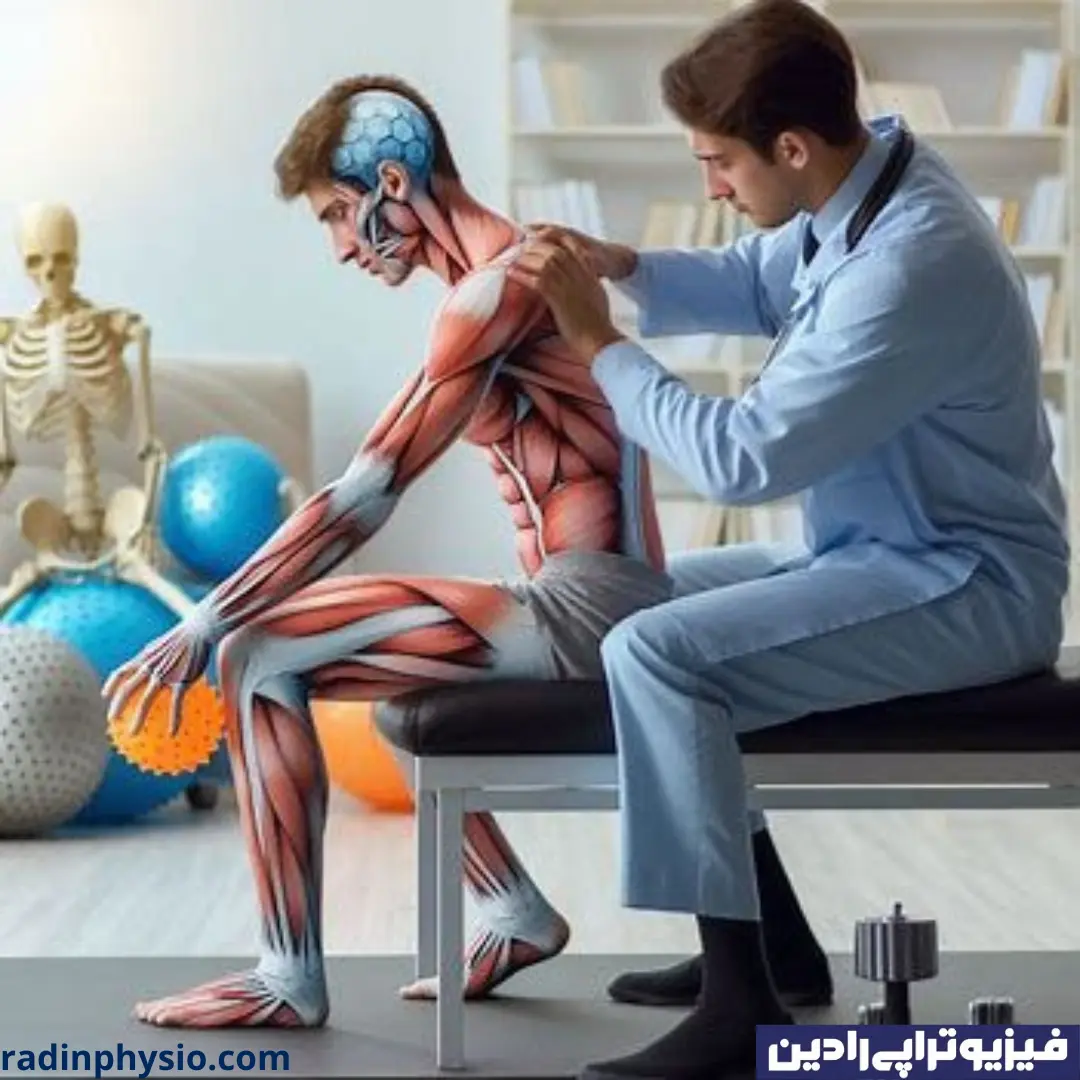
Physiotherapy sessions can include leg muscle strengthening exercises, muscle stretching, corrective exercises and physical therapy including electrotherapy, massage and other treatments. These methods help strengthen muscles, improve flexibility, and reduce pain.
Using Backers
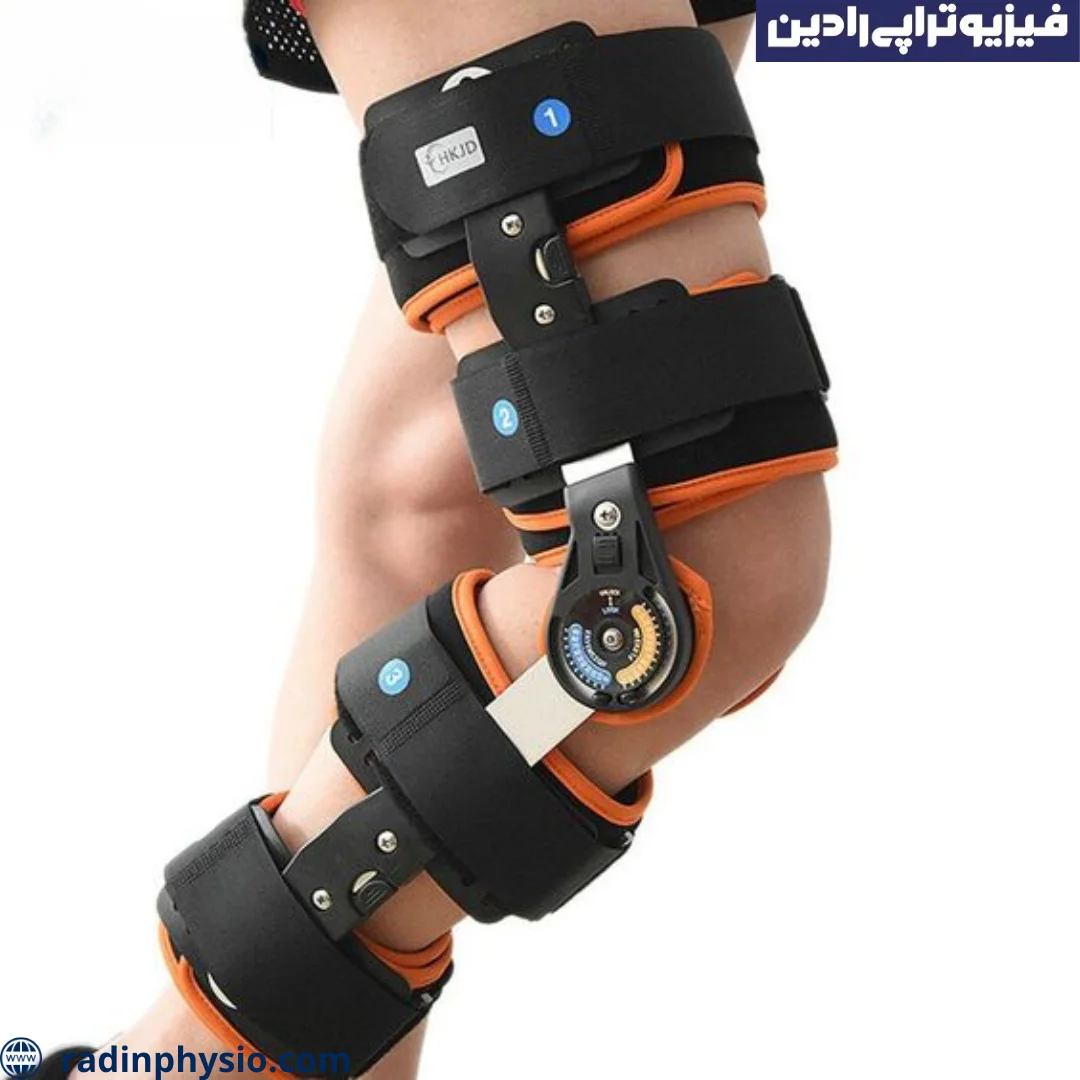
Using supports and braces on the area under investigation can help reduce pressure and tension on the shin bone and lead to faster healing.
laser therapy
In some cases, treatment methods such as laser, short wave and sound waves can be effective in improving shin splints.
In more severe cases or in cases where non-surgical treatment does not give a favorable result, the doctor may recommend surgery. However, surgery is used in some rare cases and is usually performed in advanced and chronic stages of shin splints.

Viotherapy shock in shin splint treatment
Shockwave therapy is one of the treatment methods used in the treatment of shin splints. This treatment method uses high-pressure sound waves to stimulate and improve the natural healing processes in the treated area. Viotherapy shock treatment is generally affected by the following aspects:
reducing inflammation
Viotherapy shock can help reduce inflammation in the treated area. These high-pressure sound waves stimulate and activate the body's natural healing processes that help reduce inflammation and pain.
facilitating texture improvement
Viotherapy shock can have direct effects on damaged tissue. These sound waves cause mechanical stimulation in cells and tissues and accelerate healing processes.
Pain Reduction
Viotherapy shock can facilitate healing and pain reduction in the treated area. These high-pressure sound waves can act as a type of analgesic and reduce pain.
facilitating functional improvement
Viotherapy shock therapy can facilitate improvement in motor function. By improving pain and inflammation and stimulating healing processes, the function and usability of the treated area improves.
high power laser in shin splint treatment
High-Intensity Laser Therapy is one of the treatment methods used in the treatment of shin splints. This method uses high-powered laser light to induce healing in the treated area. Below are some of the effects and benefits of high power laser in the treatment of shin splints:
- Inflammation reduction: High power laser can help reduce inflammation in the treated area. High-powered laser light penetrates cells and tissues and reduces inflammatory processes.
- facilitating tissue recovery: high-powered laser can have a direct effect on affected and damaged tissue. Laser light increases tissue repair and regeneration, strengthens cell function, and increases collagen production. Pain reduction: High-power laser can facilitate healing and pain reduction in the treated area. High power laser light can act as an analgesic and stimulate pain nerves.
- Improving motor function: High power laser treatment can facilitate the improvement of motor function. By improving pain and inflammation in the treated area, the function and usability of the treated area improves. Painless and non-invasive: High-power laser is a non-invasive method that generally works without pain and damage to the surrounding tissues. This method can produce favorable results in achieving shin splint improvement without the need for surgery.
Electrotherapy in shin splint treatment
Electrotherapy is another treatment method that may be used in the treatment of shin splints. This treatment method includes the use of electric current as a therapeutic tool. Electrotherapy may be applied directly to the treated area or indirectly through treatment electrodes.