
Physiotherapy for heel fracture
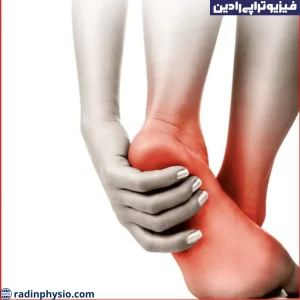
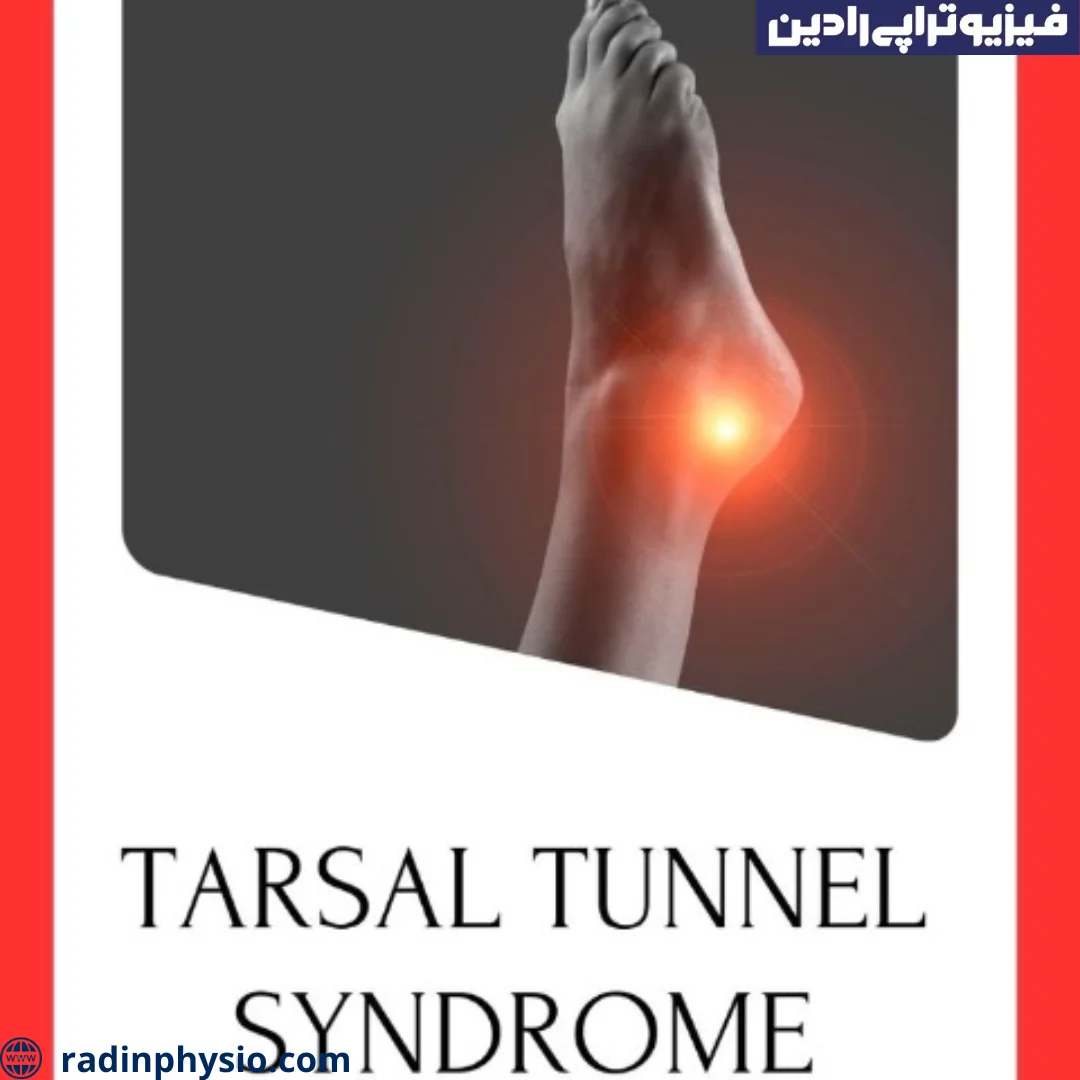
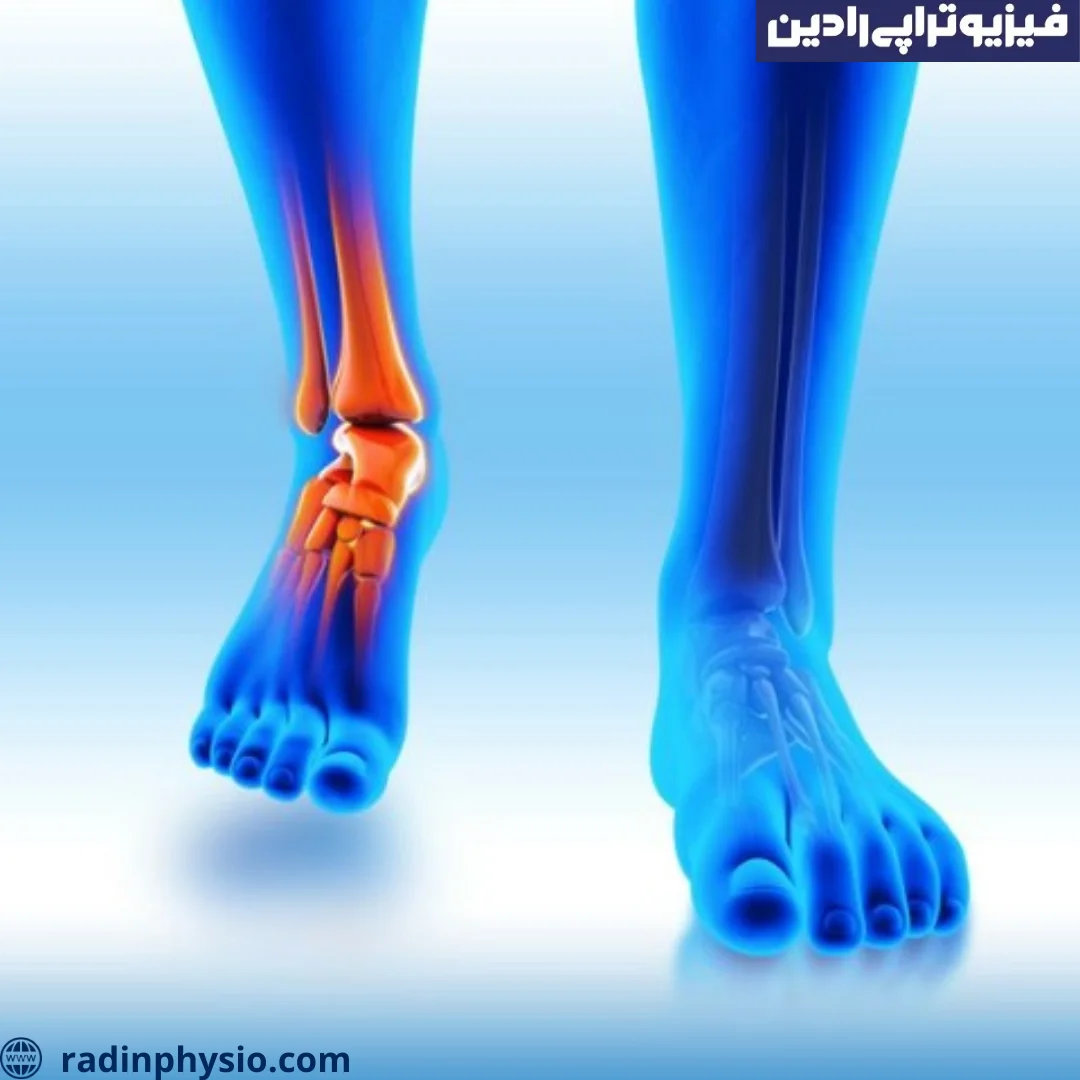
A heel fracture can occur from a direct blow, excessive pressure, a fall, or improper use of the foot. This type of fracture is usually accompanied by severe pain, swelling, bruising and inability to move the broken part. In some cases, the broken bones may appear visibly.
To diagnose a heel fracture, the doctor usually uses various methods such as medical history, physical examination, X-ray, and may also use imaging tests such as CT scan or MRI.
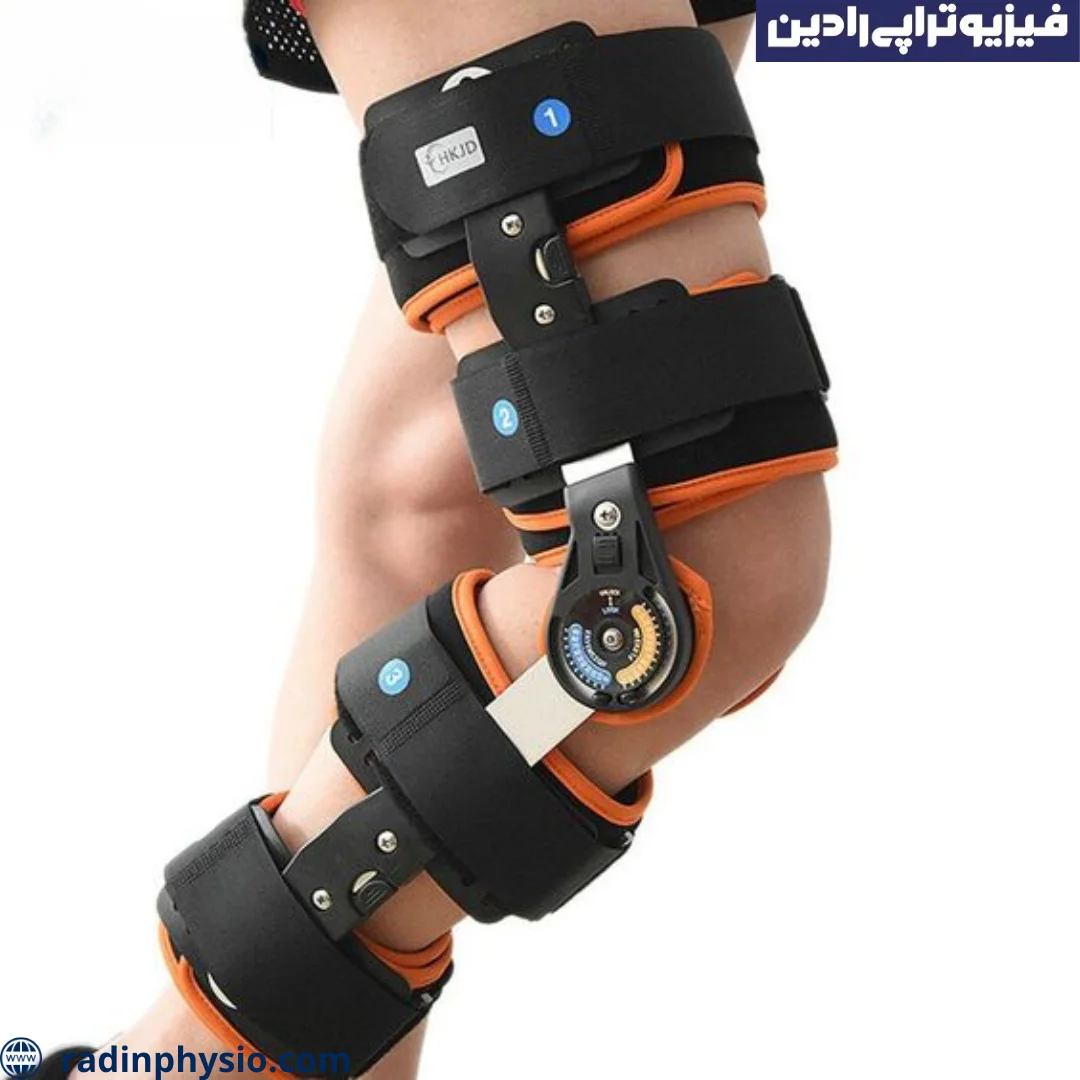
Treatment of heel fracture depends on factors such as the location and severity of the fracture, the condition of the bones, and the needs of the individual. Treatment may include the use of bone grafts, the use of nuts and screws, the use of balances and heel braces, and sometimes surgery. Also, depending on the type of fracture and the doctor's recommendation, a person may need to use a splint or a wheelchair.
It is important to see a doctor quickly in case of a heel fracture so that an accurate diagnosis and appropriate treatment can be applied to prevent further complications.

What are the types of heel fractures?
Heel fracture can occur in different types. Below, we mention some types of heel fractures:
Calcaneus Fracture
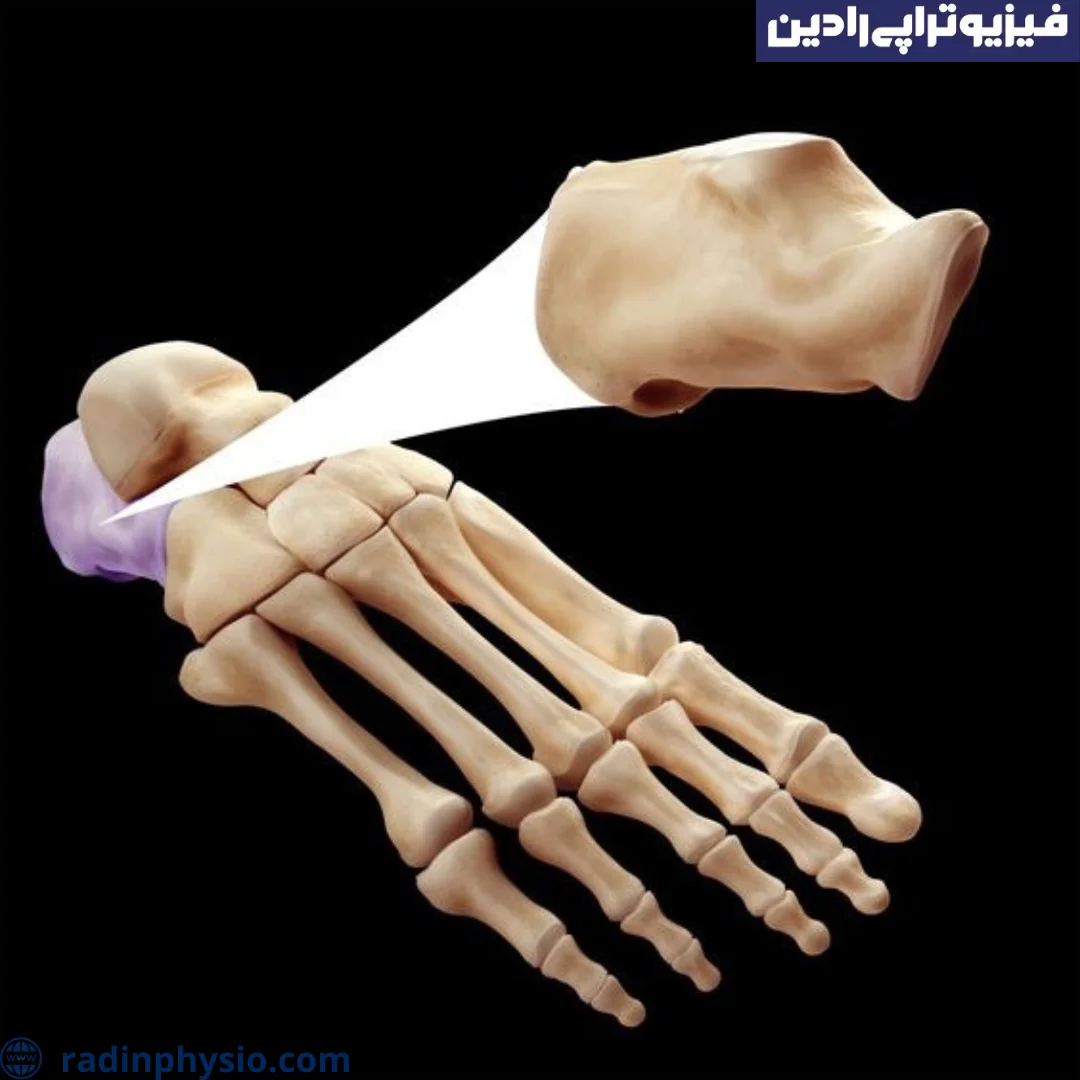
Cube bone is a large bone located in the back part of the heel. Fractures in this bone may occur due to falls from a height, car accidents, direct impact, or excessive pressure. This type of fracture is usually associated with swelling, severe pain in the back of the leg, and bruising.
Fractures of Bones Connected to the Calcaneus
The cuboid bone connects to other bones in the foot, such as the talus and calcaneus. A fracture in any of these bones can occur and have symptoms and pain similar to a cuboid fracture.
Stress Fracture
The fracture of the bone of the area connected to the heel may occur as a result of pressure and repetition of sports activities, or through improper use of the foot. This type of fracture usually begins with a slow and gradual pain in the heel area and worsens with continued activity.
Avulsion Fracture
In this type of fracture, a part of the heel bone is separated from the bone due to strong tensile force. This type of fracture usually occurs as a result of sports activities or sudden movements.
Intra-articular fractures
Intra-articular fractures in the heel can occur in different joints. Below, we mention some types of intra-articular fractures in the heel:
Talus Fracture
The talus bone or ankle bone is a large bone that is located between the cuboid bone and the vulnerable bone (heel area). Fractures in the talus bone may occur due to a fall from a height, direct impact, or excessive pressure. This type of fracture is usually associated with severe pain, swelling, and limitation in movement of the talus joint.
Fractures of Articulating Bones

Fractures of the Metatarsal Bones
The upper calcaneal bones, the bones at the front of the heel, may be fractured. These fractures may occur due to direct impact, high pressure or repetitive stress on these bones. The symptoms include pain, swelling, and bruising in the fracture area.
Diagnosis and accurate treatment of all types of intra-articular fractures in the heel requires a visit to a specialist doctor. Using X-ray, CT scan and physical examination, the doctor will confirm the diagnosis and determine the appropriate treatment plan. This may include bone grafting, surgery, support devices such as heel splints, and physical therapy.
Read about fracture of the sole of the foot (metatarsal bone).
Extrusion Fractures
Dislocation Fracture is a type of fracture that occurs when the bones move out of the joint. In this type of fracture, the bones are not only broken, but also moved out of their normal position in the joint. This can occur due to severe trauma, excessive pressure, or incorrect movement of the joint.
Dislocation fractures can occur in any joint of the body, but they can also occur in the heel. Some of the protrusion fractures in the heel are:
subtalar dislocation
In this type of dislocation fracture, the subtalar joint, which is located between the cuboid bone and the talus bone, is displaced. This usually occurs due to severe trauma or sports accidents.
Talocalcaneal Dislocation
In this type of dislocation fracture, the joint between the talus bone and the cuboid bone (talocalcaneus) is displaced. This type of fracture usually occurs due to strong impact or high pressure on the joint.
Talonavicular Dislocation
In this type of dislocation fracture, the joint between the talus bone and the navicular bone (talonavicular) is displaced. This type of fracture usually occurs due to severe trauma or excessive pressure on the joint.
A dislocation fracture requires immediate medical attention. In most cases, the dislocated joint must be repositioned to allow the bones to return to their proper place in time. Then, depending on the severity of the fracture, the doctor may recommend surgery, the use of support devices such as heel splints, physical therapy.
Tension or stress fracture
Stress Fracture is a type of fracture that is caused by repeating small and frequent stresses on the bone. In this type of fracture, the bone is subjected to repeated pressure and loses its ability to bear it, which leads to fracture. This type of fracture usually occurs as a result of sports activities or long-term pressure on the bones.
The causes of stress fracture include the following:
- Sports activities or long-term stress: Excessive use of bones in sports activities such as running, jumping, long-term walking or repetitive movements can cause stress fractures.
- Changes in the level and type of activity: Starting or increasing sports activities without sufficient preparation, changing the type of surface, speed or intensity of activity suddenly can also cause stress fractures.
- Muscle weakness: Weakness of the muscles around the bones can increase the pressure on the bones and accelerate a stress fracture.
Symptoms of a stress fracture include mild to severe pain in the affected area, pain for a long time after activity, tenderness and swelling of the fracture site. If you see these symptoms, it is important to see a doctor. Diagnosing a stress fracture is usually done using medical history, physical examination, X-rays, and in some cases, diagnostic tests such as MRI. Treatment of stress fractures includes rest from heavy activities, use of water therapy, use of support devices such as heel splints, and in some cases, the use of special shoes. Also, an exercise and physical therapy program can be useful to strengthen the muscles around the bones and prevent the recurrence of stress fractures. Your doctor can provide more detailed guidance for your treatment and recovery.

What are the symptoms of heel fracture?
Heel fracture may be associated with the following symptoms:
- Severe pain: Severe and sudden pain in the heel area, especially when walking and putting weight on the foot
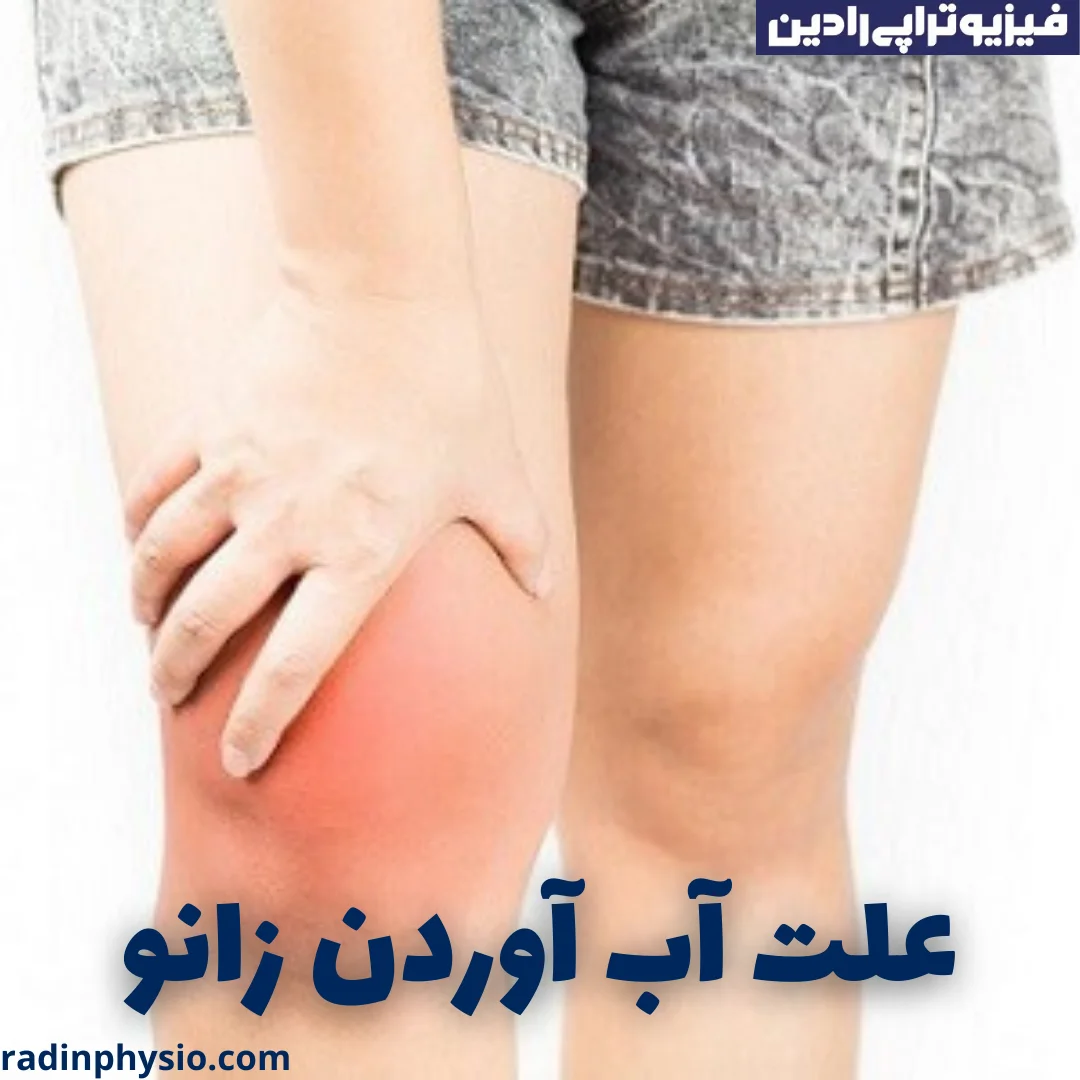
- Swelling and redness: The heel may become swollen and red due to injury and inflammation in the fracture area.
- Limited movement: Heel fracture It can lead to limited movement in the heel joint and cause difficulty in moving the foot.
- Inability to bear weight: If the heel is broken, you may not be able to put your weight on the foot and you will feel discomfort and pain.
- Stiffness in the back of the foot: You may also feel stiffness and stiffness in the back of the foot, which is an indication of a broken heel.
If you experience any of these symptoms, it is important to see a doctor to provide an accurate diagnosis and appropriate treatment. To diagnose a heel fracture, the doctor can use imaging methods such as X-ray or MRI and, if necessary, he will recommend you to see an orthopedic specialist.
What is the cause of heel fracture?
A heel fracture can occur due to a variety of factors, including:
- Direct blow: A direct and strong blow to the heel can cause a fracture. This may occur as a result of a fall from a height, car accidents, impact or sports accidents.
- Excessive force: Applying or applying excessive force to the heel may cause a fracture. This can be caused by intense sports activities such as jumping, running on hard surfaces, long walks.
- Incorrect use of the heel: Incorrect use of the heel can cause weakness and damage to the bones and soft skin of the heel, resulting in fractures. This can happen to people who wear shoes that don't fit or have insufficient support.
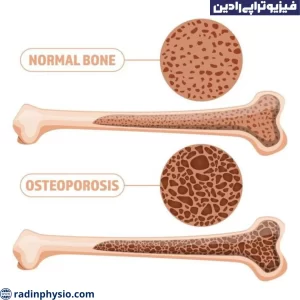
- Specific medical conditions: Certain medical conditions can increase the risk of heel fractures. For example, people who suffer from diseases related to bones, such as osteoporosis or rheumatoid arthritis, may be more susceptible to heel fractures.
It is important to know that these are only some of the causes of heel fractures, and other factors may also play a role in the occurrence of this type of fracture. If you experience a heel fracture, visiting a specialist doctor can diagnose and treat this problem.
What are the consequences of heel fracture?
A heel fracture may cause the following complications and problems:
- Severe and chronic pain: A heel fracture is usually associated with severe pain. This pain may decrease drastically over time, but in some cases it can remain chronic.
- Swelling and inflammation: A fractured heel can lead to swelling and inflammation in the injured area. This may cause restriction of movement and tightness in the shoe.
- Functional failure: Heel fracture can lead to foot functional failure. This problem can cause limited movement, reduced ability to move and perform daily activities.
- Infection: In some cases, a heel fracture may cause infection to enter the fracture site. This can lead to symptoms such as swelling, pain, redness and fever. To prevent infection, it is important to get the necessary treatment and follow your doctor's recommendations.
- Bone problems: Heel fractures may cause bone problems such as reluctance to repair the bone, bone alignment, and the need for re-surgery.
- Psychological and social effects: Heel fractures may limit daily activities, loss of independence, and experience depression and anxiety.
The importance of proper diagnosis and treatment of heel fracture is very important in order to prevent further complications and problems. The best solution for correct diagnosis and treatment of this problem is to see a specialist doctor.
How to diagnose heel fracture
Diagnosis of heel fracture is usually done by an orthopedic doctor or orthopedic surgeon. To diagnose a heel fracture, the doctor may use the following methods and tests:
- Disease history: The doctor will first assess the history of your disease and ask questions about the symptoms, time and intensity of pain, the occurrence of trauma or injury, and the history of previous diseases related to bones and feet. does He or she may check for swelling, redness, tenderness, and other side effects.
- Imaging: To confirm the diagnosis of a heel fracture, the doctor may use imaging methods. It includes X-rays and magnetic resonance imaging (MRI). X-rays can help identify the broken bone and the location of the fracture, while an MRI can provide more information about soft tissues such as blood vessels and joint tissues.
- Additional tests: In some cases, the doctor may order some additional tests, such as blood tests to assess how strong the bones are and other tests needed. And it is done by an orthopedic doctor. Based on the received diagnosis, the doctor will set up the right treatment plan for you.
Non-surgical treatment of heel fracture

Non-surgical treatment of heel fracture usually depends on the type and severity of the fracture, accompanying other complications, and the doctor's recommendations. Non-surgical treatment includes the following:
- Rest and standing: Depending on the severity of the fracture, the doctor may recommend that you do not walk much and avoid heavy exercises and excessive pressure on the foot. The use of assistive devices such as crutches can also help.
- Bandage and Splint: The doctor may recommend a bandage or splint for strengthening and the use of crutches to properly stabilize the leg. These aids can take pressure off broken bones and speed healing.
- Ice compress: Applying an ice compress to the injured area can reduce swelling and pain. But the doctor's order should be followed.
- Medications: If necessary, the doctor may prescribe nonsteroidal anti-inflammatory drugs (NSAIDs) such as ibuprofen to reduce pain and control inflammation.
- Physiotherapy: After a while when movement is allowed, physical therapy can be helpful. Strengthening exercises, flexibility exercises and balance exercises can facilitate the improvement of leg movement and strength.
- Adequate diet: Consuming foods rich in calcium and vitamin D can help improve bone healing. Consuming nutritious foods such as fruits, vegetables, fish and dairy products is also recommended.
Treatment of leg fracture with surgery
Treatment of a leg fracture with surgery may be necessary in cases where the fracture is severe, the strength of the bones has been unacceptably reduced, or in cases where non-surgical treatment has not yielded satisfactory results. Surgical treatment can include:
- Internal fixation: This procedure involves the use of metal screws, plates, or pins that are placed into the bones to hold them in the correct position and help the bone heal. This procedure is usually used for fractures that occur in the heel or knee area.
- External fixation surgery: In this procedure, they place the bones in the correct position and keep them during the healing process. This procedure is usually used for fractures that occur in the leg area.
- Bone reconstruction surgery: In some cases, bone reconstruction surgery may be necessary. This method involves moving the broken parts of the bone, using restorative techniques such as bone grafting or using artificial bone artifacts.
- Shape correction surgery: In some cases, fractures that cause severe deformity of the foot require a shape correction surgery. In this procedure, the bones are placed and the proper structure of the foot is restored.
After surgery, physical therapy and rehabilitation exercises are usually recommended to strengthen the muscles and movement of the foot and facilitate recovery. Also, it is very important to follow the doctor's recommendations after surgery, such as using crutches, changes in diet and proper care.
What are the methods of physiotherapy for heel fracture?
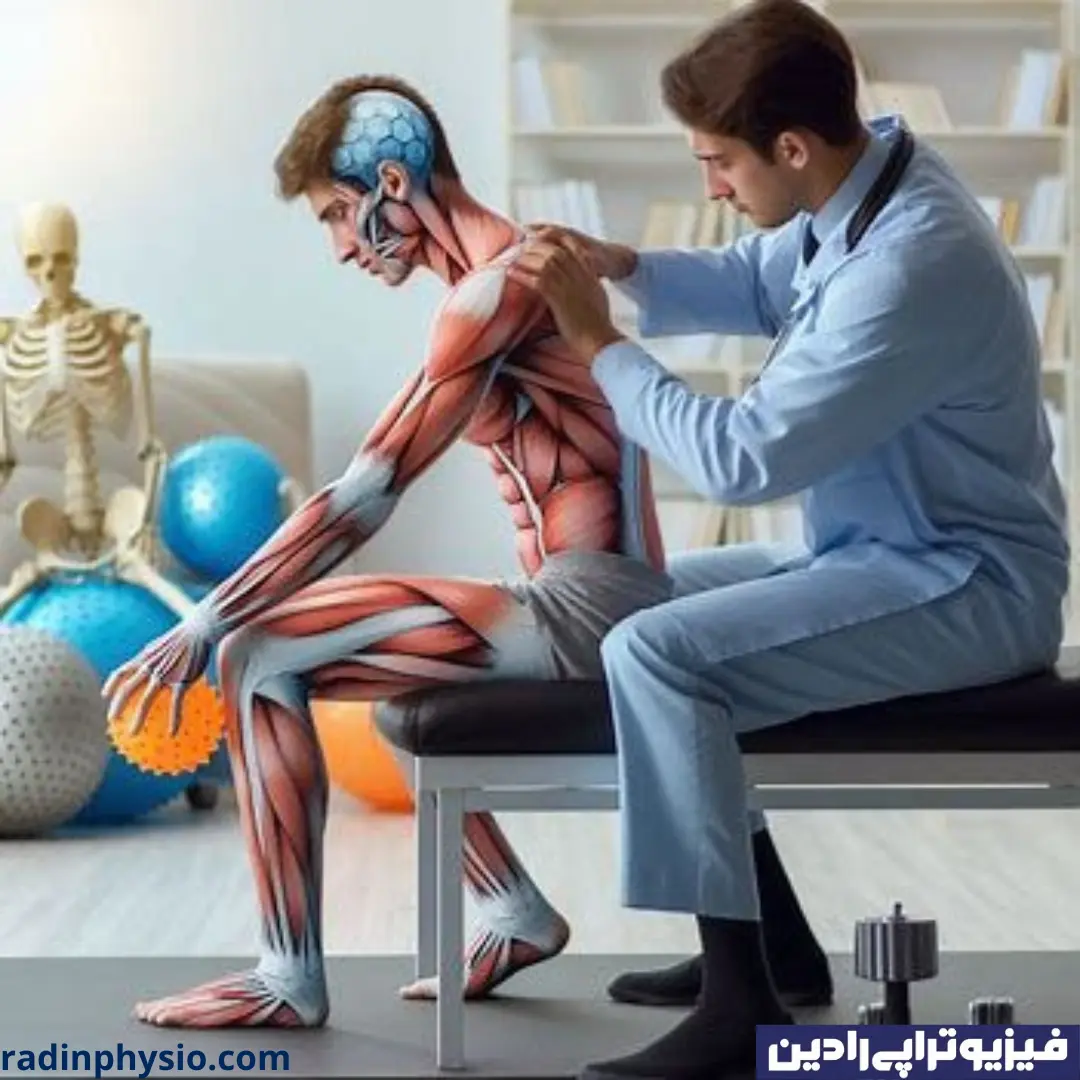
Physiotherapy for heel fracture is done in order to improve muscle strength, increase range of motion, improve balance and return to daily activities. There are different methods for heel fracture physiotherapy, which can be mentioned as follows:
- Muscle strength and endurance exercises: These exercises include resistance exercises such as weight lifting movements or using special resistances. These exercises help to strengthen leg muscles and increase their endurance. Flexibility exercises: Doing flexibility exercises such as stretching muscles, stretching and using massage techniques to increase the flexibility of muscles and joints. These exercises can help improve the range of motion of the foot. Balance and quartz exercises: Exercises that help improve balance and quartz are useful for recovery after a heel fracture. This includes exercises such as standing on one leg, doing balance exercises and using a balance ball.
- Hydrotherapy: Physiotherapy in water (hydrotherapy) can be suitable for heel fractures. Water as a weightless medium, hydrostatic pressure and relaxing properties on bones and muscles can be useful in recovery and rehabilitation exercises.
Physiotherapy exercises for heel fracture should be determined and supervised by a professional physiotherapist. Before doing any physical therapy exercises for a heel fracture, it is important to consult your doctor and get his or her instructions. Based on the details of the fracture, individual factors and your condition, your doctor can prepare and guide you with the appropriate physical therapy program.
Endnote
Physiotherapy plays a very important role in the healing and treatment of heel fractures. Physiotherapy includes strengthening and flexibility exercises and techniques that accelerate healing and help reduce symptoms and pain. Usually, the physiotherapist will prescribe specific exercises for you to do on a regular basis. شما می توانید با کلینیک تخصصی رادین تماس حاصل فرمایید تا با رزرو وقت با همکاری کادر مجرب مجموعه به بهبود خود با تکنیک ها و مجهزترین تجهیزات سرعت بخشید.
همچنین میتوانید از خدمات فیزیوتراپی شکستگی پا با بیمه آسیا نیز بهرمند شوید.