به یاد فرزندان جاویدان این سرزمین

یادشان همواره در قلب این خاک زنده خواهد ماند

Lumbar sprain: the best way to treat sprain
مقاله تخصصی

Lumbar sprain: the best way to treat sprain

3 weeks ago
876 بازدید
Dr. Mehran Moradi

Dr. Mehran Moradi

Tehran

Neurosurgeon, spine, laser disc, brain and skull base endoscope

سرخوردگی مهره‌

سرخوردگی مهره کمر: بهترین روش درمان سرخوردگی مهره

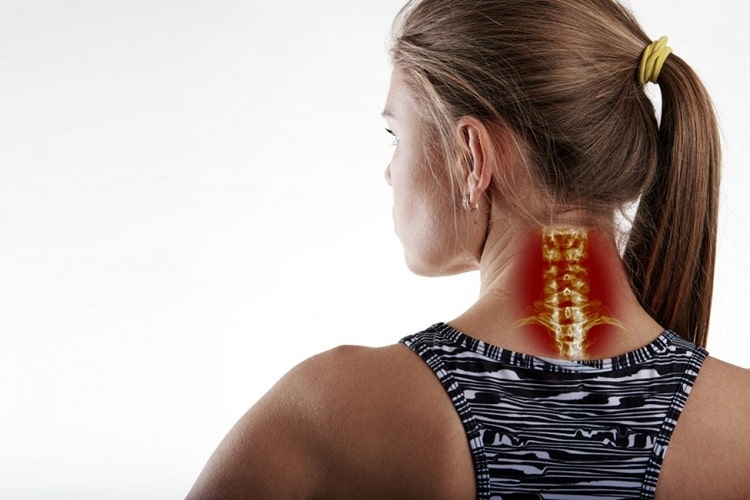
سرخوردگی مهره‌ کمر زمانی اتفاق می‌افتد که یکی از مهره‌ها از موقعیت طبیعی خود در ستون فقرات جابه‌جا می‌شود، که به علت فشار بیش از حد، آسیب یا مشکلات مرتبط با دیسک‌ها رخ می‌دهد. This condition can cause severe pain and significant movement limitations. In this article, we have examined the symptoms, causes and treatment methods of this problem. Reading the rest of the article will give you the opportunity to learn about prevention methods and effective solutions for pain management and take appropriate measures to maintain the health of your spine.

Lower back sprain: the best way to treat back sprain

What is lumbar vertebra slipping?

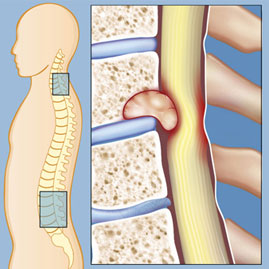
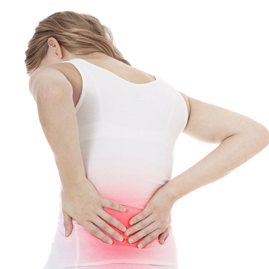
One of the problems that arise for the spine is lumbar vertebra frustration. This complication can lead to severe pain and discomfort, and in some cases, it can make it difficult for a person to move. A sprain occurs when the vertebrae in the back become unstable and constantly shift, putting too much pressure on the lower vertebrae.

Vertebral instability causes severe pain in the lower back and legs, especially when walking. In such a situation, it is necessary to see a doctor so that an accurate diagnosis can be made and appropriate treatment can be started. Lumbar sprain is one of the common spinal problems, which in many cases can be treated without surgery and through non-invasive methods.

Exercise and physiotherapy are one of the most important treatment solutions to control this problem. The remarkable thing is that some people live with this condition for years, but they are unaware of its existence. This disease is more common in people over 50 years old, but it can also occur in younger people. Also, some people, such as athletes in disciplines such as athletics, are more exposed to this complication.

Lumbar sprain can have many symptoms, the most important of which are severe pain in the back, pelvis, and legs, numbness in the lower limbs, and stiffness in the back muscles. In the following, we will examine these symptoms in more detail.

What can be the symptoms of slipping spinal vertebrae?

Most cases of vertebra slippage are not associated with any symptoms and the patient only notices the displacement of the vertebrae when the dislocation of the vertebra is seen in the radiograph taken to diagnose other complications. In any case, the common symptoms of vertebrae slipping are:

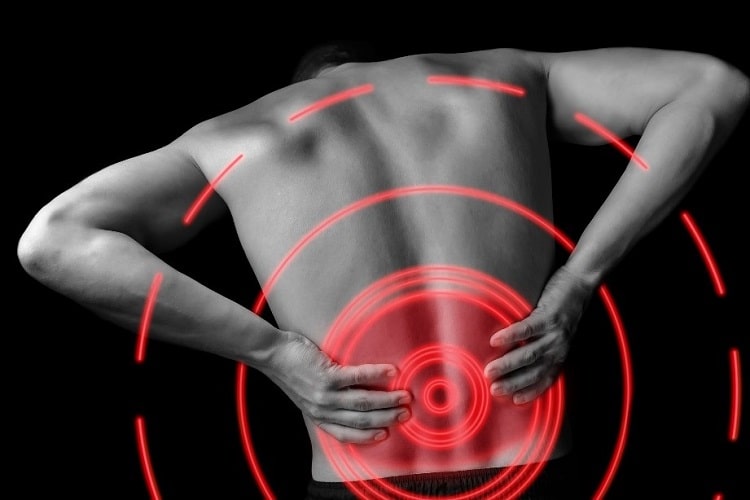
  • lower back pain, especially after exercise
  • Increasing waistline
  • Pain or weakness in one or both thighs or legs
  • Decreasing the patient's ability to control bowel and bladder function
  • clamping and contraction of hamstring muscles
  • Severe spondylolisthesis causes changes in the prevalence of standing and walking of the patient, for example, the patient walks like a duck. Because in this case, the forward curve of the waist increases, the stomach comes forward. The upper body (chest, etc.) looks shorter, and the problem of spasms and cramping of the lower back muscles occurs.

Methods for diagnosing lumbar vertebrae dislocation

Diagnosis of lumbar vertebra dislocation requires careful examination of symptoms and specialized tests. In the early stages, the doctor makes a general assessment by taking the patient's history and checking for symptoms such as back pain, numbness in the legs, or muscle weakness. Also, checking the medical records and the amount of pain in different conditions can help in the diagnosis.

After the clinical examination, imaging tests are prescribed to check the condition of the vertebrae more closely. One of the most common methods is X-ray imaging, which enables the observation of changes in the structure of the spine. In some cases, an MRI is used for more detail, which can clearly show the condition of the discs, nerves, and surrounding tissues. CT Scan is also a method that provides more detailed information about the displacement of the vertebrae.

Methods of detection Lumbar sprain

In addition to imaging, in some cases, neurological tests such as electromyography (EMG) are performed to check the function of nerves and the amount of pressure on them. This method helps the doctor to find out if the dislocation of the vertebra has caused nerve damage or not.

The combination of these diagnostic methods helps the doctor to determine the type and severity of vertebral dislocation and to consider a suitable treatment plan for the patient. If this complication is confirmed, depending on the extent of displacement of the vertebra, treatment methods are recommended according to the patient's condition.

What are the types of lumbar vertebra frustratum and the cause of each occurrence?

Sliding of the lumbar vertebrae is divided into five main types

dysplastic spondylolisthesis

Dysplastic slippage is the result of a defect in the formation of a part of the vertebrae, called the facet, which causes the vertebrae to slide forward. Dysplastic depression is a congenital defect.

ischemic spondylolisthesis

The cause of ischemic slippage is a defect in a part of the vertebrae, called pars interarticularis. If this defect is not accompanied by slippage, the complication is called spondylolysis. Ischemic spondylolisthesis is the result of repeated injuries and is more common in athletes, such as gymnasts and football forwards, who perform movements with high stretching.

degenerative spondylolisthesis

The cause of degenerative spondylolisthesis is inflammatory changes in the joints of the vertebrae that occur due to the degeneration of cartilage and over time; With this description, the degenerative slip is acquired and is mostly seen in the elderly.

spondylolisthesis by trauma

Traumatic spondylolisthesis is the result of trauma or direct damage to the vertebrae. Fractures of the pike or pedicle, lamina or facet joints allow the anterior part of the vertebra to slide forward and be ahead of the posterior part.

pathological spondylolisthesis

The cause of pathological spondylolisthesis is a type of bone defect that is caused by bone abnormalities, for example, due to the presence of a tumor.

risk factors of lumbar vertebra dislocation

The risk of ischemic vertebral slippage can be attributed to various factors, including a family history of back problems. One of the factors that can lead to ischemic vertebral slippage is a congenital defect in the pars interarticularis bone of the spine (spondylolysis). This defect can increase the possibility of the vertebrae slipping.

Other factors can also contribute to the risk of ischemic vertebral slippage. Frequent injuries or severe stretching of the lumbar vertebrae are also factors. Athletes such as gymnasts, weightlifters, and football forwards who exert great force on the spine during stretching movements are more at risk of ischemic vertebral slippage. These athletes may injure their back vertebrae due to the heavy and frequent exercises they do, and this issue can facilitate the slipping of the vertebrae.

Therefore, a family history of back problems, spondylolysis, frequent injury or severe stretching of the lumbar vertebrae, and doing sports that require severe stretching of the spine can become risk factors for ischemic vertebral slippage.

What are the effects of sliding and shifting of the bones?

Symptoms of spondylolisthesis include chronic lower back or leg pain, numbness, tingling, or weakness in the legs. Severe compression of the nerves causes incontinence of urine or stool, although this problem is rare.

What is the prevalence of lumbar vertebra dislocation disease?

About 5-6% of men and 2-3% of women suffer from spondylolisthesis.

Sprained vertebrae are a common problem among people who do strenuous physical activities, such as weightlifting, gymnastics, or soccer.

Men suffer from the symptoms of this disorder more than women due to more intense physical activities.

Disease prevalence What is lumbar disc herniation? class=

Although some children under 5 years of age may have spondylolisthesis (slipped vertebra) in adults or may not even be diagnosed with spondylolisthesis, slippage of vertebrae in minors is considered a rare complication. Spondylolisthesis is more common in the age range of 7 to 10 years. During adolescence and adulthood, more physical activity along with wear and tear caused by everyday life causes the vertebrae to slip more frequently during these periods.

How are different degrees of disease diagnosed?

The symptoms of spondylolisthesis are usually not seen during the examination of the patient. Patients generally complain of back pain with intermittent leg pain. Vertebral slippage often results in spasms and muscle cramps or hamstring muscle contractions.

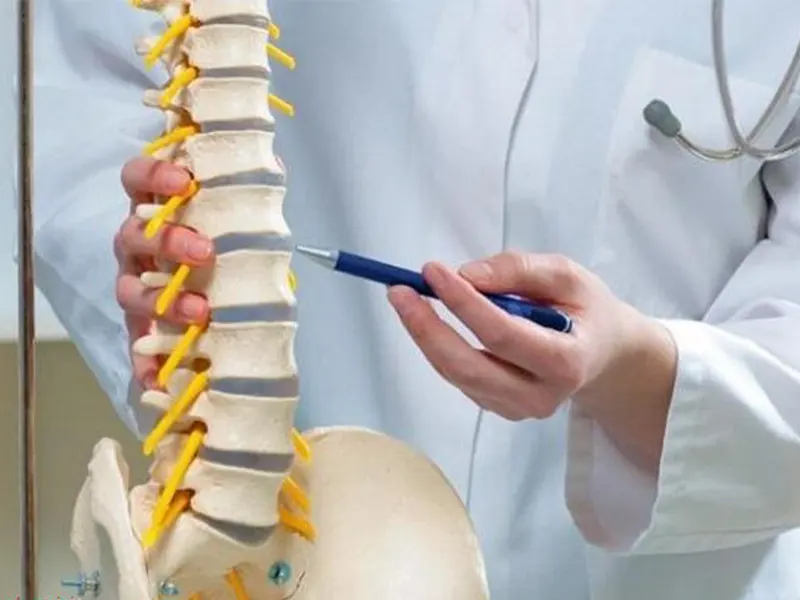
Sliding of the vertebra is easily detected in the radiograph. A lateral radiograph (from the side) shows forward sliding of one vertebra relative to the adjacent vertebra. Spondylolisthesis is graded according to the percentage of the vertebra slipping relative to the adjacent vertebra. The degree of slipperiness of the bead is as follows:

  • First grade: slip up to 25%
  • Grade 2: slippage between 26-50%
  • Grade 3: slippage between 51-75%
  • Grade 4: slippage between 76-100%
  • Grade 5 or spondyloptosis: the vertebra has completely fallen over the adjacent vertebra.

If the patient complains of pain, numbness, tingling or weakness in the leg, further investigations should be done. These symptoms can lead to the narrowing of the spinal canal or the narrowing of the space where the nerve roots of the legs are located. A CT scan or MRI can help diagnose nerve compression due to slipped vertebrae. If the bone is active at the defect site, a PET scan is performed for a more accurate diagnosis.

Home treatment for lumbar sprain

Many people believe that they can control their pain without going to the doctor and with home methods. For this reason, some people prefer to use home remedies for lumbar sprains and avoid going to a specialist.

Among the methods used in this field is walking. This method is one of the main recommendations of many modern and traditional medicine doctors, because it can help reduce the pressure on the spine. In addition to walking, using a warm compress is another common solution that helps relieve muscle cramps in the lower back. Some people also use thermal adhesives to reduce discomfort in this area.

Maintaining the correct position of the spine is also one of the things that should be considered. For this purpose, medical belts are recommended, because in addition to reducing pain, they help to keep the vertebrae in the right position. Also, heat therapy can increase blood flow in the affected area and reduce the patient's discomfort to some extent.

Massage is also one of the options used for people who suffer from this problem. In addition, due to its warming properties, olive oil can be effective in reducing the pressure of the vertebrae on the lumbar nerves. In spite of these methods, it is necessary for people who suffer from lumbar sprains, if the symptoms persist, they must be under the supervision of a doctor in order to avoid more serious complications.

treatment of fracture of the bone

The initial treatment of spondylolisthesis is conservative and is recommended based on the patient's symptoms. The usual process of treating slipped vertebrae is as follows:

Vertebral disorientation (listhesis) and its treatment is divided into 4 grades, which include the following:

Grade one (the vertebra above the bottom has moved up to 25%): The treatment is non-surgical unless there is pain radiating to the leg, numbness of the lower limbs that occurs after standing for less than 15 minutes, simultaneous rupture of the lumbar disc and back pain that is resistant to treatment, otherwise drug treatment, weight loss, lifestyle modification,

Non-surgical treatment methods for vertebral dislocation

Treatment of lumbar disc herniation (lumbar disc herniation) is often possible without the need for surgery. Common non-surgical methods for this problem include:

Rest: Reducing activities that aggravate the pain and getting enough rest can help improve lumbar sprains. Sleeping in a comfortable position and using a pillow to support the lower back is also helpful.

Drugs: Taking non-steroidal anti-inflammatory drugs (NSAIDs), pain relievers, and anti-inflammatory and antithyroid (anti-neurolytic) drugs are effective in reducing inflammation, pain, and controlling symptoms.

Physiotherapy and strengthening exercises: Physiotherapy includes exercises and techniques to strengthen back and abdominal muscles, improve back strength and flexibility, and reduce pain. Techniques such as massage, heat therapy and electrotherapy may also be used.

Local injections: Injection of steroids and analgesics into the pain area can reduce inflammation and pain.

Change in lifestyle: improving posture and walking, losing weight if necessary, changing movement patterns and doing physical activities regularly can help improve lumbar disc herniation.

It is always recommended to consult a doctor to determine the appropriate and customized treatment plan based on your specific situation.

Surgery of dislocation of vertebrae

If conservative treatment does not help relieve symptoms, surgery is recommended. The type of surgery depends on the type of slipped disc. The repair of the defective part of the vertebra or the repair of the pars bone helps to relieve the symptoms of patients with ischemic spondylolisthesis. If the MRI or PET scan shows that the bone at the defect site is active, it is likely that pars bone repair will lead to symptom relief.

Frustration surgery Mehreh

fusion interbody

ALIF, PLIF and TLIF surgeries are performed to treat slipped vertebrae. LIF Keyword

All three surgical methods ALIF, PLIF and TLIF have common goals which are:

  • Relief of pressure on spinal nerves (decompression)
  • aligning the vertebrae of the spine
  • Stabilize the spine

The surgeon can adjust the vertebrae if necessary. However, if the pressure is removed from the nerves and the spine becomes stable, the surgery is considered successful.

decompression

If there are symptoms in the legs, decompression surgery is performed to relieve pressure on the nerves so that more space is available for the roots of the nerves exiting the spinal cord. Decompression is often combined with fusion, and if necessary, screws are used to fix the vertebrae and weld them together.

During the decompression stage, the surgeon removes everything that presses on the nerve and produces pain. The type of decompression surgery depends on the structure of the spine that caused the neurological disorder. Pressing the nerve due to vertebra slippage originates from the following 4 factors:

herniated or bulging disc

The surgeon performs a discectomy to remove the part of the disc that is pressing on the nerve.

foramen narrowing

Spinal nerves leave the vertebrae in the space of the foramen and extend to different parts of the body. The forward sliding of the vertebra causes narrowing of the foramen. The surgeon performs a foraminotomy operation (creating more space for the placement of nerves in the foramen) or regularizing the vertebrae.

Central spinal canal stenosis

If the spinal cord or the spinal nerves do not have enough space along the spine in the spinal canal, the problem of spinal canal stenosis occurs. Surgeon Narrowness caused by the lateral retreat/piece of the Gill

Sliding of the vertebra is sometimes associated with breaking and separating a part of the facet joint, which is called the Gill part. Because the separated piece puts pressure on the nerves, the surgeon performs a facetectomy to remove this piece.

Removal of disc or other structures causes instability of the spine. If the surgeon left this gap in the spine, the function of the vertebrae would be impaired and it would no longer be able to support weight or prevent wear and tear when moving. To avoid this problem, the surgeon stabilizes the spine by performing a fusion operation. The surgeon fills this gap from the front, back or side with a bone graft. Bone graft is taken from the patient's own body (autograft) or donor body (allograft). Of course, artificial synthetic materials are also used to stimulate bone growth.

The bone graft fuses to the vertebra over time and becomes one with it. In order for the spine to be stable during fusion, the surgeon uses parts such as screws, rods, and cages to secure the spine.

Minimally-invasive surgery

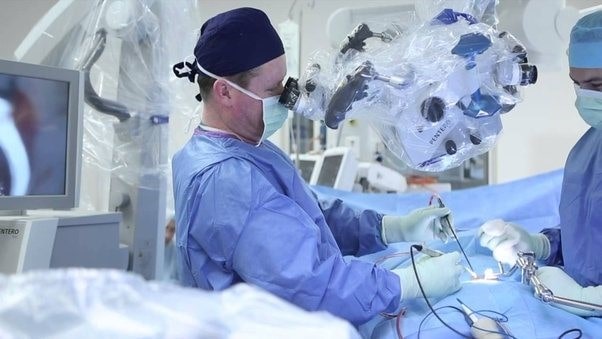
Minimally invasive surgery is a very effective treatment method for painful patients. Unlike old spine surgery methods that required a large incision, in minimally invasive surgery, multiple small incisions are made. Using a microscope and very small instruments, the surgeon performs decompression and fusion to treat the slippage of the vertebrae. Bleeding is less in minimally invasive surgery and this method does not require much cutting of muscles, ligaments and tendons. With this description, the hospitalization and recovery period of minimally invasive surgery is shorter.

All ALIF, PLIF and TLIF procedures can be performed minimally invasively. Many surgeons use a combination of open and minimally invasive procedures to treat spondylolisthesis, which is known as the "mini-open" method.

Benefits of Vertebral Dislocation Surgery

Surgery for lumbar disc herniation (lumbar disc herniation) can be an effective solution in cases where non-surgical methods have not been effective or the symptoms are severely and unbearably advanced. Some of the advantages of lumbar disc herniation surgery are:

Pain reduction: The main goal of surgery is to reduce pain and improve quality of life. By removing the pressure from the nerve roots and removing the source of the pressure, the pain and symptoms associated with lumbar disc herniation are reduced.

Improving movement and function: Surgery can help accelerate the improvement of movement and function in the lower back. By removing the pressure from the nerves and reconstructing the structures of the lumbar spine, the ability to move and perform daily activities is improved.

Improving neurological symptoms: surgery can improve neurological symptoms caused by compression of nerve roots, such as atrophy, muscle weakness, and decreased sensitivity.

Structure correction: This surgery can repair the damaged disc and restore the structure of the lumbar vertebra to its normal state.

Long-term improvement: In some cases, surgery can provide long-term improvement for lumbar disc herniation and reduce the likelihood of recurrence.

Finally, the decision to perform surgery should be made with the advice and recommendation of your treating physician.

Disadvantages of vertebral dislocation surgery

Each surgery has its own advantages and disadvantages, and lumbar disc herniation surgery is no exception. Some of the possible disadvantages of this surgery are:

Surgery risks: Like any other surgery, lumbar spine dislocation surgery is associated with risks such as bleeding, infection, damage to surrounding tissues and surgical complications. Symptoms such as infection, severe bleeding, swelling and severe pain after surgery require immediate medical attention.

Recovery time: Recovery after lumbar disc herniation surgery takes time. You need to rest to fully recover your body and it may take some time before you can return to your daily activities and work.

General risks of surgery: This surgery requires anesthesia, which may be associated with risks. Also, allergic reactions may occur due to sensitivity or unwanted side effects of anesthetics.

Unpredictable results: Although lumbar disc herniation surgery is effective in many cases, the final results are not always predictable. In some cases, symptoms improve, but in others they may persist or even worsen.

Disease recurrence: In some cases, symptoms of lumbar disc herniation may reappear after surgery. Recurrence of the disease can be related to various factors, such as inappropriate pressure in the lower back, unhealthy living conditions, and surgical complications.

Anyway, the final decision about surgery should be made with the advice and recommendation of your specialist doctor and careful examination of your condition.

Results after vertebral dislocation surgery

After lumbar disc herniation surgery, some of the expectations and outcomes include:

Pain reduction: The main goal of surgery is to reduce pain caused by pressure on the nerves and tissues of the lower back. Many patients experience a significant improvement in their pain after surgery. Of course, in some cases, chronic pain may persist due to other factors.

Improvement of neuromusculoskeletal symptoms: symptoms such as pain, muscle weakness, numbness and nausea caused by pressure on the vertebral nerves may improve after surgery.

Improve the quality of life: By reducing the pain and symptoms associated with lumbar disc herniation, patients may feel positive changes in their quality of life. Doing daily activities becomes easier and physical performance improves.

Limitations and announcement

The prognosis of patients with sprained vertebrae is good. Most patients get a good result from conservative and non-surgical treatment plan. If the symptoms are severe and persistent, surgery is recommended to create more space for the nerve roots and thus relieve the pain and symptoms of the foot. Fusion surgery helps relieve back and back pain.

Is spondylolisthesis preventable?

Nabular slippage cannot be completely prevented. However, some activities such as gymnastics, weight lifting, and football increase the pressure on the vertebrae, thus increasing the risk of the vertebrae slipping.

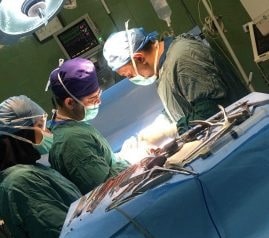
Example of surgery and complete correction of vertebral dislocation by Dr. Moradi

Concluding remarks

Finally, lumbar disc herniation may require surgery, which can significantly improve the quality of life of patients. Surgery can help reduce pain, improve neurological symptoms, return to daily activities, and increase strength and physical performance. In addition, advanced techniques of lumbar disc herniation surgery can provide better results and non-surgical methods can also facilitate the improvement of quality of life. Also, education and prevention of lumbar disc herniation and following the doctor's orders after surgery play an important role in improving and maintaining the quality of life. Consultation with a doctor is necessary to determine the specific needs and conditions of each person.

This article has been reviewed by Dr. Mehran Moradi.

Dr. Mehran Moradi
Dr. Mehran Moradi

Neurosurgery specialist | Graduated in neurosurgery from Tehran University of Medical Sciences (2014). Has an advanced spine surgery course from the University of Nottingham, England (2020). Member of the International Association of Spine Surgeons since 2011 Experienced in disc surgery, spine surgery, neuroendoscopy, skull base surgery and pituitary tumors Has an official medical license Medical system number: 122170

Related content
اشتراک‌گذاری:

مقالات مرتبط

مقالات دیگر از Dr. Mehran Moradi

16 مقاله
Brain tumor treatment
مطالعه بیشتر

Brain tumor treatment

درمان تومور مغزی...

3 weeks ago بخوانید
Spinal cord tumor surgery procedures and important points after the operation
مطالعه بیشتر

Spinal cord tumor surgery procedures and important points after the operation

مراحل جراحی تومور نخاعی و نکات مهم بعد از عمل...

3 weeks ago بخوانید
Spinal stenosis surgery with the least complications + surgery video
مطالعه بیشتر

Spinal stenosis surgery with the least complications + surgery video

جراحی تنگی کانال نخاعی با کمترین عوارض + فیلم...

3 weeks ago بخوانید
The best spine specialist clinic in West Tehran
مطالعه بیشتر

The best spine specialist clinic in West Tehran

بهترین کلینیک فوق تخصصی ستون فقرات در شهرک غرب...

3 weeks ago بخوانید
The best brain tumor surgeon in West Tehran
مطالعه بیشتر

The best brain tumor surgeon in West Tehran

بهترین جراح تومور مغزی در شهرک غرب تهران...

3 weeks ago بخوانید
How dangerous is a lumbar fracture?
مطالعه بیشتر

How dangerous is a lumbar fracture?

شکستگی مهره‌ کمر چقدر خطرناک است؟...

3 weeks ago بخوانید
A complete guide to care after brain tumor surgery
مطالعه بیشتر

A complete guide to care after brain tumor surgery

راهنمای کامل مراقبت‌های بعد از جراحی تومور مغز...

3 weeks ago بخوانید
Brain tumor surgery, various methods and how to perform it
مطالعه بیشتر

Brain tumor surgery, various methods and how to perform it

جراحی تومور مغزی انواع روش‌ها و نحوه انجام آن...

3 weeks ago بخوانید
Gallery - Dr. Mehran Moradi
مطالعه بیشتر

Gallery - Dr. Mehran Moradi

Brain tumor surgery, various methods and how to perform it Brain tumor surgery is o...

3 weeks ago بخوانید
Superspecialized clinic for closed surgeries
مطالعه بیشتر

Superspecialized clinic for closed surgeries

کلینیک فوق تخصصی جراحی‌های بسته...

3 weeks ago بخوانید
Cervical disc surgery: when is it necessary and what are its benefits?
مطالعه بیشتر

Cervical disc surgery: when is it necessary and what are its benefits?

عمل دیسک گردن: چه زمانی لازم است و چه مزایایی...

3 weeks ago بخوانید
Lumbar disc surgery and its methods
مطالعه بیشتر

Lumbar disc surgery and its methods

جراحی دیسک کمر و روش های انجام آن...

3 weeks ago بخوانید
Kyphoplasty: Vertebral fracture treatment
مطالعه بیشتر

Kyphoplasty: Vertebral fracture treatment

کیفوپلاستی: درمان شکستگی مهره‌ها...

3 weeks ago بخوانید

Articles - Dr. Mehran Moradi

Brain tumor surgery, various methods and how to perform it Brain tumor surgery is o...

3 weeks ago بخوانید
The best back and neck disc specialist in Tehran
مطالعه بیشتر

The best back and neck disc specialist in Tehran

بهترین فوق تخصص دیسک کمر و گردن در تهران...

3 weeks ago بخوانید
About Dr. Moradi
مطالعه بیشتر

About Dr. Moradi

Brain tumor surgery, various methods and how to perform it Brain tumor surgery is o...

3 weeks ago بخوانید
Pagedone
Resources
Products
©GCORP LLC 2026, All rights reserved.