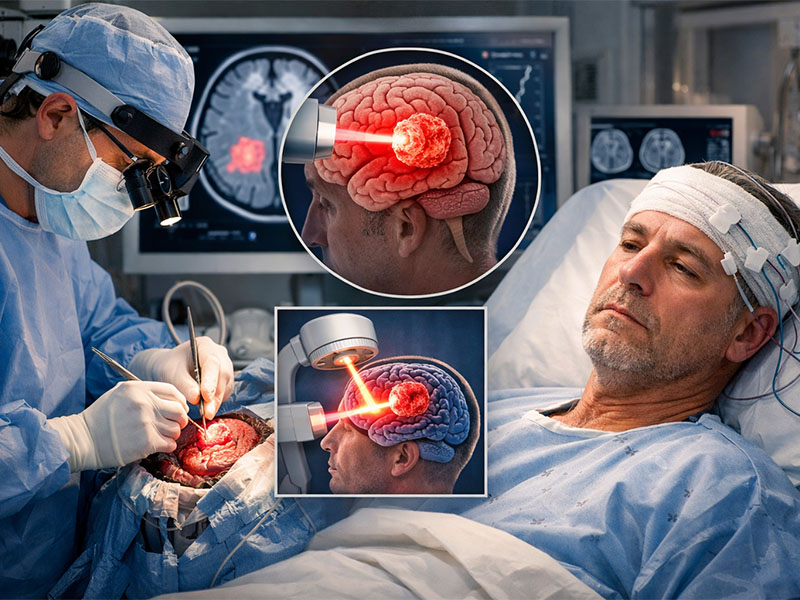


مراقبتهای بعد از جراحی تومور مغزی بخش مهمی از روند بهبودی بیمار را تشکیل میدهند و میتوانند بر وضعیت جسمی و روحی او تأثیر زیادی داشته باشند. After this surgery, the body and brain need time and special care to reduce possible complications and make the patient's condition more stable. Knowing about care tips, natural symptoms and signs that need more attention will help the patient and his family to go through this period more calmly. Stay with us until the end of the article to learn more about essential care after brain tumor surgery and important points during recovery.

normal symptoms after brain tumor operation
After brain tumor surgery, some symptoms are completely normal and are caused by the reaction of the body and brain to the surgery. These symptoms are temporary and gradually decrease. Familiarity with these symptoms can prevent unnecessary worries of the patient and those around him.
- Mild to moderate headache
- Feeling tired and general weakness
- Dizziness or feeling off balance
- Nausea or loss of appetite
- Swelling or pain in the surgery area
- Drowsiness more than usual
- Decreased concentration or slowness in performing mental tasks
- Temporary changes in mood
- Sensitivity to light or sound
- Pain or stiffness of the neck muscles
Dr. Mehran Moradi's explanation about care after brain surgery
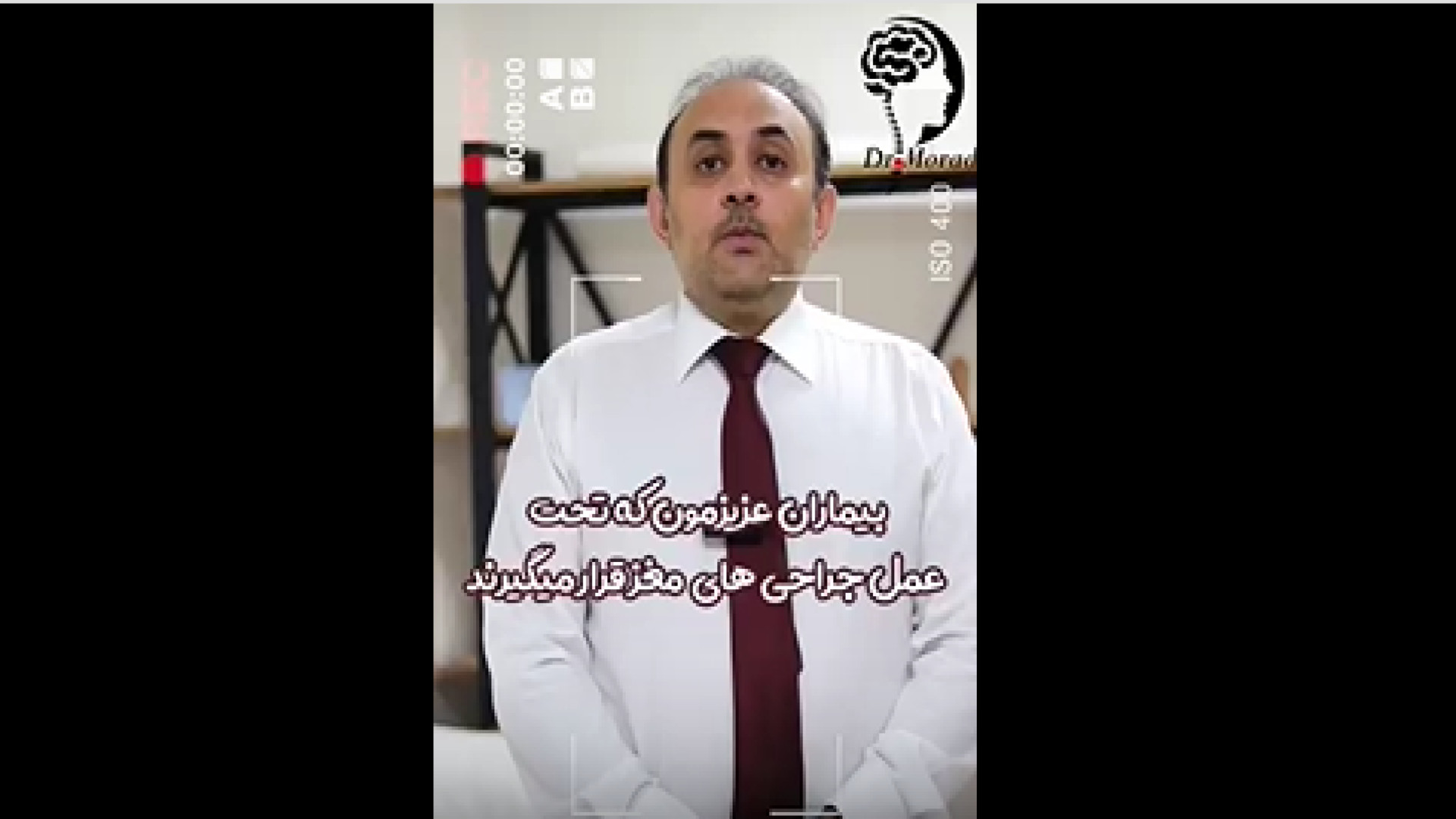
Care after brain surgery
How long does brain tumor surgical wound healing take?
Wound healing time brain tumor surgery depends on various factors such as the general condition of the patient, the type of surgery and how to care for the operation site. Typically, initial skin healing and wound closure takes about two to three weeks, and the stitches or staples are removed at this time. However, it may take several weeks to several months for the deep tissues to fully heal and reduce the sensitivity of the surgical area. Observing health care, avoiding pressure on the surgical site and visiting regularly for examination will help to make this process safer.
Care of dressing after brain tumor surgery
The first two weeks after surgery are the most sensitive period for wound care, and non-absorbable sutures remain in place during this time. During this period, it is necessary to always keep the surgical area clean, change the dressing daily with sterile equipment, and pay attention to proper nutrition. Betadine can be used to disinfect the wound, but after that, it is better to clean the area with gauze soaked in washing serum so that the rest of the disinfectant does not remain on the skin.
Then the wound is covered with dry sterile gauze and fixed with glue or bandage. To keep the head dressing, you can also use a white lace cover called Sergi Fix. It is also recommended to avoid sleeping on the surgical site for a long time so as not to put pressure on the wound and maintain the blood supply around it. Between ten days and two weeks after the operation, it is necessary to visit the surgeon to check the condition of the wound.
To connect with brain tumor surgeons and get expert advice, fill out the form below.
When can you take a bath after brain tumor surgery?
Bathing time after brain tumor surgery depends on the condition of the wound, the type of suture and the doctor's opinion. The head should not be wetted directly while the sutures or clips are in the surgical site. In most cases, complete washing of the head is allowed about 7 to 10 days after surgery and after examining the wound by the doctor.
In the first days after the operation, the patient can wash the body separately and avoid getting the surgical site wet. After the doctor's permission to take a full bath, it is very important to use lukewarm water, mild detergents and avoid rubbing or direct pressure on the wound. Also, after bathing, the surgical site should be dried slowly and a new dressing should be applied if needed.

Dr. Mehran Moradi
Neurology and spine specialist
What drugs should be taken after brain tumor surgery?
After brain tumor surgery, it is necessary to take some drugs to control symptoms, prevent possible problems and maintain a stable condition of the patient. The type of drugs and the duration of their use are determined based on the patient's condition and the doctor's opinion. It is very important to strictly follow the instructions for taking medicines.
- Analgesic drugs to reduce pain and discomfort after surgery
- Anti-inflammatory drugs such as corticosteroids to reduce brain swelling
- Anticonvulsant drugs to prevent seizures
- Antibiotics to prevent infection if prescribed by a doctor
- Anti-nausea drugs to control nausea and vomiting
- Gastroprotective drugs to prevent digestive problems caused by drugs
- Mild sedatives in case of anxiety or restlessness
All medicines should be taken exactly as prescribed by the doctor and stopping, reducing or increasing them arbitrarily should be avoided.
primary care after brain-tumor surgery
Primary care after brain tumor surgery is very important in maintaining the patient's stable condition and preventing future problems. Observing these cares in the first days and weeks after the operation helps to improve the physical condition and comfort of the patient.

Enough and regular rest
After surgery, the body needs time to recover. Adequate rest and regular sleep help to reduce fatigue and prevent extra pressure on the brain.
Control and regular use of drugs
Prescribed medicines should be taken according to the doctor's order and at the specified time. These drugs are prescribed to reduce pain, prevent infection and control possible symptoms.
surgery site care
Keeping the cut area clean and dry is very important. Any redness, discharge or increased pain in this area should be reported to the doctor.
Light and appropriate nutrition
In the early days, it is better to use light and fast-digesting foods. Consuming enough fluids and avoiding heavy foods helps to better tolerate post-surgery conditions.
Limiting physical activities
Heavy activities and sudden movements should be avoided until the doctor advises. Short and slow walking as much as possible can be useful.follow-up medical examinations
Regular visits for postoperative visits help the doctor to check the healing process and make necessary changes in the treatment if needed.
Warning-symptoms after brain tumor surgery
After brain tumor surgery, it is very important to pay attention to some abnormal symptoms, because they may indicate a serious problem. These symptoms can appear days or even weeks after surgery and require immediate medical attention. آگاهی اطرافیان بیمار از این علائم کمک میکند در صورت بروز، بدون تأخیر اقدام لازم انجام شود.
سردرد شدید و غیرقابلتحمل
سردردی که شدت آن رو به افزایش است، با استراحت یا دارو کاهش پیدا نمیکند یا همراه با تهوع و استفراغ است، میتواند نشانه بالا رفتن فشار داخل جمجمه باشد و باید جدی گرفته شود.
تشنج یا حرکات غیرارادی بدن
بروز هر نوع تشنج، لرزش شدید یا حرکات غیرقابل کنترل دست و پا پس از جراحی طبیعی نیست و نیاز به مراجعه فوری به مراکز درمانی دارد.
کاهش سطح هوشیاری یا تغییر رفتار
خواب آلودگی شدید، بیحالی غیرعادی، گیجی، عدم تمرکز یا تغییر ناگهانی در رفتار و خلقوخو میتواند نشانه اختلال در عملکرد مغز باشد.
ضعف، بیحسی یا فلج اندامها
ضعف ناگهانی در یک سمت بدن، بیحسی در دست یا پا یا مشکل در راه رفتن از علائمی است که باید سریع بررسی شود، زیرا ممکن است به اعصاب یا بخشهای خاصی از مغز مربوط باشد.
اختلال در گفتار، بلع یا بینایی
مشکل در صحبت کردن، نامفهوم شدن کلمات، دشواری در بلع، تاری دید یا دوبینی از نشانههای هشداردهندهای هستند که نباید نادیده گرفته شوند.
تب بالا و نشانههای عفونت
تب بالا، لرز، قرمزی، تورم یا ترشح غیرعادی از محل جراحی میتواند نشانه عفونت باشد و نیاز به رسیدگی فوری دارد.
تهوع و استفراغ مداوم
اگر تهوع و استفراغ شدید و مکرر باشد، بهویژه زمانی که بهطور ناگهانی شروع شود، ممکن است به تغییرات داخل مغز مرتبط باشد و باید سریع پیگیری شود.
دکتر مهران مرادی
متخصص مغز و اعصاب و ستون فقرات
فعالیتها و محدودیتهای حرکتی بعد از جراحی تومور مغزی
بعد از جراحی تومور مغزی، میزان و نوع فعالیتهای بدنی باید با احتیاط و طبق وضعیت بیمار تنظیم شود. Proper mobility can help maintain physical fitness, but doing the wrong activities or doing them too early can cause problems. It is very important to be familiar with the permitted activities and movement restrictions during this period.

controlled rest and mobility
In the first days after surgery, rest is a priority. According to the doctor, a short and slow walk in a safe environment can help prevent physical weakness.
avoidance of heavy activities
Lifting heavy objects, bending too much or doing things that put pressure on the head and neck should be avoided for a certain period of time. These activities may increase the pressure in the surgical area.
Restriction in sports and physical exercises
Exercising, running, swimming, or strength training is not recommended until your doctor gives you permission. Returning to sports should be done gradually and under supervision.
proper position of the body while sitting and sleeping
Sitting for a long time in one position or sleeping incorrectly can cause fatigue and discomfort. It is important to change the position regularly and use the right pillow.
Caution in driving and activities requiring concentration
Driving or doing tasks that require high concentration should be limited until full recovery and doctor's approval, as reactions may be slower than normal.
doing activities on the basis of one's power
Each patient has different conditions and should perform daily activities according to their physical ability. If you feel tired, dizzy or pain, it is necessary to stop the activity.
How to sleep after brain tumor surgery
How to sleep after brain tumor surgery is very important and can help reduce discomfort and maintain a stable condition of the patient. In the first days and weeks, it is better to place the head and upper body a little higher than the body level so that less pressure is applied to the surgical area. Sleeping on the back is the best position and using several soft pillows to keep the head steady is recommended. Until complete recovery, you should avoid sleeping on your stomach or applying direct pressure to the surgical site, and if you feel pain or dizziness, change your sleeping position and consult a doctor.
necessary care to prevent complications after surgery
Following care after brain tumor surgery is very important and neglecting them can cause unwanted problems and complications. Strictly following the doctor's recommendations and paying attention to body changes during this period will help to maintain a stable condition and prevent future problems.
Regular use of drugs
Medications prescribed after surgery are for pain control, infection prevention, or seizure prevention. Their consumption should be done exactly according to the specified schedule, and stopping or changing the dose without consulting a doctor should be avoided.Attention to abnormal symptoms
Some symptoms such as severe headache, high fever, persistent nausea, confusion or sudden weakness can be warning signs. Observing these symptoms requires immediate follow-up to prevent more serious problems.
hygiene and care of the surgical site
The surgical site should be kept clean and dry and contact with contaminated hands should be avoided. Daily examination is important to observe redness, swelling or abnormal discharge, and if you see these things, the doctor should be informed.
Adequate rest and avoid physical stress
After surgery, the body needs enough time to heal. Strenuous activities, excessive bending, or sudden movements can cause discomfort or problems and should be limited.
proper nutrition and liquid consumption
Consumption of light, fresh and nourishing foods helps to maintain body strength. Drinking enough water will also help prevent weakness and some digestive problems.
regular medical follow-up and examinations
Regular visits after surgery help the doctor monitor the healing process. In these examinations, if needed, changes are made in the treatment or care process so that the patient's condition remains under control.
Dr. Mehran Moradi
Neurology and spine specialist
Important points of recovery after brain tumor surgery
The recovery period after brain tumor surgery is a sensitive stage that requires special attention and care. During this period, the body and brain need time to get used to the new conditions and gradual recovery begins. Observing the important points at this stage can prevent unwanted problems.
- Adequate and regular rest during the day
- Avoid heavy and tiring activities
- Exact use of medicines as prescribed by the doctor
- Pay attention to unusual symptoms and see a doctor in time
- Light and healthy nutrition with adequate fluid consumption
- Hygiene and care of the surgical site
- Limit prolonged use of cell phones and screens
- Sleeping in the right position with the head elevated
- Following up and performing periodical visits after surgery
Concluding remarks
Brain tumor surgery is the beginning of the path of recovery, and the recovery period requires precision, patience and companionship of the patient and his family. Familiarity with care after brain tumor surgery and paying attention to natural and warning signs will help this period to pass more calmly. Finally, following the medical recommendations and taking regular care of the physical condition can help the patient gradually return to daily life.