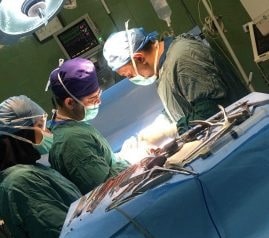


وقتی درد مداوم کمر، بیحسی یا ضعف در پاها زندگی روزمره را مختل میکند، جراحی تنگی کانال نخاعی میتواند راه حل موثری باشد. In this disease, the space of the spinal canal narrows and the pressure on the spinal cord and nerves increases, which reduces the ability to move and limits daily activities. Spinal stenosis surgery helps relieve pain and restore movement by opening the canal space and reducing pressure on the spinal cord. Getting to know the surgery method, its benefits and possible risks will help you make an informed and confident decision about your treatment and go through the treatment process with full preparation.
What is spinal canal stenosis surgery?
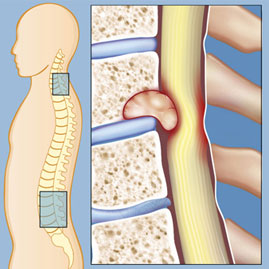
Spinal stenosis surgery is a treatment method that is performed to open the narrowed space of the spinal canal and reduce the pressure on the spinal cord and nerves. This disease occurs when the walls of the spinal canal narrow due to various reasons such as disc wear, extra bone growth, or thickening of ligaments, causing pain, numbness, weakness in the legs, or movement problems.
The aim of spinal stenosis surgery is to remove pressure from the spinal cord and nerves to reduce pain and improve the ability to move and perform daily activities. Surgical methods can include laminectomy, microdiscectomy, or minimally invasive techniques, which are selected depending on the severity of the disease and the patient's condition.
In the following, you can see the English text along with the translation related to spinal canal stenosis surgery.
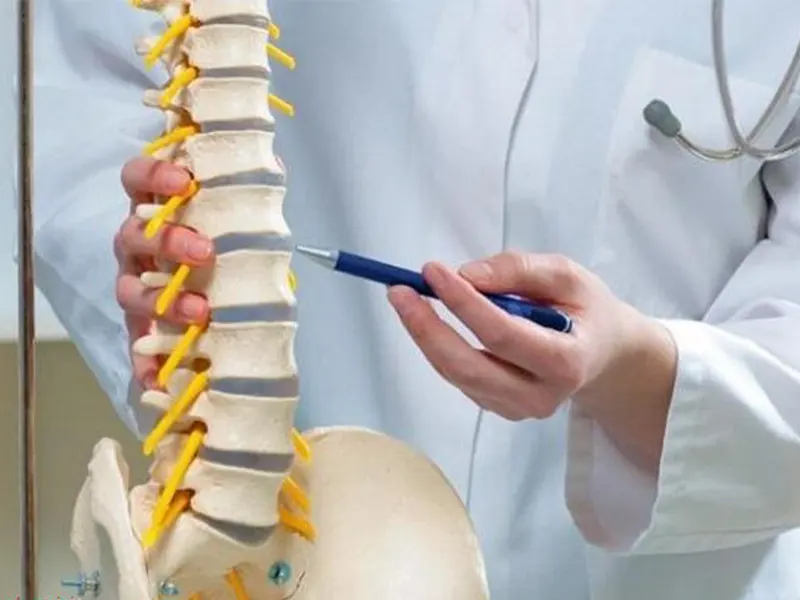
Spinal stenosis is the narrowing of one or more spaces within your spinal canal. Your spinal canal is the tunnel that runs through each of the vertebrae in your spine. It contains your spinal cord. Less space within your spinal canal cramps your spinal cord and the nerves that branch off it (nerve roots).
Spinal stenosis is the narrowing of one or more spaces inside your spinal canal. The spinal canal is a tunnel that runs through each of the vertebrae in your spine and contains your spinal cord. The reduction of space in the spinal canal puts pressure on the spinal cord and the nerves that branch off from it (nerve roots).
https://my.clevelandclinic.org/health/diseases/17499-spinal-stenosis
Symptoms of spinal canal stenosis that require surgery?
Spinal canal stenosis can gradually cause various symptoms, which in some cases are so severe that surgery becomes necessary. Recognizing these symptoms helps the patient to treat spinal canal stenosis in time and prevent the progression of the disease. be prevented.
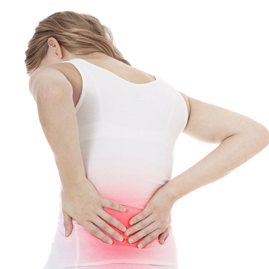
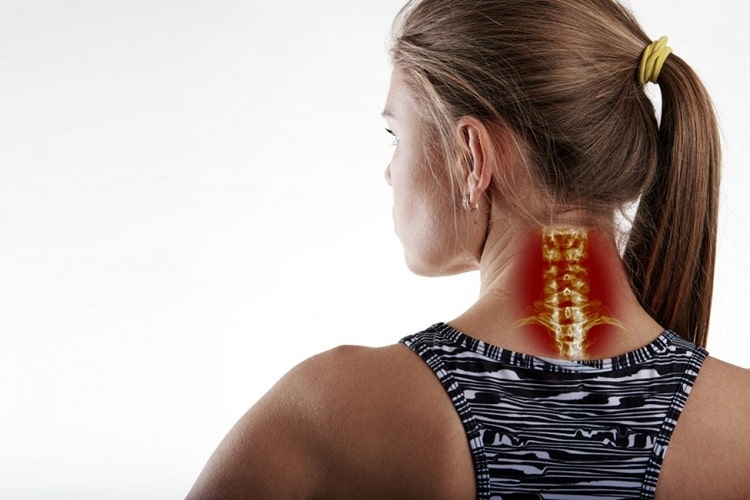
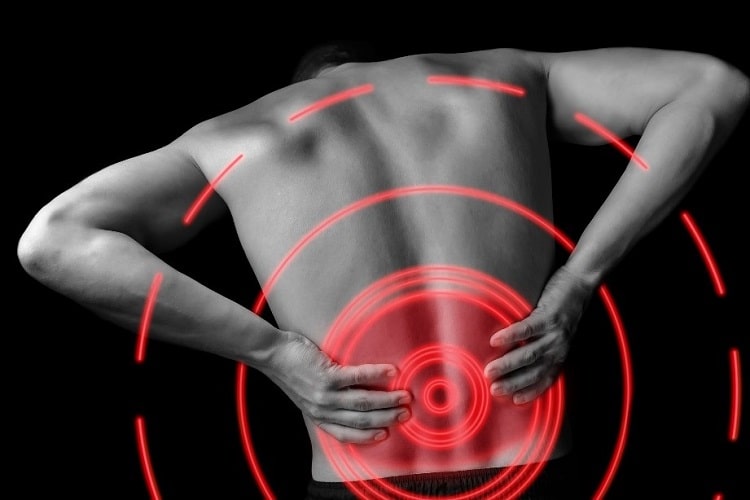
persistent back or neck pain
Pain that does not subside with rest and worsens with daily activities indicates pressure on the spinal cord and may require surgery.
Numbness and tingling in the legs or hands
Tingling, numbness or weakness in the limbs is a sign of irritation or pressure on the spinal nerves, which is recommended in severe cases of surgery.
Muscle weakness
Decreasing strength in the legs or hands and difficulty in performing simple movements can be a sign of progression of spinal canal stenosis and requires surgical intervention.
Walking and balance problems
Difficulty walking, limping or imbalance when moving are serious signs of pressure on the spinal cord, and in such cases, surgery can help improve performance.
shooting pain to the limbs
Pain that shoots from the back or neck to the legs or hands and disrupts daily activities is one of the important symptoms of the need for surgery.
Symptoms of spinal canal stenosis
To receive advice and more information, complete the form below.
Benefits of spinal stenosis surgery
The benefits of spinal stenosis surgery include reducing chronic pain, improving mobility, and preventing the progression of nerve damage. This surgery significantly improves the daily life of the patient by reducing the pressure on the spinal cord and nerve roots. Also, many patients gain the ability to perform daily activities more easily after surgery.
- Decreasing severe back and leg pain
- disappearing numbness and tingling of the limbs
- Improving muscle strength and reducing weakness
- Increasing the ability to walk and stand for a long time
- reducing the need for painkillers
- Preventing further damage to the nerves
- Improving the quality of sleep
- Increasing performance power
- Preventing the progression of stenosis in advanced cases
- Relieve pressure directly from the spinal cord and nerve roots
- Improving urine and stool control in cases where there is a problem
- Quicker return to daily activities and work
- Longer lasting effects compared to non-surgical treatments in severe cases
Spinal-canal-stenosis surgery video
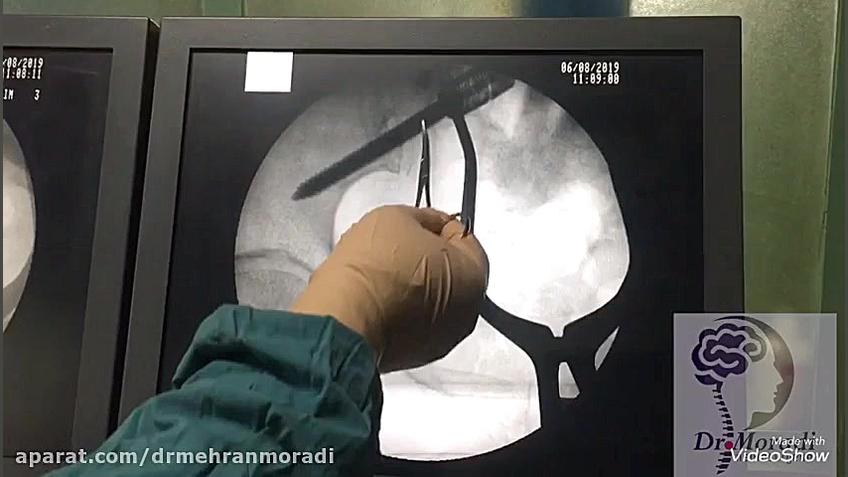
Severe spinal stenosis surgery
Spinal canal stenosis surgery is recommended for whom?
Spinal stenosis surgery is recommended when the patient's symptoms are severe, persistent and resistant to non-surgical treatments. People who still have pain, numbness or severe movement restriction despite physiotherapy, medicine and injections are the main candidates for surgery. Also, this surgery is very necessary for patients who have progressive neurological symptoms.
People for whom spinal canal stenosis surgery is recommended have the following conditions:
- Patients who have severe and persistent back or leg pain
- People who experience numbness, tingling, or worsening weakness in the legs
- Those who have nervous lameness and cannot walk a short distance without pain
- People for whom non-surgical treatments such as physiotherapy, medication or epidural injections have not been effective
- Patients with worsening neurological symptoms
- People who have urinary or fecal incontinence caused by nervous pressure
- Those whose quality of life has decreased significantly
- Patients with severe stenosis based on MRI or neurological examination by a doctor
- People who have lost the ability to do their daily tasks due to pain or weakness
Necessary preparations before spinal stenosis surgery
The benefits of preparation before spinal stenosis surgery include reducing the risk Complications Spinal stenosis surgery facilitates the recovery period and improves the results of the operation. Following the pre-operative tips will help the body to undergo surgery in the best condition and enable a faster return to daily activities.
Full medical examinations
Before the surgery, the doctor prescribes blood tests, MRI and heart examinations to ensure the general health of the body and reduce the risks of the surgery.
Management of medicines
Some medications, such as blood thinners or herbal supplements, can increase the risk of bleeding. According to the doctor's opinion, it is necessary to adjust or stop the use of these drugs before surgery.
avoid smoking and alcohol
Cigarettes and alcohol can slow down the healing process after surgery and increase the possibility of infection and breathing problems. It is recommended to avoid them at least two weeks before the operation.
Following a diet Healthy food
Eating light and nutritious foods before surgery helps to strengthen the immune system and improve the recovery process. Also, heavy meals should be avoided before the operation.
Preparing the home environment
Creating suitable conditions at home for the recovery period, such as providing a comfortable chair and necessary equipment available, makes the patient move more easily and avoids extra pressure on the back.
Stress management and awareness of the surgical process
Familiarity with the procedures and consultation with the doctor can reduce the patient's anxiety and increase mental preparation for surgery, which has a positive effect on the recovery process.

Dr. Mehran Moradi
Neurology and spine specialist
Types of spinal-canal stenosis surgery
The types of surgery for spinal canal stenosis are different depending on the location and severity of the stenosis and the condition of the spine. Each method is performed with the aim of reducing the pressure on the spinal cord and nerve roots and improving the patient's symptoms.

Surgery Laminectomy
In this procedure, the surgeon removes the vertebral lamina (the bone behind the spine) to create more space for the spinal cord and nerve roots. This will reduce pressure, improve pain, weakness and numbness in the legs and return movement power. Laminectomy is mostly performed in severe cases of canal stenosis and when non-surgical treatments have not been effective.
Discectomy Surgery
If the disc herniation has caused compression of the nerve roots and narrowing of the canal, the surgeon will remove the damaged part of the disc. This procedure, called a discectomy, relieves pressure on the nerves, relieves pain, and prevents nerve damage from progressing. Discectomy can be done alone or together with laminectomy.
Foraminotomy surgery
Foraminotomy involves opening the intervertebral holes (foramina) through which the nerve roots pass. By opening this path, the pressure on the nerve is reduced and the patient's pain, numbness and muscle weakness are improved. This method is recommended for patients who have severe symptoms in one or more nerve roots.
Corpectomy Surgery
Corpectomy is the removal of a part or the whole trunk of a vertebra. This method is performed in cases where the narrowing of the canal is caused by a fracture of the vertebra, a tumor or severe bone pressure. After the removal of the vertebra, it is necessary to maintain the stability of the spine by fusion or the use of metal tools.
Reconstructive surgery for spinal canal stenosis
This surgery is performed with the aim of correcting the structure of the spine and restoring the normal space of the spinal canal. In this procedure, damaged bones, ligaments, or discs are repaired or reconstructed to take pressure off the spinal cord and nerve roots. This surgery is used for patients who have already had surgery or have experienced secondary and advanced stenosis.
| Type of surgery | Short description | Application | Advantages |
|---|---|---|---|
| Laminectomy | Removing the lamina of the vertebrae to create space More in the spinal canal | Severe stenosis of the spinal canal resistant to non-surgical treatment | Reduction of pressure on the spinal cord and nerve roots, improvement of pain and weakness |
| Discectomy | Removal of a part of the damaged disc that is pressing on the nerve | Disc herniation has caused canal stenosis | Reduction of pain, improvement Movement, preventing the progression of nerve damage |
| Foraminotomy | Opening the intervertebral holes through which the nerve roots pass | Hard pressure on one or more nerve roots | Relief pain, numbness and weakness, increase the passage space Nerve |
| Corpectomy | Removal of part or all of the vertebral body to reduce pressure | Strictity due to fracture, tumor or severe bone pressure | Reduction of severe pressure on the spinal cord, possibility of spinal structure correction |
| Spinal canal stenosis repair | Reconstruction or correction of bones, Ligaments or discs to restore normal space | Patients with secondary or advanced stenosis, or those who have had previous surgery | Reduce pressure on spinal cord and nerves, restore normal spinal function |
How is spinal canal stenosis surgery?
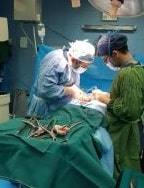
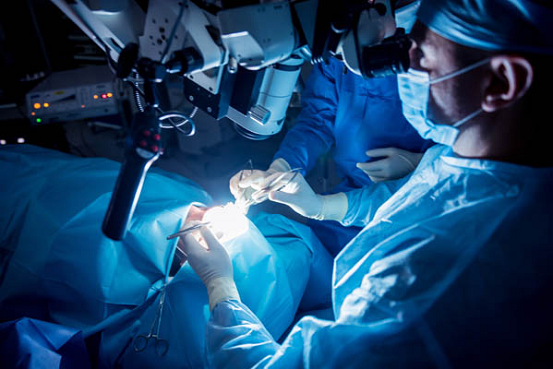
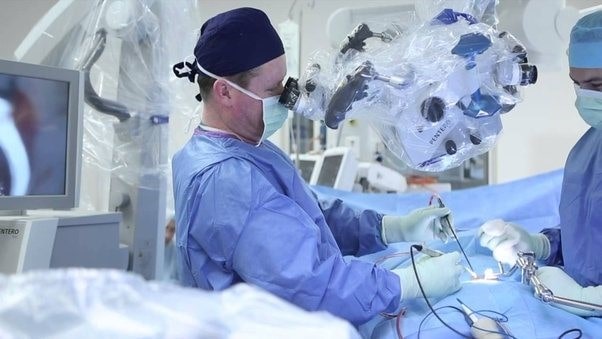
In spinal stenosis surgery, general anesthesia is used so that the patient is completely unconscious during the operation and does not feel any pain. The surgical team monitors vital signs such as heart rate, blood pressure, and oxygen levels at all times to ensure patient safety. After the effect of the anesthetic, the surgeon starts his work.
Access to Spine
First, an incision is made in the lumbar region on the injured vertebra, and the muscles around the spine are pushed aside to provide sufficient access to the surgical site. Using precise instruments, the surgeon removes part of the lamina to relieve pressure on the spinal cord and nerve roots. The size of the incision can be different depending on the condition of the patient and the type of surgery; In minimally invasive methods, the incisions are smaller.
Discectomy in laminectomy surgery
If the surgery includes a laminectomy to treat a herniated disc, the surgeon will remove the damaged part of the disc and the broken pieces, which is called a discectomy.
Spine Fusion

For more detailed information about the duration of the surgery, it is recommended to consult with your surgeon to determine the approximate time based on your specific circumstances.
Read more: Suitable exercises for patients with spinal stenosis
What happens after spinal-canal stenosis surgery?
After the surgery you will wake up in the post-operative care room. Your blood pressure, heart rate and breathing status will be checked regularly and your pain level will be evaluated. After you regain consciousness, you will be transferred to the ward so that you can increase your level of physical activity, for example sitting in a chair and walking. If you have had a fusion surgery, it will be necessary to use a special spine brace. The doctor will allow you to be discharged from the hospital one to two days after the surgery and will provide you with important points to follow.
pain and discomfort
The feeling of pain and discomfort after the operation will be controlled with the help of painkillers. Since narcotics and painkillers are addictive, they should only be used for a short period of time between 4 to 8 weeks. Frequent use of these drugs can cause constipation, so it is very important to drink a lot of water and eat foods that are rich in fiber. The doctor will prescribe acetaminophen (eg Tylenon) to control the pain. You can use an ice compress 3 to 4 times a day for 15 to 20 minutes and place it on your stitches to reduce pain and swelling.
Restrictions
If you have had fusion surgery, you should avoid taking non-steroidal anti-inflammatory drugs (NSAIDs) such as aspirin, ibuprofen, Advil, Motrin, Neoprene, naproxen sodium, and the like for six months after the surgery. Taking these drugs can cause bleeding and disrupt the bone healing process.
- Avoid driving until your doctor gives you permission.
- Avoid sitting on the chair for a long time.
- Avoid lifting objects that weigh more than two kilograms.
- Avoid twisting or lifting objects and bending your back.
For two weeks after the operation, avoid heavy physical activity such as doing housework, gardening and sexual activity. Avoid smoking and using other products containing nicotine. Because these products delay the healing process and prevent new bone growth.
Dr. Mehran Moradi
Neurology and spine specialist
Complications and risks of spinal canal stenosis surgery
Spinal stenosis surgery is generally safe, but like any other surgery, it comes with risks and complications that patients should be aware of. Knowing these complications helps to observe the necessary care after the operation and to act faster in case of problems.
General complications of surgery
There is a possibility of surgical site infection and bleeding. Also, some patients may experience a reaction to anesthesia.
Neurological effects
In rare cases, damage to the nerve roots or spinal cord may occur, causing weakness, numbness, or paralysis. Urinary or fecal incontinence and temporary increase in nerve pain may also occur.
Spine complications
Removing part of the bone can cause instability of the spine, and in reconstructive surgeries, scarring or tissue adhesions may put pressure on the nerve again.
Other complications
There is a possibility of blood clot in the leg or lung and swelling and bruising of the surgical site. Following the doctor's orders and post-operative care reduces these risks.
final-notes about spinal-canal stenosis surgery
Spinal stenosis surgery is an effective method to reduce pressure on the spinal cord and nerve roots and improve pain, weakness and movement limitation. Choosing the type of surgery depends on the severity of the stenosis, the condition of the spine and the individual needs of the patient. Observing care before and after surgery, regular follow-up with the doctor and light walking can speed up the healing process and reduce the risk of complications, so that the patient can return to daily activities faster.
If you are looking for the best doctors and specialists to treat your problems, Matabchi is a complete reference to find accurate and up-to-date information. You can visit Dr. Mehran's profile. Get to know Moradi's specialized services and skills. Also, if you are looking for the the best spinal stenosis doctor in Tehran, Matabchi provides accurate and efficient guidance to access the best.