New technologies in ophthalmology - Dr. Mohammad Periman

Dr. Mohammad Periman
TabrizSurgeon and ophthalmologist
Advanced Imaging: An Unparalleled Look Inside the Eye
Accurate imaging is the cornerstone of modern diagnosis in ophthalmology. These technologies allow doctors to examine the anatomy and function of the eye with extraordinary clarity.Below we have introduced some methods and equipment
- Optical Coherence Tomography (OCT): This non-invasive technique uses light waves to produce very high-resolution cross-sectional images of the retina and optic nerve. OCT is indispensable in the diagnosis and monitoring of diseases such as macular degeneration, glaucoma and diabetic retinopathy.
- Fundus photography: By recording images of the retina, optic nerve and blood vessels, it is possible to document and track changes.
- Fluorescein angiography: In this procedure, a fluorescent dye is injected into the bloodstream to visualize blood flow in the retina and reveal problems such as leaking or blocked vessels.
- Ultrasound biomicroscopy (UBM): This technique uses sound waves to provide high-detail images of the anterior structures of the eye (such as the cornea and anterior chamber), which are critical for evaluating tumors and abnormalities.
Key advantages: Early diagnosis, unparalleled accuracy, non-invasiveness, and the possibility of continuous monitoring of the disease process and response to treatment.
Laser surgeries: micron accuracy
Laser surgery has become the gold standard for the treatment of many refractive errors and diseases by providing predictable results and a short recovery period.
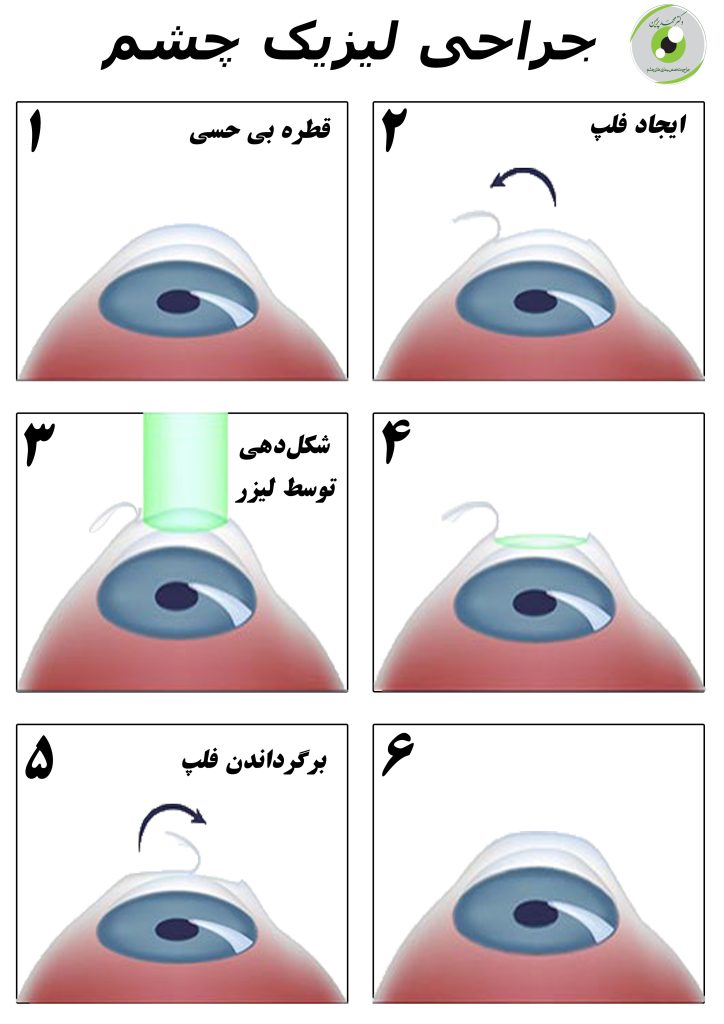
- LASIK: The most popular method to correct nearsightedness, farsightedness and astigmatism, which is performed by creating a flap in the cornea and changing the shape of the underlying tissue with a laser. This method
Final summary
The convergence of technologies such as advanced imaging, delicate laser surgeries, targeted genetic therapies, smart lenses, and artificial intelligence has ushered ophthalmology into its golden age. These advances have not only greatly increased the accuracy of diagnosis and treatment, but are changing the paradigm from disease treatment to prediction of it. The future of vision health looks brighter and more promising than ever with these innovations.