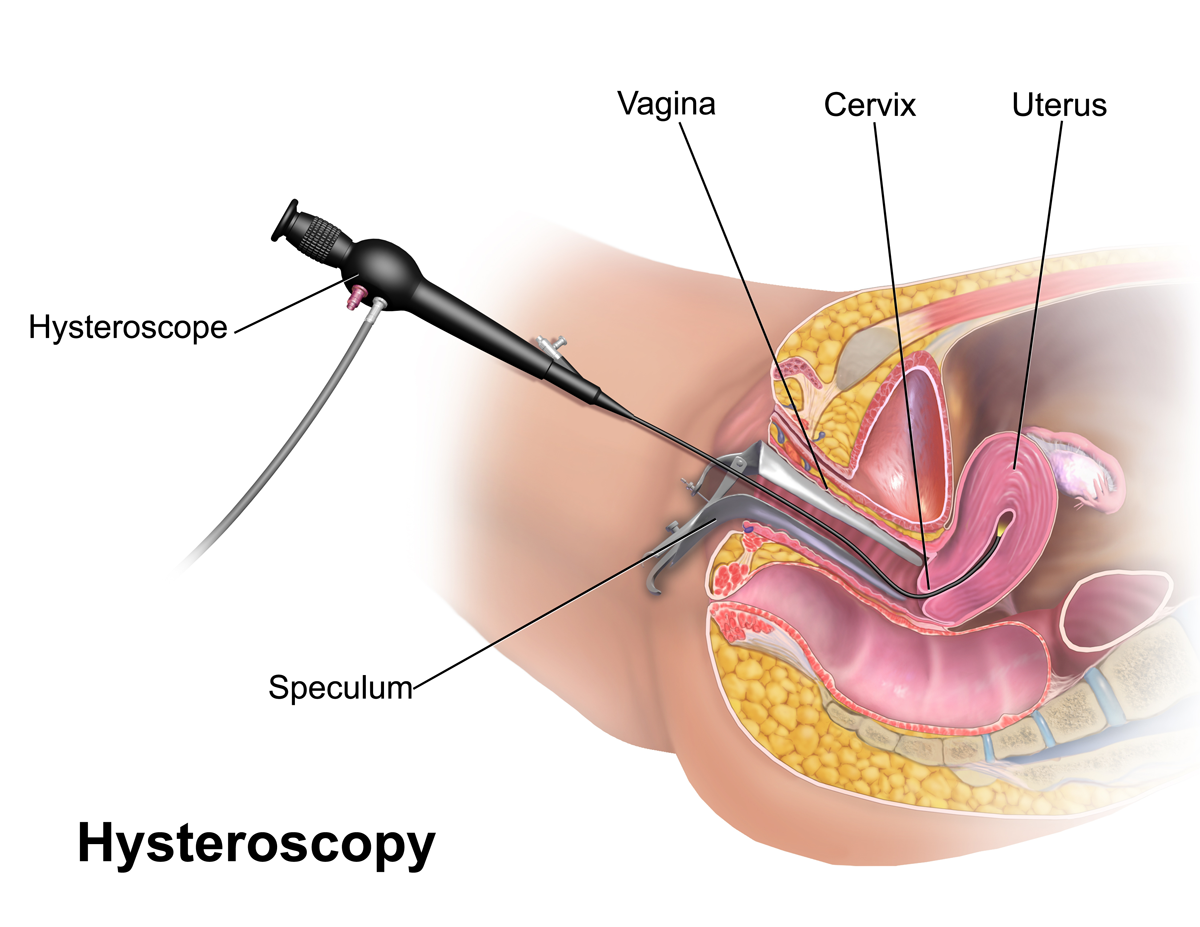

فرق بین هیستروسکوپی و لاپاراسکوپی
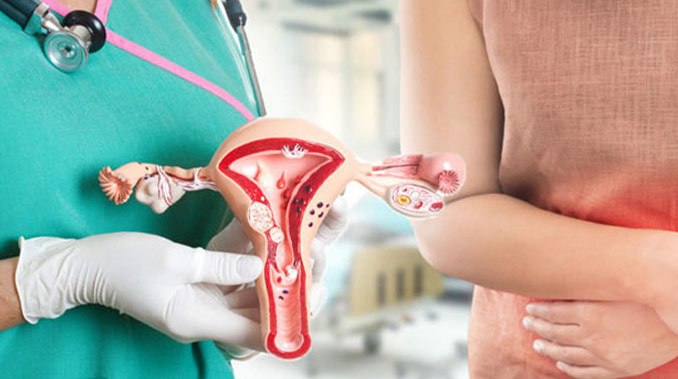
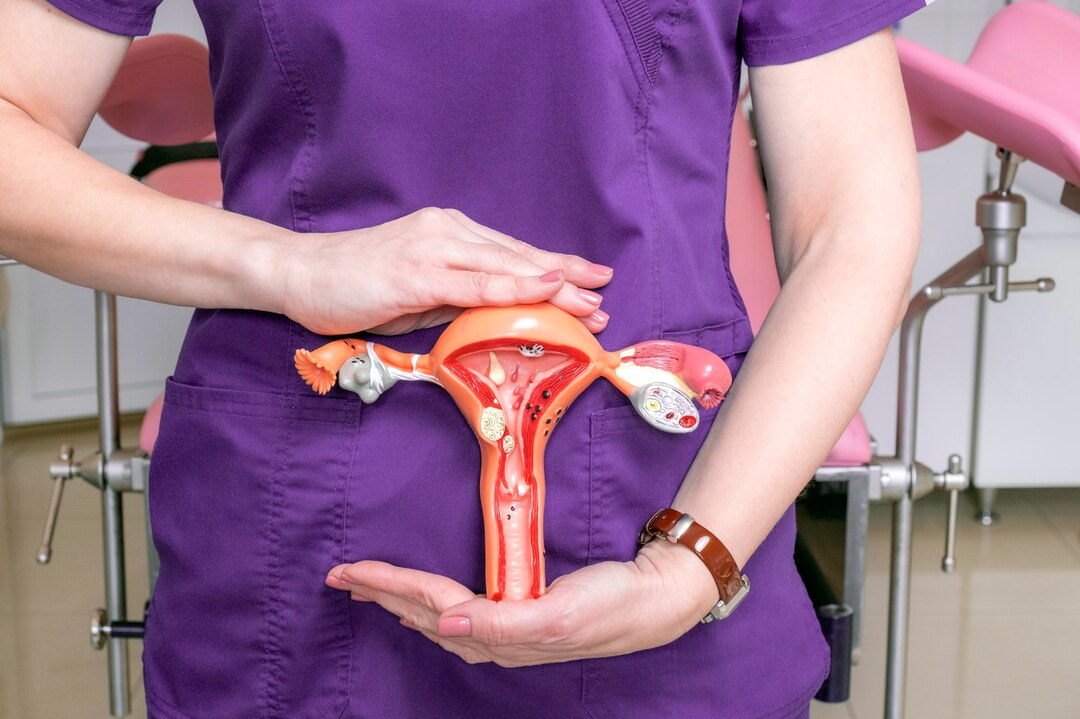
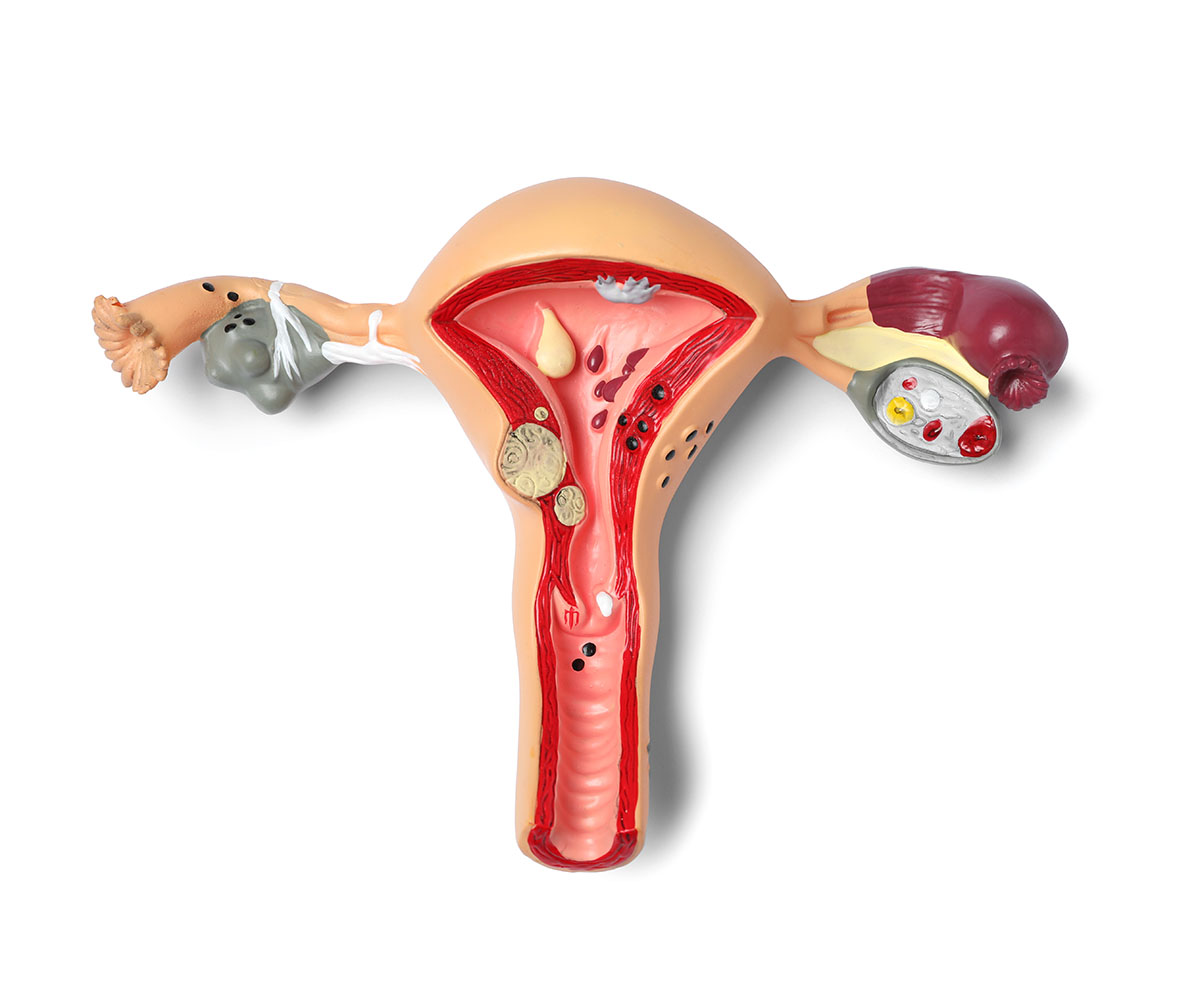
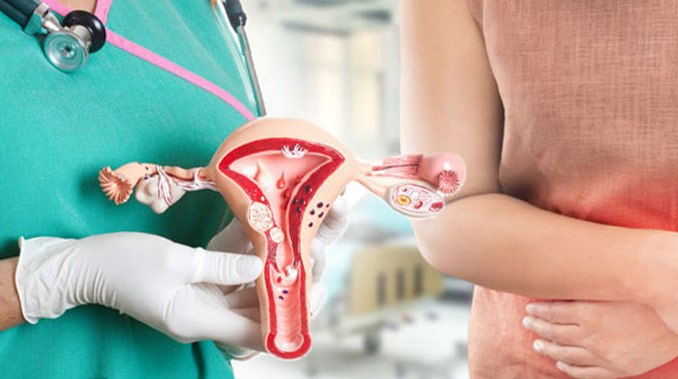
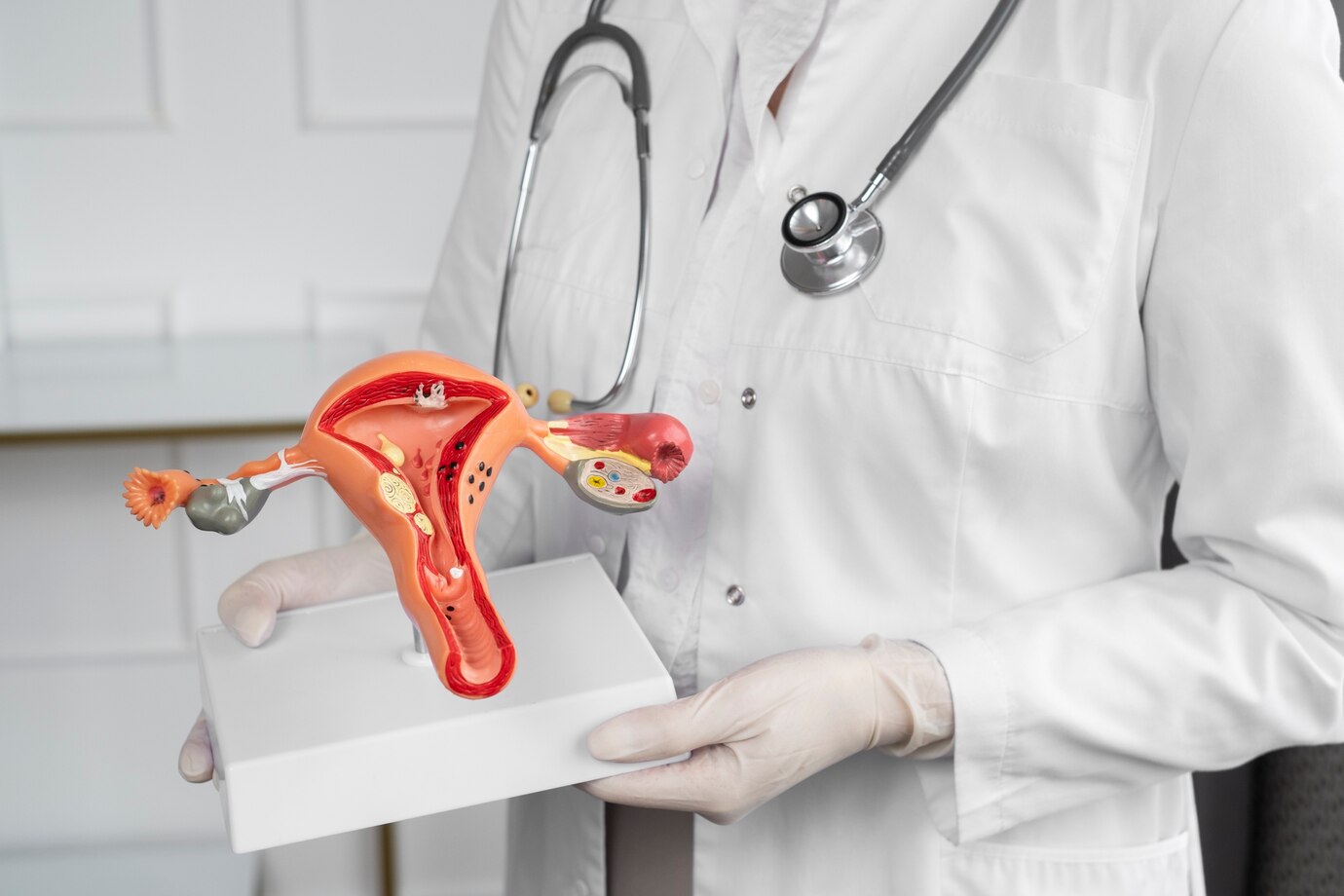
در دنیای پزشکی زنان، روشهای تشخیصی و درمانی متعددی وجود دارند که هر یک با هدف مشخص و شرایط خاص انجام میشوند. دو روش رایج و مؤثر که برای بررسی وضعیت داخلی رحم و لگن زنان کاربرد دارند، هیستروسکوپی و لاپاراسکوپی هستند. هیستروسکوپی به پزشک امکان میدهد تا داخل رحم را بدون ایجاد برش خارجی مشاهده کرده و مشکلاتی مانند پولیپ، فیبروم یا ناهنجاریهای رحمی را تشخیص دهد و درمان کند.
در مقابل، لاپاراسکوپی یک روش کمتهاجمی برای مشاهده و بررسی اعضای داخل شکم و لگن است که علاوه بر تشخیص بیماریها، امکان انجام جراحیهای پیچیده را نیز فراهم میکند. تفاوتهای این دو روش شامل نحوه ورود به بدن، میزان تهاجم، دوره بهبودی، نوع بیهوشی، کاربردها و محدودیتها است که هر کدام نقش مهمی در انتخاب روش مناسب دارند. انتخاب پزشک متخصص و با تجربه اهمیت ویژهای در نتیجه درمان دارد، زیرا تجربه، مهارت و دانش علمی بالا تضمینکننده ایمنی و موفقیت فرایند درمان است.
هیستروسکوپی چیست ؟
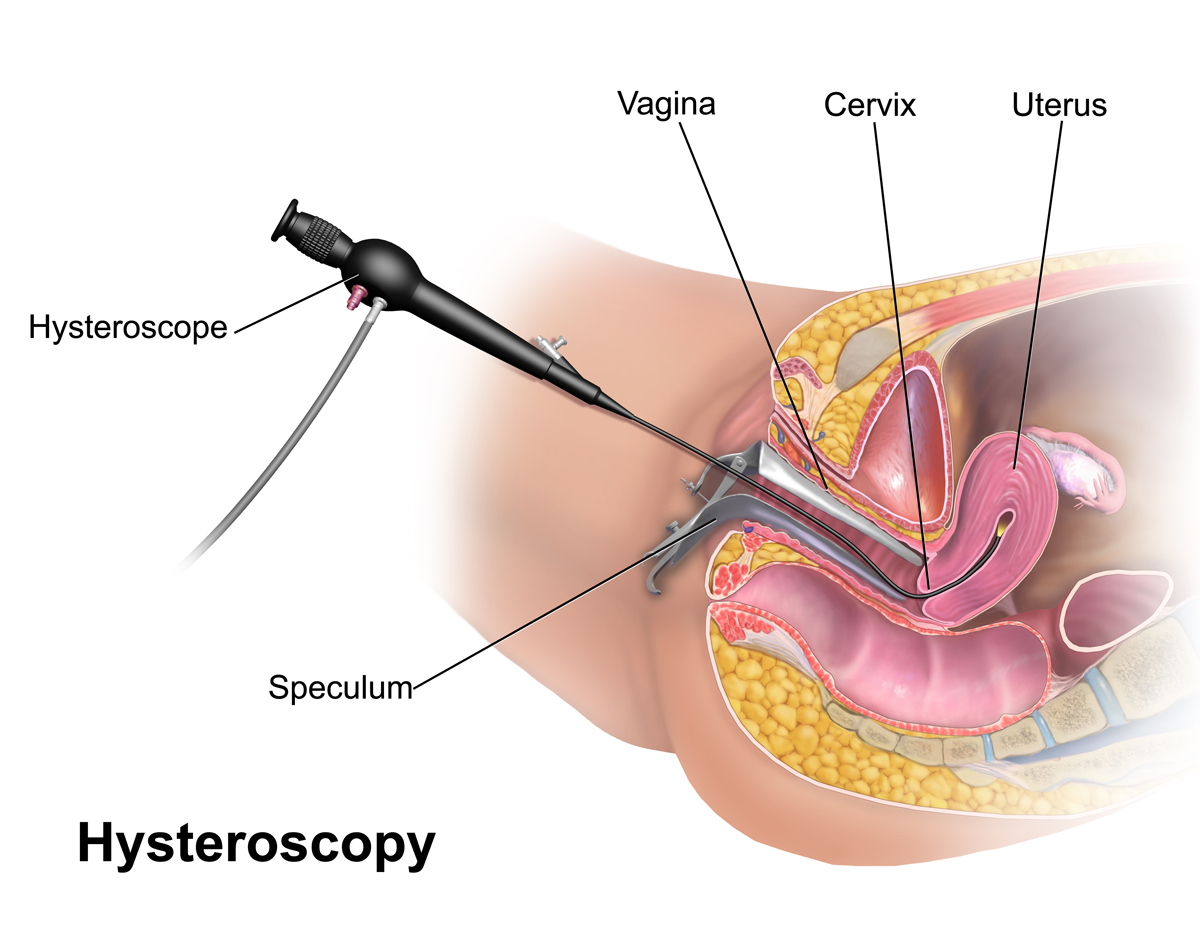
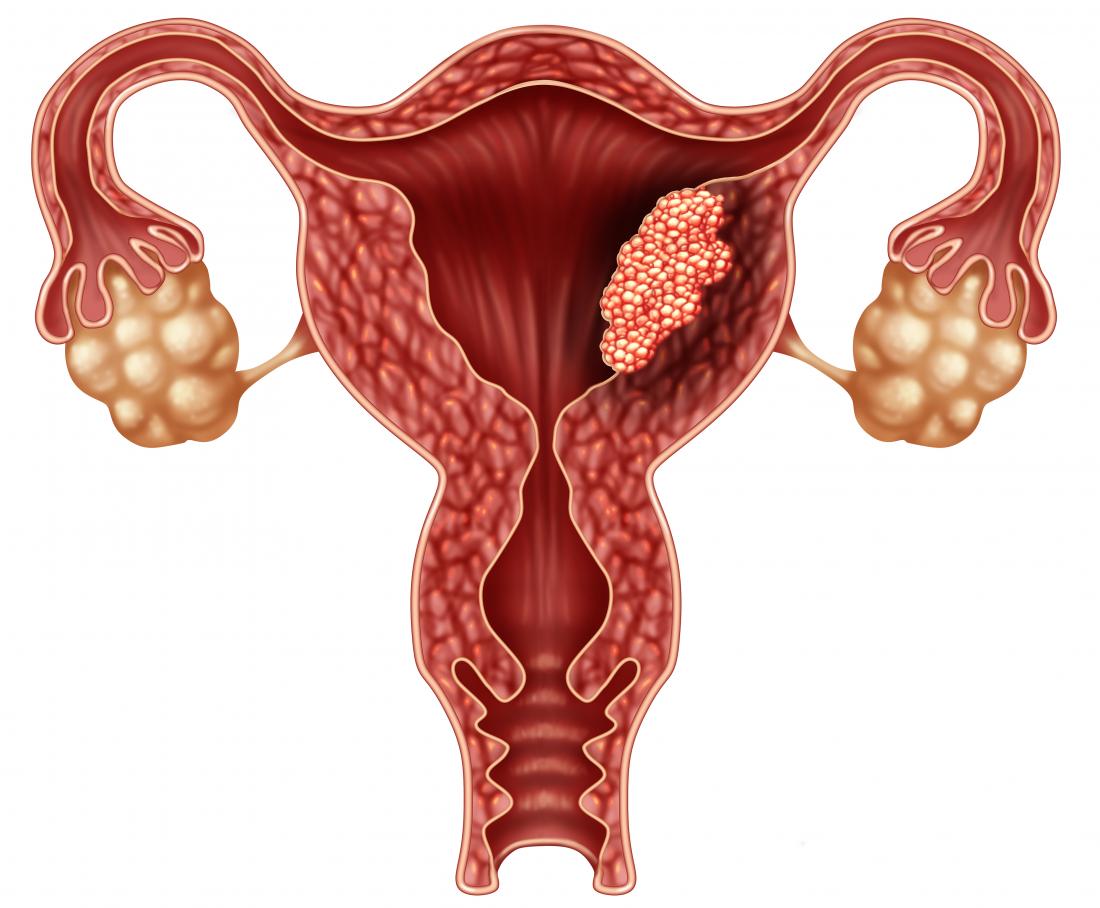
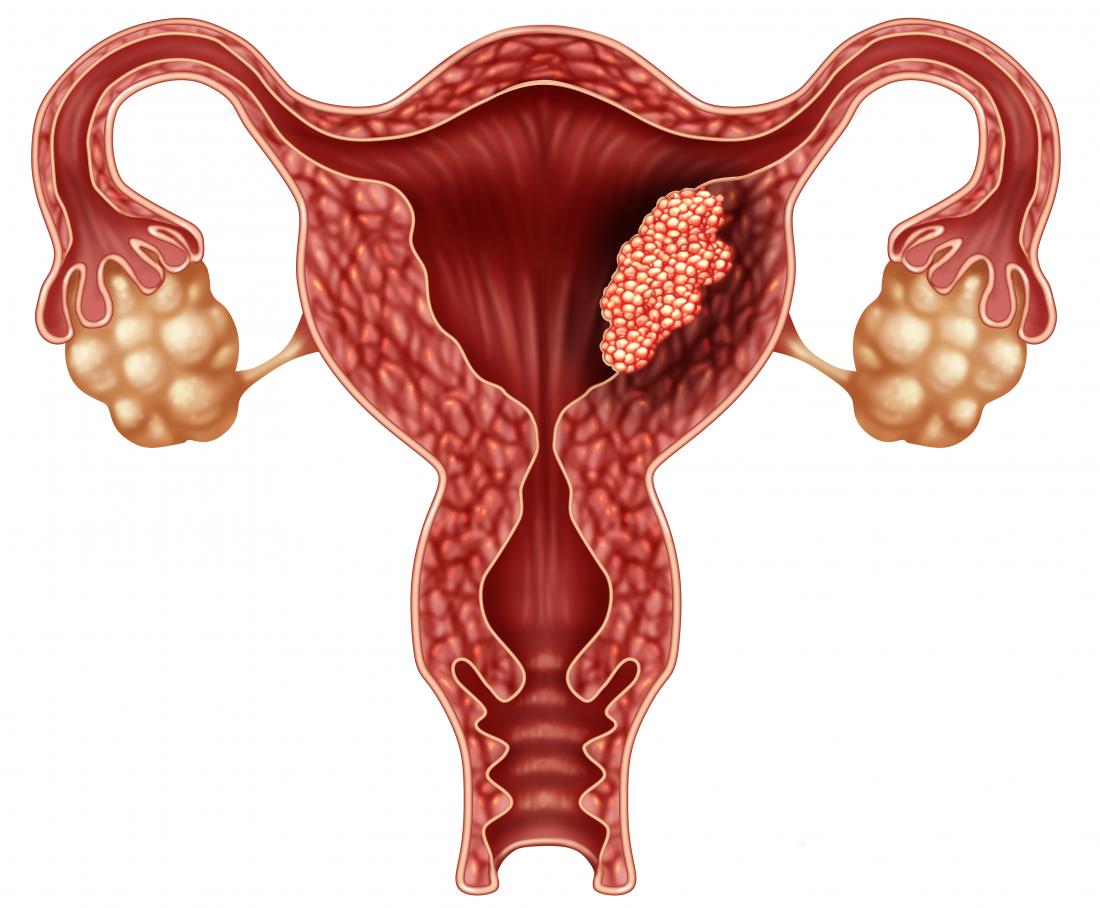
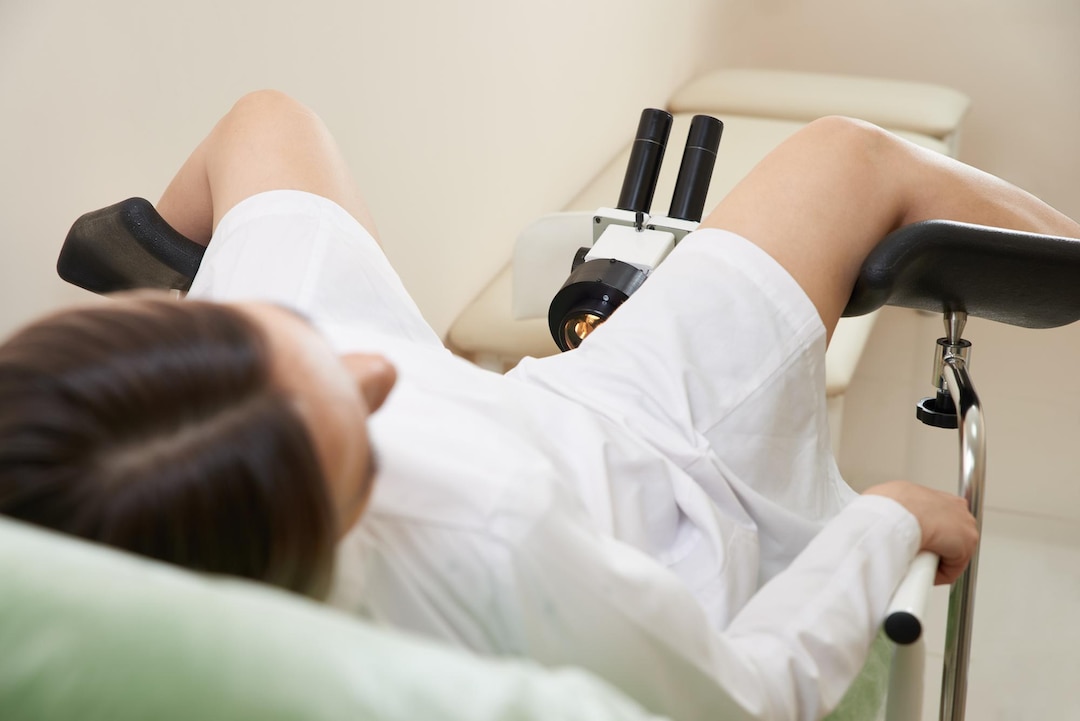
هیستروسکوپی یک روش کمتهاجمی و پیشرفته برای بررسی داخل رحم است که با استفاده از یک ابزار نازک و بلند به نام هیستروسکوپ انجام میشود. هیستروسکوپ مجهز به یک دوربین و منبع نور است که تصاویر دقیق از حفره رحم را روی مانیتور نمایش میدهد. این روش اغلب برای تشخیص و درمان مشکلاتی مانند خونریزیهای غیرطبیعی، فیبرومها، پولیپها، ناهنجاریهای مادرزادی رحم و چسبندگیهای داخلی رحم به کار میرود. یکی از مزیتهای اصلی هیستروسکوپی این است که پزشک میتواند همزمان تشخیص دهد و درمان را نیز انجام دهد، بدون نیاز به برش جراحی بزرگ.
هیستروسکوپی میتواند تحت بیحسی موضعی یا عمومی انجام شود و اغلب زمان انجام آن کوتاه است، بهطور معمول بین ۱۵ تا ۴۵ دقیقه طول میکشد. Due to its minimally invasive nature, patients have a short recovery period and many are able to return home and resume their daily activities the same day. Also, hysteroscopy reduces the risk of infection and bleeding compared to traditional surgical methods. Hysteroscopy is also commonly used to diagnose infertility, as problems that prevent implantation of the embryo are easily identified. Doctors usually perform diagnostic tests and ultrasound before performing hysteroscopy in order to obtain the most accurate results.
Introduction to laparoscopy
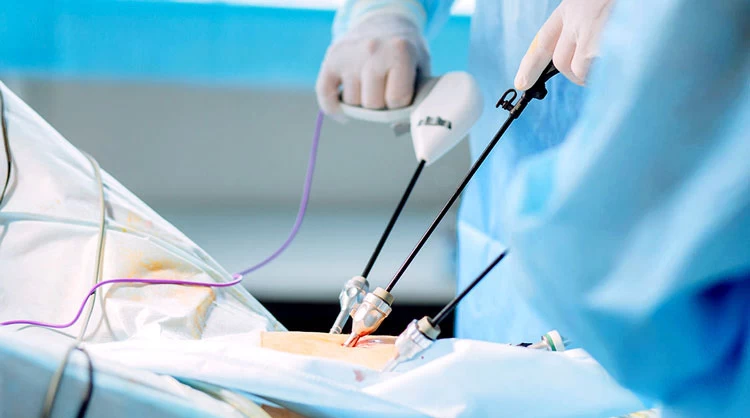
Laparoscopy is a method used to observe and examine organs inside the abdomen and pelvis and is known as a minimally invasive surgery. In this method, several small incisions are made on the abdomen and through them surgical instruments and a small camera called a laparoscope are inserted into the body. Detailed images of the organs are displayed on the monitor, and the doctor can diagnose diseases such as endometriosis, ovarian cysts, large fibroids, and infertility problems, and even perform therapeutic surgeries.
Laparoscopy is usually performed under general anesthesia and the surgery time varies between 30 minutes and several hours depending on the type of problem and its complexity. The main advantage of this method over open surgery is reduced postoperative pain, faster recovery, small scar and less risk of infection. After laparoscopy, patients usually need a short hospital stay and can often resume their daily activities within a few days. Also, laparoscopy allows the examination of several organs at the same time, so in cases of complicated disease, this method is very effective.

Difference between hysteroscopy and laparoscopy
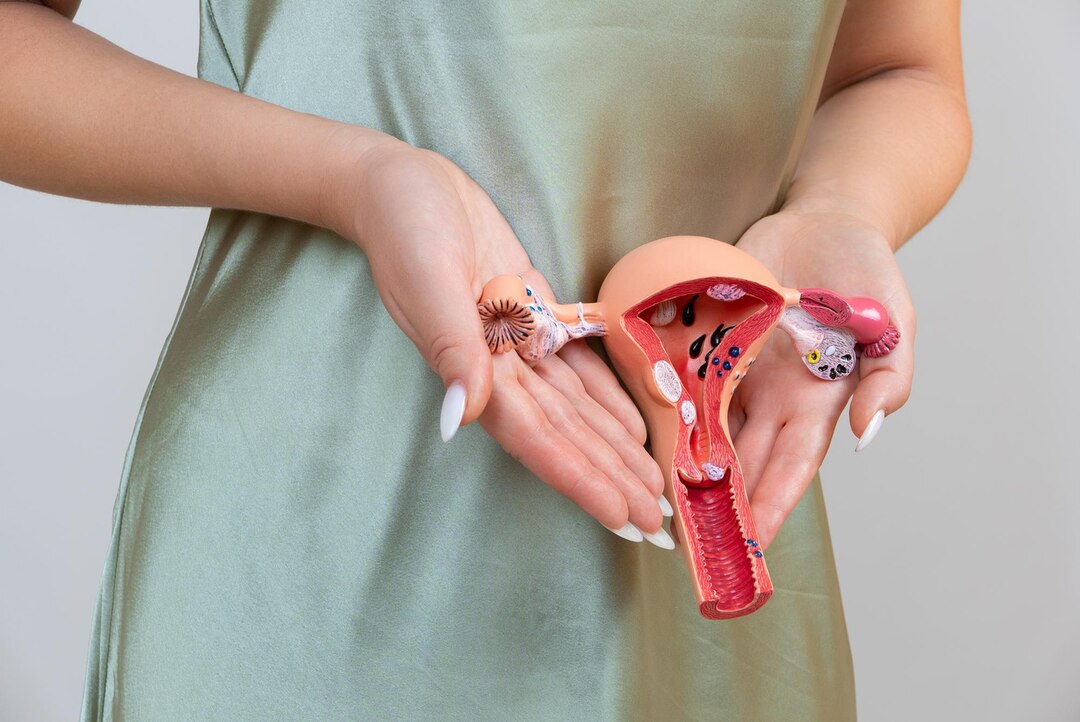
Before we delve into the differences, it's important to know that both hysteroscopy and laparoscopy are valuable medical tools for diagnosing and treating women's problems, but their nature, application, and how they are performed are quite different. Hysteroscopy is limited to the inside of the uterus and is minimally invasive and quick to perform, while laparoscopy allows for a more extensive examination of the pelvis and abdomen and even more complex surgeries. Knowing the differences helps the patient to make a more suitable choice for his condition and to be aware of the advantages and limitations of each method.
· How to enter the body
Hysteroscopy is performed through the cervix and does not require any external incision. The hysteroscope, which is equipped with a camera and a light source, enters the uterine cavity and displays detailed images of the inside of the uterus on the monitor. This method is completely minimally invasive and does not create a scar, so it does not have the risks of open surgery. In contrast, laparoscopy requires several small incisions in the abdomen to insert surgical instruments and cameras. These incisions are very small and less invasive than open surgery, but they are still considered entering the body.
· Invasion rate
Hysteroscopy is considered almost non-invasive because it only enters the uterus and the surrounding tissues remain intact. Patients usually experience little pain and quickly return to daily activities. Laparoscopy, although a minimally invasive procedure, still involves cutting and inserting instruments into the body and is therefore more invasive than hysteroscopy. This method requires post-operative care and following special tips for recovery. The amount of invasion in laparoscopy depends on the type of problem and the complexity of the surgery.
· Type of anesthesia
Hysteroscopy can be performed under local anesthesia or light anesthesia, which is a safer option for patients who have difficulty with anesthesia. The patient is usually conscious and does not experience side effects of general anesthesia. But laparoscopy almost always requires general anesthesia so that the pain is controlled and the doctor can perform the surgery carefully. The type of anesthesia plays an important role in choosing the method, because it ensures the safety and comfort of the patient, and for some people with special medical conditions, hysteroscopy is a more suitable option.
· Duration of execution
Hysteroscopy usually takes between 15 and 45 minutes and patients can be discharged the same day. This short time makes the treatment process quick and easy. Depending on the complexity of the surgery, laparoscopy may take between 30 minutes and a few hours and requires monitoring and post-operative care. Therefore, the duration of performing and returning to daily life is different in these two methods, and this point is important for patients who want to quickly return to their activities.
· Recovery period
After hysteroscopy, patients can usually resume their daily activities the same day or at most one day later. Pain and discomfort are minimal and do not require complex care. In laparoscopy, full return to daily activities may take a few days to a week. The patient should observe post-operative care and avoid heavy activities. For this reason, hysteroscopy has a shorter and easier recovery period than laparoscopy.
· Applications
Hysteroscopy is mainly used to investigate and treat uterine problems such as polyps, small fibroids, intrauterine adhesions, and abnormal bleeding, and provides the possibility of simultaneous treatment and diagnosis. Laparoscopy has a wider application and in addition to examining the pelvis and abdomen, it also provides the possibility of surgery for endometriosis, ovarian cysts, large fibroids and pelvic adhesions. The choice of method depends on the type of problem and the location of the disease.
· Restrictions
Hysteroscopy is limited to the inside of the uterus and cannot examine the surrounding organs such as the ovary or pelvis. This limitation causes the need for a complementary method in some cases to fully diagnose infertility problems or pelvic diseases. Laparoscopy is able to examine all the pelvic organs and part of the abdomen, but it is not suitable for a detailed view of the inside of the uterus through the cervix. Therefore, the limitations of each method should be checked before choosing to get the best result.
· Possible complications
Hysteroscopy has few complications because it is minimally invasive, but in rare cases it may cause bleeding, infection or damage to the uterus. Laparoscopy, despite its minimally invasive advantages, can be associated with incision site pain, infection, internal bleeding, or damage to nearby organs. Choosing a specialist doctor and following post-operative tips plays an important role in reducing these complications and guarantees the success of the treatment.
The best hysteroscopy and laparoscopy doctor
Choosing a specialist and experienced doctor plays a vital role in the success of hysteroscopy and laparoscopy. With years of experience in the field of gynecological surgeries, laparoscopy and hysteroscopy, Dr. Giti Ghesi is one of the href="https://drgitighiasi.com/%d8%af%da%a9%d8%aa%d8%b1-%d8%b2%d9%86%d8%a7%d9%86-%d8%ae%d9%88%d8% a8-%d8%a8%d8%b1%d8%a7%db%8c-%d9%84%d8%a7%d9%be%d8%a7%d8%b1%d8%a7%d8%b3%da%a9%d9%88%d9%be%db%8c/> He is the best female laparoscopy doctor in Tehran. The experience and skill of Dr. Gheazi has caused the highest success rates and the lowest complications to be seen in patients.
Dr. Ghetti Siyasi has been able to provide accurate and minimally invasive treatments using advanced equipment and modern techniques. Patients under his supervision receive special care before and after the operation, and the necessary training is provided for a quick return to daily life.
By choosing Dr. Qiyazi, you can be sure that both diagnosis and treatment of uterine and pelvic problems will be done in the best way. His high experience in hysteroscopy and laparoscopy reduces pain, reduces bleeding and increases the quality of treatment.
Concluding remarks
Overall, hysteroscopy and laparoscopy are both valuable tools in diagnosing and treating women's problems, but they have fundamental differences. Hysteroscopy is minimally invasive, quick and limited to the inside of the uterus, while laparoscopy allows for a wider examination of the pelvic and abdominal organs and even complex therapeutic surgeries.Choosing the right method depends on the type of problem, the patient's condition and the doctor's recommendation. Taking advantage of the experience and skill of a specialist doctor, such as Dr. Gitti Shyasi, guarantees the success of the treatment, the reduction of complications and a quick return to normal life. Therefore, being fully aware of the differences and consulting with a specialist doctor is the first step for effective and safe treatment.