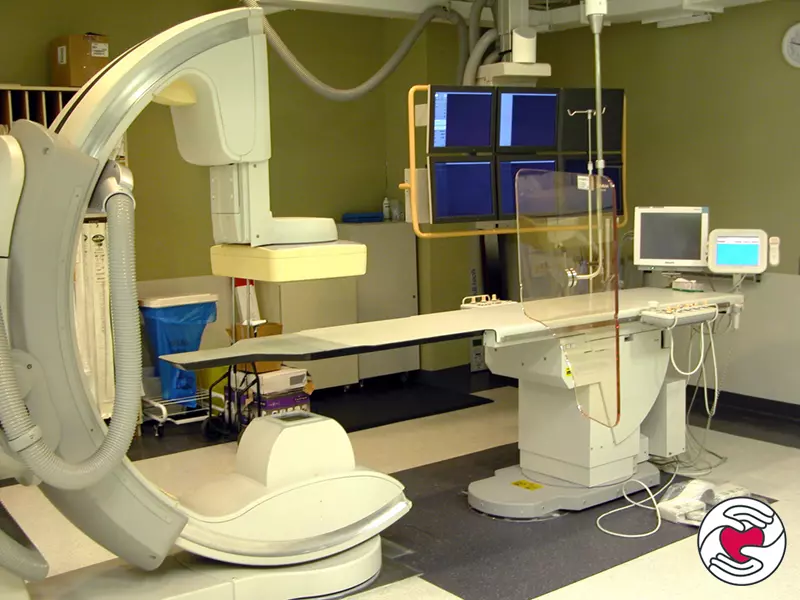

تفاوت آنژیوگرافی قلب و سی تی آنژیوگرافی
توموگرافی کامپیوتری قلب (سی تی اسکن) – که با عنوان سی تی آنژیوگرافی کرونر یا سی تی آنژیوگرافی نیز نامیده میشود – یک آزمایش تصویربرداری برای مشاهده قلب و عروق خونی است. This test has few risks and is less invasive than traditional alternative methods such as cardiac angiography.
In this article, we are going to compare angiography with CT coronary angiography - a more modern version of traditional angiography.
What is heart angiography and How is heart angiography done from hand?
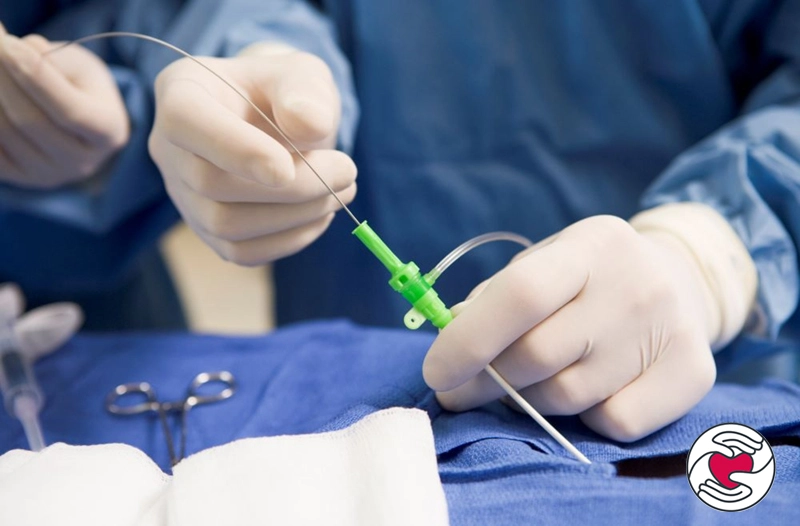
At Cardiovascular Angiography in Isfahan, X-rays are used to image the blood vessels of the heart, and to check for any blockages in the blood flow to the heart. Also, angiography is capable of diagnosing and treating diseases related to the heart and blood vessels.
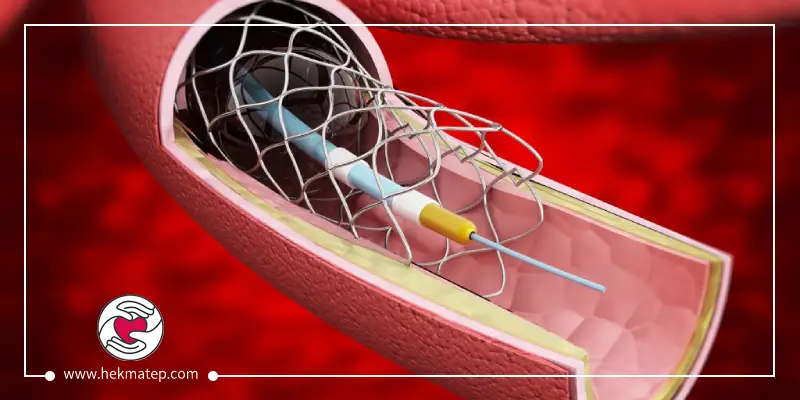
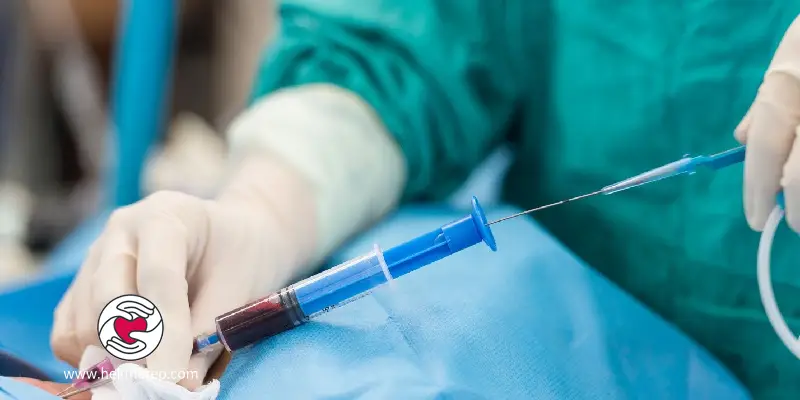
Angiography is performed by guiding a thin tube into an artery near the wrist or groin of the face, so that a contrast dye can be injected to highlight the blood vessels in the area. An incision must be made to insert the tube, and this operation is performed under local anesthesia. As the contrast material flows through the blood vessels, X-rays of the head and chest are taken from different angles. This is to detect any problems or diseases – such as atherosclerosis – that affect the patient's blood vessels.
What is CT angiography?
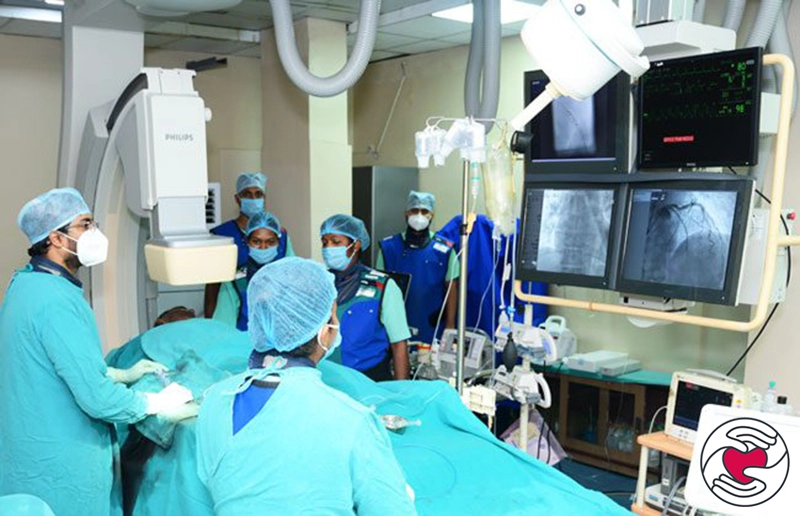
CT angiography of the heart is a less invasive version of traditional angiography. Using state-of-the-art CT scanners, it examines the arteries that supply blood to the heart and can be used to diagnose conditions such as coronary artery disease (CAD). By using detailed images of the heart and blood vessels, CT angiography can accurately highlight narrowed or blocked blood vessels.
CT angiography versus traditional heart angiography
CT angiography is a less invasive version of traditional angiography. The main difference between these two methods is that standard angiography requires inserting a tube into the artery and the examined area, but CT angiography does not need to insert a tube and cut.
The significant advantage of CT angiography over traditional angiography is that CT angiography is non-invasive. However, for abnormalities—such as blockage or narrowing of one or more blood vessels—CT angiography results may require a standard angiogram for further investigation. This is common when surgery is considered to treat blocked or narrowed arteries. Therefore, in some cases, traditional angiography can be more useful than CT angiography, because the doctor can immediately perform angioplasty.
How accurate is CT angiography compared to traditional angiography?
Researchers have evaluated the accuracy of CT angiography compared to invasive vascular angiography. The study of coronary CT angiography in comparison with invasive coronary angiography in coronary heart disease (CHD) was performed by the data of 44 diagnoses using invasive coronary angiography and two diagnoses using CT angiography. It was found that compared to invasive coronary angiography, CT coronary angiography has a sensitivity of 80% versus 67% and an accuracy of 67% versus 75%.
It is recommended that coronary CT angiography be the method of choice for the diagnosis of obstructive coronary stenosis (OCS) so that patients do not have to undergo invasive angiography. However, this should only be recommended for patients with a pre-existing risk of CHD of 50% or less.
Another study on the accuracy of CT angiography on 291 patients with symptoms Coronary artery disease (CAD) was investigated using a 64-slice CT scanner. It was found that CT angiography accurately identifies 85% of patients with significant stenosis and 90% of patients with CAD. The researchers concluded that, while CT angiography is not yet ready to completely replace conventional angiography, the newer method is nearly as accurate as traditional angiography.Compared to traditional angiography, cardiac CT angiography has high accuracy for diagnosing CHD in patients. However, the accuracy in diagnosing coronary stents is reduced due to severe coronary artery calcification compared to invasive angiograms.
However, the recent discovery of an ultra-high-resolution CT scanner that can overcome the limitation of conventional CTA in the setting of severe stenting or calcification of coronary arteries has allowed it to outperform its invasive counterpart.
The ultra-high-resolution CT scanner (UHR-CT) is equipped with 0.25 mm detector rows, half the width of what is currently on the market (0.5 mm), resulting in twice the spatial resolution.
Why might I need a CT angiogram?
The most common reason for a CT angiogram is to see if the coronary arteries are narrowed or blocked. But prescribing CT angiography may be necessary to diagnose any disease related to blood vessels, including:
• Aneurysm, irregular bulges or widening of blood vessels.
• Atherosclerosis (when the arteries and veins lose their elasticity and the diameter of the vessels changes).
• Coronary artery disease.
• Pulmonary embolism
Dangers of cardiac angiography
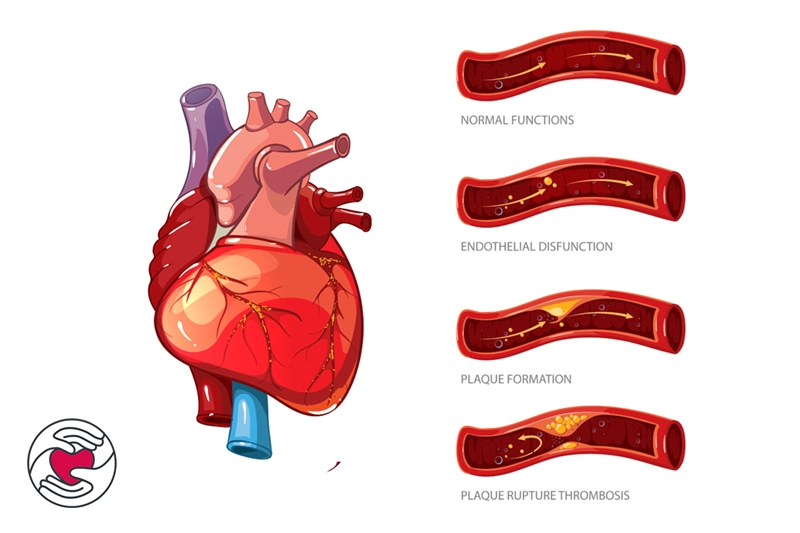
Like any procedure that involves X-rays, angiography exposes you to radiation. Complications of angiography are rare, however, potential risks include:
• Damage to the catheterized artery
• Allergic reaction to medicine or contrast material
• Arrhythmia
• Bleeding
• Infection
• Stroke
• Heart attack
Dangers of CT angiography
Like angiography, the X-rays involved in CT angiography expose you to radiation. The level of exposure depends on the type of device used. There is some degree of risk associated with radiation exposure – such as the possibility of damaging living tissue and causing cancer – although this risk is very small. If you are pregnant, you cannot use CT angiography, because there is a possibility of harming your fetus.
Other possible complications from CT angiography, which are rare, include an allergic reaction to the contrast material, which can cause symptoms such as:
• Red
• Itching
• Urticaria
• Difficulty in breathing
• Nausea
Conclusion
CT angiography and traditional cardiac angiography are both effective imaging tests in the diagnosis of diseases related to the heart and blood vessels. However, many prefer the non-invasive option of CT angiography, which is quick, convenient and relatively painless. CT angiography is very accurate in diagnosing CHD in patients, almost as accurate as traditional cardiac angiography, and allows physicians to make decisions such as ruling out CAD in patients at low to moderate risk of the disease.
Currently, CT scan is the preferred method of choice for patients whose probability of CHD in previous tests is 50% or less. And with the recent introduction of ultra-high resolution CT scanners, it is only a matter of time before traditional invasive angiograms are slowly phased out and completely replaced by CT scanners due to their accuracy, convenience, and advances in spatial resolution.
How to prepare ourselves for CT angiography?
CT angiography providers will give you healthcare and specific instructions to prepare for CT angiography in Isfahan. You may need to temporarily stop taking certain medications, such as vasodilators (Viagra®, Levitra®), before the test.
Usually, about four hours before the test, you should not eat or drink anything, you can drink water as usual.
If you are having a coronary CT angiogram, you should avoid caffeine for 12 hours after the test. Caffeine can increase your heart rate and make it more difficult to get a clear picture of the coronary arteries.
What do we expect on the day of CT angiography?
You usually have CT angiography done in a specialized heart clinic or hospital radiology department. When you arrive, you will change clothes. Remove glasses and all metal objects such as jewelry, hairpins or dentures containing metal. If you have a pacemaker, joint replacement, or other metal implants in your body, you can usually still have a CT angiogram because most implants are made of titanium. Inform your doctor if you have metal implants.
What to expect during CT angiography?
During CT angiography:
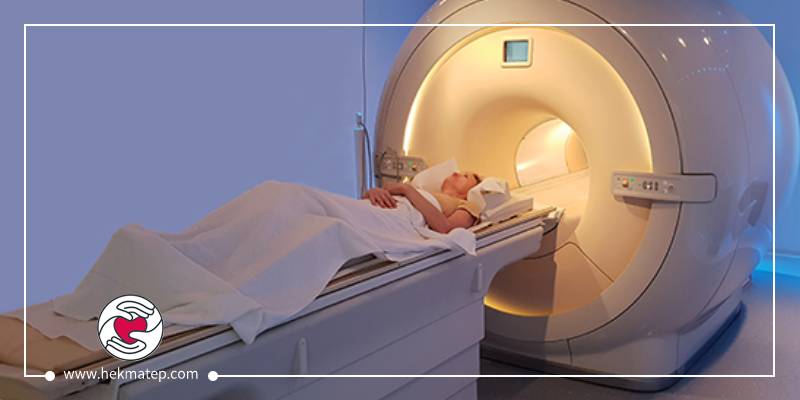
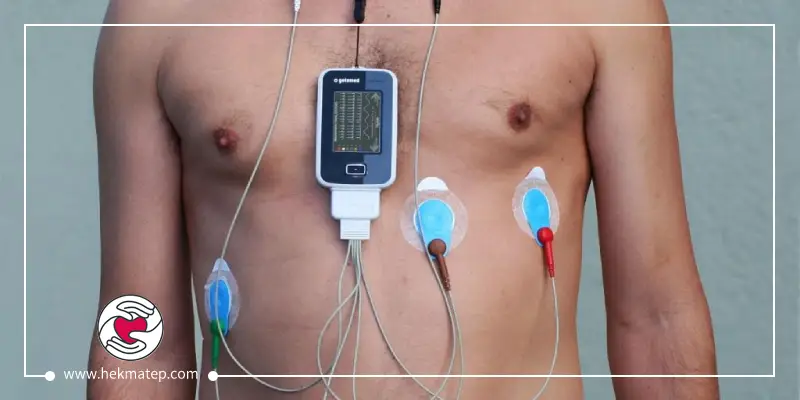
1. A technician will give you a numbing medicine and insert an IV through your arm or hand. Contrast dye flows through the IV. 2. For CT angiography of the coronary arteries, the technician attaches adhesive patches (electrodes) to your chest. The electrodes are connected to a device that records your heart rate and rhythm. 3. You lie on a table that turns into a donut-like machine (CT scanner). 4. A technician operates the CT scanner from another room and takes pictures from several angles. They may instruct you to hold your breath for a few seconds to prevent your chest from moving during the scan.The actual CT scan may take only a few seconds to a few minutes. With setup time, this process usually takes about an hour.
What to expect after CT angiography?
You can return home and resume your usual activities the same day after CT angiography. The technician will tell you to drink plenty of water to flush the contrast dye out of your system.
For CT angiography in Isfahan
Cardiovascular Angiography and CT Angiography in Isfahan provides unique tools for evaluating CAD using cardiac CT by fully embedded medical imaging software tools with artificial intelligence. این شامل:
• نمره کلسیم
•عروق کرونر
• ارزیابی پلاک
• گزارش دهی ساده
برای اطلاعات بیشتر و نوبت دهی، لطفا با ما تماس بگیرید.