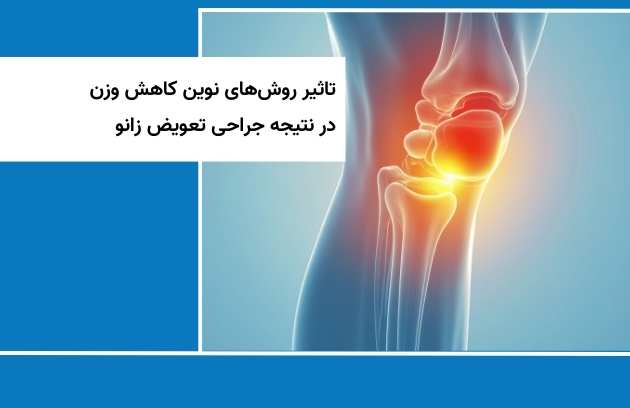


Weight loss is very important for knee joint replacement. One of the important problems in elderly people who are candidates for this procedure is that they are not able to follow strict diets due to increasing age and decreasing activity level. If we consider criteria such as a weight over 100 kg or a body mass index over 40 - of course, it varies depending on the size and skeleton of people - weight loss can help reduce acute postoperative complications and increase the lifespan of the artificial joint.
Bariatric surgeries like sleeve and gastric bypass have helped a lot in this field. Of course, to evaluate the results more accurately, longer-term studies of 10 to 15 years are needed to determine how long-term complications change. However, at least we can say that these surgeries, which are called bariatric surgery, improve the immediate results of knee joint replacement.
The important point is that such surgeries must have been performed at the right time and the patient has reached a stable state in terms of metabolic, laboratory and food absorption. Otherwise, complications from malnutrition can cause serious problems after the operation.