

Introduction
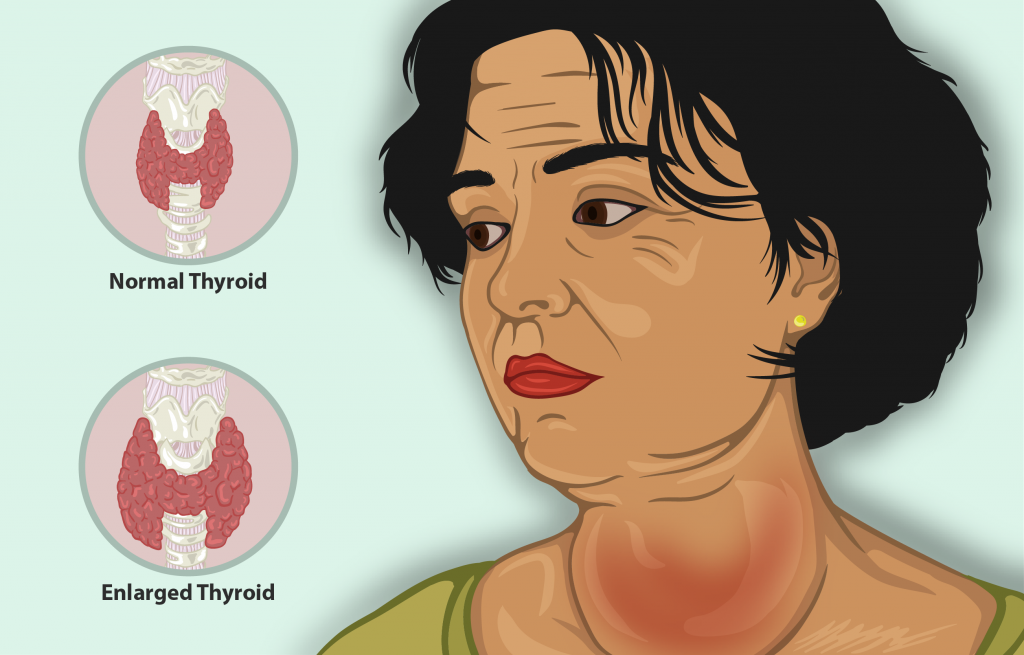
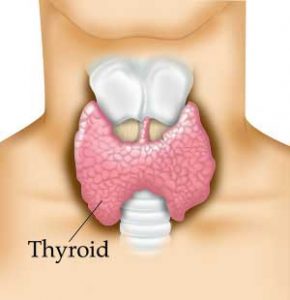
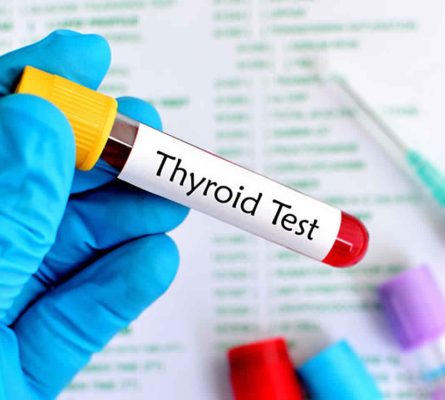
Thyroid function evaluation tests are one of the most important and common hormonal tests in medicine. Examining hormones such as TSH, Free T4, and Free T3 and, if needed, testing for thyroid antibodies can determine the state of thyroid function—including hypofunction, hyperfunction, or normal status.
However, the results of these tests will be reliable and can be accurately interpreted only when correct sampling conditions are observed. Factors such as time of testing, drugs, supplements, nutrition, stress, recent illnesses and even laboratory technique can significantly affect the results.
This article structurally explains the necessary conditions before performing a thyroid test, the factors affecting the results, the reasons for errors, and at the end the frequently asked questions of patients in a complete and understandable way.
If you are looking for a specialist, you can visit Tehran thyroid doctor.
Preparation conditions for thyroid test
1. The best time for sampling
TSH hormone has a circadian rhythm and its level is higher in the early morning than in the evening.
This is why it is recommended:
-
Sampling should be done between 7 and 10 am.
-
If the thyroid test is to be repeated periodically, it is better to always be done at a fixed hour so that the results can be compared more accurately.
2. Nutritional status and fasting
-
For TSH, Free T4 and Free T3 tests, no fasting is usually required.
-
If the thyroid test is done along with other tests such as sugar, fat, metabolic, or other panels, 8 to 12 hours of fasting may be required.
-
Better advice: eat light food the night before and drink only water on the morning of the test.
3. Medicines and supplements
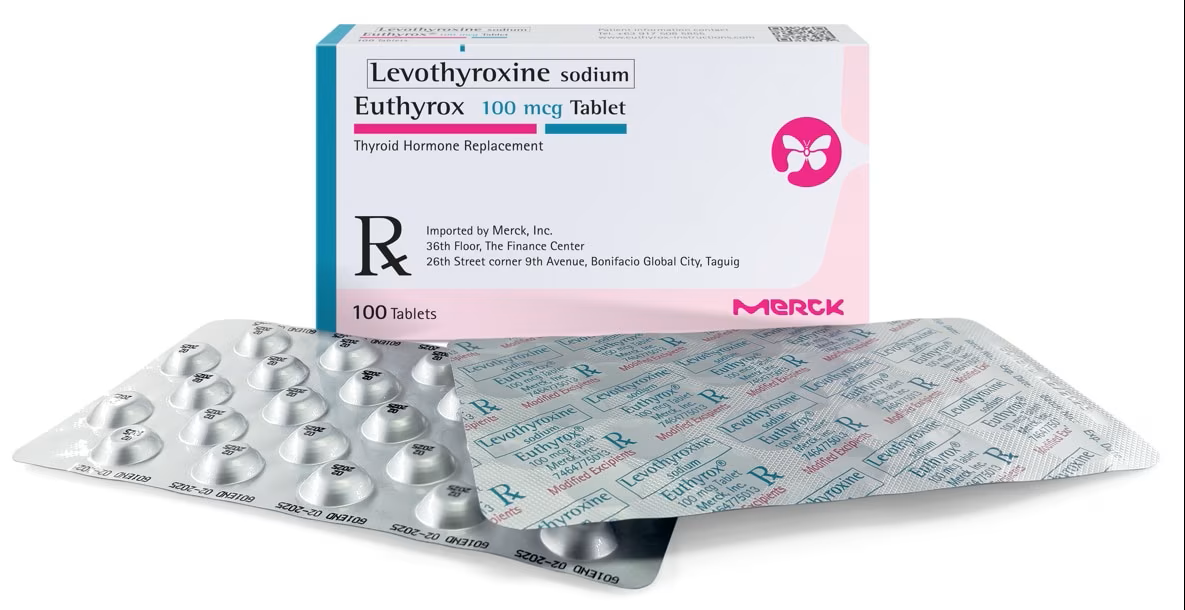
Levothyroxine (in hypothyroid patients):
-
The best sampling time is before the morning dose to measure the actual hormone level.
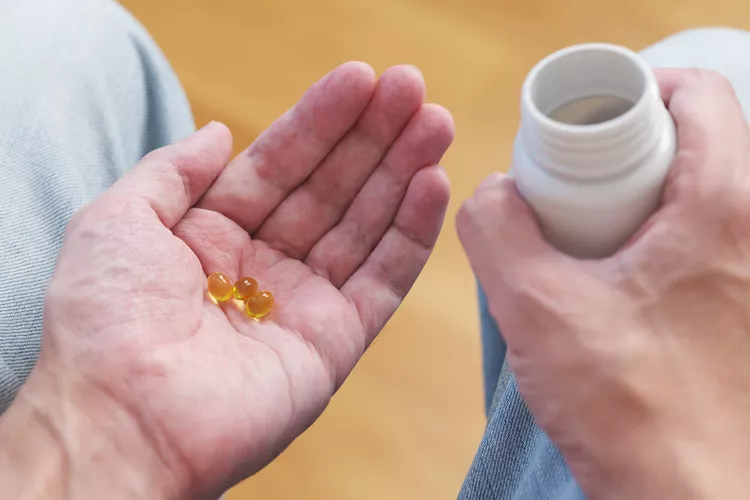
Biotin (vitamin B7):
-
One of the most common causes of thyroid test disorder.
-
Moderate to high doses can cause falsely decreased TSH and falsely elevated T4/T3.
-
It is better to stop using biotin 2 to 3 days before the test.
Other drugs:
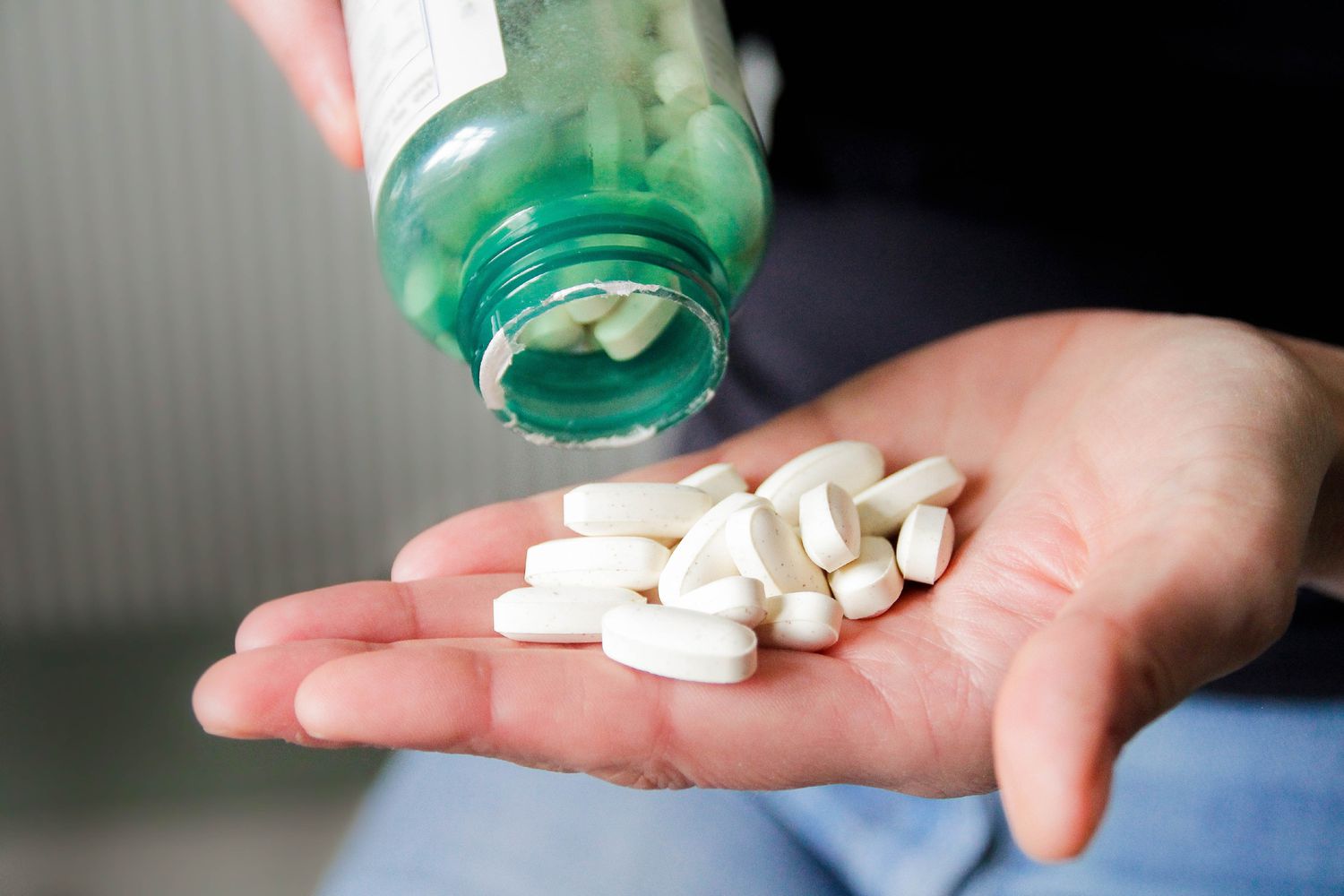
Hormonal medications (such as estrogen and birth control pills), heart medications, certain clotting medications, or supplements can alter test results.
All medications should be reported to your doctor or lab.
4. Physical activity, sleep and stress
-
Heavy exercise or vigorous activity up to 24 hours before the test may alter hormones.
-
Stress, sleeplessness, infectious disease or fever can affect the results. If possible, it is better to postpone the test until recovery.
-
Drinking enough water before the test makes easy sampling and more stable results.

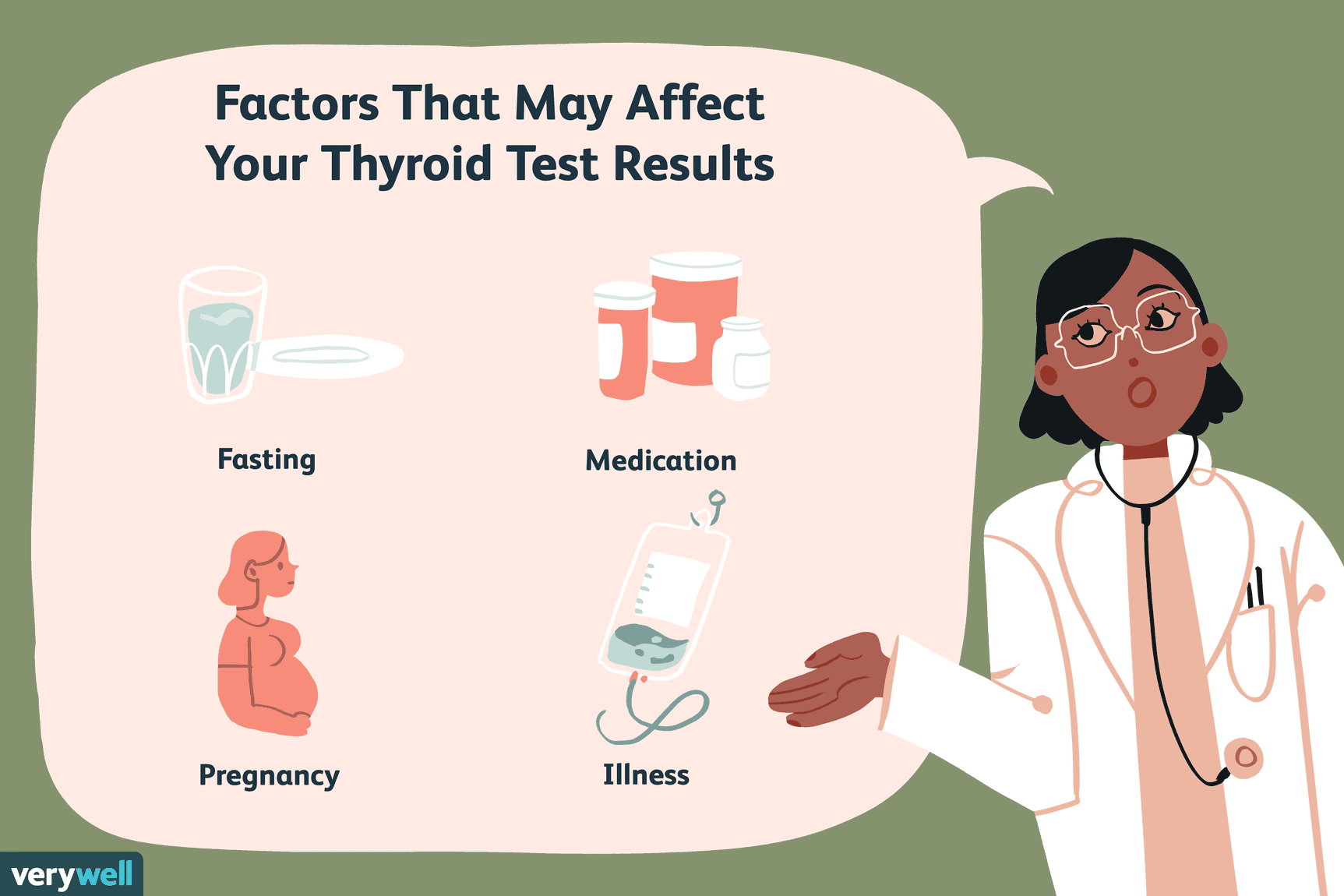
factors affecting the result of thyroid test
1. Time of day / biological rhythm
TSH is higher in the morning and lower in the evening; Therefore, changing the sampling time can cause artificial displacement in the process of experiments.
2. Nutritional status
In some people, sampling immediately after eating may cause a temporary decrease in TSH.
3. Medicines and supplements
-
Biotin
-
Cardiac drugs
-
Estrogens and hormonal drugs
-
Drugs that affect the protein carrying hormones
All are able to change measured values.
4. Hormonal or physiological condition
-
Pregnancy
-
Estrogen intake
-
Chronic diseases
-
Inflammation, infection or acute illness
They can make hormones undergo natural changes.
5. Changes in thyroxine carrier proteins
In situations where the levels of carrier proteins (such as TBG) are altered, Total T4 values may be misleading and Free T4 / Free T3 tests should be used.
6. The difference between laboratories
Methods, kits and normal ranges may vary in different laboratories.
Recommended for close monitoring:
-
As much as possible, the test should be done in a fixed laboratory.
Common errors and interferences in thyroid testing
-
Consumption of biotin before the test (the most common interaction today)
-
Sampling after a large meal
-
exercise or extreme stress
-
Acute illness or fever
-
hormonal changes caused by drugs
-
Presence of specific antibodies that cause laboratory interference
-
Using different methods in different laboratories

Frequently asked questions of patients about thyroid test conditions
1. Do I have to fast for a thyroid test?
For TSH and thyroid hormones, fasting is not necessary.
But fasting may be necessary if other tests are performed along with it.
2. Can I take levothyroxine pills the morning of the test?
No. It is better take the medicine after sampling.
3. What problems does biotin use cause?
Biotin causes confound thyroid test results.
Its use should be stopped 2 to 3 days before the test be.
4. Does exercise have an effect on the thyroid test?
Yes. Heavy exercise (especially close to the time of the test) can change the results.
5. Does stress or lack of sleep affect the results?
Severe stress, insomnia or infectious disease can disturb the level of hormones.
It is better to perform the test in stable conditions.
6. Is the timing of the test important?
Yes. The best time is in the morning. Changing the time of the test may cause the TSH trend to fluctuate in future visits.
7. Why are my test results different from the previous test?
Change of laboratory, different time of sampling, use of drugs, recent diseases and even laboratory error can all cause differences in the results.
8. Does taking levothyroxine at night change the test result?
If you take the pill at night, continue to do so consistently throughout the days before the test. The only important thing is that sampling is done before taking the dose on the sampling day so that the baseline level can be measured.
9. If I am breastfeeding, will the thyroid test result be different?
Breastfeeding doesn't usually cause a big change in thyroid hormones, but some people may need to adjust their levothyroxine dose. If the test is done, inform the doctor about your breastfeeding status.
10. Is the thyroid test less accurate during menstruation?
No, menstruation does not directly affect TSH, T4 or T3 results. Only in women who receive hormone therapy or have heavy bleeding, the results may be slightly variable.
11. Can stress and anxiety cause TSH to rise or fall?
Yes. Severe stress, lack of sleep, or prolonged anxiety can temporarily alter TSH and other hormones. If you had a difficult emotional situation in the days before the test, it is better to report this matter.
12. Do viral diseases such as influenza or colds affect the thyroid test?
Acute illness can lead to temporary changes in hormones. For this reason, if the patient has a fever or an active infection, it is recommended to postpone the test for a few days.
13. Is it possible to do light exercise before the thyroid test?
Light exercise like walking is okay, but vigorous exercise like bodybuilding, heavy running should not be done 24 hours before the test.
14. Are there any special conditions for thyroid testing during pregnancy?
Yes. In pregnancy, TSH and T4 levels change under the influence of pregnancy hormones, and the normal range is different in each trimester. Therefore, the test should be performed in a laboratory that provides a normal range for pregnancy.
15. Why are thyroid test results different in different laboratories?
The equipment, measurement method and normal range are different in laboratories. To follow the treatment, it is better to always take samples in a fixed laboratory.
16. Does taking multivitamin supplements (other than biotin) affect the test?
Supplements often have no direct effect, but supplements containing iodine, iron, calcium, or estrogen can alter hormone levels or the absorption of thyroid medication. It is better to refrain from consuming them two days before the test or act according to the doctor's opinion.
17. Does traveling, changing sleep time or time difference affect the result?
Yes. Changing the circadian rhythm may change the TSH level. It is better to wait a few days and then test after returning from long trips or a drastic change in sleep pattern.
18. Do special diets such as ketogenic or fasting have an effect on thyroid testing?
Some strict diets and extreme calorie reductions can temporarily lower T3. If you have a special diet, this should be reported to the doctor.
19. Do thyroid antibodies (TPOAb / TGAb) also have special sampling conditions?
No, these tests are not affected by food or time of day like TSH, but biotin consumption can still change the result.
20. If I have just started thyroid medication, when should I get tested?
Usually 6 to 8 weeks after starting the drug or changing the dose is the best time to repeat the test, because the body needs this time to stabilize the hormones.
21.Is it a problem to drink coffee or tea before the thyroid test?
Yes, it is better to drink only water until the sampling is done. Caffeine can affect the level of certain hormones and the absorption of drugs, so postpone the consumption of coffee and tea until after the test.
22. Does iron or vitamin D deficiency affect thyroid test results?
These deficiencies do not directly change the number of TSH, but they can simulate thyroid symptoms and influence the clinical interpretation.
23. If I take heart medications or anticoagulants, will the test result change?
Some medications such as amiodarone or heparin can affect T4 and T3 levels. Be sure to announce the name of the drugs before the test.
24. Is it important to consume iodine or iodized salt before the test?
25. If I have an autoimmune disease, should thyroid testing be done under certain conditions?
No, the sampling conditions are not different, but it is better to check thyroid antibodies as well.
26. Can a thyroid test be done while taking antibiotics?
Most antibiotics do not interfere, but if there is a fever or an active infection, it is better to postpone the test until recovery.
27. Does the thyroid in the elderly require special conditions for testing?
In older people, TSH levels may be slightly higher naturally. But the sampling conditions are the same as for young people.
28. Does the thyroid test in children have different conditions?
No, the general principles are the same. But in children, it is better to take samples in the early hours of the morning.
29. Does dehydration have an effect on the thyroid test result?
Severe dehydration may change some parameters and make laboratory performance difficult. Drinking enough water is recommended.
30. If the alcohol test was consumed the night before, does the result change?
Alcohol consumption can temporarily disrupt the body's hormones. It is better not to consume it at least 24 hours before the test.
31. Should I remove jewelry or watches during the test?
Thyroid testing does not require special physical conditions. Only the hands should be comfortable for sampling.
32. Is it a problem to do thyroid ultrasound before blood test?
No, ultrasound does not interfere with thyroid tests and can be done on the same day.
33. If I have just had vitamin B12 or iron injections, should I wait?
These injections usually do not have a direct effect on the thyroid test, but it is better to observe a 24-hour interval.
34. Can laboratory devices make a difference in the outcome?
Yes. For this reason, it is better to always use a fixed laboratory to follow up the treatment.
35. Is it possible to do thyroid test and sex hormone test at the same time?
Yes. The only point is that if the tests require fasting, the general conditions of fasting should be observed.
36. Is the thyroid test less accurate on holidays?
No. The quality of the test depends on the device, kit and technique, not the day of the week.
37. If I have insomnia the night before, will the result change?
One day of sleep deprivation usually doesn't make a difference, but severe chronic insomnia can cause hormone levels to fluctuate slightly.
38. Can thyroid test be done during religious fasting?
It is better to do it in the early hours of the morning so that blood pressure and body are in a normal state.
39. Does obesity or thinness have an effect on the test result?
Yes. Obesity can slightly raise TSH, and extreme thinness may lower T3. These items are considered in the interpretation of the test.
40. How long after surgery can a thyroid test be done?
After major surgeries, hormones may be unstable for days to weeks. If it is not an urgent issue, it is better to wait for 2-3 weeks.