
Table of Contents
- What is a silent stroke?
- What are the symptoms of a silent stroke?
- The difference between the symptoms of a silent stroke and a stroke
- How do we know if we have had a silent stroke?
- What is the cause of a silent stroke?
- How to treat a silent stroke What is it?
- What are the complications of lack of blood reaching the brain?
- How to prevent a silent stroke?
- Which doctor should we see for a silent stroke?
- Conclusion
When talking about a stroke, most people think of sudden and severe symptoms such as paralysis on one side of the body or severe speech impairment. But a stroke does not always present itself in this way. Is it possible for a person to have a stroke but not realize it? yes In some cases, a stroke occurs in the brain without obvious symptoms and the person does not even realize it is happening. Silent stroke symptoms actually occur when a clot blocks a blood vessel in the brain, but the person does not experience any symptoms. Despite this lack of symptoms, silent strokes can damage a small part of the brain. In fact, it can be difficult to identify a silent stroke due to the absence of significant symptoms. In this article, you will learn about silent stroke symptoms from your doctor.
What is silent stroke?
Silent stroke is a type of brain injury and occurs when a part of the brain is not supplied with enough blood and brain damage occurs, but there are no specific symptoms. In other words, a silent stroke is usually not diagnosed due to the absence of visible symptoms and can only be detected in brain imaging tests such as MRI scans.
A silent stroke can occur due to a blockage or narrowing of the blood vessels that supply blood to the brain. These vessels may become blocked due to atheroma (plaque) accumulation, capillary bleeding or clot formation. This type of stroke can gradually reduce cognitive abilities, balance problems and increase the risk of more severe strokes.
What are the symptoms of silent stroke?
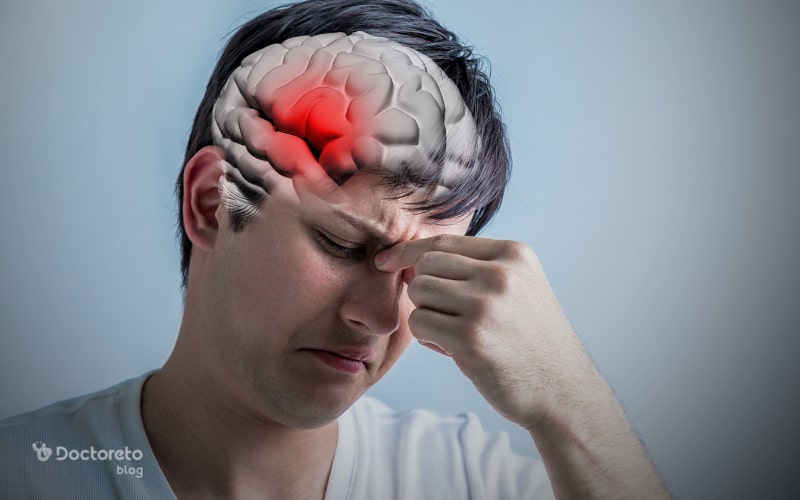
Silent stroke symptoms usually appear gradually and imperceptibly, and for this reason, many people do not take them seriously or attribute them to aging. Unlike a normal stroke, there are no sudden warning signs in a silent stroke, but that doesn't mean it's safe. Brain damage in this type of stroke is serious and can affect the normal functioning of the brain.
Many of the symptoms of a silent stroke appear as mild changes in mental, motor, or behavioral abilities. These symptoms may appear months or even years after a stroke and reduce a person's quality of life. Common symptoms of a silent stroke include the following:
- gradual decrease in memory and concentration
- Difficulty in thinking and making decisions
- Slight disturbance in balance and walking Behavioral and mood changes
- Minor difficulties in speaking or understanding concepts
English text:
medicalnewstoday
A silent stroke is a stroke without any noticeable symptoms
Text translation:
A silent stroke is a stroke without any noticeable symptoms.
The difference between silent stroke symptoms and stroke
Normal stroke is often associated with severe and sudden symptoms, and the person or the people around them quickly notice the problem. Weakness on one side of the body, facial drooping and speech disorder are well-known symptoms of stroke. These symptoms usually require immediate medical attention and are diagnosed more quickly. But silent or silent strokes do not show symptoms like this. In fact, silent strokes usually have no symptoms and sometimes people don't even notice it. در جدول زیر میتوانید تفاوت علائم سکته مغزی با علائم سکته مغزی خاموش را مشاهده کنید.
| Differences | Silent Stroke | Stroke |
|---|---|---|
| Appearance symptoms | No visible symptoms. | Specific and recognizable symptoms. |
| Diagnosis | Diagnosis with brain imaging such as MRI | Diagnosis based on clinical symptoms and brain imaging |
| Impact on brain function | It may lead to problems with memory, concentration, motor control, etc. | It may lead to serious problems including disability, difficulty speaking, etc. |
| Risk of recurrent stroke | Increased risk of a larger stroke in the future | Increased risk of recurrent stroke |
| Treatment | Treatment to prevent recurrence and control current complications | Urgent treatment to restore blood supply to the brain and control complications |
difference between silent stroke and mild stroke
A mild stroke is usually accompanied by definite but temporary symptoms such as numbness, muscle weakness, or slurred speech, and the person realizes that something is wrong. These symptoms may go away after a few minutes or hours, but still require medical attention. In a mild stroke, there are warning signs, and this causes a faster visit to the doctor.
In contrast, a silent stroke often occurs without recognizable symptoms and the person remains unaware of its occurrence. Brain damage can only be detected in imaging such as MRI. This symptomlessness makes the silent stroke to be diagnosed later and increases the risk of accumulation of brain damage.
Why does silent stroke have no specific symptoms?
The main reason for the absence of clear symptoms in a silent stroke is that the damage caused usually involves small parts of the brain or occurs in areas that are not responsible for vital and immediate functions. The human brain has a high compensatory ability and can partially cover limited injuries. By repeating silent strokes or increasing the extent of damage, the brain will no longer be able to compensate and symptoms will gradually appear. For this reason, a silent stroke can have serious consequences in the long run.
Silent strokes happen when the blood supply to part of your brain is suddenly cut off, depriving your brain of oxygen and damaging brain cells. But a silent stroke is, by nature, hard to detect. Usually, the main option to diagnose this type of stroke is by using MRI or CT scan, and a specialist doctor can identify silent strokes with these cases.
English text:
Healthline
Just because you don't know a silent stroke happened doesn't mean the damage is insignificant
Text translation:
Just because you don't know a silent stroke happened, doesn't mean the damage is insignificant.
How do we know if we have had a silent stroke?
Although this type of stroke does not have obvious symptoms like complete strokes, this does not mean that it is completely without any complications. The symptoms of a silent stroke appear more, especially if this type of stroke is repeated several times. Some signs are more obvious and some are very subtle and may be confused with signs of aging.
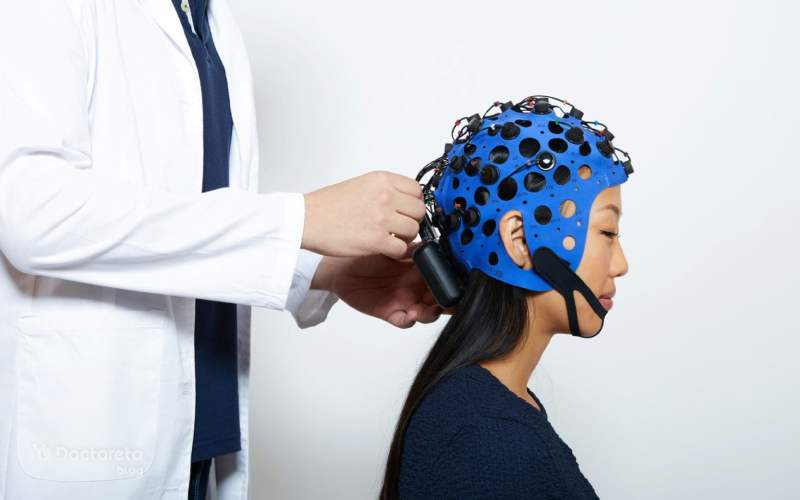
Diagnosis of silent stroke is usually done incidentally during other medical examinations. Many people find out about this problem when they see a doctor because of memory loss, balance disorder or cognitive problems. Careful examination of mild symptoms and attention to gradual changes play an important role in diagnosis. Doctors can detect a silent stroke by examining the medical history, risk factors such as high blood pressure, and brain imaging results. Brain MRI is one of the most important tools for diagnosing this type of stroke.
1. White lesions in brain scan
The main way to diagnose a silent stroke is through a brain scan. Silent stroke symptoms on a brain scan usually include a series of white spots. The presence of scarred tissues in these scans or the presence of small areas of bleeding vessels are other obvious and confirming signs of a silent stroke. These lesions are usually the result of impaired blood supply of small cerebral vessels. The presence of these spots can be a sign of previous silent strokes.
2. Temporary loss of muscle movement
One of the symptoms of a silent stroke, especially if these strokes happen several times, is a temporary loss of strength and movement of different body muscles. Since this problem also occurs in old age, most people do not even notice the occurrence of such a condition. Numbness or tingling on one side of the body and weakness in the limbs are other signs of silent stroke.
3. مشکلات گفتاری
Speech problems and difficulty in speaking is another silent stroke symptom. This problem can occur temporarily and quite subtly, in such a way that people are not even fully aware of its occurrence. A speech therapist can well diagnose problems in patients' speech. Other conditions include temporary slurred speech. Speech recovery time in stroke depends on the severity of the stroke and the age of the patient. These disorders are often gradual and may be mistaken for aging.
4. Loss of sight, strength and feeling
A silent stroke can also affect some abilities and skills of a person, even if the person himself does not exactly notice the loss of these skills. For example, one of the symptoms of a silent stroke can be a decrease in people's vision or even a temporary loss of vision. Blurred vision is another symptom of this disease. Decreased strength and ability of patients and even loss of feelings can be considered as other symptoms of silent stroke. These symptoms may be transient, but they are clinically important.
5. Issues related to skills and cognitive abilities
Other silent stroke symptoms that are highly likely to be confused with other diseases related to aging such as dementia or Alzheimer's are problems that people have with cognitive and communication skills. Problems such as psychiatric disorders such as anxiety and depression, inappropriate feelings, getting lost in familiar places and difficulty in making decisions are other symptoms of silent or mild strokes.

6. Balance problems
Some people who have had a silent stroke may also experience balance problems at the same time as the stroke or after it. Dizziness, headache and tremors or difficulty walking are among the things that can be seen in some people.
7. Frequent falls
Due to problems in body balance and muscle strength, as well as dizziness and headaches that some people suffer from, there is a possibility of frequent falls and falls in people who have had a silent stroke. Frequent falls are among the silent stroke symptoms, which are confused with aging problems.
8. Urine leakage and inability to control urine
Due to the weakness that occurs in some organs and the loss of muscle power, it is possible that some people lose control of urine or even control their bowel movements and face problems with urinary incontinence and even fecal incontinence. Urinary incontinence, especially in the elderly, can be related to silent brain damage and should not be attributed solely to aging.
9. Changes in mood
Sometimes people who have had a silent stroke experience many changes in their mood without even realizing it. These mood changes include some states of depression or aggression. These silent stroke symptoms may be confused with other mental health problems. Sometimes stroke patient crying is also for this reason. Depression, irritability, or behavioral changes may occur due to damage to the parts that regulate emotions.
10. Reduced ability to think
People who experience a silent stroke, even if they don't show severe symptoms at the moment, a part of their brain is definitely damaged. For this reason, especially with the repetition of mild strokes, the ability and capacity of the brain decreases; To the extent that these people have less power to think and make decisions. As a result, the difficulty in making a decision is considered one of the silent stroke symptoms.
11. Reduction of brain capacity and ability
With the damage that occurs to different parts of the brain after each silent stroke, the capacity and capabilities of the brain are also reduced, and for this reason, people may even lose their memory temporarily. Decreased ability to do daily tasks, do math or learn are some of the problems that arise for people after a silent stroke. This process is usually gradual.
12. Fainting after silent stroke
Due to the pressure and problems caused by silent strokes, some patients experience continuous but brief fainting. Fainting, which can be a silent stroke symptom, is sometimes mistaken for other underlying problems, such as low blood pressure.
What is the cause of silent stroke?
The main reason for a silent stroke is insufficient blood reaching parts of the brain, which usually occurs due to blockage of small cerebral vessels. This problem can be caused by underlying diseases and unhealthy lifestyle. Many common stroke risk factors also play a role in silent stroke. Knowing and controlling these risk factors can play an important role in preventing silent stroke. Ignoring chronic diseases can increase the probability of this type of stroke. Some of the most common silent cause of stroke are:
- High blood pressure
- Diabetes
- High blood fat
- Heart diseases
- Smoking
- Increasing age
Who may have a stroke in Hamosh?
Elderly people, patients with high blood pressure and diabetes and those with a history of heart disease are more prone to silent stroke. Also, people who have little physical activity or have an unhealthy diet experience a higher risk.

What is the treatment for silent stroke?
Treatment of silent stroke focuses more on controlling risk factors and preventing subsequent strokes. Brain damage is usually irreversible, but its progression can be prevented. The neurologist determines the appropriate treatment plan according to the patient's condition. Treatment may also include medications to control blood pressure, blood sugar, and lipids, lifestyle changes, and in some cases, blood thinners. Regular treatment follow-up plays an important role in reducing complications.
What are the complications of blood not reaching the brain?
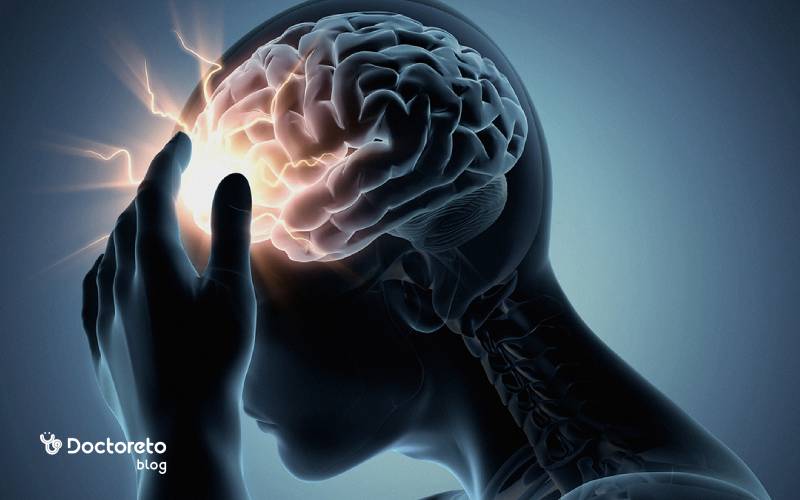
Not getting blood to the brain can cause permanent damage to brain cells and disturb the normal functioning of the brain. Over time, these injuries can lead to memory loss, balance disorders, and cognitive problems. The severity of the complications depends on the extent and repetition of the blood supply disorder. In advanced cases, the lack of blood flow to the brain increases the risk of more severe strokes, permanent disability, and dementia. For this reason, early diagnosis and treatment are very important.
Symptoms of blood not reaching the brain How is it?
Does a silent stroke cause death?
Although people usually do not die with one or two mild strokes, the complications of these strokes and their recurrence can reduce the life expectancy of stroke patients and increase the risk of death. Especially, the possibility of dementia problems and the risk of complete stroke are much higher in these people. As a result, a silent stroke does not usually cause sudden death directly, but it can increase the risk of more severe strokes and death from them. Ignoring this type of stroke can have serious consequences in the future. Caring for a stroke patient at home can increase life expectancy.
How to prevent silent stroke?
Prevention of silent stroke is possible by controlling risk factors and modifying lifestyle. Compliance with medical recommendations and regular follow-up of health status can play an important role in reducing the probability of this type of stroke. Strategies to prevent silent stroke include:
- control of blood pressure and blood sugar
- Quit smoking
- Regular physical activity
- Healthy nutrition including consumption of vegetables, fruits, fish and whole grains
- Stress Management
Which doctor should we see for silent stroke?
For more information about silent stroke, you can make an appointment with the best neurologist in Iran. Below is a list of the most prominent neurologists in different cities of Iran.
Conclusion
Silent stroke is one of the hidden but important brain health problems that can occur without obvious symptoms and over time have serious effects on cognitive and physical abilities. The biggest challenge regarding silent stroke is not recognizing it. When a person does not notice the occurrence of a stroke, he does not receive private treatment, and this will increase the risk of subsequent complications and recurrence of the stroke; Therefore, knowing the smallest silent stroke symptoms, it is better to refer to a neurologist for definitive diagnosis and medical follow-up. Recognizing hidden symptoms, controlling risk factors, and seeing a doctor on time can prevent the development of brain injuries. Paying attention to brain health plays an important role in maintaining the quality of life in old age.
If you suspect a silent stroke, be sure to see a neurologist for a detailed examination. You can connect with the best doctors through your doctor's website. In Doctoreto, in addition to the in-person appointment system, there is the possibility of online neurologist consultation.
Your doctor takes care of your health!