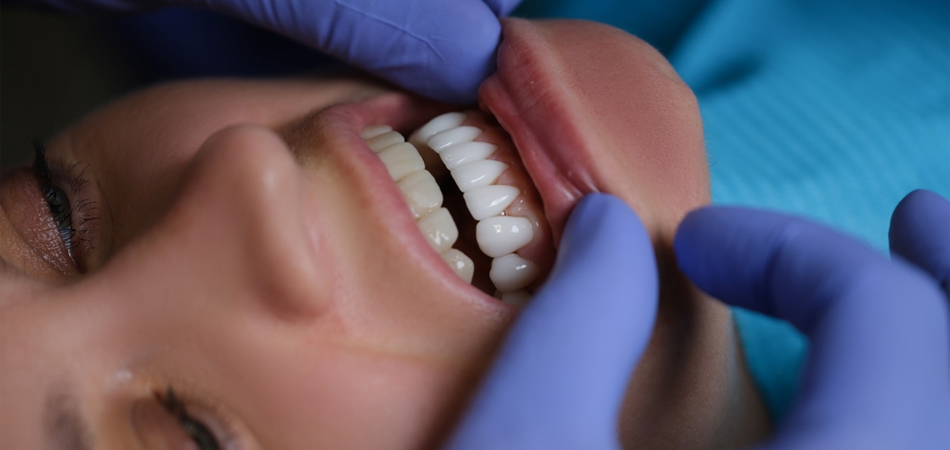

بسیاری از افراد زمانی که تصمیم به انجام کامپوزیت دندان میگیرند، این نگرانی را دارند که آیا کامپوزیت باعث پوسیدگی دندان میشود یا خیر. This concern is mostly due to some people's unpleasant experiences, teeth discoloration or pain after treatment. While the nature of this restorative and aesthetic method is designed to protect tooth enamel, and if it is performed by an experienced dentist with appropriate materials, it not only does not harm the tooth structure, but can also create a protective coating against external factors. Most of the problems are seen when the dental composite care is neglected or previous caries remain undiagnosed.
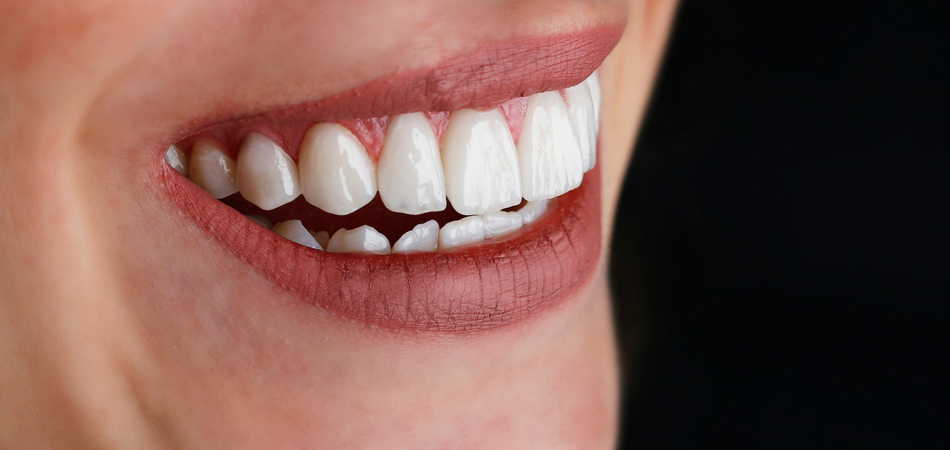
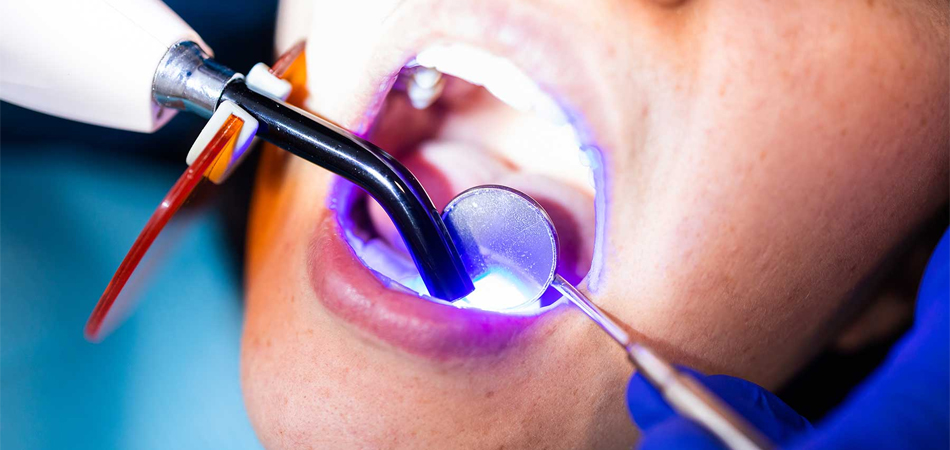
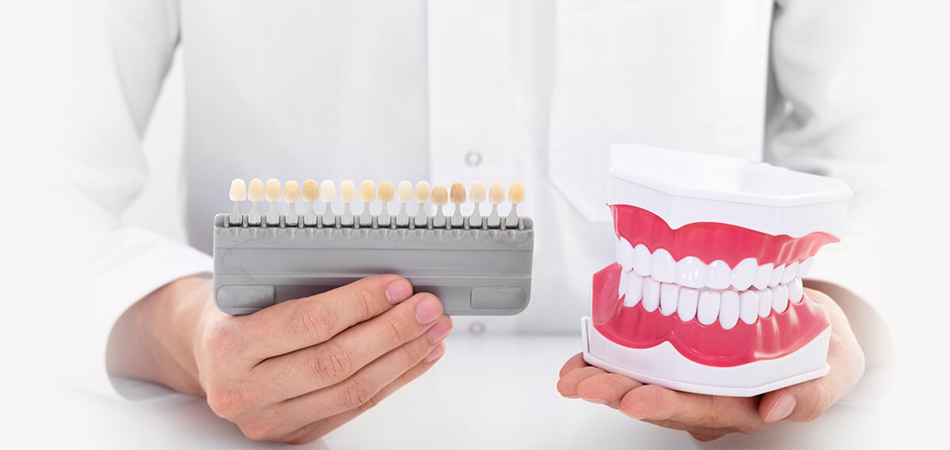
Dental composite is a tooth-colored resin material that is used to restore, correct the smile and improve the appearance of the teeth. After being placed on the surface of the tooth, this material is polymerized with the help of light and creates a strong and compatible layer with tooth enamel. In new methods, the amount of tooth grinding is very limited and usually only a surface polishing is done to make the composite bond better. This feature has made many people choose it as a conservative method. In addition to the beauty of the smile, composite is also used to repair small fractures, close the gap between the teeth, correct the shape of the smile and strengthen some sensitive areas. At the same time, taking care of the dental composite and observing oral and dental hygiene plays an important role in the durability and health of the teeth after this treatment.
Does the composite damage the tooth?
In the standard case, the composite does not cause any damage to the tooth structure and can even act as a protective layer on the tooth surface. The composite material is chemically harmless and compatible with the oral tissue and is designed to bond properly with tooth enamel. Many misconceptions are formed when a person has hidden tooth decay or a composite is performed by an inexperienced dentist.
In such conditions, incomplete bonding, microscopic leakage or gingivitis may occur, which is not related to the nature of the composite material. On the other hand, some oral habits such as grinding teeth and not observing Oral hygiene can affect dental health after treatment to influence Therefore, the damage caused by the composite is mostly the result of human error or carelessness, not the composite itself.
Cause What is the blackening of the tooth under the composite?
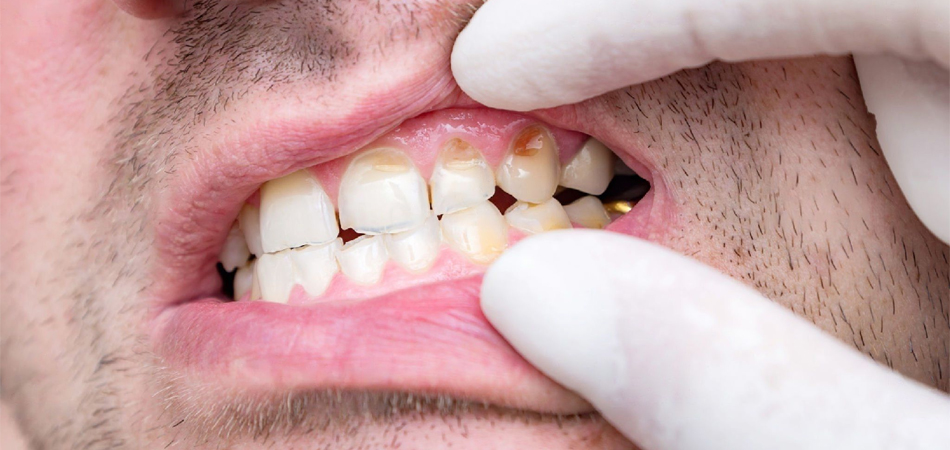
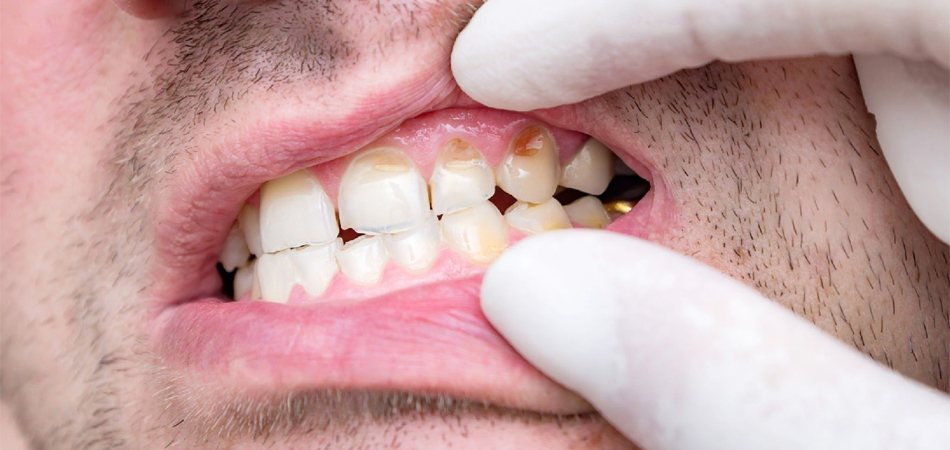
Blackening or discoloration of the tooth under the composite layer is usually caused by hidden problems in the tooth, technical problems during work, or material wear. Contrary to popular belief, this color change is not due to the "deterioration of the composite itself", but rather a sign of a defect in the substructure or the individual's oral condition. In the following, we explain the common reasons in a segmented manner.
1- Tooth decay under composite
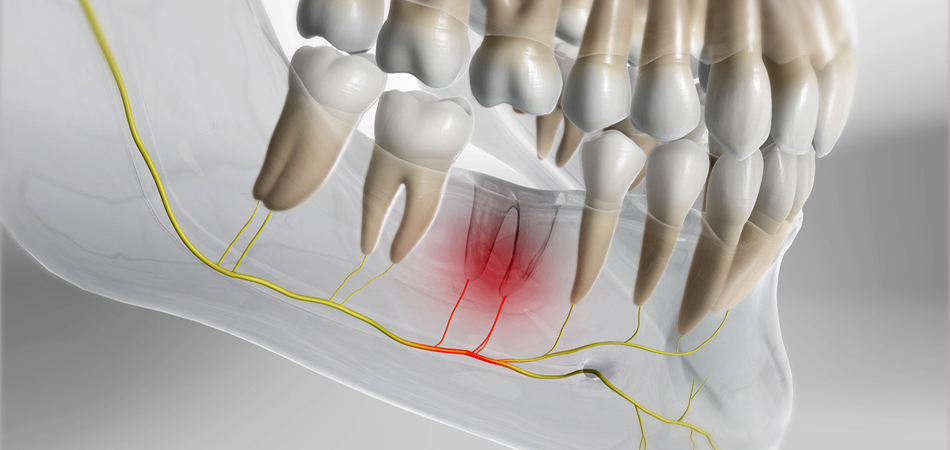
If tooth decay is not detected before starting the treatment, after the composite layer is placed, the conditions for the growth of bacteria will be provided and the decay will gradually progress. Because the decayed surface is not visible from the outside, blackness or internal stains are only apparent when the composite changes color or the tooth becomes painful. Such conditions mean a mistake in the initial diagnosis or not completely removing the caries, not a defect in the dental composite material.
2- Material leakage or micron fracture
In some cases, a microscopic line is formed at the junction, which is not visible to the eye. This "micron leak" allows liquids and bacteria to enter the underlying layer and eventually cause discoloration. teeth and bad breath. These fractures are usually caused by excessive pressure, grinding teeth, or improper bite design, and are directly related to the quality of tooth enamel and the dentist's performance.
3- Composite coloring
Composite has a porous nature and is not completely resistant to dyes such as tea, coffee, cigarettes and acidic drinks. If tooth composite care is not taken seriously or periodical polishing is done If not, the surface of the composite will be discolored and it will appear that "the tooth under the composite has turned black", while the problem is the discoloration of the composite, not internal decay.
4- Improper infrastructure or use of old materials
If the dental adhesive, bonding or underlying layers are from old materials or non-standard methods, a poor connection is created. This incomplete connection opens the way for bacteria to penetrate and cause discoloration of the underlying tooth or an unpleasant odor. In such cases, the difference between the quality of the dentist's work and the type of material is very decisive.
Although composite is a safe and conservative procedure, many people often believe that this treatment causes tooth decay. This perception is usually the result of a combination of improper care, initial misdiagnosis, or misinformation spread online. In the following, we will examine the reasons for this misconception.
Not taking care of teeth after composite
If the principles of oral and dental hygiene are not observed, plaque and bacteria accumulate at the border between the composite and the tooth. This area is more sensitive to the surrounding environment, and neglecting brushing, flossing, and mouthwash causes gingivitis, bad breath, and brown spots. Many people attribute these problems to the composite, while the root of the problem is in the lack of daily care.
Hiding decay under the composite layer
If the tooth decay is not detected before the treatment, after the composite layer is placed, the process of destruction may continue. When the patient comes to correct the composite or check the sensitivity, this hidden caries is observed and the person thinks that the cause of the caries was "composite". This problem is completely dependent on the initial diagnosis and complete examination of the teeth before treatment.
Poor or unprofessional execution of the composite
One of the most common reasons why people think that composites cause decay is non-standard implementation by inexperienced people. If proper adhesion is not established, bonding is not properly cured, or the composite-to-enamel bond is not precise and void-free, microscopic leakage will occur. This leak increases the possibility of bacteria growth and can aggravate discoloration, inflammation and even decay.
Common rumors in cyber space
A large part of the content available in cyber space is not scientific and sometimes it is published based on the limited or wrong experiences of users. Some of these rumors claim that dental composites "cause decay," when scientific research suggests otherwise. This false information has caused unnecessary fear and the formation of wrong beliefs among people.
Composite is a cosmetic and restorative material designed to enhance the appearance and function of the tooth, not damage it. When scientific principles, standard tools and the skill of the dentist are combined, composite can even act as a protective layer on the tooth. In this section, we discuss the most important reasons that show that the composite itself is not the cause of decay, and the problems created are usually rooted in other factors.
Composite is a harmless material compatible with teeth
Composite compounds consist of resin and reinforcing fillers and are completely compatible with oral tissue. This substance is non-toxic and does not have a destructive reaction with tooth enamel. For this reason, in restorative treatments, dentists use composite to restore lost parts. If this substance was destructive, it would never be used to repair true caries.
If performed correctly, the composite creates a protective coating
When the composite is done with the correct layering and bonding method, it creates a protective barrier on the surface of the tooth that prevents the direct contact of sugary or acidic substances with the tooth enamel. This coating has the same protective effect as varnish against light impacts, thermal changes, and chemical factors, and in many cases it prevents the aggravation of sensitivity or minor fractures.
Composite itself does not cause bacteria or decay
No dental material alone is capable of causing bacteria. Tooth decay occurs only when microbial plaque remains on the tooth surface and food sugars are metabolized. Therefore, if a person observes oral and dental hygiene, neither composite nor any other material can cause caries. Problems start when brushing, flossing and mouthwash are not done regularly.
Abrasion of tooth enamel in composite is very limited
In modern composite veneer methods, Trash The tooth for composite is usually very small and superficial. The purpose of this sharpener is only to create better adhesion and harmonize the surface of the tooth. Unlike ceramic veneers or laminates, the tooth structure remains intact in the composite. This shows that this method is not only invasive, but also one of the most conservative cosmetic methods in dentistry.
Scientific research supports composites
Academic studies and articles published in dental journals show that composite is a stable and safe material and the rate of tooth decay in patients increases only when there is micron leakage, improper technique or poor hygiene. In fact, researches have repeatedly emphasized that the quality of treatment implementation and patient cooperation in care play the main role.
Dental decay after composite is usually the result of diagnostic, technical errors or the patient's inattention to hygiene. In other words, teeth do not rot because of composite; Rather, external and hidden factors cause this problem. The following table shows the most important reasons with a brief explanation:
| cause | Explanation |
|---|---|
| Misdiagnosis of caries before treatment | If the decay is not completely removed before the composite is placed, it will remain under the composite layer and spread over time. |
| Microscopic leakage at junction | The incomplete connection between the composite and the tooth creates tiny spaces that become the place for the accumulation of bacteria and food. |
| Not observing oral hygiene after treatment | Plaque and bacteria accumulate on the edge of the composite and lead to decay if not brushed correctly. |
| Composite fracture or chipping | Small cracks caused by high pressure or grinding teeth cause bacteria to penetrate and cause hidden decay. |
| Using outdated materials or non-standard methods | Low quality bonding or resin reduces adhesion and increases the possibility of leakage and decay. |
| Not going for periodical checkup | Small problems, if not detected in time, turn into widespread rot. |
| High consumption of sugary substances and acidic drinks | Acidic substances weaken the adhesion of the composite and provide an environment for the growth of bacteria. |
ways Prevention of tooth decay after composite
Prevention of tooth decay after composite is a combination of the skill of the dentist and compliance with the principles of care by the patient. Compliance with the following will make dental composite last longer and prevent tooth discoloration and side damage.
Choosing a specialist and experienced dentist
The correct implementation of composite begins with choosing the right dentist. An experienced specialist is able to carefully examine the tooth enamel before treatment and ensure complete removal of hidden caries. Standard bonding and correct layering of composite is the basis of long-term health of teeth and prevention of microscopic leakage.
Maintaining oral and dental hygiene
Regular brushing and flossing play an important role in preventing the accumulation of plaque and bacteria around the composite. The edge of the connection between the composite and the tooth is the point where bacteria can easily accumulate and if hygiene is not taken seriously, the ground for decay and gingivitis is provided.Using antibacterial mouthwash
Mouthwashes containing antibacterial substances, in addition to completely cleaning the oral environment, can prevent the growth of microbes on the edge of the composite. It is recommended to use daily or several days a week, especially in people who have a history of caries or gum inflammation.Timely repair and replacement of damaged composites
Any cracks, chips or wear on the composite surface, even if it is small, can become a place for bacteria to accumulate. Fast repair of these points by the dentist prevents the beginning of hidden caries and increases the life of the composite.
Regular reference for periodical checkup
Periodic examination every six months allows the detection of problems such as microscopic leakage, minor discoloration or sensitivity. A regular check-up allows preventive measures to be taken before a serious injury.
Avoid eating hard and sticky food
Consumption of hard foods such as ice, tea, or hard nuts, and sticky foods such as sugar gums, can cause the lips to crack or crack. These damages provide a place for bacteria to penetrate and accelerate the decay process.
Brushing after drinking colored drinks
Tea, coffee and acidic drinks can change the color of the composite surface. Washing your mouth or brushing your teeth immediately after consuming these drinks prevents the formation of stains and accumulation of bacteria and preserves the appearance of the teeth.
Avoiding harmful habits such as teeth grinding
grinding teeth creates direct and continuous pressure on the edge of the composite which may cause small cracks or lip peeling. Using a night mouth guard or relaxation techniques can prevent long-term damage to the tooth and composite.
Using a mouth guard in martial arts
Combat sports and high-risk activities can cause serious damage to the teeth. A suitable mouth guard against composite fracture and damage to the mouth. Prevents teeth and guarantees the health of your smile
Quick reference if sensitivity or pain is observed
Unusual sensitivity, pain, or bad breath may be a sign of a microscopic leak or hidden decay. Going to the dentist quickly will solve the problem before it becomes a serious injury and avoid the cost and long-term treatment.
Dental composite is one of the most widely used restorative and aesthetic methods in dentistry, which has its own advantages and limitations. Knowing these points helps patients make an informed decision for treatment and have realistic expectations of the result. In the table below, the most important advantages and disadvantages of dental composite are presented:
| Advantages | Disadvantages |
|---|---|
| Natural beauty and the same color of teeth | May discolor over time and need polishing or restoration |
| Minimum sharpening or sometimes no sharpening | Less resistance to extreme pressure than ceramic coatings |
| Fast and non-invasive execution | Shorter lifespan than laminate and ceramic coating |
| easy repair in case of lip cracking | Minor sensitivity may occur in the early days after treatment |
| Protective coating on tooth enamel and reducing sensitivity | The need for careful oral hygiene to prevent microscopic leakage |
| Suitable for correcting small fractures and closing the gap between teeth | Less resistance to teeth grinding and strong impact |
| The ability to adapt to the shape of the smile and correct the beauty immediately | May not be suitable for people with heavy chewing habits or high pressure |
Remove What specialist does the composite?
Removing or replacing dental composite is a specialized work that must be done by a dentist. This work requires skill and proper tools so that the tooth enamel is not damaged during the removal of the composite. After checking the condition of the composite and tooth health, the dentist removes the composite layer using precise tools and replaces the new restoration if necessary. Doing this by non-specialists can lead to chipped enamel, microscopic leakage, or long-term sensitivity. Therefore, visiting an experienced dentist is the main way to prevent side injuries when removing or replacing the composite.
How much is composite removal?
The cost of removing or replacing composite depends on several main factors: the type of material used, the experience and skill of the dentist, the number of teeth treated and the level of the clinic. Prices are usually divided into three general categories:
- Economical level: use of common materials and a dentist with average experience
- Intermediate level: a combination of high-quality materials and an expert dentist
- Premium level: advanced composite brands and highly experienced dentists in professional clinics
According to these categories, the cost can start from an economical range and reach the premium level. It is recommended to consult a dentist before making any decision, so that based on the condition of the teeth and the type of treatment, an estimate of the cost will be provided to you.
Frequently asked questions1- Is tooth sensitivity normal after composite?
Yes, usually a few days to a week or two is normal and it will decrease as the teeth get used to it. If it persists, it should be checked by a dentist
2- Is dental composite suitable for everyone?
No. People with healthy tooth enamel and proper hygiene are the best options, and those with severe tooth decay or grinding should be treated first.
3- Can composite cause tooth fracture?
No, unless the tooth is weak or a lot of pressure is applied. Proper implementation and care will reduce the possibility of chapped lips.
4- Is the composite repairable?
Yes, in case of discoloration or discoloration, it can usually be repaired or polished without the need for complete removal.
5- Is it possible that the tooth needs nerve extraction after the composite?
Only if there is hidden decay or previous sensitivity of the tooth, nerve extraction may be needed.
6- Is bad breath always caused by the accumulation of plaque and tartar?
Not always; Gum problems, dry mouth or even stomach can also be the cause and need to be examined by a specialist.