

What is a heel spur? Heel spur treatment
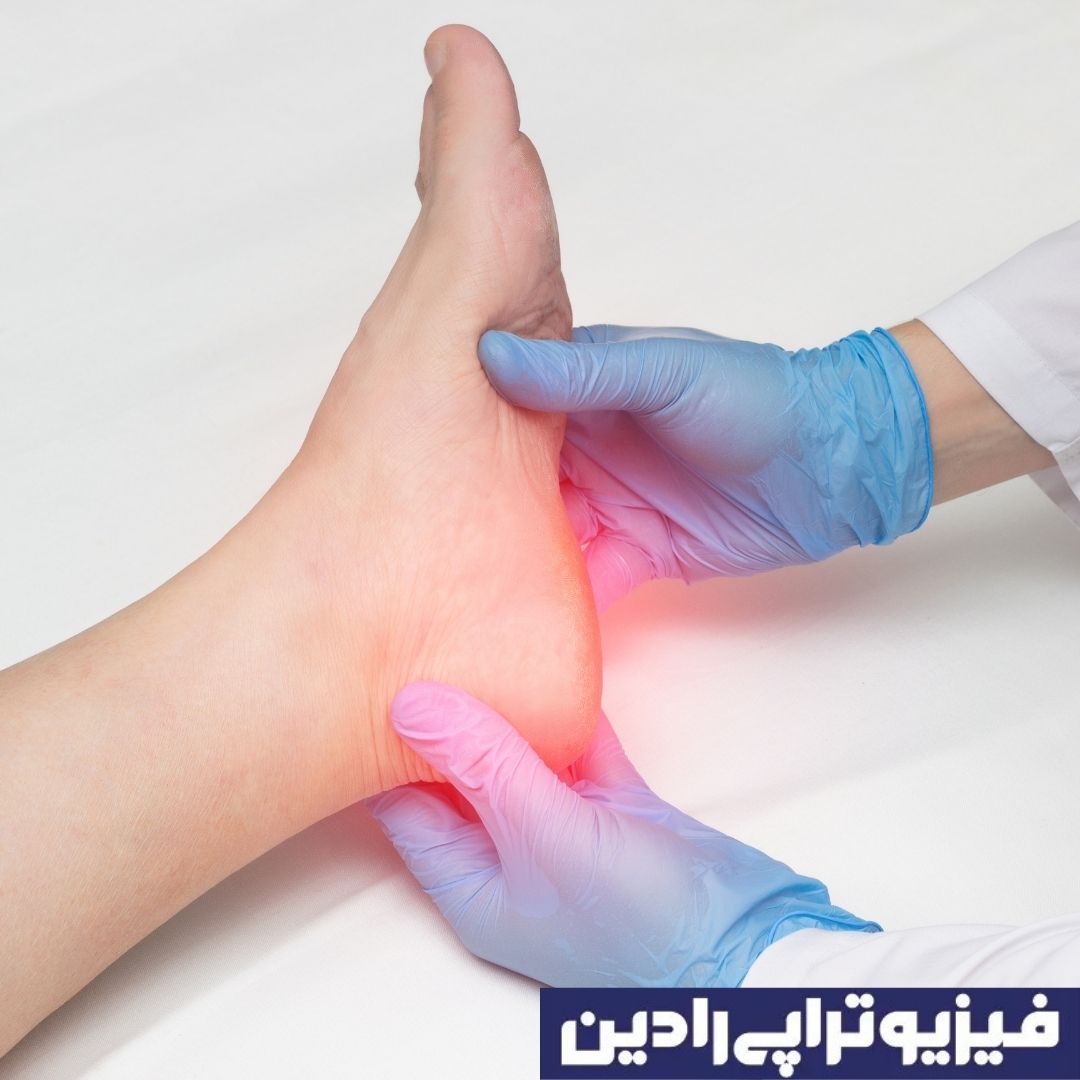
If you wake up in the morning and your first steps are accompanied by a sharp pain in the heel, you have probably heard the name "heel spur". This problem is one of the most common reasons for patients to visit physiotherapy centers, including Radin Physiotherapy Clinic. Heel spurs are one of the most common foot problems that can make daily life, walking, and even short-term standing difficult. The good news is that in most cases, this problem can be controlled and treated.
What is a heel spur?
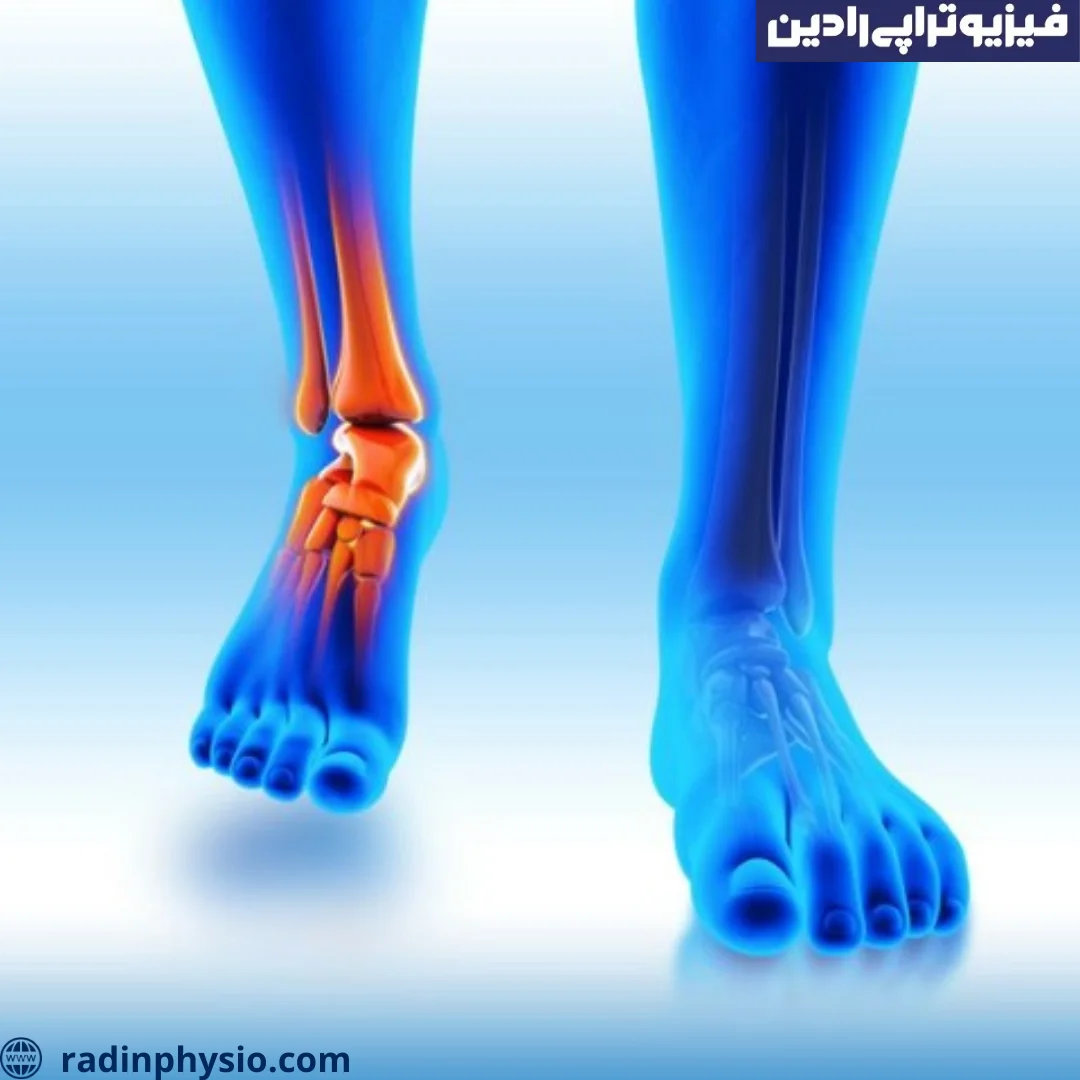
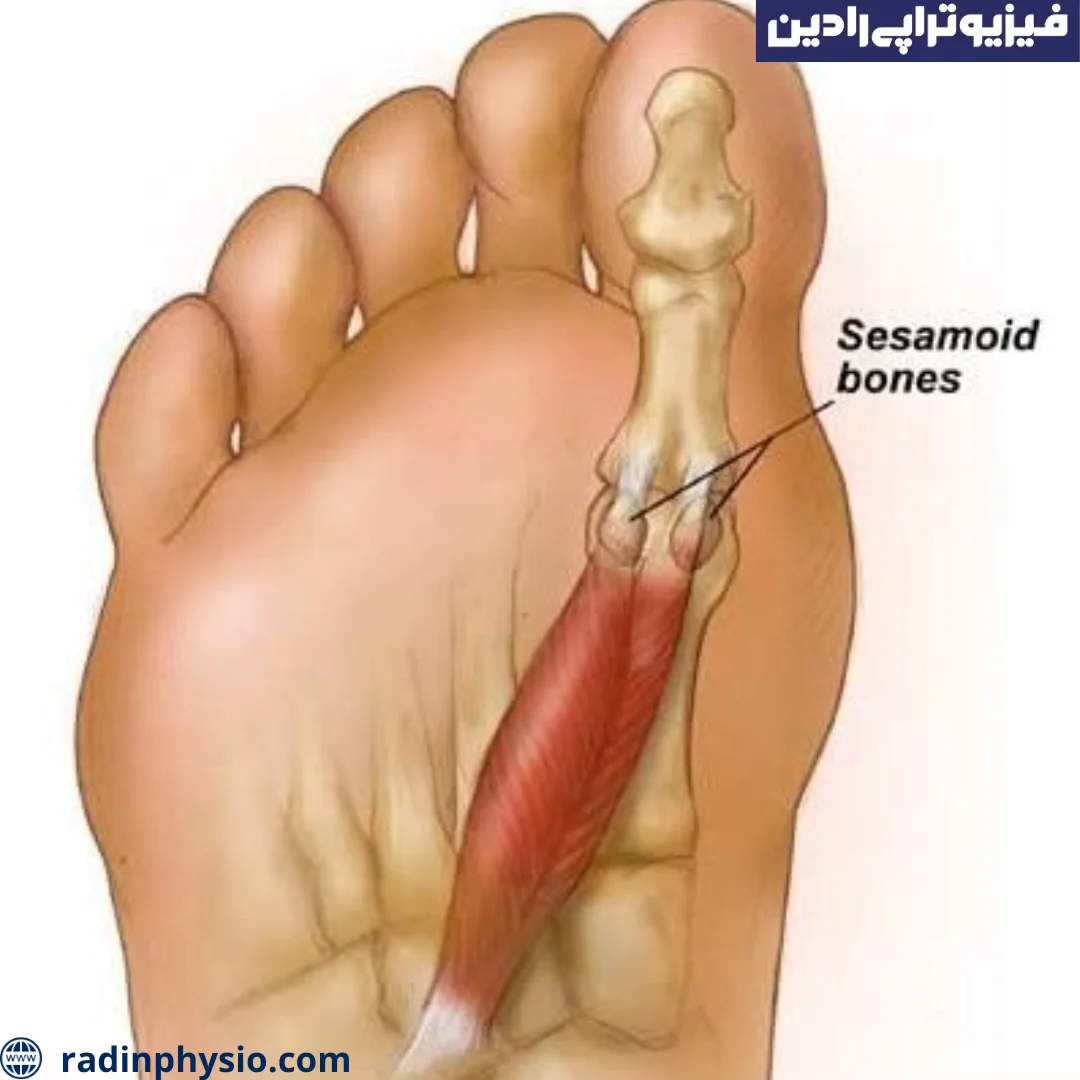
A heel spur is a small bony appendage that develops under the heel bone (calcaneus). This appendage is usually seen in the form of a thorn or a sharp point in the radiological image. Contrary to its name, the thorn itself is not always the main cause of pain, but the inflammation of the tissues around it causes pain.

How does a heel spur occur?
The formation of heel spurs usually occurs due to constant pressure and tension on the soles of the feet. This pressure causes inflammation of the ligament called plantar fasciitis. Over time, the body secretes extra calcium to repair this area, which gradually turns into a bone spur.
The most important causes of heel spurs are:
Overweight and obesity
Standing or walking for a long time
Wearing shoes Unsuitable
Worse in the morning
Intensifies after sitting for a long time and starting to walk
Worse with a long walk
It may feel like shooting or burning
Rest and reduce pressure on the foot
Using ice compresses
Stretching the soles and legs
Wearing medical shoes and suitable soles
Avoid walking with your feet Naked
Specialized physiotherapy with modern devices
Shockwave therapy to stimulate tissue repair
Special therapy exercises tailored to the conditions Patient
If necessary, cooperate with the doctor for drug treatment
Surgery only in very rare and resistant cases
Exact evaluation of foot position and walking pattern
Special treatment program for each patient
Use Up-to-date physiotherapy technologies
Focus on root treatment and prevention of pain recurrence
Keeping a proper weight
Using standard shoes
Performing stretching exercises regularly
Enough rest for the feet

Symptoms of heel spurs
The main symptom of a heel spur is pain in the heel area. This pain is usually:
Some people have heel spurs but do not feel any pain and They happen to notice it while taking pictures.

The difference between heel spur and plantar fasciitis
Many times, heel spurs are confused with plantar fascia. Plantar fasciitis is an inflammation of the plantar ligament and can cause pain even without bone spurs. In fact, most heel pain is related to the plantar fascia, not the spike itself.
Methods for diagnosing heel spurs
The doctor can usually suspect heel spurs with history and clinical examination. A radiograph of the foot is requested to confirm the diagnosis. In this photo, the bony appendage can be clearly seen.


Heel spur treatment
At Radin Physiotherapy Clinic, heel spur treatment is performed with a non-surgical, scientific and personalized approach, and the main goal is to reduce pain, remove inflammation and return the patient to daily activities. Heel spur treatment is usually non-surgical and most people get better with simple methods.
Shockwave therapy for heel spur treatment
One of the best ways to treat heel spurs is to use a shockwave device. This device sends small electric shocks in the form of short waves to the painful area and affects the healing process.
Electrotherapy for heel spur treatment
Electrotherapy for the treatment of heel spurs is another modern treatment method in foot physiotherapy that is used today to treat and reduce pain in many injuries.
Electric stimulation of nerves through the patient's skin is one of the methods used in electrotherapy. will be The number of electrotherapy sessions is set based on the severity and type of damage caused to the patient and the length of the treatment period, and depending on the type of damage in the patient, the cost of doing it can also be different.
Heel spur home treatment
Home remedies play an important role in reducing pain:
Medical treatments for heel spurs
In cases where home treatment is not enough, specialized physiotherapy plays a key role. At Radin Physiotherapy Clinic, the following methods are used: If the pain is not controlled by home methods, the doctor may suggest the following methods:
Why Radin Physiotherapy Clinic for the treatment of heel spurs?
Prevention of heel spurs
It is possible to prevent the formation or recurrence of heel spurs by observing a few simple tips:
When should we see a doctor?
If heel pain lasts for more than a few weeks, becomes severe or prevents you from doing daily activities, it is better to see an orthopedic doctor or a physiotherapist.
FAQ
Does a heel spur get better on its own?
In many cases, with simple treatments and lifestyle modification, heel spur pain will decrease.
At what age is a heel spur more common?
It is more common in middle-aged and elderly people, but young people can also suffer from it.
Does a heel spur need surgery?
in In most cases, surgery is the last option.
How long does home treatment for heel spurs take?
Depending on the severity of the problem, it may take several weeks to several months.
Is exercise harmful for heel spurs?
Strong exercises may aggravate the pain, but stretching exercises and exercise therapy under the supervision of a physiotherapist are very helpful.
At a physical therapy clinic How long does heel spur treatment take? Depending on the severity of the problem, regular treatment usually takes between a few sessions and a few weeks, and many patients feel a reduction in pain from the first sessions. Each person's physiotherapy treatment is different according to the severity and type of injury and the painful area, and must be consulted with a specialist physiotherapist first, so that the decision on how many physiotherapy sessions should be done is made by him.
Can all patients use electrotherapy?
As physiotherapy can help to improve and increase the range of motion as well as reduce pain in the area of the sole of the foot, some of its exercises and methods are inappropriate and dangerous for some people. These people, who have special conditions, should not perform foot physiotherapy with electrotherapy methods without the permission of a specialist physiotherapist.
Final speech
Finally, it should be said that physiotherapy is the best method for treating heel spurs, and most doctors recommend this method to their patients.
When symptoms of these disorders are observed, you should think about treating them immediately. اگر شما از این اختلالات رنج میبرید و به دنبال بهترین و مطمئنترین روش درمان آن هستید، میتوانید با کلینیک تخصصی فیزیوتراپی رادین، بهترین فیزیوتراپی تهران، در تماس باشید و برای دیدن ویدیوها و مطالب آموزشی اینستاگرام کلینیک فیزیوتراپی رادین را دنبال کنید.
- برچسبها: خار پاشنه, خارش پا, فیزیوتراپی خار پاشنه