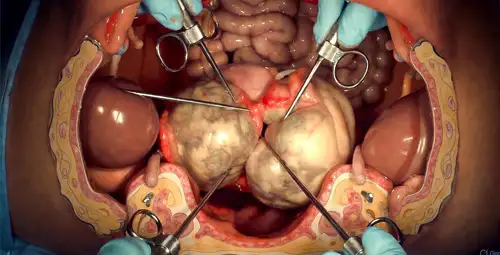

عمل لاپاراسکوپی چیست؟
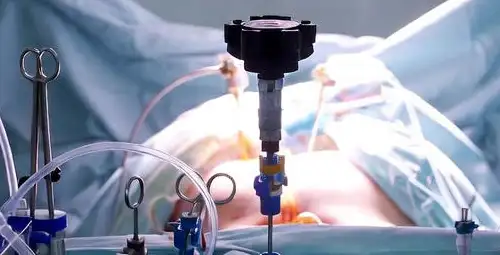
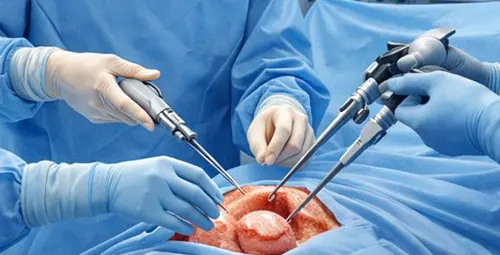
اگر بخواهیم یک توضیح جامع در مورد عمل لاپاراسکوپی ارائه دهیم می توان گفت، که این روش یک روش جراحی نوین و کم تحاجمی است. به طور خاص عمل لاپاراسکوپی زنان نیز از این قائده مستثنی نیست. در توضیح این مطلب باید گفت که پزشک به واسطه وسایلی ظریف یک دوربین کوچک را وارد شکم می نماید. با کمک این دوربین جراح می تواند داخل شکم و لگن را با دقت بالا ببیند. در این روش چند سوراخ در شکم ایجاد میشود. به واسطه این سوراخها پزشک ابزار جراحی را وارد بدن کرده و روند عمل را آغاز می کند. در این مقاله به توضیح جامع در مورد عمل لاپاراسکوپی در زنان خواهیم پرداخت. Dr. Zahra Sobakro,
List of contents
Preparation before laparoscopy operation
One of the important points in performing any type of surgery is preparation before the operation. Laparoscopy operation in women is not excluded from this rule. This preparation includes physical and mental preparation. You should know that knowing important and key points can increase the percentage of a successful operation and reduce the risk of problems. Note that depending on the doctor's diagnosis, women's laparoscopy can be diagnostic or therapeutic. For complete information about this article .
The first step is a consultation with a specialist doctor.
During the consultation with the doctor, you should inform the doctor about your medical records. Remember to answer the doctor's questions carefully and patiently. The doctor will ask you about things such as previous medications, medications you are currently taking, and drug allergies, as well as surgical history. In addition, the doctor will most likely prescribe a series of tests for you, such as blood tests, ECG and imaging. One of the very important things that you should pay attention to is diet and medication.
Due to the risk of vomiting and return of stomach contents to the lungs, you must fast a few hours before the operation. Anticoagulant drugs such as aspirin, or anti-inflammatory drugs that have specific properties should be stopped a few days before the operation.
Note that do not stop or change any medication that is not prescribed by the doctor. In this situation, the doctor may replace old drugs with blood tests. Your doctor may also suggest new medication schedules for you. Another important point is mental preparation. Stress before surgery is definitely a normal thing, talking with the doctor and clarifying the path can bring peace. Comfortable and light clothing is another important factor for the operation day. The patient must bring medical documents and a list of medicines. Be sure to inform the surgical staff about special cases such as the patient's use of contact lenses, prostheses, and artificial teeth. This person should be with you on the day of the operation as a companion. Note that you must choose the right person for this so that you can count on his help on the day of the operation. Finally, preparation before laparoscopy is not limited to physical issues. Awareness, planning and close cooperation with the medical team makes the patient enter the surgical process with more confidence and the probability of success and faster recovery increases. In this section, we explain the procedure in simple language so that the patient knows what steps will be taken in the operating room.
Entering the operating room and initial preparation
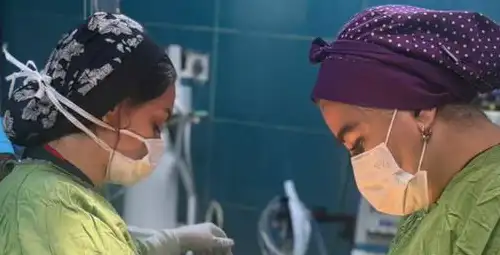
After entering the operating room, your medical record will be checked by the anesthesia team and nurses. Then an intravenous line is connected to inject the required drugs. There may be a need to remain ideal, in which case the surgical team will use a catheter. At this stage, you can ask the surgical team for final questions.
Anesthesia
Generally, laparoscopic surgery is performed with general anesthesia. The reason for this is the use of gas to access the organs, anesthesia makes the patient feel uncomfortable during the operation. Also, during the operation, the patient's heart rate and breathing are carefully monitored by the medical team in order to maintain his safety.
Creating access to the abdomen
After anesthesia, the surgeon makes a small incision near the navel, then carbon dioxide gas enters the abdomen. This is necessary due to access to organs. Then the doctor inserts a camera into the body so that you can see the images inside the body on the monitor.
Examination and diagnosis
The camera shows all pelvic and abdominal organs. A uterine surgeon examines the ovaries, fallopian tubes, and other parts. If only for diagnosis, a small sample of tissue may be removed and sent for testing. This step is short, but it is very important in discovering the problem.
Treatment steps
In general, laparoscopic surgery includes two parts: diagnosis and treatment. If the doctor determines the need for surgical treatment during the operation, he makes other small incisions in the abdomen. At this stage, the surgical instruments are inserted into the body and the doctor will perform the treatment.
End of the operation
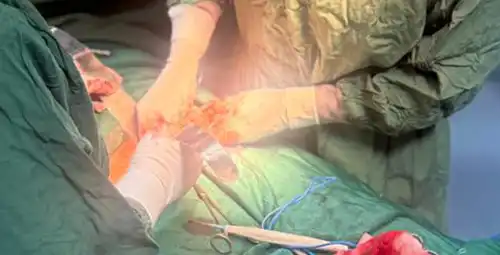
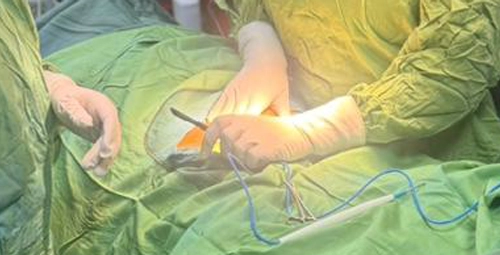
After the surgery, the instruments are removed from the abdomen. The gas is discharged and the incisions are closed with sutures. The patient was taken to the recovery room by the medical staff and regained consciousness. Note that the operation time is different depending on whether it is diagnostic or therapeutic. A diagnostic operation takes about an hour and complex surgeries may take several hours.
After leaving the operating room
In the recovery room, nurses will check your blood pressure, breathing and pain. You may have some pain at the incision site or discomfort in the shoulder. This pain is due to gas remaining in the body and usually disappears within a few days. The medical team provides instructions for wound care and medication. 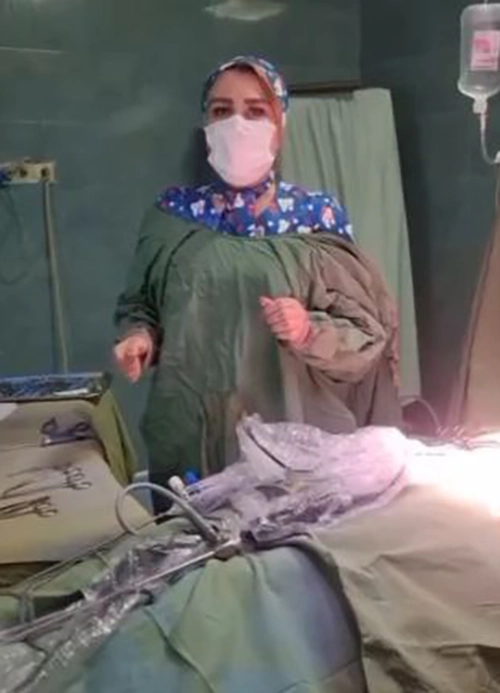
Laparoscopy operation recovery period in women
After the laparoscopy operation, the recovery period begins. The quality of postoperative care is one of the most important parts of the treatment process. In general, laparoscopy has a shorter recovery period than open surgery, but still medical recommendations must be carefully followed by the patient. Each person's recovery time is different. Most people return to normal after a few days. Of course, it should be noted that some complex surgeries such as hysterectomy require a longer period for complete recovery.
Things to be done
Adequate rest
One of the important points after the operation is balanced and appropriate rest. Be sure to avoid heavy work for the first few days. But absolute rest is not a good idea either, slow walking prevents blood clots in the legs.
Wound care
The wounds are small, but it is important to pay attention to dressing and changing them according to the instructions of the surgeon. If you feel severe redness, infectious discharge or bleeding, be sure to contact the doctor.
Proper nutrition
Use liquid liquids to start, after a while you can use soft and light foods. U-boost can be problematic during this period, so don't forget to drink enough water and eat vegetables.
Medical follow-up
The important point is regular and timely control by a doctor, this can prevent problems and make the healing process more reliable.
Things not to do after the operation Perform laparoscopy in women
Lifting heavy objects
Avoid lifting heavy objects until complete recovery (several weeks). Lifting heavy objects can put pressure on the stitches and cause problems and bleeding when the wounds open.
Extreme sports activity
If you used to do heavy sports before the operation, you should note that you will not be allowed to resume it until the doctor gives permission.
Sexual intercourse Early
It is usually recommended that you refrain from having sex until your doctor gives you permission, as this can increase the risk of infection or bleeding.
Self-medication
Do not take any medication without your doctor's permission. This can have serious consequences for you. Even the use of herbal medicines is prohibited without the doctor's permission.
Warning signs after laparoscopic surgery in women
During the recovery of the laparoscopic surgery in women, if you experience high fever, severe abdominal pain, abnormal bleeding, shortness of breath or any other unusual symptoms, you should immediately call your doctor or go to the emergency room. These symptoms can be signs of complications that require immediate intervention.
Possible side effects, prevention methods
Common and premature side effects
These side effects are usually resolved with the passage of time and within a short period. Complications such as pain in the incision site, bloating and shoulder pain are normal during this period. Pains are cured by ordinary painkillers. Sometimes mild infections may occur. At this time, the doctor prescribes antibiotics.
Less common but serious side effects
Damage to internal organs such as intestines, bladder or large vessels is a serious but rare side effect that must be recognized and managed quickly. Reaction to anesthesia, blood clots in deep veins and pulmonary embolism are also potential complications that preoperative planning and follow-up care can reduce their risk. Timely diagnosis of any change in the patient's condition is very important.
Prevention Ways
One of the most important factors in preventing complications is choosing a professional and experienced surgeon. A skilled surgeon can greatly reduce complications by following professional tips such as prescribing preventive antibiotics and following protocols. Also, the doctor's experience in surgery can prevent complications such as the occurrence of blood clots and the prevention of thrombosis and embolism.
Practical tips to improve safety
As mentioned before, regular follow-up can prevent unwanted complications. Observation of the patient and his symptoms by the doctor is considered a vital factor in a successful surgery. Note that the lifestyle of the patient is also another factor of quick recovery. Quitting smoking, weight loss in obese people, avoiding alcohol consumption is very important. 
Frequently Asked Questions
What is laparoscopy and what is its use in women?
What care should be taken after the operation?
What should not be done during the recovery period?
What symptoms after the operation require immediate medical attention?
Conclusion
Laparoscopy as a minimally invasive procedure in women has significant advantages such as pain reduction, faster healing and smaller wounds, but ensuring its safety requires careful cooperation of the patient and the medical team. Accurately knowing the risks, taking preventive measures before, during and after the operation, and regular follow-up after discharge, can minimize the possibility of complications. The patient should be aware of warning signs such as high fever, severe pain, abnormal bleeding, leg swelling or shortness of breath, and should consult a doctor immediately if any of them occur. Ultimately, informed decision making and regular planning is the easiest way to achieve better results and experience a safe recovery period. If your medical records and records have determined that you need this operation, it should be said that you will have good choices. data-end="376">Safety considerations in laparoscopic surgery: A narrative review
Madhok B. et al., 2022 — review of safety considerations before, during and after laparoscopic surgery. PMC
Prevention and Treatment of Intraoperative Complications in Laparoscopic Gynecological Surgery
M. Giorgi et al., 2025 — توضیح درباره خطرات حین عمل و راههای پیشگیری. PMC
Recent advances in benign gynecological laparoscopy
L. Levy et al., 2021 — بررسی پیشرفتها در لاپاراسکوپی برای بیماریهای خوشخیم بانوان. PMC
Laparoscopic complications and their prevention
European Academy of Gynaecological Surgery (مقاله PDF) — شامل توصیهها برای کاهش عوارض احتمالی جراحی لاپاراسکوپی. eshre.eu
Laparoscopy (ACOG FAQ)
American College of Obstetricians and Gynecologists — توضیح عمومی درباره لاپاراسکوپی، کاربردها، خطرات و مزایا. ACOG

مقایسه روشهای تنگی واژن: جراحی و غیرجراحی – مزایا، معایب و اثرگذاری
مقایسه روشهای تنگی واژن: جراحی و غیرجراحی با گذر زمان یا پس از زایمان، دیوارههای واژن شل میشوند و عضلات…

سبک زندگی سالم در دوران بارداری | راهنمای علمی سلامت مادر و جنین
سبک زندگی سالم در دوران بارداری سبک زندگی سالم در دوران بارداری نقش تعیینکنندهای در سلامت مادر و رشد طبیعی…

سلامت روان در دوران بارداری؛ Importance, challenges and scientific solutions for mothers
Mental health during pregnancy Mental health during pregnancy is an integral part of pregnancy care and equally health...