
Table of contents
Tonsil cancer is one of the rare types of throat cancer that is usually seen in adults and factors such as smoking, alcohol and HPV virus can increase its risk. Many patients do not have severe symptoms in the early stages, so early diagnosis is very important. The chance of survival largely depends on the stage of the disease and the general health of the patient. With regular medical follow-up and timely treatment, it is possible to control the disease and increase the quality of life. In this article, we ask your doctor to examine in detail is tonsil cancer fatal and what are its risks?
What is the probability of survival in tonsil cancer?
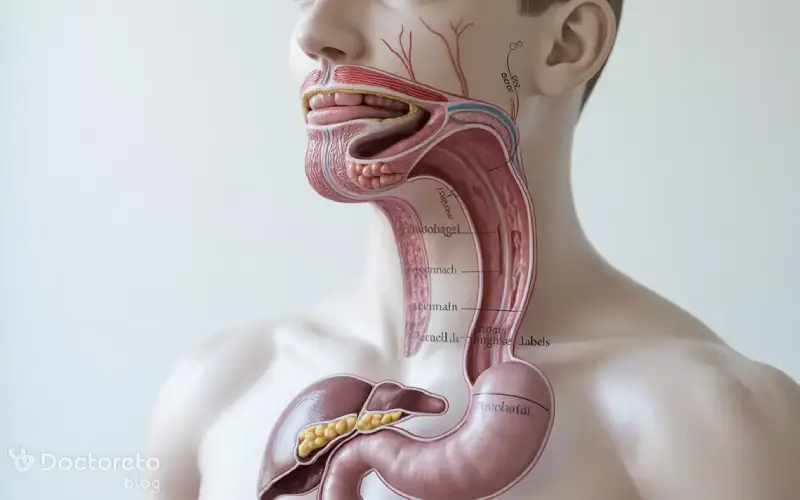
In the first step, the answer to What is tonsil cancer should be said that tonsil cancer is a malignant disease that begins with the abnormal growth of cells in the tissue of the tonsils (especially the palatal tonsils at the end of the throat) and usually manifests itself with symptoms such as long-term sore throat, swelling in the neck, or a lump in the throat. shows
In tonsil cancer, like other cancers, the probability of survival of the patient is determined based on the diagnosis stage and the spread of the disease. The chance of survival in tonsil cancer depends significantly on the location of the disease and the chosen treatment method. Studies have shown that early diagnosis and starting treatment in the early stages can increase the survival rate.
However, if the cancer is diagnosed at an advanced stage or has spread to other organs, the chances of survival decrease. Patients with advanced tonsil cancer require more intensive combination treatments and the recovery process may be longer and more complicated.
Other factors also affect this statistic, including the patient's age, general health, and the presence of co-morbidities. Therefore, the question of whether tonsil cancer is fatal does not have an absolute answer and should always be examined according to the individual conditions of the patient.
English text:
Prognosis of tonsil cancer is dependent on the HPV status of the tumor, with HPV positive tumors showing a 5-year overall survival of 71% compared to 46% in HPV negative disease in one study. In a study, it was found that patients with HPV-positive tumors have a five-year survival rate of about 71%, but this number is only 46% in patients with HPV-negative tumors. target="_blank" rel="noreferrer noopener">ncbi.nlm.nih
probability of survival in early stages of tonsil cancer
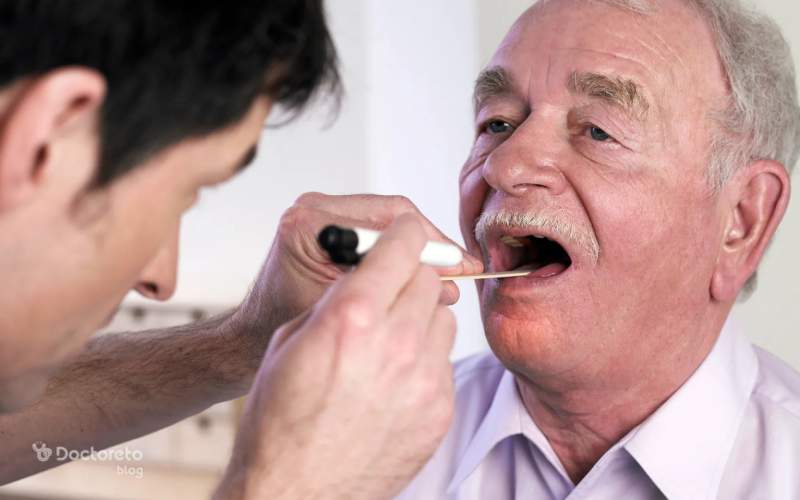
In the early stages, surgery to remove the tumor and, if necessary, radiation therapy can have very good results. Early diagnosis usually begins with symptoms such as a persistent sore throat, swelling of one of the tonsils, or unusual changes in the mouth and throat. Going to the doctor quickly and performing imaging tests and sampling increases the chances of successful treatment.
probability of surviving in advanced stages of tonsil cancer
In advanced stages, the cancer may spread to the lymph nodes in the neck or other organs such as the lungs and liver. In this situation, surgical treatment alone is not enough and requires a combination of different treatment methods. However, some patients have achieved good results with new treatments and careful follow-up.
Late diagnosis usually occurs because early symptoms are ignored or confused with simpler throat problems. For this reason, informing patients and families plays an important role in improving results.
factors affecting the risk of death in tonsil cancer
Several factors can affect the risk of death from tonsil cancer. These factors include the stage of diagnosis, the type of cancer cells, the condition of the lymph nodes and the general health of the patient. Accurate knowledge of these factors helps doctors design a more appropriate and personalized treatment plan. Patients who have good general health and no underlying diseases usually respond better to treatment and have a higher chance of survival.
On the contrary, the presence of chronic diseases such as diabetes or heart problems can complicate the treatment process. Also, the patient's ability to tolerate aggressive treatments such as chemotherapy and radiation therapy and comply with medical recommendations plays an important role in predicting the outcome. Therefore, a detailed assessment of the patient's general condition is necessary before starting the treatment.

1. Stage of cancer at the time of diagnosis
The stage of the disease at diagnosis is one of the most important predictors of survival. Cancer confined to the tonsils and early stage is usually curable with a high chance of survival. In advanced stages, when the cancer has spread to lymph nodes or other organs, treatment becomes more complicated and the chances of survival decrease.
For this reason, doctors recommend that tonsillitis and throat symptoms be taken seriously and any unusual changes investigated promptly. In general, the stage of diagnosis is the main determinant in the answer to the question of whether tonsil cancer is fatal, and one of the reasons is the importance of regular screening and attention to body changes.
English text:
quoted from my.clevelandclinic
Tonsil cancer isn't common, but it can cause common symptoms like a painful sore throat or swollen lymph nodes in your neck.
Persian translation:
Tonsil cancer is not common, but it can cause common symptoms such as painful sore throat or swollen lymph nodes in the neck.

swollen lymph nodes What is it?
First of all, what is hpv virus? HPV or human papilloma virus is the most common sexually transmitted infection that has different types. The presence of HPV in tonsil cancer can affect the course of the disease and response to treatment. Research has shown that HPV-related tonsil cancer usually responds better to treatment and has a higher five-year survival rate after diagnosis. In contrast, HPV-negative tonsil cancer is more associated with traditional risk factors such as smoking and alcohol, and usually has a poorer prognosis.
Patients with negative HPV may require more aggressive treatments and long-term care. Therefore, determining the HPV status is an important part of the tonsil cancer diagnosis and treatment plan and influences medical decisions and prognosis.
3. Involvement of glands
Involvement of lymph nodes is one of the key factors in predicting the severity of tonsil cancer. When cancer cells spread to the lymph nodes, the chance of the disease spreading to other organs increases. Multi-nodal involvement or spread to distant nodes usually requires combined and longer treatment and the chance of survival decreases.
Detailed examination of lymph nodes with imaging and sampling provides important information for treatment planning. Doctors usually consider the level of gland involvement as one of the main factors determining the stage of cancer and predicting the probability of death of patients.
4. The patient's general health condition
The general health status of the patient before and during the treatment plays a decisive role in the result. Patients with strong immune systems and fewer underlying diseases usually respond better to treatment. In addition, lifestyle, nutrition and the patient's ability to tolerate long treatments can also be affected.
Patients who follow medical advice and receive supportive care have a better chance of recovery. In sum, assessing the health status of the patient before and during treatment is one of the necessary measures to reduce the risk of death and increase the probability of survival.
| Effective factor | Influence on the risk of death |
|---|---|
| Cancer stage at the time of diagnosis | Diagnosis in early stages with high chances of survival and advanced stages with reduced chances of survival |
| Limiting cancer to Tonsil | More treatable and with better prognosis |
| Extension to lymph nodes or organs | Complication of treatment and increased risk of death |
| HPV positive tonsil cancer | Better response to treatment and higher survival |
| HPV negative cancer Tonsils | Poorer prognosis and need for more aggressive treatment |
| Lymph node involvement | Increased likelihood of disease spread and decreased chance of survival |
| Involvement of multiple nodes or distant nodes | Need for longer combination therapy and reduced survival |
| Good general health Patient | better response to treatment and reduced risk of death |
| presence of chronic underlying diseases | complication of treatment and increased risk of death |
| ability to tolerate chemotherapy and radiation therapy | improved treatment outcome and increased probability of survival |
| compliance with medical recommendations | improvement Prognosis and reducing the risk of death |
Conclusion
The answer to the question is tonsil cancer fatal depends on many factors and cannot be given an absolute answer. Early diagnosis, stage of the disease, status of lymph nodes, presence of HPV and general health of the patient are factors that determine the chance of survival. In the early stages, tonsil cancer is treatable and the chances of survival are high, but in advanced stages or when the disease has spread to other organs, the risk of death increases. However, medical advances and combination therapies can increase the chance of recovery. Being aware of the early symptoms, going to the doctor quickly and following treatment recommendations is the key to reducing the risk of death and increasing the quality of life of patients. بنابراین، اطلاعرسانی و پیگیری پزشکی منظم بسیار اهمیت دارد.
دکترتو مراقب سلامتی شماست!