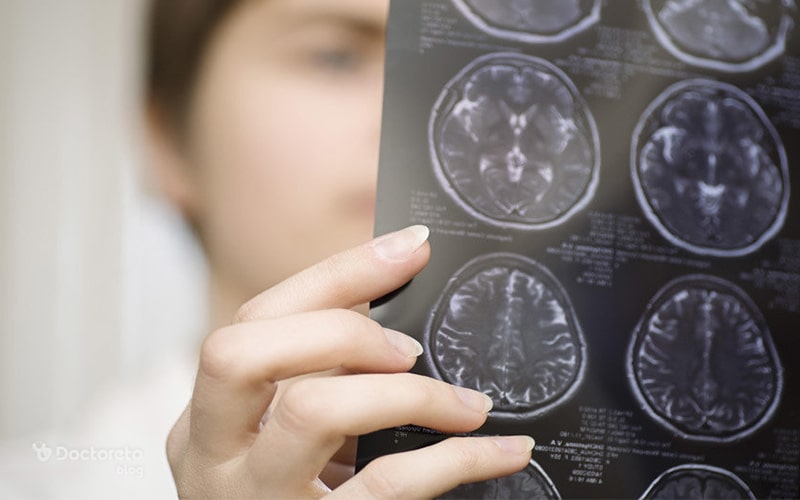
Headache is one of the most common symptoms that people experience during their life, and many think of the connection between brain tumor and headache with the first headache. The fact is that most headaches occur for benign reasons such as migraines, tension headaches, dehydration, lack of sleep, or sinus problems and are not related to tumors. But in some special situations, headache can be one of the symptoms of brain tumors, especially when the headache pattern changes or appears along with other neurological symptoms. From the medical point of view, brain tumor headache is usually caused by increased intracranial pressure, irritation of the brain membranes, or mass effect of the tumor on sensitive structures. For this reason, the type of headache, its occurrence time, intensity and associated symptoms are very important. . In this article, you will learn from your doctor about the relationship between brain tumor and headache.
Does brain tumor cause headache?
In some cases, a brain tumor can cause headaches, but this does not always happen. Although headache is one of brain tumor symptoms, many early stage brain tumors may not cause any headache, or their symptoms may be very mild and undetectable. When a tumor grows, it can increase intracranial pressure or disrupt the flow of cerebrospinal fluid. The important thing is that headache and brain tumor are not always directly related and doctors do not rely only on headache for diagnosis.
The pattern of headaches related to brain tumor is different and other symptoms should be taken into consideration. Brain tumor headache is usually accompanied by other symptoms such as morning sickness, blurred vision, seizures, unilateral body weakness or behavioral changes. So if you have a headache that's clearly new or the pattern has changed, it's a good idea to get a medical checkup. Paying attention to the change in the pain pattern or its accompanying with other symptoms such as nausea, blurred vision and muscle weakness can help in early diagnosis of the disease.
Increased intracranial pressure causes headache.
Headache caused by various brain tumors
Headache caused by brain tumor is not the same in all types of brain tumor. The location of the tumor, its size, the rate of growth and whether it causes an increase in intracranial pressure or not, affects the form of the headache. Most headaches are not due to brain tumors, and you don't always have to worry, because there are many different reasons and factors that can cause you to get headaches. Some tumors do not cause obvious headaches despite their large size, but some others can have significant symptoms even in small sizes.
Headache in brain tumors can have different patterns and occur depending on the nature, origin and spread of the tumor. These headaches are often caused by increased intracranial pressure, inflammation of the surrounding tissues, or disturbances in the flow of cerebrospinal fluid, and are usually progressive, persistent, and resistant to common headache treatments. Examining the type of tumor helps to better understand the cause and characteristics of headache.
Headache in benign and malignant tumors
Headache in glial and non-glial tumors
Headache in metastatic tumors
English text: Around 50% of people who are diagnosed with a brain tumor said headaches were one of the complaints they went to the doctor with. But, a headache isn't a definite sign of a brain tumor Translation of the text: About 50% of people who have been diagnosed with a brain tumor say that headache is one of the complaints they went to the doctor with. However, headaches are not a sure sign of a brain tumor.
Benign or malignant brain tumors and their size and location have a great impact on the intensity and type of headache you experience. Benign tumors usually develop a slow and gradual headache, but in malignant brain tumor the headache is more severe and progresses faster. Some brain tumors do not cause headaches at all because the brain itself is unable to feel pain. Only when a tumor is large enough to press on nerves or blood vessels will it cause a headache. In this situation, the probability of brain tumor headaches is higher, and accompanying symptoms such as nausea, blurred vision, or nervous weakness may appear earlier.
2. Glial and non-glial tumors
Glial tumors originate from brain support cells called glia and are one of the most common types of brain tumors. Some of these tumors can cause swelling around the brain tissue and this swelling increases intracranial pressure. As a result, a brain tumor headache may be seen along with symptoms such as seizures or impaired concentration. Nonglial tumors are a diverse group that includes meningiomas, auditory nerve tumors, and some other masses. Depending on the location, these tumors may cause pressure symptoms such as headache and brain tumor or local symptoms such as hearing loss or balance disorder.
The difference between these tumors is in the cells from which the tumor originates. Usually, glial tumors are more malignant and grow faster; Therefore, the symptoms they cause are probably more intense and uncomfortable. Headaches caused by glial tumors may be more severe and put more pressure on the brain. Of course, it still depends on the type of tumor and its location.
English text: Some brain tumors do not cause headaches at all, since the brain itself isn't capable of sensing pain. Only when a tumor is large enough to press on nerves or vessels do they cause headache Text translation: Some brain tumors do not cause headaches at all, because the brain is not able to feel pain. Only if the tumor is too big and puts pressure on the blood vessels and nerves, it can cause a headache.
3. Metastatic tumors
Most tumors that develop in the brain are metastatic tumors. The primary origin of these tumors is in another part of the body, and with the spread of the disease and the spread of the tumor to the brain tissue, they have now become secondary brain tumors. This type of headache is usually more sudden, more severe and accompanied by nausea, vomiting or morning aggravation and often occurs due to a rapid increase in intracranial pressure.
Sometimes headache in this state is associated with faster changes and clearer neurological symptoms. In metastatic tumors, swelling around the tumor and increased intracranial pressure are very important. For this reason, brain tumor headaches in these conditions may be more severe and occur with nausea, vomiting or visual disturbances. If a person has a history of cancer, experiencing a new pattern of painful and severe headaches, he should definitely do the necessary investigations regarding the cause of these headaches.
What are the symptoms of a brain tumor headache?
Brain tumor headache is usually caused by increased intracranial pressure or stimulation of pain nerves in the covering of the brain. It depends on the location and size of the brain tumor. Sometimes it is felt in the deep areas of the head and sometimes in a specific part such as the back of the head or one side of it. This type of headache is usually more severe in the morning and may be accompanied by nausea, vomiting or blurred vision.
Symptoms of headaches caused by a brain tumor may become more severe over time, may not respond to standard treatments, or may be accompanied by other neurological symptoms. Of course, no symptom is definitive on its own, and the final diagnosis is only possible with examination and imaging. In many patients, headache caused by brain tumor is accompanied by clear changes in lifestyle. For example, a person feels that his headaches are new, they wake him up, or they are accompanied by nausea and blurred vision. The more common symptoms of headache and brain tumor are:
New headache or marked change in previous headache pattern
Worse headache in the morning or after waking up
Aggravation of headache when coughing, sneezing, straining or bending
Nausea and vomiting, especially in the early hours of the day
Blurred vision, double vision or seeing a halo around the light
Decreased balance, dizziness or abnormal gait
Seizures, even in people without a history of seizures
Unilateral body weakness or numbness
Behavioral changes, memory impairment or decreased concentration
Resistance to common painkillers
Aggravation when bending over, coughing or physical activity
Feeling of pressure or heaviness inside the head, not throbbing like a migraine
The severity and pattern of headache in brain tumor is usually different from common headaches and often occurs in a progressive and continuous manner. These headaches usually become more severe over time, respond little to common pain relievers, and in many cases are felt most often in the early morning hours or after waking up. Increasing intracranial pressure, changing body position, coughing, sneezing, or straining can increase pain intensity, and sometimes headaches are accompanied by nausea, vomiting, or neurological symptoms.
The pattern of headache may be pressing, heavy or vague and in some patients it is felt locally and in others it is diffused throughout the head. If you have a headache that has become persistent, is not controlled by the usual pain relievers, and is accompanied by neurological symptoms, it is better to do a more detailed examination.
The difference between headache in brain tumor and normal headaches
Headache caused by a brain tumor usually has differences in severity, pattern and symptoms from normal headaches. These types of headaches are caused by increased intracranial pressure or irritation of the tissues around the tumor, and often become more severe with time. While normal headaches such as migraines or tension-type headaches are usually periodic and manageable, tumor-related headaches may be persistent, morning, drug-resistant, and accompanied by other neurological symptoms. The main differences between brain tumor headache and normal headache are:
Time of occurrence: Tumor headache is usually more severe in the morning, while normal headache is more felt during the day
Pain pattern: in brain tumor, pain is continuous and gradual, but in normal headaches, pain occurs intermittently or suddenly
Response to medication: Tumor headache responds poorly to common pain relievers, while typical headache is usually relieved by medication
Associated symptoms: A brain tumor may be accompanied by nausea, vomiting, blurred vision, limb weakness, or seizures, while a typical headache does not have such symptoms.
Feature
Common headaches (tension or migraine)
Brain tumor headache
Time course
Usually periodic, with a repetitive and predictable pattern
Usually progressive and gradual Worsening
Time of worsening
In stress, sleeplessness, strong light or noise
Mostly in the morning, or when coughing, sneezing, and straining
Response to treatment
Often improves with rest and common medications
May respond to common pain relievers Do not
Symptoms
Nausea and vomiting (in migraine), sensitivity to light and sound
Blurry or diplopia, convulsions, limb weakness, balance disorder or behavior change
Table of differences between brain tumor headache and other headaches
How is a headache caused by a brain tumor diagnosed?
Brain tumor headache is diagnosed based on a combination of careful history, neurological examination, and imaging procedures, as this type of headache usually has an unusual and progressive pattern. The doctor pays attention to factors such as new onset of headache, gradual increase in severity, morning exacerbation and accompanying neurological symptoms to check the possibility of brain tumor. He or she first takes a complete history, examines the headache pattern, and asks about accompanying symptoms such as nausea, vision changes, seizures, or neurological disturbances. Then, a neurological examination is performed to check the state of muscle strength, balance, reflexes, and brain nerve function.
If the doctor suspects a serious cause such as brain tumor and headache, he usually requests imaging. Brain MRI is the best method for examining brain tumors and shows precise details. In some cases, a CT scan is also performed, especially when there is an urgent need for examination. Sometimes additional tests such as eye examination in terms of optic nerve swelling also help in diagnosis. Some methods of diagnosing headache caused by brain tumor are:
CT scan of the brain: use in emergency situations or when MRI is not available
History and examination of symptoms: assessment of headache pattern, time of onset, gradual aggravation and presence of nausea, vomiting or neurological disorders
Neurological examination: examination of muscle strength, reflexes, vision, balance and level of consciousness
MRI brain imaging: the most accurate method to identify a brain tumor and its location
Feature
Tumor
Headache
Definition
An abnormal mass of cells that grows in a part of the body.
Pain or discomfort in the area Head.
Cause
Abnormal growth of cells, various reasons such as genetics, environment and unknown factors.
A wide range of factors including stress, migraine, sinuses, infections, tumors and...
Symptoms
In addition to headache, there may be other symptoms such as nausea, vomiting, weakness, visual disturbances, There are also personality changes and seizures.
Pain in the head area may be accompanied by sensitivity to light and sound, nausea, etc.
Severity
The severity of a headache caused by a tumor is usually severe and continuous and worsens over time.
The severity of headaches varies and can vary from mild to severe.
Type Pain
Pain is usually deep and constant and does not get worse with a change in body position.
Pain can be throbbing, pressing or sharp and changes with a change in body position or physical activity.
Diagnosis
Requires specialized examinations such as MRI, CT scan, biopsy, etc.
It is usually diagnosed with patient history and physical examination. If needed, additional tests such as CT scan or MRI are performed.
Treatment
Depends on the type and stage of the tumor and may include surgery, chemotherapy, radiotherapy, or a combination of these methods.
Treatment depends on the cause of the headache and may include painkillers, home remedies, etc.
In this table we see the difference between the difference between tumor and headache
How is the treatment of headache in brain tumor?
Headache in brain tumor is treated according to the cause of the headache, the type of tumor, its location and the severity of increased intracranial pressure, usually with the aim of controlling the symptom and its main cause. Headaches caused by brain tumors are often not fully controlled with common pain relievers and require specialized treatments under the supervision of a physician. Sometimes headache is caused by swelling around the tumor or increased intracranial pressure and can be controlled with drug treatments. But in many cases, permanent headache control only occurs when the tumor itself is treated.
Treatment is usually a combination of drugs, surgery, radiation therapy or chemotherapy and is performed by a specialized team including a neurologist, neurosurgeon and oncologist. The goal of treatment is to control the tumor and improve the patient's quality of life by reducing headaches and associated symptoms. The most common methods of treating headache in brain tumor are:
Corticosteroids: reducing cerebral edema and intracranial pressure, which plays an important role in headache control
Analgesics: mild to moderate pain reduction in a supportive and temporary way
Anti-nausea drugs: controlling nausea and vomiting caused by increased cerebral pressure
Anticonvulsants: prevention or treatment of seizures in patients with neurological involvement
Brain tumor surgery: complete or partial removal of the tumor to reduce pressure and improve symptoms
Radiotherapy: Shrinking the tumor or controlling its growth in non-surgical or post-operative cases
Chemotherapy: inhibiting the growth of tumor cells in certain types of brain tumors
Supportive treatments: improving the quality of life by controlling accompanying symptoms such as sleep disorder and general weakness
1. Drug treatments to control headaches and other symptoms
Medications are usually the first step in controlling headaches caused by a brain tumor, especially when the patient has not yet received primary treatment for the tumor or is awaiting surgery. One of the common medications are corticosteroids such as dexamethasone, which reduce swelling around the tumor and can reduce intracranial pressure. As a result, the severity of brain tumor headache decreases in many patients.
For medical treatment of brain tumor headache, usually most of the common pain relievers are not effective. The doctor may use appropriate pain relievers, brain tumor pills, anti-nausea medications, and anticonvulsants if seizures are present. The important thing is that arbitrary use of painkillers or long-term use of drugs without a doctor's supervision can become problematic. Drug treatment should be precise, phased and adjusted according to the patient's condition.
2. Brain tumor surgery
Another main treatment for relieving brain tumor symptoms, including tumor-related headaches, is brain tumor surgery. New advances in technology and surgical techniques allow surgeons to access the brain and remove brain tumors through small incisions and specialized instruments that do not require large incisions. However, the type of technique used for surgery, the degree of difficulty of the operation, and the recovery period, all depend on the type of tumor and its location.
When the mass is removed, the intracranial pressure is reduced, and in many cases brain tumor headaches are significantly less. Of course, the rate of improvement depends on the location of the tumor, its type and the amount of resection. Sometimes the goal of surgery is not to completely remove the tumor, but to reduce the volume of the tumor and reduce the pressure. In some patients, surgery is performed along with sampling to determine the type of tumor and design a more accurate treatment plan. After surgery, the patient may still need radiation or chemotherapy to reduce the chance of recurrence.
Nausea and vomiting with headache caused by brain tumor are common and require prompt treatment.
3. Radiation therapy and chemotherapy
Radiation therapy, which uses external X-rays or other forms of radiation to kill cancer cells and shrink the tumor, is another brain tumor treatment option. Chemotherapy is also used in some cases, but it is usually challenging to remove brain tumors. The reason is the blood-brain barrier that protects the brain tissue from blood flow. Researchers are working on chemotherapy drugs that can safely and effectively cross the blood-brain barrier and destroy the tumor.
Radiotherapy can slow tumor growth and reduce the intensity of brain tumor headache by reducing the volume or mass effect. In some cases, more precise methods such as radiosurgery are used, which cause less damage to healthy tissue. Chemotherapy is usually more useful in certain types of specific tumors or metastatic tumors. This treatment may be done alone or together with radiation therapy. During treatment, controlling symptoms such as headache and nausea is very important, because it preserves the patient's quality of life.
What are the complications of brain tumor caused by headache?
When a brain tumor causes a headache, it is usually a sign that the brain is under pressure or the function of parts of the nervous system has changed. This condition can be associated with several complications, some of which are serious and require immediate treatment. For this reason, it is very important to check brain tumor and headache at the same time, and you should not only use painkillers.
Symptoms may be caused directly by the tumor itself or due to increased intracranial pressure, swelling around the tumor, and impaired flow of cerebrospinal fluid. Also, some complications are related to treatments, such as complications of surgery or radiation therapy. If this type of headache is not diagnosed and treated in time, it may be associated with a disturbance in the vital functions of the brain and significantly reduce the patient's quality of life. Some of the complications of brain tumor headache include:
Convulsions: as a result of stimulation of brain tissue by tumor
Gradual and continuous aggravation of headache: increase in pain intensity and resistance to usual painkillers
Frequent nausea and vomiting: especially in the early hours of the morning
Visual disorders: blurred vision or diplopia caused by increased cerebral pressure
Decreased concentration and alertness: feeling confused, sleepy, or cognitive performance decline
impaired balance and increased risk of falling
Muscle weakness or numbness on one side of the body
Convulsions or problems in a person's vision and speech are complications of brain tumor and headache.
prevention of brain tumor headache
Complete prevention of headache in brain tumor is usually not possible, because headache is directly related to the existence and growth of the tumor and increased intracranial pressure, but its severity and frequency can be reduced by early diagnosis and proper management of the disease. Regular medical follow-up and control of aggravating factors play an important role in preventing headache from worsening. The methods of preventing headache in brain tumor are:
Stress management and adequate sleep: help reduce headache intensity and improve pain tolerance
Timely tumor diagnosis and treatment: preventing tumor progression and increased cerebral pressure
Regular use of prescribed drugs: control of cerebral edema, pain and accompanying symptoms
Periodical follow-up with imaging: evaluation of disease process and treatment effectiveness
Avoidance of straining and heavy activities: reduction of sudden increase in intracranial pressure
Guide to seeing a specialist for brain tumor and headache
If your headache is accompanied by one of the things such as blurred vision, convulsions, limb weakness, speech disorder or change in level of consciousness, the referral should be more urgent. In many cases, early detection allows for faster treatment if there is a serious problem, and more peace of mind if the problem is not serious. The goal is to strike a reasonable balance between unnecessary concern and dangerous indifference.
For more information about brain tumor disease and headache, you can make an appointment with the best neurologist in Iran. Below is a list of the most prominent neurologists in different cities of Iran.
Understanding the relationship between brain tumor and headache is very important in early diagnosis, because these types of headaches are usually a sign of increased intracranial pressure or irritation of sensitive brain tissues. Most headaches are caused by common and treatable causes and are not a symptom of a tumor. However, brain tumor headaches usually have characteristics that distinguish them from normal headaches, such as being progressive, worse in the morning, or accompanied by neurological symptoms. Their main difference with tension headaches or migraines is their persistence, intensity and drug resistance. Any new, persistent headache, or with neurological symptoms should be evaluated by a neurologist. Definitive diagnosis is made through MRI or CT scan, and treatment, depending on the type and location of the tumor, includes drugs, surgery or radiation therapy. Paying attention to warning signs and taking timely action is the best way to prevent serious brain tumor complications.
No, not all headaches are a symptom of a brain tumor, and in most cases headaches are caused by more common causes such as migraines, headaches They have tension, sinus problems, lack of sleep or stress. Headache caused by a brain tumor usually has certain characteristics, including being progressive, gradually increasing in intensity, worsening in the early morning hours or when coughing and straining, and accompanied by neurological symptoms such as nausea, vomiting, visual disturbances, convulsions, or limb weakness. For this reason, most of the headaches are benign and need to be examined only if there are warning signs.
Yes, brain tumor headaches are usually different from normal headaches because they are often progressive and It occurs continuously and its intensity increases over time. This type of headache usually worsens in the early hours of the morning or when coughing and straining, and often does not respond well to common pain relievers. Also, a headache caused by a brain tumor may be accompanied by warning symptoms such as nausea and vomiting, visual disturbances, seizures, weakness of the limbs or changes in the level of consciousness, while normal headaches often have a more stable pattern and are benign.
In many cases, by treating brain tumor and reducing intracranial pressure, headache It is significantly reduced or completely resolved, but this depends on the type of tumor, its location and the body's response to treatment. After surgery, radiation therapy, or chemotherapy, headache intensity usually decreases with the reduction of cerebral edema and improvement of cerebrospinal fluid flow, however, in some patients, headache may remain mild or intermittent and require supportive treatment.
Headache can be one of the symptoms of brain tumor in women, but this issue is not exclusive to women and also to men. may occur The main difference is that women generally experience more migraines and some hormonal headaches than men, which may complicate the diagnosis. If a woman's headache is new, progressive, or accompanied by neurological symptoms, it should be investigated. The doctor determines the cause by examination and, if necessary, imaging.
I am Farzaneh, 30 years old and I love the world of SEO and content writing, and I am curious to learn new things. Regardless of any contract, law and special style. The virtual world and the Internet have provided me with an opportunity to be with the best teams, where I can feel the feeling of getting better and improving my job with all my heart every day without any worries. I am proud to achieve this pure feeling with your good team.