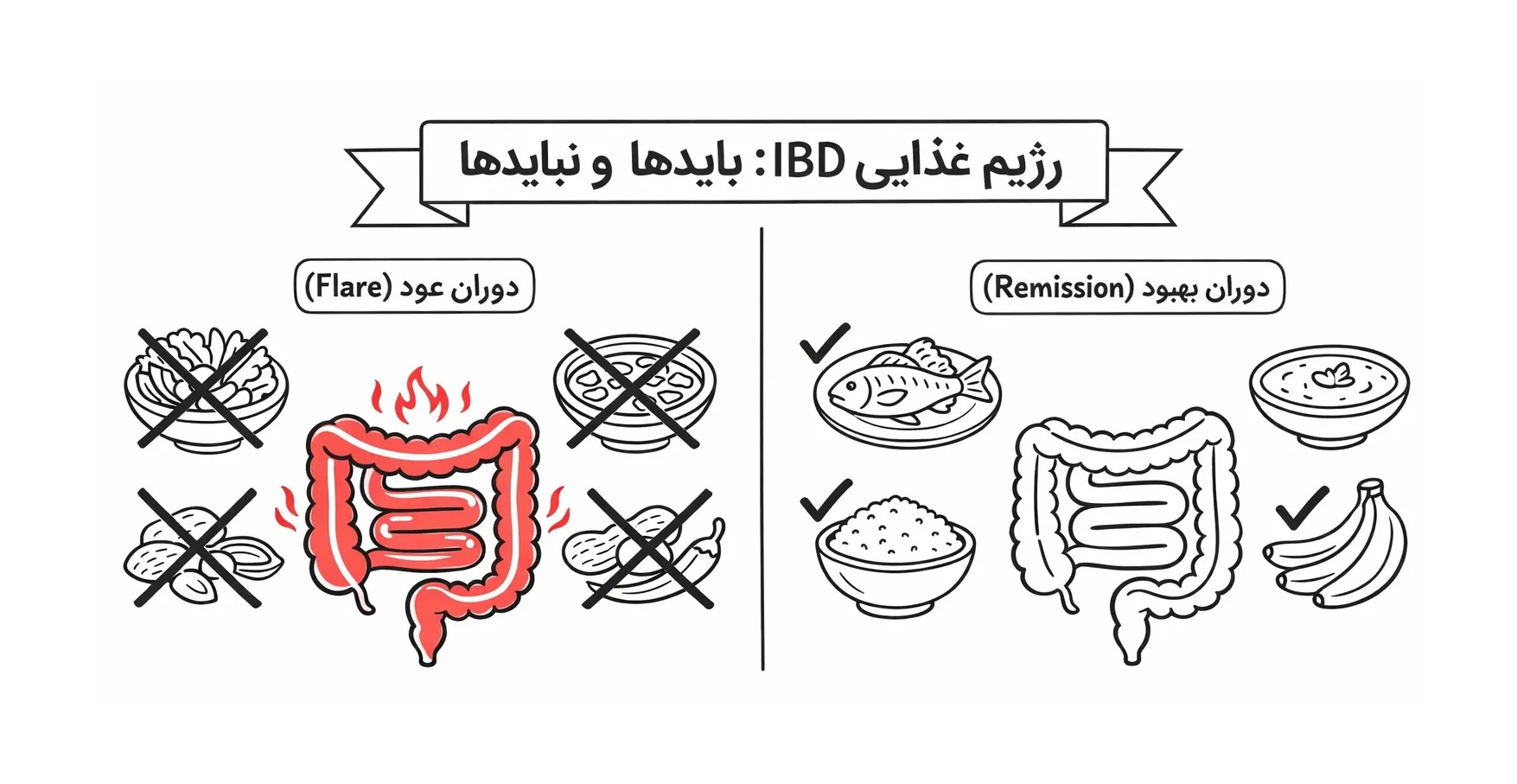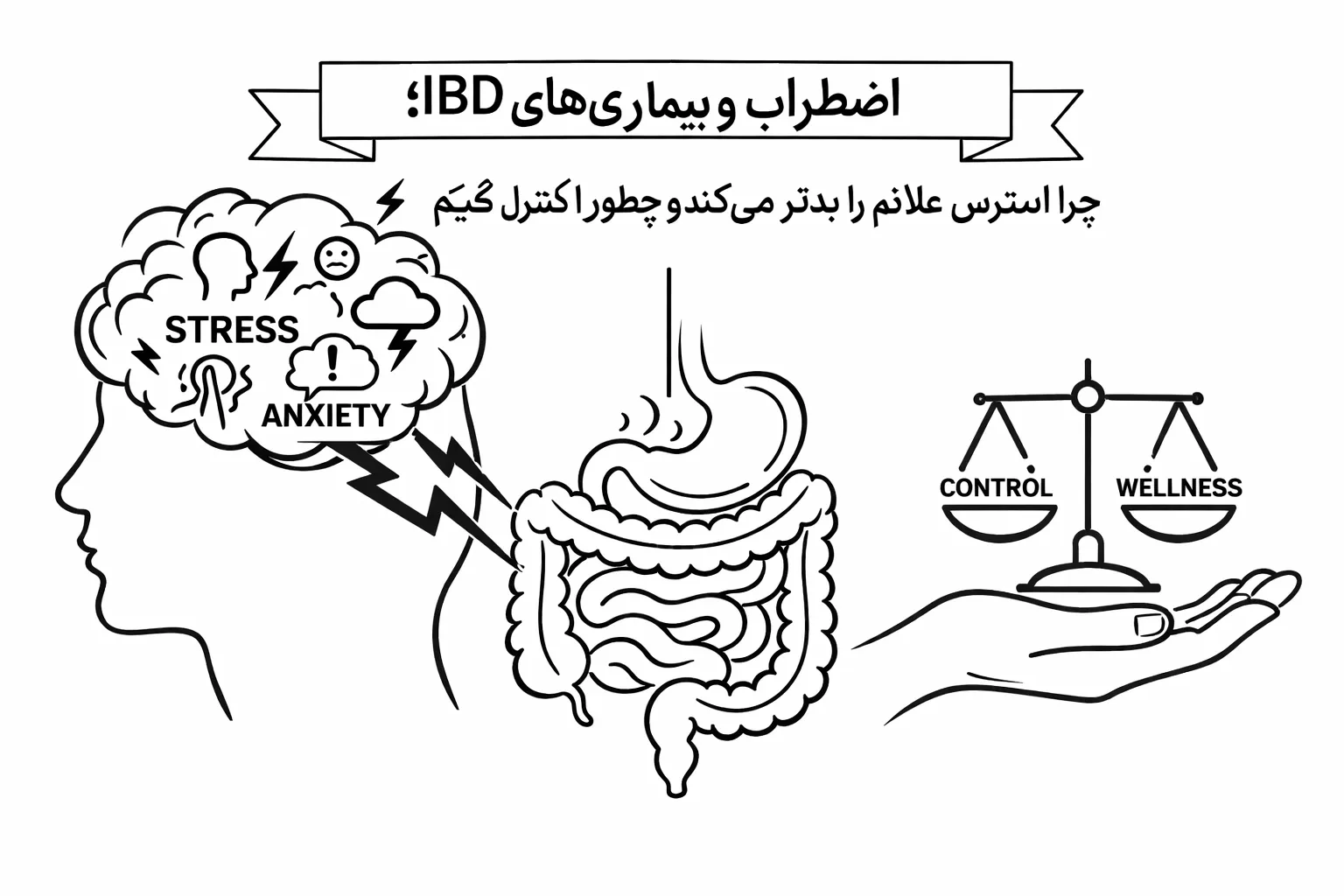

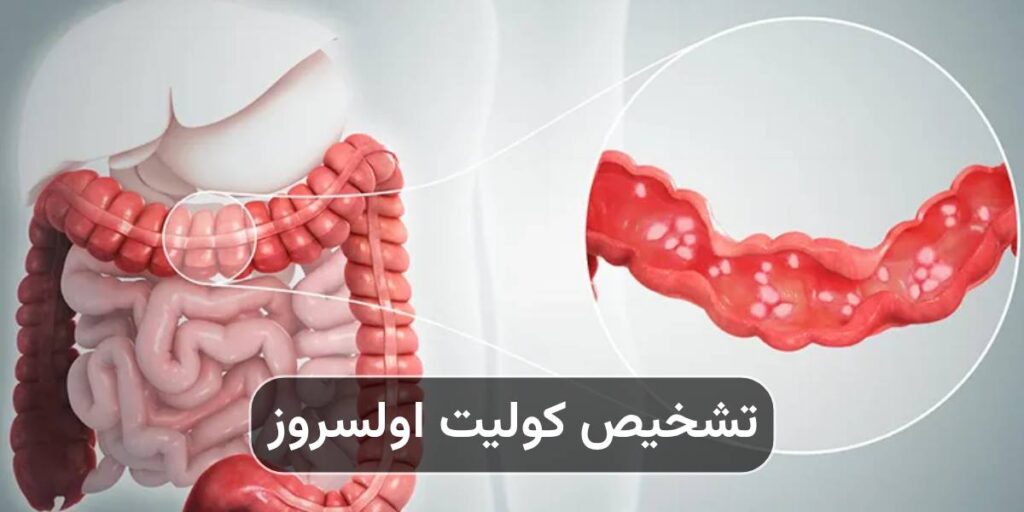
مشکلات گوارشی مزمن مانند اسهال خونی، درد شکم و کاهش وزن غیرقابل توضیح میتوانند نشانه بیماریهای التهابی روده یا IBD باشند. One of the most important of these diseases is ulcerative colitis; A chronic and inflammatory disorder that affects the large intestine and can cause serious complications if not properly diagnosed and treated.
But the main question of many patients is how to diagnose ulcerative colitis? Can it be detected with just a blood test? Is a colonoscopy necessary? What is the difference with Crohn's disease?
In this article, we will fully and step-by-step examine the process of diagnosing ulcerative colitis, what tests are performed, and what is the role of colonoscopy in this process.
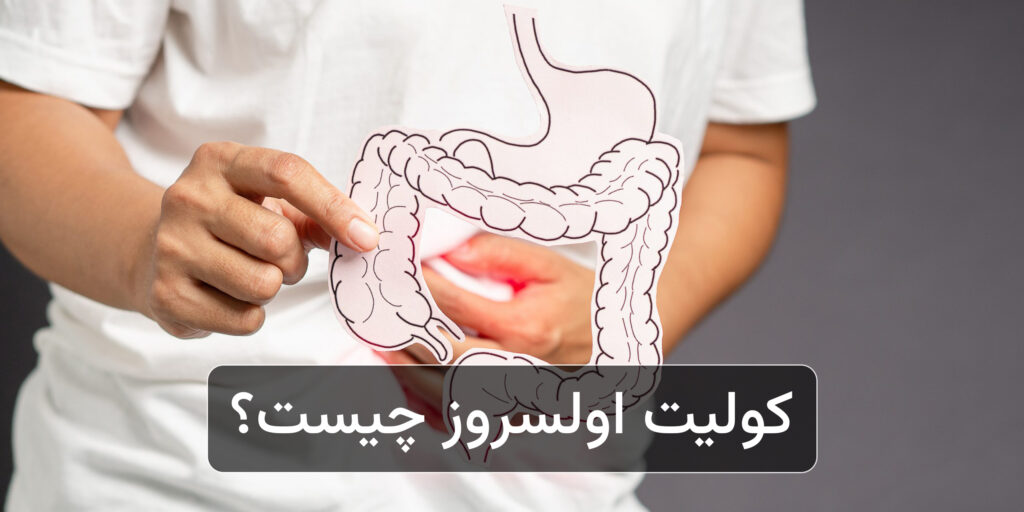
What is ulcerative colitis?
ulcerative colitis is a chronic inflammatory bowel disease (IBD) that affects only the large intestine (colon) and rectum. In this disease, inflammation starts from the region of the rectum and may spread to the higher parts of the colon. This disease is accompanied by periods of relapse and recovery and can significantly affect the patient's quality of life.
Warning symptoms that need to be investigated
Before entering into the discussion of diagnosis of ulcerative colitis, it is necessary to know what symptoms make a gastroenterologist and liver specialist suspect this disease:
- Chronic diarrhea (more than 4 week)
- Presence of blood or mucus in stool
- Abdominal pain and cramps
- Feeling incomplete
- Unwanted weight loss
- Severe fatigue
- Anemia
In severe cases, the following symptoms may also be observed in people:
- Fever
- Dehydration
- Increased heart rate
- Decreased Strong appetite
If these symptoms are present continuously, the doctor enters the stage of specialized evaluation. src="data:image/svg+xml;base64,PHN2ZyB4bWxucz0iaHR0cDovL3d3dy53My5vcmcvMjAwMC9zdmciIHdpZHRoPSIxMjAwIiBoZWlnaHQ9IjYwMCIgdmlld0JveD0 iMCAwIDEyMDAgNjAwIj48cmVjdCB3aWR0aD0iMTAwJSIgaGVpZ2h0PSIxMDAlIiBzdHlsZT0iZmlsbDojY2ZkNGRiO2ZpbGwtb3BhY2l0eTogMC4xOyIvPjwvc3ZnPg==" fetchpriority="high" decoding="async" class="aligncenter size-full wp-image-1000004986" data-src="https://ibdclinic.ir/wp-content/uploads/2026/02/002-10.jpg" alt="Method for diagnosing ulcerative colitis" width="1200" height="600" data-srcset="https://ibdclinic.ir/wp-content/uploads/2026/02/002-10.jpg 1200w, https://ibdclinic.ir/wp-content/uploads/2026/02/002-10-300x150.jpg 300w, https://ibdclinic.ir/wp-content/uploads/2026/02/002-10-1024x512.jpg 1024w, https://ibdclinic.ir/wp-content/uploads/2026/02/002-10-768x384.jpg 768w" data-sizes="(max-width: 1200px) 100vw, 1200px">
Diagnosis of this disease is a multi-step process and is not based on a single test. In fact, the diagnosis of ulcerative colitis is a combination of clinical, laboratory, imaging and colonoscopy.
The main steps are as follows:
- taking a detailed history
- physical examination
- blood test
- stool test
- colonoscopy and sampling
- imaging if Need
History and clinical examination
The first step in the diagnosis of ulcerative colitis is to check the symptoms, their duration and the severity of the involvement. For this reason, the doctor asks the patient questions about the following:
- Frequency of defecation
- Presence of blood in the stool
- Family history of intestinal diseases
- Weight loss
- Joint pain or skin problems
Then the abdomen is examined and checked for signs of anemia or dehydration.
Blood test to diagnose colitis. Ulcerosis
A blood test alone does not give a definitive diagnosis, but it provides important clues to the doctor. The things examined in the blood test are as follows:
- CBC: checking for anemia
- CRP and ESR: indicators of inflammation
- Electrolytes: checking for dehydration
- Albumin: assessing the nutritional status
In many patients with ulcerative colitis, the CRP level increases, which indicates the presence of active inflammation.
Examination Stool
Stool examination is one of the most important steps in the differential diagnosis, as bacterial or parasitic infections must be ruled out. Investigations for the diagnosis of ulcerative colitis are as follows:
- Stool culture
- Parasite examination
- Stool calprotectin test
Calprotectin is a marker of intestinal inflammation and is used in inflammatory diseases such as ulcerative colitis and Crohn's disease Increases.
Colonoscopy; The most important diagnostic tool
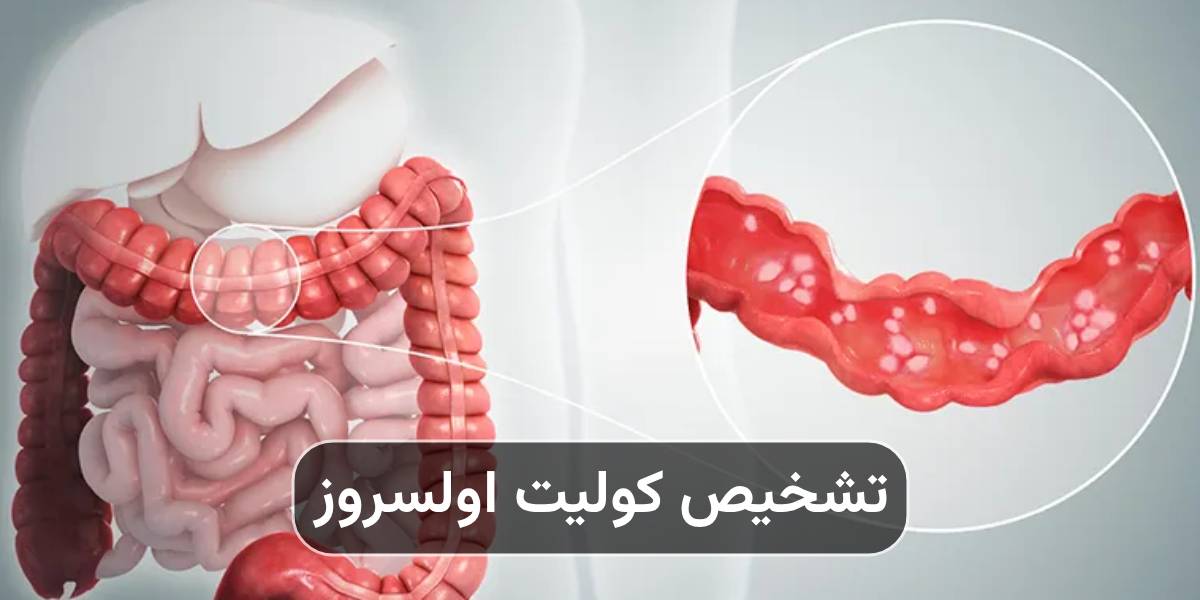
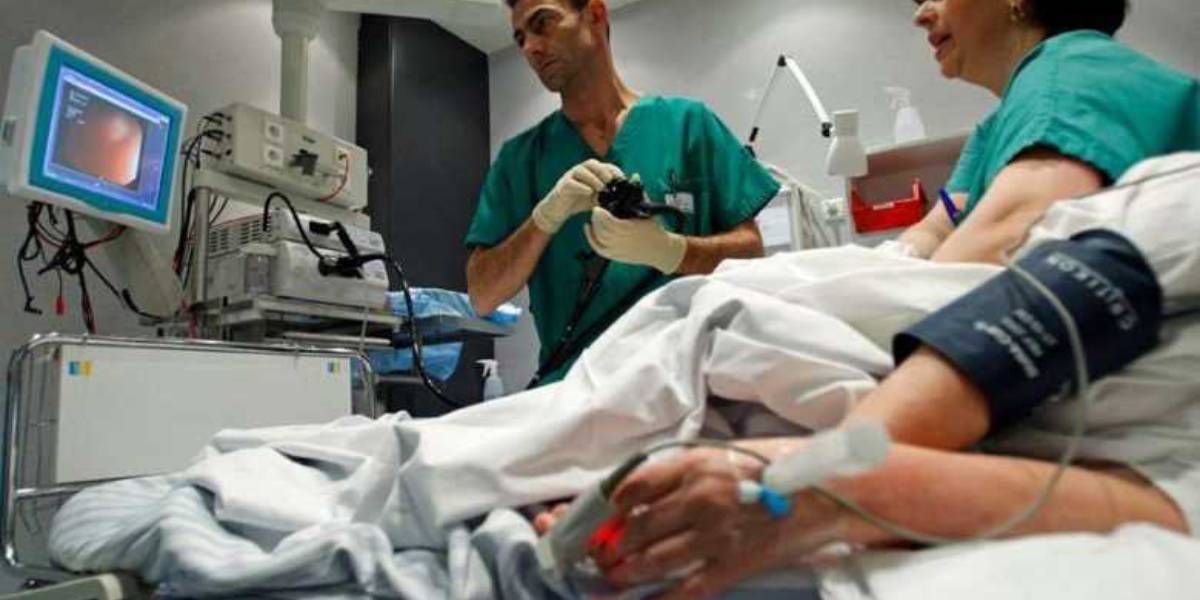
Colonoscopy is the most important and accurate method in the diagnosis of ulcerative colitis. In this method, the doctor observes the entire colon using a narrow tube equipped with a camera. Colonoscopy findings in ulcerative colitis are as follows:
- Continuous inflammation of the rectum
- Surface wounds
- Mucosal bleeding
- Tissue fragility
- Destruction of the normal pattern of vessels
One of the important features of ulcerative colitis is the continuous inflammation; That is, inflammation spreads without healthy areas between it.
The role of sampling (biopsy)
During colonoscopy, intestinal tissue is sampled. Microscopic examination of these samples confirms the definitive and final diagnosis. In the pathology review, features such as the following are observed:
- Inflammation limited to the mucosa
- Cryptic abscesses
- Destruction of epithelial cells
The difference between ulcerative colitis and Crohn's disease in diagnosis
One of the most important challenges in diagnosing ulcerative colitis is differentiating it from Crohn's disease. The key differences between these two diseases in diagnosis are as follows:
| Feature | Ulcerative colitis | Crohn's disease |
| Site of involvement | Colon only | Each part From the digestive system |
| Type of inflammation | Continuous | Partial |
| Depth of involvement | Superficial | Deep |
| Fistula | Rare | More common |
The role of imaging in the diagnosis of ulcerative colitis
In severe or complicated cases, the following methods may be used to diagnose ulcerative colitis:
- CT scan Abdomen
- Pelvic MRI
- Upper endoscopy (in special cases)
These methods are used to investigate complications such as intestinal perforation or the spread of inflammation.
Severity of the disease after diagnosis
After confirming the diagnosis of ulcerative colitis, the severity of the disease in people is determined as follows It can be:
- Mild
- Moderate
- Severe
- Fulminant
This severity is based on the number of stools, the amount of bleeding and laboratory indicators.
When is it considered an emergency diagnosis?
In case of the following symptoms, immediate referral to a gastroenterologist and liver specialist is required. is:
- High fever
- Severe bloody diarrhea
- Intolerable abdominal pain
- Symptoms of severe dehydration
This condition may indicate severe colitis or toxic megacolon.
The importance of early diagnosis of ulcerative colitis
Early diagnosis of ulcerative colitis causes the following It can:
- Prevent permanent intestinal damage
- Reduce the risk of colon cancer
- Better control of symptoms
- Improve quality of life
Diagnosis of ulcerative colitis is a multi-step process based on detailed history, blood and stool tests, colonoscopy and biopsy. Actually, in the diagnosis of this disease, no single test alone is sufficient and does not bring a definite result.
Correct diagnosis and differentiation of ulcerative colitis from Crohn's disease is also very important, because the treatment path of these two diseases is different. If you have chronic digestive symptoms, visiting Dr. Alireza Sima as a gastroenterologist and liver specialist and performing the necessary examinations can prevent the progression of the disease and the occurrence of long-term complications. href="https://www.google.com/maps/place/35%C2%B044'07.7%22N+51%C2%B023'15.4%22E/@35.735458,51.3850346 ,17z/data=!4m4!3m3!8m2!3d35.7354667!4d51.3875988?entry=ttu&g_ep=EgoyMDI1MTIwNy4wIKXMDSoASAFQAw%3D%3D" target="_blank" rel="noopener">Tehran - No. 144, Masoud Clinic, 19th St., North Amirabad St., 1st floor