

Physiotherapy of sesamoid bone or sesame bone
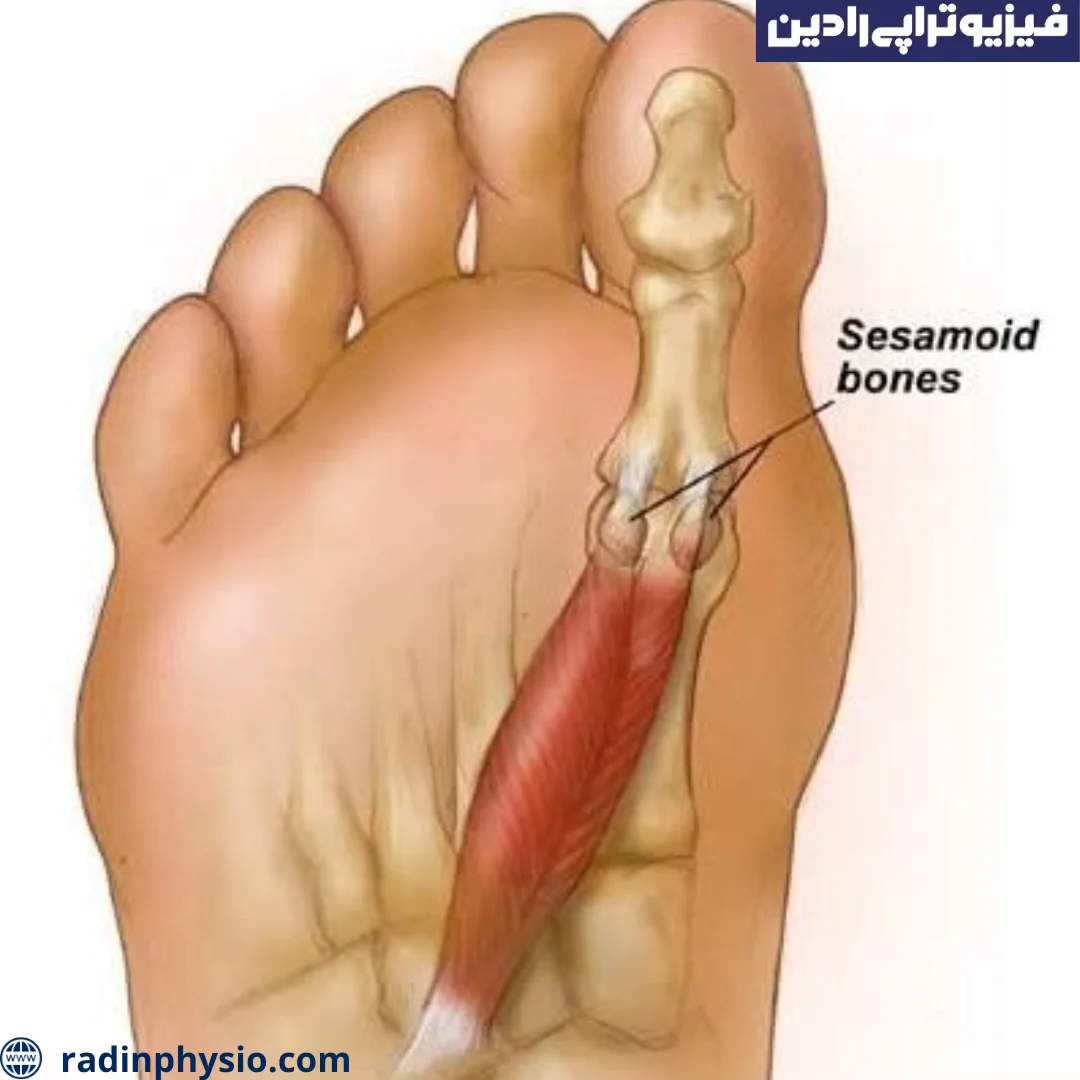
In the human body, the sesamoid bone is found in some joints such as the big foot joint (lower limb joint) and the ankle (ankle joint). Also, sesamoid bones are present in parts of the body such as the hands and between the fingers.
The structure of the sesamoid bone (sesame bone) and its function
The sesamoid bone usually has a small and round structure. They may be located individually in the joint tissues or in masses in the bone tissue or muscles. The structure of the sesamoid bone may vary from person to person, but it usually consists of the following layers:
- External cortex: The sesamoid bone has a tough and resistant outer layer known as the periosteum. This is the protective shell for the bone and protects the inner bone tissue.
- Bone tissue: Beneath the bone shell, bone tissue is found, which contains bone-forming cells called osteoblasts. These cells absorb minerals such as calcium and phosphorus and strengthen bone tissue.
- Bone Marrow: In some sesamoid bones, there is a hollow tube-like space known as bone marrow. This space is bone-like tissue and may contain blood vessels and nerves.
The function of the sesamoid bone is usually as a point of attachment and support for muscles and joint tissues. They play a role in facilitating joint movements and reduce the pressure on the joint. For example, in the big toe joint, the sesamoid bone acts as the point of attachment of the leg muscles to the knee bones and is useful in facilitating joint flexion movements.
The sesamoid bones can also help distribute forces and pressures better in the joints and help reduce stress from everyday activities such as walking, hiking, and jumping.
Types of damage to the sesame bone
The sesamoid bone, which is usually located in the area around the joints, may experience injuries due to a variety of factors and conditions. Some types of injuries caused to the sesamoid bone are:
bone fracture
The sessile bone may break due to direct injury, excessive pressure, or trauma. This may lead to changes in the shape and function of the joint involved, causing pain, swelling, and limited range of motion.
Inflammation
Falling damage
Too much pressure on the sesamoid bone can lead to a fall injury. This type of injury may cause a crack or scratch in the bone and cause pain, swelling and discomfort.
Incomplete repair
If the sessile bone is broken or damaged, the healing process may be incomplete or abnormal. This may cause the fractured bone to deform abnormally and reduce the strength and function of the joint involved.
Tendonitis
The sessile bone may be in contact with adjacent tendons. Inflammation of the tendons can spread to the sesamoid bone and lead to pain and swelling in the relevant area.
If you experience a problem with the sesamoid bone, it is recommended to see a doctor. Based on your medical history and physical evaluation, your doctor can make an accurate diagnosis for the injury to the sesamoid bone and determine the appropriate treatment plan.
What are the symptoms of sesamoid bone inflammation?
- Pain: Pain is usually in the sesamoid bone area as a result of irritation and inflammation of the bone and its surrounding tissues. The pain may be sharp or mild and become more intense over time. Pain is usually felt more during joint activities such as walking or jumping.
- Swelling and redness: The sesamoid bone may become swollen and red as a result of inflammation. These symptoms are usually seen in the area around the sesamoid bone and may cause the movement of the related joint to be restricted and cause discomfort. Warm feeling: As a result of inflammation and swelling, the related area feels warmer than normal. Difficulty in movement: Inflammation of the sesamoid bone may limit the movement of the related joint. In some cases, even moving the joint or putting pressure on it causes the most pain and discomfort.
If you experience symptoms of sesamoid bone inflammation, it is recommended to see a doctor. Your doctor can make an accurate diagnosis of sesamoid osteomyelitis with a physical exam, medical history, and possibly imaging, and determine an appropriate treatment plan.

What is the cause of sesamoid bone inflammation?
Suffering from sesamoid bone inflammation can be related to several factors. Below are some of the possible causes of this inflammation:
- Too much pressure: Excessive use of the sesamoid bone may put too much pressure on it. This can occur in athletes and people who perform activities such as excessive jumping, walking or running.
- Injury and trauma: Direct impact to the sesamoid bone can lead to its inflammation. Sports injuries, falls, or long-term repeated stimulation can be factors that cause damage and inflammation in the sesamoid bone.
- Overload: Repeated pressure and excessive load on the sesamoid bone may lead to inflammation. This can occur as a result of excessive use of the sesamoid bone in everyday activities or sports such as badminton, basketball, baseball and volleyball. How to use the feet: Improper use of the feet and uneven distribution of body weight can cause irritation and inflammation in the sesamoid bone. Some activities and movements may cause a lot of load on the sesamoid bone and cause inflammation.
- Many drug factors: Taking some drugs such as steroids can be a factor for irritation and inflammation of the sesamoid bone.
It is important to know that the above causes are only some of the possible factors and each person may suffer from their own reasons. If you experience the symptoms of sesamoid bone inflammation, it is very important to see a doctor for accurate diagnosis and proper treatment.
How to diagnose sesamoid bone inflammation
Diagnosis of sesamoid bone inflammation should be done by a doctor. Below are the common diagnostic procedures for sesamoid osteomyelitis:
- Medical examination: Your doctor will talk with you about the signs and symptoms you are experiencing, your medical history, activity and exercise history, and other factors that may lead to sesamoid osteomyelitis.
- Physical examination: Your doctor will examine the area of pain and swelling, possibly the sesamoid bone, and the surrounding areas. to detect signs of inflammation. He may apply pressure or certain movements in this area to check your pain and discomfort.
- Imaging: To confirm the diagnosis and make a more detailed examination, the doctor may use imaging methods such as X-ray, angiography, ultrasound or MRI. These images help the doctor examine the structure of the sesamoid bone and surrounding tissues and detect signs of inflammation. Labs: In some cases, blood tests can be done to check for signs of inflammation, such as markers of inflammation and changes in related biochemical levels. These tests may be used in the diagnosis and investigation of the causes related to sesamoid bone inflammation.
According to the results of these diagnostic methods and careful examination by the doctor, the final diagnosis and appropriate treatment will be determined for you. Therefore, if you are experiencing symptoms of sesamoid bone inflammation, it is recommended to see a doctor to get the correct diagnosis and treatment.

How to prevent sesame bone inflammation?
To prevent sesamoid bone inflammation, you can consider the following measures and methods:
- Activity management: Be sure to do your activities in a balanced and regular manner. Avoid excessive and repeated pressure on your sesamoid bone. If you are an athlete, make sure you have enough rest between training sessions and gradually increase your exercise program.
- Using the correct techniques: Use the correct techniques when performing sports activities or exercises. It includes correct instructions for movements and pressures of the sesamoid bone that are most effective and prevent damage to the sesamoid bone. Visiting a sports coach or a physical therapist can help you.
- Strengthening the muscles: Strengthening the muscles around the sesamoid bone can reduce the pressure on it and prevent inflammation. Doing strength exercises and muscle strengthening, especially the muscles covering the sesamoid bone, can be beneficial. However, when doing exercises, be sure to pay attention to the recommendations of the medical and sports specialist.
- Using support equipment: In sports activities or activities that put a lot of pressure on the sesamoid bone, it is useful to use support equipment such as suitable shoes, supports or other devices that distribute the pressure and protect the sesamoid bone.
- Reserve rest and recovery: Give your body enough rest and Allow it to heal if you experience signs of tension and fatigue in the sesamoid bone. Avoid a lot of physical activity or sports to give the sesame bone more time to heal.
- Adherence to a healthy diet: A proper and varied diet that includes foods rich in calcium, vitamin D and other nutrients can help bone health. Consuming foods such as milk and dairy products, fish, vegetables, fruits, and nuts can help strengthen bones and prevent bone problems. Avoiding risk factors: Avoiding factors that cause osteomyelitis can prevent its occurrence. For example, it is useful to avoid blows and repeated injuries to the sesamoid bone, as well as the excessive use of sports equipment that puts a lot of pressure on the sesamoid bone.
Finally, it is important to take the improvement of any symptoms or pain in the sesamoid bone area seriously and see a doctor if necessary. Based on your condition and accurate diagnosis, your doctor can provide other tips to prevent sesamoid bone inflammation.

Methods for treating sesamoid bone inflammation
Treatment of sesamoid bone inflammation may include the following methods:
- Rest: Resting and reducing activities that put a lot of pressure on the sesamoid bone is the first step in sesamoid treatment. This means that you should avoid sports activities or activities that cause a lot of stress and pressure on the sesamoid bone and give the body a chance to heal.
- Using ice: Using ice packs or cold compresses in the inflamed area can be effective in reducing pain and inflammation. This method helps to cool the affected area and can reduce sesamoid symptoms. However, do not put ice directly on the skin and do not use it for a long time. Bandage (Compression) Using a bandage or splint on the inflamed area distributes pressure evenly and can reduce sesamoid symptoms. However, it is important to apply pressure appropriately and not put too much pressure on the sesamoid bone.
- Check and change daily activities: If your daily activities cause too much stress and pressure on the sesamoid bone, they may need to be changed. Usually, a doctor or physical therapist can review your exercise program and daily activities and suggest changes that will improve and reduce pressure on the sesamoid bone.
- Drug treatment: In some cases, the doctor may prescribe non-steroidal anti-inflammatory drugs (NSAIDs) such as ibuprofen or naproxen to reduce pain and inflammation. In some more severe cases, stronger anti-inflammatory drugs or steroids may be needed. Also, in some cases, the doctor may inject mecorticosteroids (such as cortisone) at the site of inflammation to control pain and inflammation. Physiotherapy: Physiotherapy methods such as strengthening exercises and increasing flexibility, using massage techniques and sound waves can be effective in improving sesamoid symptoms. A physical therapist can develop a plan for your personal physical therapy and exercises.
- Surgery: In severe cases resistant to other treatment methods, surgery may be necessary. In sesamoid surgery, the compressed and inflamed parts of the sesamoid bone are removed.
It is important to consult your doctor and get the correct diagnosis and treatment for your sesamoid. Each person and disease may have their own needs and the treatment should be determined based on your individual conditions.
physiotherapy of sesamoid bone inflammation
Physiotherapy can be an effective method in the treatment of inflammation of the sesamoid bone. This method helps improve symptoms and reduce pain and inflammation related to the sesamoid through strengthening exercises, increasing flexibility, massage and other physical techniques. Next, we will review some physical therapy methods that are commonly used in sesamoid treatment:
- Strengthening exercises: Strengthening exercises related to the muscles and bones adjacent to the sesamoid bone can improve the strength and support of the sesamoid bone. Strengthening exercises should be designed by a physiotherapist according to your intensity and limitations and performed under their supervision and guidance. Flexibility exercises: Using flexibility exercises can help increase the range of motion in the sesamoid bone. Flexibility exercises, as part of a physical therapy program, include performing specific movements to improve flexibility and range of motion in needed areas. Massage techniques: Massage can be effective in reducing pain, relieving inflammatory symptoms, and improving blood flow in the area covered by the sesamoid. A physical therapist can use different massage techniques to reduce inflammation and relieve pain in the area you need.
- Using heat and cold: Using hot or cold packs can help reduce inflammation and pain. Heat packs are usually used before exercise and activities to warm up the muscles and tissues and get blood flowing to the area. Cold packs can also be used to reduce pain and inflammation, generally by wrapping an ice pack in a cloth cover and placing it on the painful area.
- Electrotherapy: Electrotherapy, or the use of electrical currents, can be effective in reducing pain, controlling inflammation, and improving the function of the sesamoid bone. This method involves using electrodes on the skin in the required area and applying electric current directly to the sesamoid bone.
It is important to consult with a physiotherapist (Radin Physiotherapy) and determine the appropriate treatment plan for your specific condition. Based on the symptoms and severity of the inflammation, he can guide you and determine the right exercises and techniques for you. Also, he may give you tips and home exercises that you can do throughout the day to experience further improvement.