
Fibromyalgia causes pain in muscles and joints throughout the body. It can also cause fatigue and mental symptoms such as memory problems. Experts don't know what causes fibromyalgia, and there's no cure, but your doctor can help you find treatments to manage your symptoms.
What is fibromyalgia? class="ez-toc-section-end">
Fibromyalgia is a long-term (chronic) health problem that causes pain and tenderness throughout the body, accompanied by musculoskeletal pain and fatigue.
People with fibromyalgia usually experience symptoms that peak and then disappear again. At times, living with fibromyalgia can be exhausting and challenging. Feeling fine and experiencing sudden flare-ups can be overwhelming. Fibromyalgia is real and so is how you feel.
Doctors don't know what causes fibromyalgia, but studies have shown that certain health problems, stress and other life changes may trigger it. If one of your biological parents has fibromyalgia, you are more likely to develop fibromyalgia.
Any new pain in the body is often the first symptom of fibromyalgia, especially in the muscles. Trust your instincts and listen to your body. See a physical medicine specialist if you're experiencing new pain, fatigue, or other symptoms, even if they feel like they come and go.
Who is affected by fibromyalgia?
Anyone can get fibromyalgia. It affects people of all ages, including children. About 4 million people in America live with fibromyalgia.
Fibromyalgia is more likely to be diagnosed in women (AFAB) and people over 40.
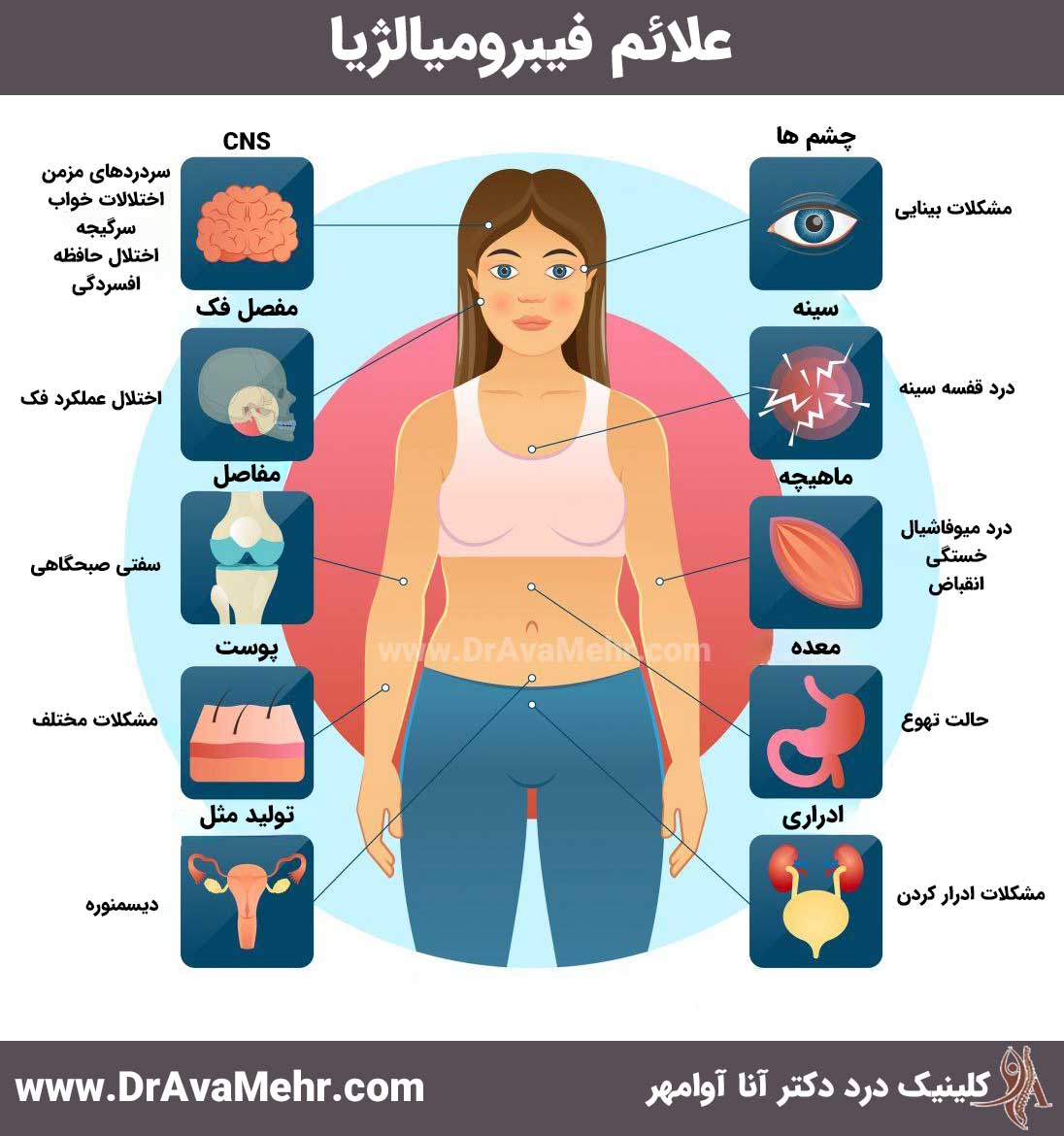
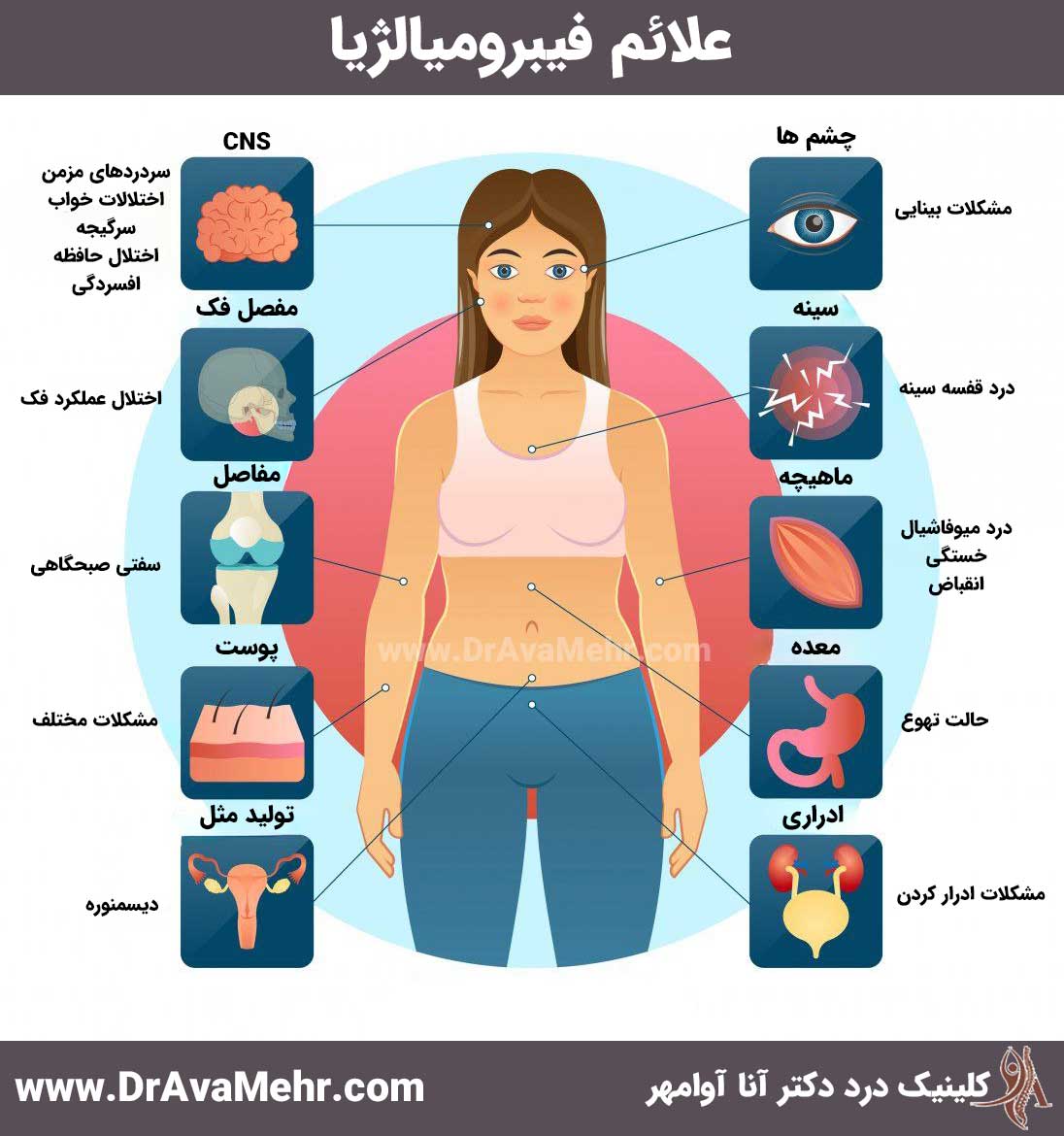
Two common symptoms of fibromyalgia are pain and fatigue. You may experience the following:
- Muscle pain or tenderness.
- Fatigue.
- Facial and jaw pain (temporomandibular joint disorders).
- Headache and migraine.
- Digestive problems, including diarrhea and constipation.
- Issues related to bladder control.
- Memory problems (sometimes called "brain fog").
- Anxiety.
- Depression.
- Insomnia and other sleep disorders.
What What causes fibromyalgia?
Experts don't know what causes fibromyalgia.
Certain genes you inherit from your biological parents increase your risk of developing fibromyalgia. Studies have found a link between biological parents with fibromyalgia and their children, which may mean it runs in families.
People with fibromyalgia are usually more sensitive to pain than most people. Experts have yet to find a direct link, but they think genetic mutations in neurotransmitter genes in the brain that send and receive pain signals to the body are the cause of fibromyalgia.
Even though experts can't say for sure what causes fibromyalgia, certain health conditions and other issues are risk factors for its development. Fibromyalgia risk factors include:
- Your age: People over the age of 40 are more likely to develop fibromyalgia. But it may affect anyone, including children.
- Sex assignment at birth: Fibromyalgia is twice as likely to develop in people who were assigned a girl tag at birth.
- Chronic diseases: People with diseases such as arthritis, depression, anxiety disorders, chronic back pain and irritable bowel syndrome are more prone to fibromyalgia.
- Infections: Some people develop fibromyalgia after an infection, especially if they experience severe symptoms.
- Stress: The amount of stress you experience cannot be measured by a test, but too much stress can affect your health.
- Trauma: People who have experienced physical or emotional trauma or serious injury sometimes develop fibromyalgia.

Does anything make fibromyalgia worse?
Some events or changes in life can cause fibromyalgia to worsen. People are different, and what causes symptoms in some people may not be the same for you. In general, anything that increases your stress can make your symptoms worse, including:
- Emotional stress caused by job, financial situation or social life.
- Changes in the daily schedule.
- Change in diet or not having enough and proper nutrition.
- Hormonal changes.
- Insufficient sleep or changes in sleep.
- Changes in weather or temperature.
- Being sick.
- Starting new medications or treatments, or changing something in your usual fibromyalgia treatment routine.
A doctor will diagnose fibromyalgia with a physical exam and a discussion of your health history. They will ask about your symptoms and when you first noticed them.
There is no test that can diagnose fibromyalgia. Usually, its diagnosis is part of the differential diagnosis. A doctor makes a diagnosis by comparing several diseases with related symptoms. This process leads to the final diagnosis.
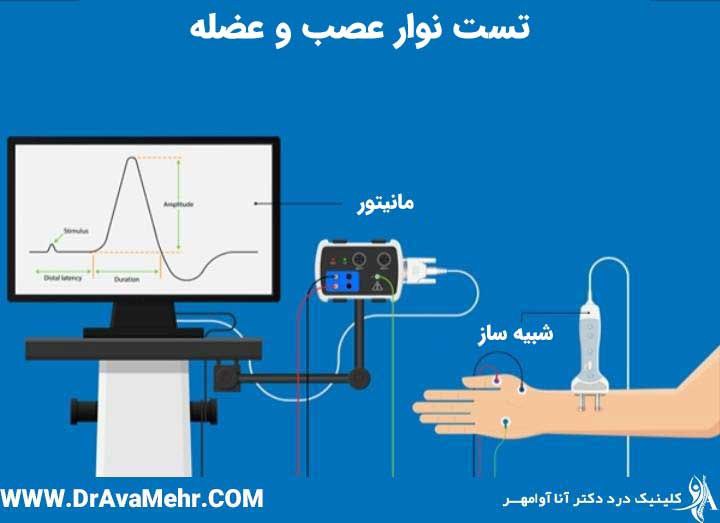
Your doctor may use blood tests to rule out other common causes of fatigue, such as anemia or thyroid problems.

There is no single treatment that works for every person with fibromyalgia. Your doctor will work with you to find a combination of treatments that will relieve your symptoms. Tell your provider which symptoms you are experiencing and when they change (including when they are getting better or worse).
Treatments you may need include:
- Over-the-counter (OTC) or prescription medications for pain relief.
- Exercises such as stretching or strength training.
- Sleep therapy.
- Cognitive behavior therapy.
- Stress management therapy.
- Antidepressants.
Fibromyalgia is a dynamic condition. This means that you will not experience fibromyalgia symptoms in any particular order, there is no roadmap for knowing when or how fibromyalgia symptoms will affect you.
Your doctor may treat fibromyalgia in different stages based on how you feel. These steps are not a step-by-step treatment plan. Everyone is different and how fibromyalgia affects your body will be unique. The steps are more like categories of variables that can help you identify the right treatments to manage your symptoms. The four stages of fibromyalgia treatment are:
- Non-drug treatments: The doctor or physiotherapist will give you stretches and exercises to relax and strengthen your muscles and joints.
- Psychological treatments: A mental health professional can help you identify ways to maintain a healthy self-image. They suggest strategies for managing symptoms that affect your mental and emotional health.
- Pharmaceutical treatment: Taking medication to manage symptoms.
- Daily Functioning: If you experience severe symptoms that make it difficult to participate in regular activities, an occupational therapist can help you function better in your daily routine.
Because experts don't know what causes fibromyalgia, you can't prevent it.
Maintaining overall health can help reduce the severity of fibromyalgia symptoms:
- Manage stress as much as you can.
- Follow a diet and exercise plan that works for you.
- Have enough sleep and observe sleep hygiene.
You should expect to manage fibromyalgia symptoms for a long time, perhaps for the rest of your life. Some people with fibromyalgia experience shorter periods with milder symptoms after finding treatments that work for them. Ask your doctor how often you need to visit to adjust your treatment or adjust the medications you take.
Fibromyalgia is a real disease that has a real impact on your life. Some days you may feel like it's "all in your head," but it's not. Talk to your provider or a psychiatrist if you need help managing stress and other emotional symptoms.
People with fibromyalgia are more likely to be hospitalized for pain, fatigue, or mental health symptoms. You will also likely experience memory problems and difficulty concentrating.
Talk to your doctor as soon as you notice any changes in your symptoms, especially if you feel these changes are affecting your memory or mental health.
See your doctor if you experience new symptoms such as pain, fatigue, or changes in mental health, including:
- Depression or suicidal thoughts.
- Headache or migraine.
- You have memory problems or feel like your brain is "foggy".
- Sleep problems.
What questions should I ask my doctor?
- Do I have fibromyalgia or another disease?
- What tests will I need?
- Which treatments work best for me?
- How often should I visit to adjust my treatments?
- Should I work with a mental health professional?
- Does this mean my family members are more likely to get fibromyalgia?
Fibromyalgia causes pain all over your body. It can also make you feel tired and think your mind is foggy. There is no cure for fibromyalgia, but your doctor can help you find a combination of treatments that will relieve your symptoms.
Even though experts don't know what causes fibromyalgia, it's real, and so are your symptoms. They may come and go or be difficult to describe, but your feelings are valid and important. Living with a chronic illness like fibromyalgia can be a challenge, but you don't have to do it alone.
Dr. Ana Avamehr, the best spine specialist in Tehran, in the field of treating pain problems, including back pain, neck pain, knee pain, and pain Joints are specialized. He uses various treatment methods, including drug therapy, muscle knot release, trigger point injection and medicine. Acupuncture, chiropractic and prolotherapy help patients reduce their pain and regain normal function.
If you are suffering from pain, call Dr. Avamehr's office and book your appointment. He will help you to miraculously cure your pain and improve your quality of life.