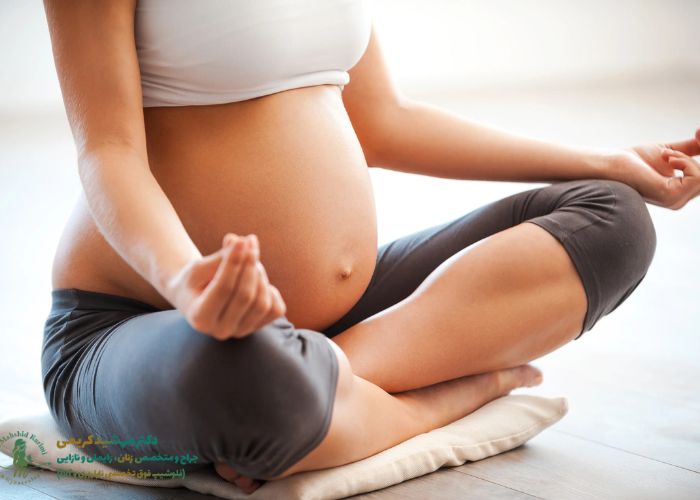

یوگا در بارداری یکی از بهترین روشها برای حفظ آرامش، تقویت بدن و آمادگی برای زایمان است. With gentle movements and focus on breathing, these exercises help the mother to establish a deeper connection with her body and her baby. Yoga not only reduces the fatigue and pain of this period, but also increases the sense of balance, energy and relaxation in the mother. According to Dr. Mahshid Karimi, obstetrics and gynecology specialist, regular practice of yoga can make the process of pregnancy and childbirth easier and safer. If you are looking for a natural way to experience a more relaxed pregnancy, pregnancy yoga is a great choice.

benefits of yoga in pregnancy
Yoga during pregnancy is one of the most effective ways to maintain body health, peace of mind and preparation for childbirth. These exercises, which are based on gentle movements, controlled stretches and focus on breathing, are designed to adapt to the specific needs of the expectant mother's body. In the following, the most important and comprehensive benefits of yoga during pregnancy are discussed:
1. Reducing stress and anxiety
By focusing on deep breathing and presence of mind, yoga helps the mother feel more relaxed. Breathing exercises reduce the level of stress hormones and prepare the mind to accept changes during pregnancy.2. Improving sleep and rest quality
Many mothers face the problem of insomnia or superficial sleep during pregnancy. By reducing muscle tension and calming the mind, yoga helps improve sleep and makes the body have more energy for fetal growth and daily activities.
3. Strengthening the main muscles of the body
Yoga focuses especially on the muscles of the pelvis, abdomen, back and legs. Strengthening these areas makes the body better support the fetus during pregnancy and provide more effective performance during childbirth. Also, muscle strength helps reduce back pain and fatigue.
4. Improving the balance and flexibility of the body
As the belly grows and the body's center of gravity changes, it becomes more difficult for the mother to maintain balance. Yoga exercises during pregnancy help improve body balance by increasing the flexibility of muscles and joints and reduce the possibility of falling or getting injured.
5. Reducing the common pains and discomforts of pregnancy
Yoga with stretching and controlled movements helps reduce muscle cramps, back pain, leg swelling and pelvic pain. There are certain exercises to reduce the pressure on the spine and improve the position of the body during pregnancy, which makes the mother more comfortable.

6. Improve blood circulation and breathing
Yoga exercises increase blood flow in the body and provide better oxygen to cells and the fetus. This improvement in blood circulation helps to reduce fatigue, swelling of organs and maintain the general health of the body.
7. Creating a deeper emotional connection with the baby
The quiet moments of yoga during pregnancy are a valuable opportunity to focus on the baby and feel his presence inside the body. These exercises make the mother establish a stronger emotional connection with her fetus and convey the feeling of love and peace to her.
8. Better preparation for natural childbirth
Yoga prepares the body for childbirth. Breathing exercises teach the mother how to stay calm during labor pains and by controlling her breathing, she can go through the birth process more easily. Also, the flexibility and strength of the pelvic muscles makes the delivery process easier.
9. Reducing the risk of pregnancy depression
Regular physical activity and mental relaxation resulting from yoga causes the release of endorphins, the hormone of happiness. This plays an important role in preventing depression during pregnancy and after delivery.
10. Increasing self-confidence and peace of mind
Yoga during pregnancy teaches the mother to trust her body and become aware of her inner strength. This awareness increases self-confidence and reduces the fear of childbirth. Yoga during pregnancy is not only an exercise activity; Rather, it is a comprehensive method to strengthen the body, calm the mind and develop the emotional connection between mother and baby.
Yoga in pregnancy from how many months?
Starting yoga during pregnancy depends a lot on the mother's physical condition, history of physical activity and doctor's opinion, but in general, the best time to start yoga exercises is from the beginning of the second trimester of pregnancy (ie from the fourth month). At this time, the body has reached a more stable stage, the nausea and fatigue of the first months is reduced, and the risk of miscarriage is also lower. However, it is very important to know the conditions of each period of pregnancy:
First trimester (months 1 to 3)
During this period, it is better for the mother to avoid heavy exercises or new movements, especially if she has not experienced yoga before pregnancy. Only very light breathing exercises or quiet meditations can be useful at this stage.
Second trimester (months 4 to 6)
This time is considered the best period to start yoga. The body is more flexible, nausea and dizziness are reduced and the mother can increase her balance, relaxation and physical strength with gentle movements, breathing exercises and safe yoga postures. The main focus of yoga at this stage is on strengthening the pelvis, gently stretching the back and improving breathing.
Third trimester (months 7 to 9)
In the final months, exercises should be very calm and controlled. The main goal at this stage is to maintain flexibility, reduce back and hip pain, and prepare for childbirth. Breathing and relaxation exercises are the most beneficial for the mother and fetus.
Safe yoga exercises for pregnant mothers
Yoga exercises during pregnancy should be safe, gentle and appropriate to the changes in the mother's body. The main goal during this period is to maintain peace, improve blood circulation, reduce muscle pain and prepare the body for childbirth. In the following, a series of safe and useful yoga exercises for pregnant mothers are introduced, which can be done with the guidance of a pregnancy yoga specialist:

1. Deep breathing practice (Pranayama)
Focusing on breathing is one of the most important parts of yoga during pregnancy. Deep breaths through the nose and slow exhalation through the mouth reduce stress, increase oxygen delivery to the fetus and improve mental relaxation. This exercise is safe in all stages of pregnancy.
2. Butterfly pose (Baddha Konasana)
In this movement, the mother sits on the floor, puts the soles of the feet together and opens the knees outwards. This exercise strengthens the pelvic muscles, improves blood flow in the genital area and prepares the body for childbirth.
3. Cat and cow pose (Marjaryasana–Bitilasana)
It is a simple and effective movement to reduce back pain and increase spine flexibility. The mother gets on her hands and knees, alternately arching her back up (like a cat) and then lowering it (like a cow). This exercise removes tension from the back and shoulders.
4. Altered Child's Pose (Balasana)
This relaxing position helps the mother to take the pressure off her back and pelvis. In the special version for pregnancy, the knees are slightly wider apart to create space for the belly. Focusing on breathing in this state creates a feeling of relaxation and lightness.
5. Mountain Pose (Tadasana)
In this movement, the mother stands straight, the legs are hip-width apart, and the hands are placed next to the body. Focus on balance, deep breathing and maintaining body alignment. This simple but effective posture improves posture and reduces pressure on the spine.
6. Warrior Pose II (Virabhadrasana II)
This yoga movement during pregnancy strengthens the legs, increases balance and pelvic muscle strength. The mother should make sure that the knees do not bend too much and are in line with the ankles. Performing this exercise calmly and without pressure creates a sense of strength and stability.
7. Cat Stretch for Pregnancy
It is a kind of movement modified from cat and cow posture, which is performed by gently stretching the spine and moving in harmony with breathing. This exercise helps to reduce the pressure on the stomach and strengthen the back muscles.
8. Final relaxation and meditation practice (Modified Savasana)At the end of the exercises, the mother can lie on her left side, put a pillow between her knees and rest for a few minutes with slow breathing. This position improves blood flow to the heart and fetus and completely calms the mind.