Complications of knee joint replacement - 3 key points Dr. Majid Ghorbanzadeh
3 weeks ago
556 بازدید
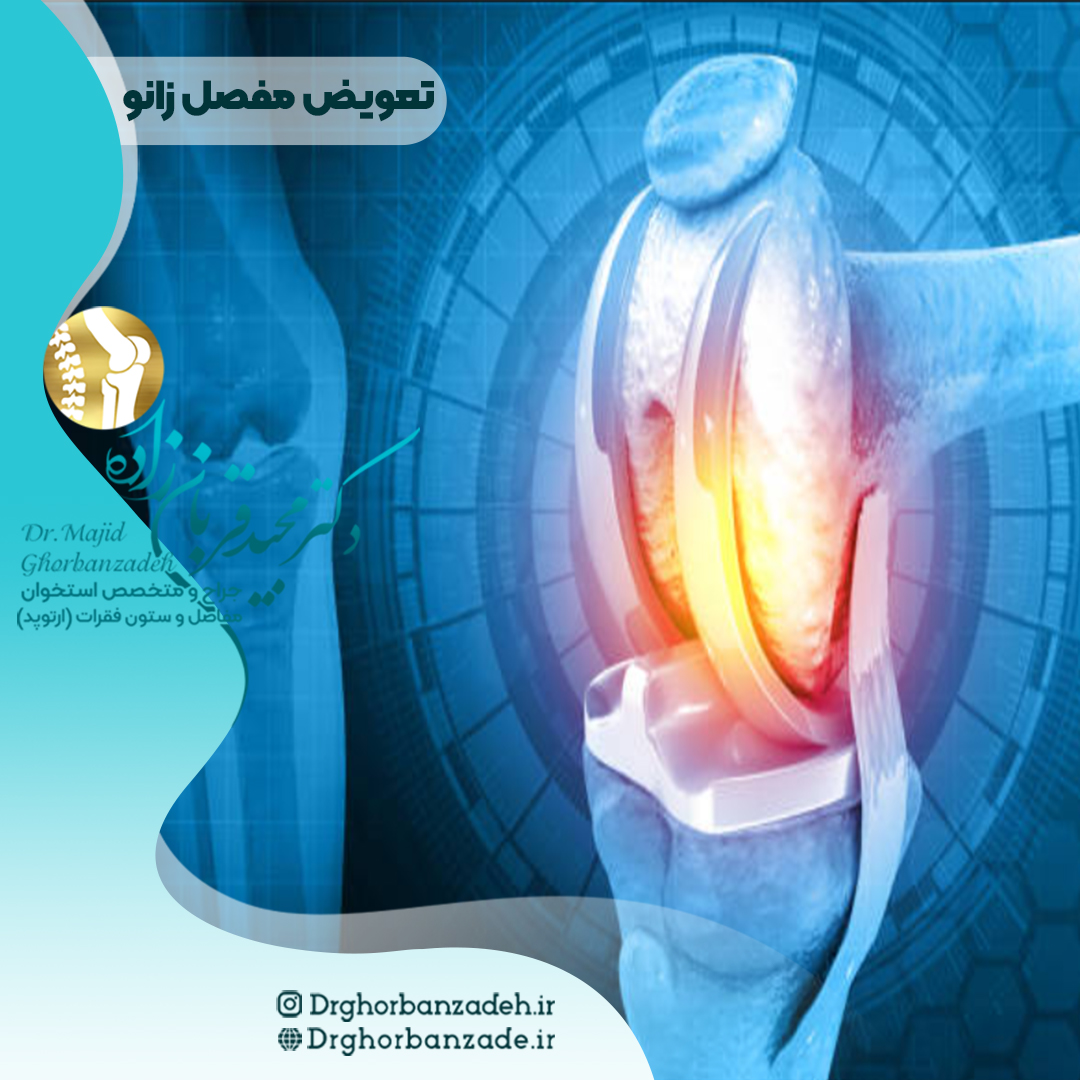
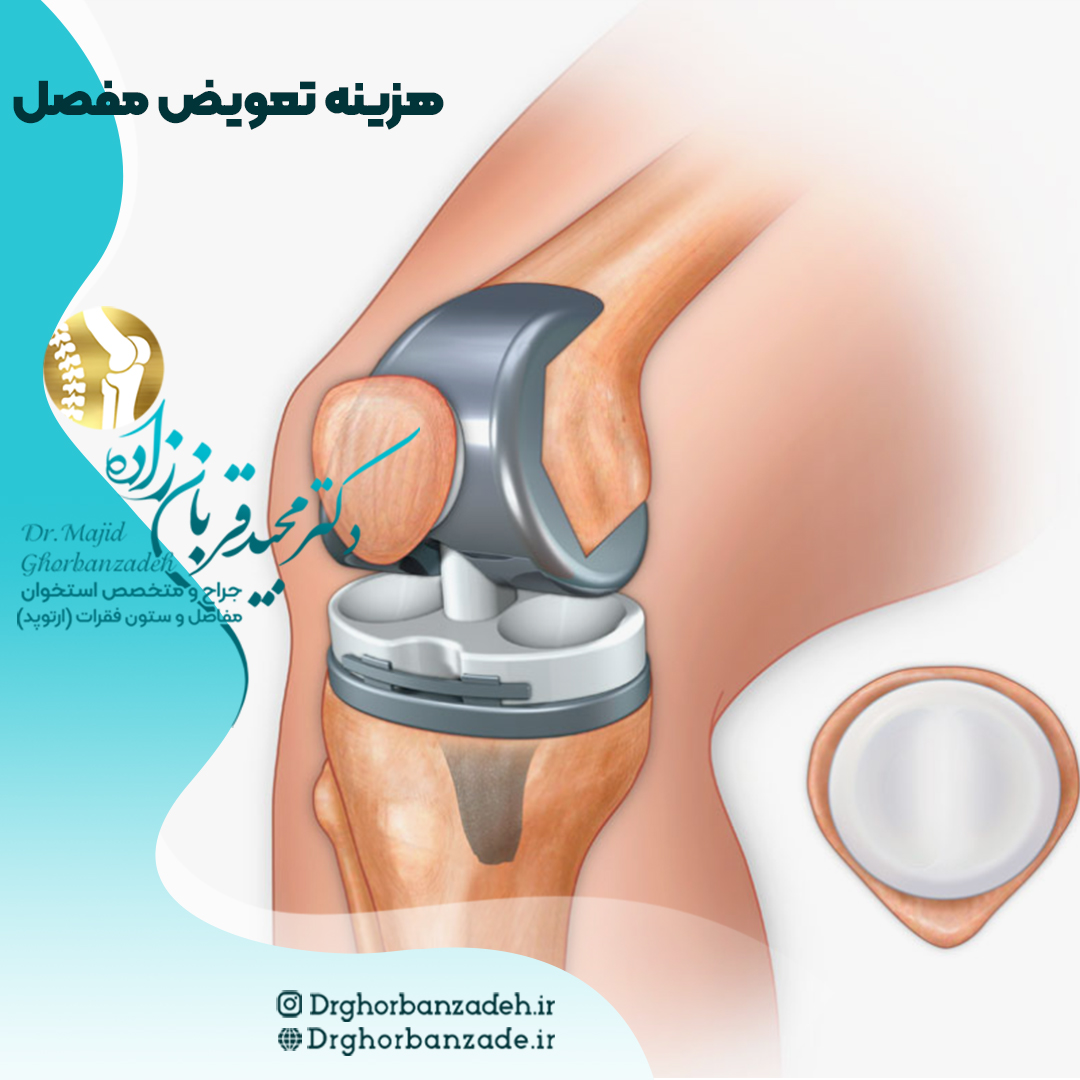
Knee joint replacement is one of the effective methods for treating severe injuries and joint destruction and helps to reduce pain and restore movement.
About 10,000 to 15,000 knee joint replacement surgeries are performed in Iran every year, and more than 70% of these patients are women.
This knee surgery, despite its benefits, may be associated with knee surgery complications, which are important to be aware of and follow care.
One of the most common side effects is blood clots or deep vein thrombosis that can lead to pulmonary embolism.
Using socks and special pumps, blood thinners and movement exercises have a preventive role. Wound infection and allergic reactions to the nickel and chromium metals in the artificial joint may also occur and can be controlled with antibiotics and careful care.
Some patients experience nerve damage, ligament damage, joint stiffness or stiffness, and even dislocation of the artificial joint, which often improves with physical therapy after surgery. اختلالات نادر مانند سندروم کمپارتمان یا شکستگی استخوان زانو در اثر پوکی استخوان نیز امکان وقوع دارند.
با رعایت توصیههای پزشک، انجام تمرینات بازتوانی و پیگیری مراقبتهای پس از جراحی، تعویض مفصل زانو میتواند بهبود عملکرد، کاهش درد و افزایش کیفیت زندگی بیمار را فراهم کند و ریسک عوارض جدی را به حداقل برساند.
از عوارض تعویض مفصل زانو باید به عفونتی اشاره کرد که ممکن است به صورت زودرس یا دیررس اتفاق بیفتد.
عفونت زودرس به شرایطی گفته می شود که این عارضه نهایتاً در عرض ۶ هفته بعد از جراحی رخ می دهد که معمولاً منشا آن باکتری های پوستی هستند که از محل برش وارد مفصل زانو می شود.
برای درمان این نوع عفونت مصرف آنتی بیوتیک های تجویز شده توسط پزشک راهکاری موثر است، مصرف این داروها باید به مدت چند هفته یا چند ماه ادامه پیدا کند.
عفونت دیررس عارضه دیگری است که احتمالاً شش هفته بعد از جراحی پدیدار می شود و ناشی از باکتری های موجود در جریان خون است.
این باکتری ها از طریق خون به مفصل زانو منتقل می شوند و شرایط درمان و پاکسازی آن کمی دشوار است و حتی گاهاً نیاز است که مفصل زانو به طور کامل برداشته شود.
آمبولی ریه
در موارد نادر، لخته خون می تواند به ریه ها برود و باعث تنگی نفس و درد قفسه سینه شود.
در موارد شدید، آمبولی ریه می تواند کشنده باشد. However, pulmonary embolism can usually be treated with blood thinners and oxygen therapy.
Blood clotting
Another important side effect of this therapeutic surgery is thrombosis or blood clotting, which is known as one of the dangerous side effects.
Experts have made every effort to prevent such an event from happening through damage to the blood vessels.
Blood clots often occur in one of the deep veins of the leg, and this complication is called deep vein thrombus.
If the clot is released, its movement in the vessels can threaten the health of sensitive parts such as the lungs.
The movement of the blood clot can block the blood flow and there is a possibility of an embolism in the lung.
This small and hidden complication can endanger the health of patients and may cause death.
To prevent blood clot formation after joint replacement. Knee Moving the leg or walking and wearing a knee brace after surgery is an effective solution.
Such measures cause an increase in blood flow in the damaged area and prevent blood clots from settling in the veins.
Pain and swelling
pain and swelling
Pain and swelling are one of the most common injuries after surgery.
These states are variable for people according to their different physical conditions.
For most people, the pain gradually decreases in the first few months after surgery.
Some people have persistent pain or experience new types of pain. Research shows that 10 to 20 percent of people still have moderate to severe pain in the long term.
This problem is not always caused by a technical defect or an identifiable problem and therefore cannot be solved by an iterative method.
This disease is known as complex regional pain syndrome. Some hospitals have pain clinics that can help in this area.
Swelling pain caused in the surgical site is such that patients will need to take painkillers.
Of course, these painkillers will bring the physical conditions to normal in a short period of time and they will spend the recovery period with less pain.
Bone fractures
It is possible that the bone around the joint that has been replaced breaks after a minor fall.
This usually happens after a few months or years and in people who have weak bones.
This fracture is very rare, but when it does occur, it usually requires another surgery to repair the fracture or replace the joint components.
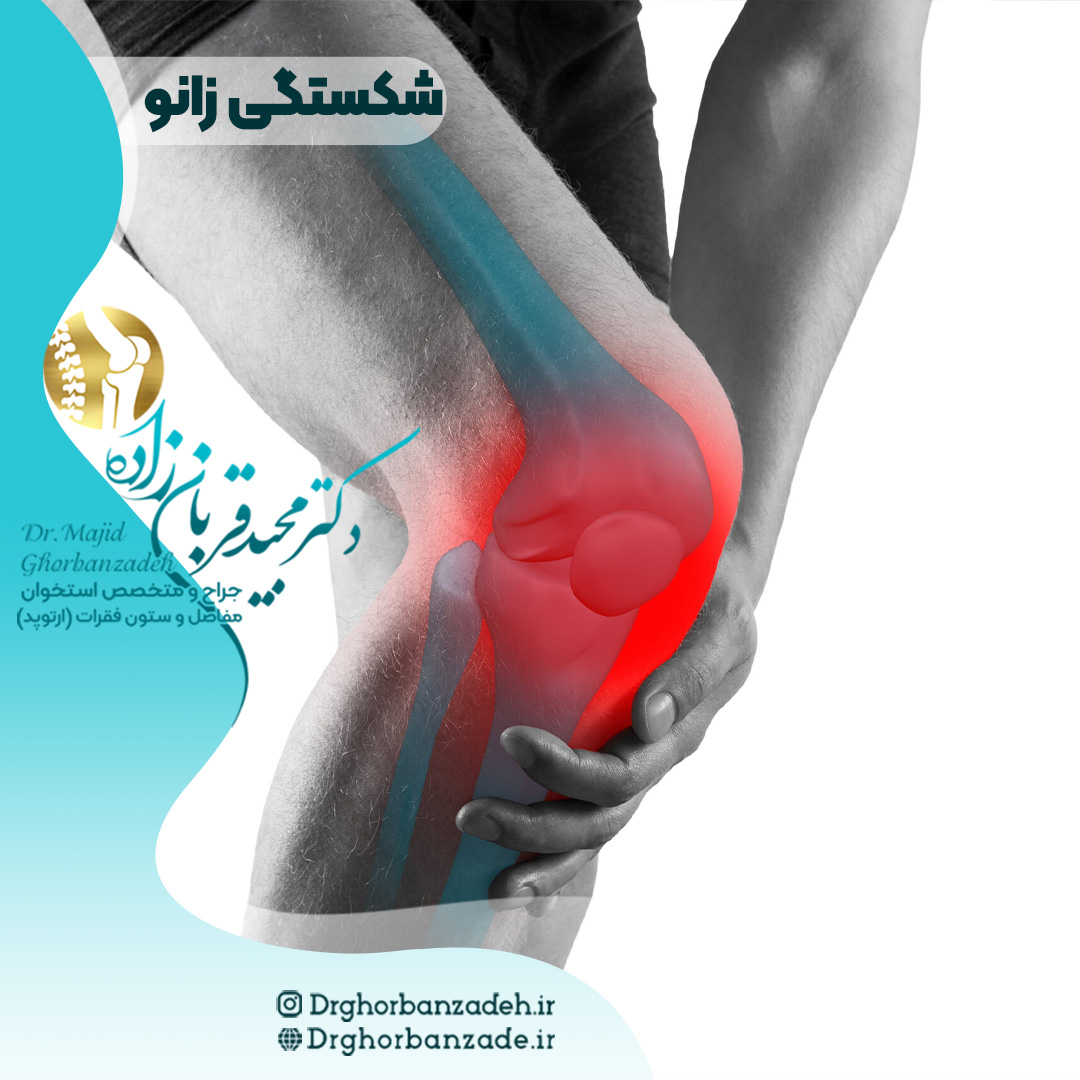
Bone fractures after knee replacement can occur in the femur, patella or tibia (one of the two lower leg bones).
These fractures are more common in older patients and people with low bone density, such as osteoporosis.
Loose components and misalignment or improper placement of implants can cause bone fractures. It is a medical emergency and requires fast and immediate treatment.
A 2015 study in the Journal of Knee Surgery and Related Research found that the supracondylar region of the femur is the most likely fracture site in the body. This is where the femur connects to the knee.
However, the researchers said these fractures occur in less than half to 2.5 percent of patients who have undergone total knee replacement surgery. These fractures often occur within two to four years after surgery.
Fractures of tibia or patella are very rare. The medical website Medscape reported in 2017 that supracondylar fractures are more common in older adults.
Bleeding
Bleeding is another problem that is known to be normal after any type of surgery.
If you have had a knee replacement and bleeding occurs during the surgery, it is not a concern.
The problem is dangerous when the lost blood is so much that the sick person needs a blood transfusion again.
This kind of thing rarely happens for knee joint surgery, but you may see swelling and bruises due to the accumulation of blood under the skin after bleeding during surgery.
Such disorders need more care and finally after the full recovery of these injuries will be resolved.
One of the rare side effects of knee surgery is damage to nerves and arteries.
For various reasons, nerves or blood vessels near the knee joint may be accidentally cut during knee surgery.
If such a disorder occurs, the patients will probably need a second surgery to repair and correct the nerve and blood vessels.
Sensitive nerves are cut, it may cause loss of sensation and movement in the affected area.
This is why it is important for patients to choose the best specialists and surgeons to perform such a sensitive and important surgery so that this surgery can be performed with great precision and sensitivity.
Allergic reactions
Allergic reactions are part of the damage that people may experience after knee joint surgery.
Usually, such sensitivities happen after body reactions to metals such as nickel and chromium.
These metals are the most important structure of joint implants, and if sensitivity and allergic reactions appear in the body, it is necessary to perform a second surgery as a repair.
If you have been allergic to metal jewelry in the past, be sure to inform your doctor about this before the operation.
Having this information, specialists make better decisions to treat patients.
> and dislocation
Knee instability occurs when the soft tissues that support the knee become damaged or malfunction.
This is a common reason for knee replacement surgery, but experts say that identifying the causes of knee instability can go a long way in improving knee instability.
When a movable plastic bearing is used, there is a line and the possibility of dislocation in the knee, and at this time, knee surgery is needed again.
Inconsistency and implant fracture
The components of an artificial knee must be aligned to work properly. If they are not aligned, they can wear down quickly or the implant will fail.
Implant misalignment and fracture include joint instability, pain, and swelling. سایر علائم شامل کاهش دامنه حرکتی زانو و گرمی اطراف مفصل است.
شل شدن یا فرسودگی مفاصل
بخش دیگری از آسیب های مفصلی بعد از تعویض مفصل زانو مربوط به شل شدن یا فرسودگی مفاصل است.
ممکن است بعد از این شیوه درمانی به مرور زمان متوجه شل شدن و عدم ثبات مفاصل شوید.
این مسئله با درد، سفتی و عدم توانایی افراد برای حرکت کردن و راه رفتن همراه است.
همچنین فرسودگی مفاصل باعث می شود تا این عضو مهم از کار افتاده و علاوه بر درد زیاد مفصل عملکرد درستی نخواهد داشت و عملاً راه رفتن برای افراد سخت و دردآور می شود.
صدای کلیک زانو
صدای کلیک زانو
از آنجایی که مفاصل مصنوعی از فلز و پلاستیک ساخته شده اند، شنیدن صدای کلیک، ترکیدن یا کوبیدن زمانی که زانوی خود را به جلو و عقب خم می کنید، غیر معمول نیست.
به طور کلی صداهای بدون درد معمولا مشکلی ایجاد نمی کنند.
برخی از علل بالقوه کلیک زانو عبارتند از:
التهاب در بافت همبند
طراحی ایمپلنت
شکستگی ایمپلنت
حرکت بافت نرم روی ایمپلنت
در صورتی که این صداها با درد یا تورم زانو همراه باشد، باید به جراح خود مراجعه کنید.
سفت شدن مفصل زانو
سفت شدن مفصل زانو یکی دیگر از عوارض مهم این جراحی است.
اگر چنین اتفاقی رخ دهد، راهکارهای مختلفی برای رفع آن وجود دارد که متخصصان می توانند با فیزیوتراپی این عارضه را مدیریت کرده تا در نهایت رفع شود.
به طور کلی سفتی مفصل زانو بعد از انجام این جراحی کاملاً شایع است.
ممکن است افراد با محدودیت های حرکتی و کاهش انعطاف پذیری مفصل مواجه شوند.
چنین مسئله ای باعث می شود تا انجام فعالیت های روزمره برای افراد بسیار سخت شده و احتمالاً خم کردن زانو هنگام پیاده روی، پایین و بالا رفتن از پله و نشستن و برخاستن برای افراد سخت می شود.
مهمترین عواملی که باعث سفتی مفصل زانو بعد از جراحی می شود، احتمالاً مربوط به مشکلات و بیماری هایی است که از قبل وجود دارد.
ابتلا به دیابت، بیماری های ریوی و افسردگی خطر سفتی مفصل زانو را بعد از جراحی افزایش می دهد.
اگر در طی دوره درمان اقدامات موثر برای کنترل درد انجام نشود و فیزیوتراپی بعد از جراحی را به طور مرتب انجام ندهید، ممکن است به مرور زمان متوجه سفتی مفصل زانو شوید.
هر کدام از این عوارض می توانند محدودیت های زیادی را به همراه آورند و نتیجه جراحی را تحت تاثیر قرار دهند.
با این مهم است که به دنبال راهکارهای موثر برای پیشگیری از چنین عوارضی باشید و در این مورد متخصصان راهنمایی های لازم را به بیماران خود ارائه می دهند.
عوارض جانبی بیهوشی
در حین جراحی عمل تعویض مفصل زانو بیهوشی عمومی یا موضعی را برای کمک به شما در حین عمل صورت می گیرد.
عوارض مربوط به بیهوشی نادر می باشد، اما بیمارانی که به داروهای بیهوشی حساسیت دارند یا از دخانیات، الکل یا داروهای مخدر استفاده میکنند، احتمال بیشتری دارد که مشکلاتی را تجربه کنند.
بیهوشی مورد استفاده در حین جراحی معمولا بی خطر است، اما می تواند عوارض جانبی ایجاد کند. برخی از عوارض بیهوشی عبارتند از:
حالت تهوع و سرگیجه
گلودرد
خواب آلودگی
ضعف عضلانی
مشکلات تنفسی
تنفس سخت
درد و ناراحتی
لرزیدن
پیشگیری از عوارض تعویض مفصل زانو
از مهم ترین راه های پیشگیری از عوارض پس از تعویض مفصل زانو می توان به موارد زیر اشاره کرد:
پیشگیری از عفونت
پانسمان را تمیز و خشک نگه دارید.
جهت جلوگیری از عفونت، داروها و آنتی بیوتیک ها را دقیقاً طبق دستور مصرف کنید.
قبل از لمس زخم یا پانسمان، دستان خود را کاملاً بشویید.
قرمزی، ترشح چرک، افزایش درد و تب ممکن است نشانه عفونت باشد.
جلوگیری از لخته شدن خون
مصرف داروهای رقیقکننده خون (در صورت تجویز پزشک).
تحرک زودهنگام: حتی روز بعد از جراحی، بهتر است با کمک فیزیوتراپیست کمی راه بروید.
پوشیدن جوراب واریس (فشاری) برای بهبود گردش خون.
حرکات مچ پا و انگشتان پا در حالت نشسته یا درازکش برای جلوگیری از رکود خون.
مراقبت از زانو و جلوگیری از آسیب مجدد
پرهیز از فشار زیاد روی زانو: از زانو زدن، چمباتمه زدن یا دویدن خودداری کنید.
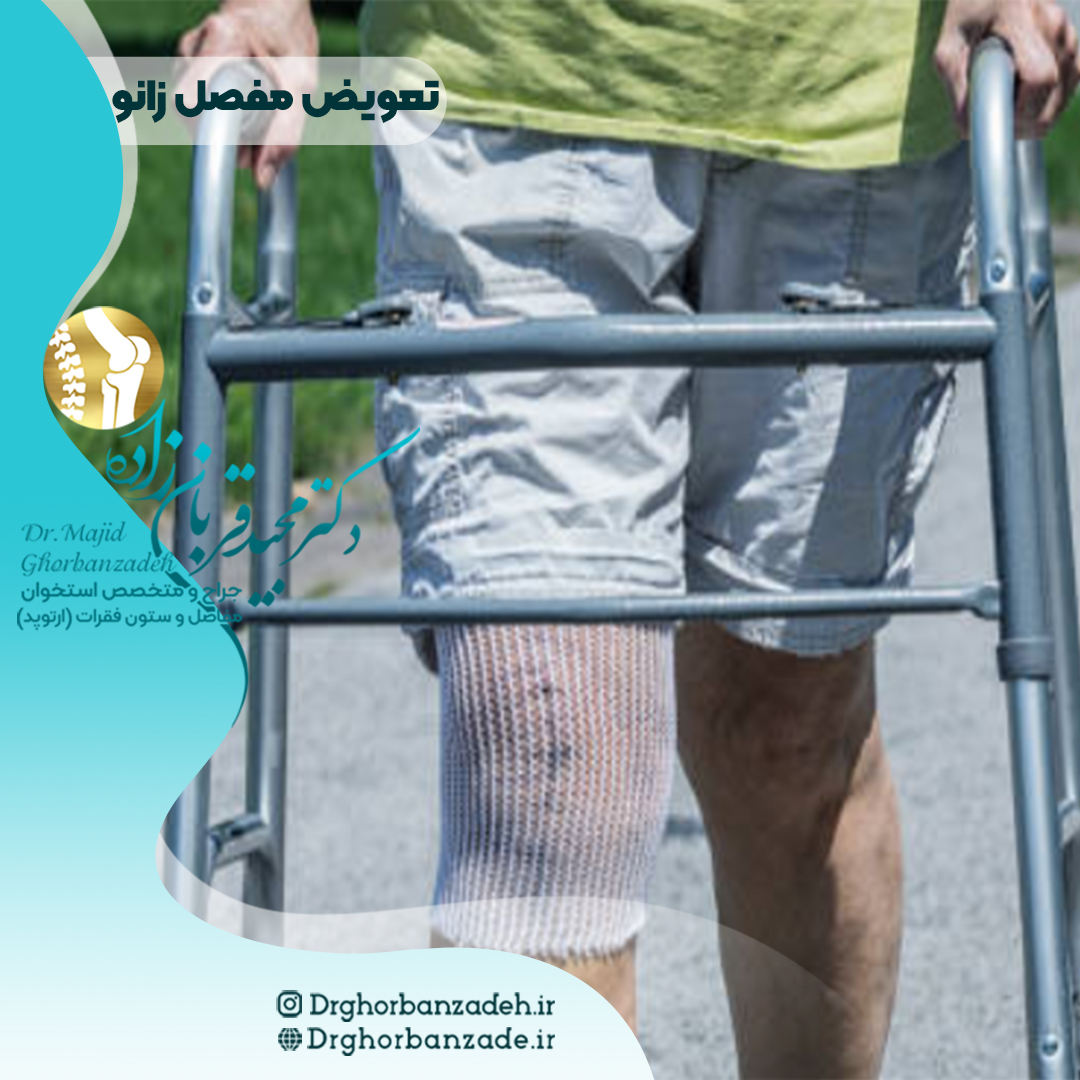
استفاده از عصا یا واکر در مراحل اولیه برای کاهش فشار روی زانو موثر می باشد.
انجام تمرینات فیزیوتراپی برای تقویت عضلات اطراف مفصل کمک می کند.
کفشهای دارای کفی نرم و بدون پاشنه تیز انتخاب کنید.
جلوگیری از سفتی و خشکی مفصل
انتظارات بیمار از جراحی تعویض مفصل زانو
حرکات کششی و ورزشی سبک برای افزایش دامنه حرکتی زانو انجام دهید.
استفاده از دوچرخه ثابت پس از مشورت با پزشک.
سعی کنید هر یک ساعت یکبار بلند شوید و کمی راه بروید و از نشستن طولانی مدت جلوگیری کنید.
کنترل درد و التهاب
استفاده از کمپرس یخ در هفتههای اول برای کاهش ورم و درد.
مصرف مسکنها طبق تجویز پزشک و پرهیز از مصرف خودسرانه دارو.
تمرینات تقویتی عضلات اطراف زانو برای پشتیبانی بهتر از مفصل جدید.
کنترل وزن و تغذیه مناسب
کاهش وزن اضافه: وزن زیاد باعث فشار بیشتر روی مفصل جدید میشود.
مصرف مواد غذایی غنی از پروتئین و کلسیم برای ترمیم سریعتر بافتها.
نوشیدن آب کافی برای بهبود جریان خون و کاهش التهاب.
مراجعه منظم به پزشک
پیگیری ویزیتهای دورهای برای بررسی عملکرد مفصل.
اگر زانو تورم، درد شدید یا محدودیت حرکتی غیرعادی پیدا کرد، سریعاً به پزشک اطلاع دهید.
سوالات متداول
در این بخش به سوالاتی که ممکنی است برای شما پیش بی آید پاسخ دادیم:
آیا جراحی تعویض مفصل زانو خطرناک است؟
خطر عوارض جدی کمتر از ۳٪ است، در حالی که موفقیت عمل در بیش از ۸۵٪ بیماران مشاهده میشود.
جراحی تعویض مفصل زانو جراحی خطرناکی نمی باشد، گاهی اوقات عوارضی را در پی دارد که درصد این عوارض کم می باشد.
برای از بین بردن این درصد پایین توصیه می شود، دوران نقاهت پس از جراحی را بسیار جدی بگیرید.
برای چند ماه پس از جراحی، باید داروهای خود را به طور منظم مصرف کنید، در جلسات فیزیوتراپی شرکت کنید و برای بررسی وضعیت زانوی جدید خود به پزشک مراجعه کنید.
نقش جراح ارتوپد و تجربه او در عمل تعویض مفصل زانو بسیار مهم می باشد.
آیا جراحی تعویض مفصل زانو باعث ناتوانی موقت میشود؟
بله، در مدت ابتدایی پس از جراحی، افراد ممکن است با ناتوانی موقت مواجه شوند. This disability improves with time.
Are the side effects of knee replacement surgery permanent?
Some complications may remain permanent, but most of them will decrease over time and be controlled with basic care after surgery.
Is joint bleeding a common complication after surgery?
Yes, bleeding from the joint after surgery is normal and this bleeding usually stops by itself and no additional treatment is needed.
If necessary, it is better to give your knees and body enough rest. Reduce pain and inflammation by using pillows and ice compresses.
Safety devices such as crutches or support devices can be used to evenly distribute body weight and not put extra pressure on the knee.
After surgery, physical therapy should be a part of people's treatment plan.
Because in physical therapy exercises, muscles are strengthened, range of motion and balance increase, and inflammation decreases.
Surgeon and bone, joint and spine specialist (orthopedic)
Knee and hip surgery, arthroscopy, arthroplasty
Member of the American Orthopedic Society
Has a specialized board and a member of the Orthopedic Surgeons Association