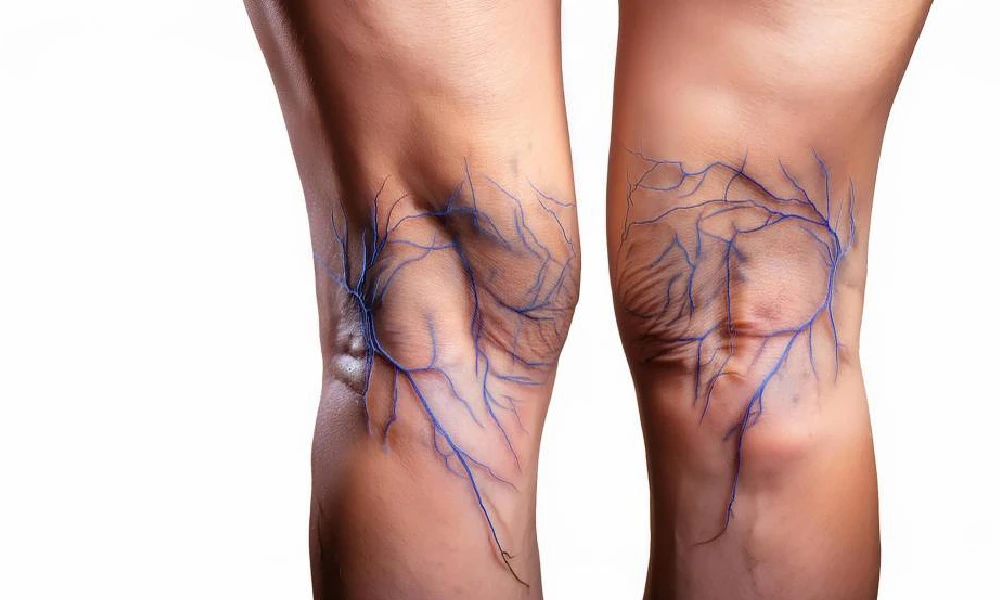
The importance of diagnosing the cause of leg numbness
Numbness in the legs can be a sign of a disorder and problem in the body's health. From simple problems to serious and dangerous diseases. Since the choice of treatment method is made according to the cause, accurate diagnosis of the cause of numbness in the legs is of great importance. For example, if this numbness is caused by the problem of diabetes, blood sugar control is considered an important factor in its treatment.
In case of any numbness in the legs, it is recommended to consult a specialist without wasting time, do the necessary tests and also heart consultation Identify the exact cause of numbness in your feet and get the appropriate treatment start.
Techniques for diagnosing the cause of leg numbness
The causes of numbness in the legs can be summed up in a wide range of problems related to the health of the body. Specialist doctors usually use different diagnostic techniques to identify these causes. These techniques start from the examination of disease records and continue to perform a wide range of diagnostic tests.

Ways to diagnose the cause of leg numbness
Detailed review of medical history
Physical examination
Checking the muscle strength of the legs as well as tendon and skin reflexes, evaluating blood circulation and pulse in the legs and controlling the sense of touch, temperature and pain in the legs are some of the things that are done in the physical examination to find the cause of numbness in the legs.
diagnostic tests
- Blood test: Blood test is done to check the level of blood sugar, blood fat, vitamins and other minerals, the presence of infection in the blood, as well as checking the presence of thyroid diseases that can affect the nerves and muscles, which are all part of the causes of numbness in the legs.
- Electromyography: This test measures the electrical activity of muscles to help diagnose muscle or nerve damage.
- Nerve strip: This test measures the electrical activity of nerves and muscles. Using electrodes placed on the skin, small electrical pulses are sent to the nerves and muscle response is measured. This test helps to diagnose nerve damage, muscle diseases and neuromuscular disorders.
Imaging
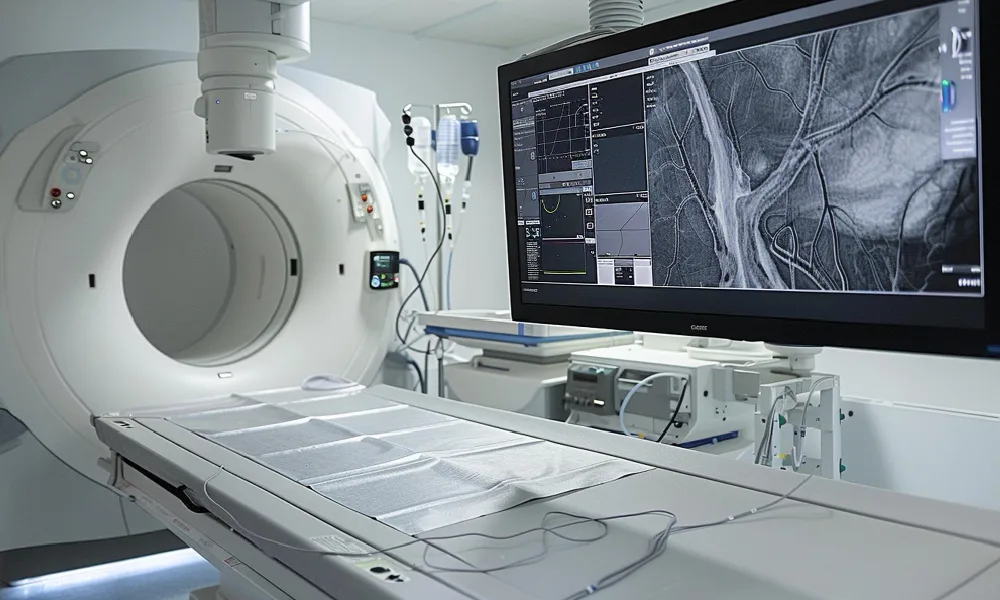
- MRI: It is used to examine the internal structures of the spine, brain and spinal cord and can help identify herniated discs, tumors, inflammation and other structural problems in the spine and brain.
- CT scan: Used to examine bones and soft tissues and help diagnose fractures, tumors, and other bone problems.
- Angiography: Used to examine blood vessels. This test helps to detect the blockage or narrowing of the vessels, which can reduce the blood flow and thus cause numbness in the legs.
Nerve biopsy
In some cases, the doctor may take a small sample of the nerve to examine under a microscope for a more accurate diagnosis. This method helps doctors to diagnose the exact cause of neurological diseases, including the cause of numbness in the legs, and if there are autoimmune diseases, it also diagnoses them.
Know the 10 main causes of leg numbness!
1-Vitamin deficiency and numbness of hands and feet
Vitamin deficiency, especially B vitamins, can be one of the main causes of numbness and tingling in the legs. These vitamins play an important role in the proper functioning of the nervous system, and their deficiency can cause nerve damage and eventually cause numbness in the legs.
Which vitamins cause numbness in the feet?
Vitamin B12 deficiency due to its importance in the production of red blood cells, vitamin B6 due to its role in the proper functioning of the nervous system, and vitamin B1 whose deficiency leads to beriberi disease can be one of the causes of numbness in the feet. In addition to numbness in the legs, vitamin deficiency can be associated with muscle weakness, fatigue, balance problems, depression, and digestive disorders. Improper diet, absorption problems, taking certain medications, and pregnancy and breastfeeding can be the reasons for lack of vitamins.
2-tarsal tunnel syndrome due to numbness of the legs
Tarsal tunnel syndrome is a painful condition caused by compression of the posterior tibial nerve behind the ankle. This nerve starts from the back of the knee and continues to the sole of the foot. When this nerve is pressed, symptoms such as pain, tingling, and numbness occur in the leg.
The causes of tarsal tunnel syndrome
This syndrome can be caused by various reasons, including: ankle arthritis, trauma and blows to the feet, tumors, pregnancy, and flat soles, all of which put pressure on the dorsal nerve of the foot and cause numbness in the feet. Muscle weakness and pain in the legs when standing or walking for a long time are other symptoms of this disease. Drug therapy, physiotherapy, splinting and in some cases surgery are ways to treat this disease.

3-Circulation problems are other causes of hand and foot numbness
One of the most common causes of leg numbness is a disturbance in the blood circulation system. This disorder causes insufficient blood to reach the legs and the nerve and muscle cells of the legs do not receive the necessary oxygen and nutrients, which leads to leg numbness and pain.
The main causes of blood circulation problems in the legs
Narrowing or blockage of veins, blood clots, peripheral arterial disease, diabetes and varicose veins are the main causes of blood circulation problems in the legs. Factors such as aging, smoking, blood pressure and diabetes, inactivity and obesity and high cholesterol also aggravate these factors. These reasons, in addition to numbness in the legs, cause severe pain, discoloration of the skin of the legs, chronic wounds, swelling in the legs, fatigue and weakness in the legs, and a feeling of coldness in the legs.
Treatment of blood circulation problems in legs
The treatment of problems related to blood circulation in the legs depends on its underlying cause, which can be mentioned as an example of these treatments by making changes in lifestyle, drug therapy and sometimes surgery.
Given that problems related to blood circulation are one of the common causes of leg numbness, if you are also involved in leg numbness, you can find out the cause of your leg numbness and adopt the best treatment method by visiting a cardiologist and performing a heart consultationheart consultation
One of the other important causes of leg numbness is nerve compression. When the nerve is pressed in its movement path and its normal function is disrupted, the person has nerve compression. In addition to the numbness of the legs, this compression also causes pain, tingling, reduced reflexes, impaired sense of touch, and muscle weakness. Various reasons cause this compression. Causes such as repetitive movements, injuries and fractures, joint inflammation, tumors, disc herniation, pregnancy and diabetes cause pressure on the nerve in its path. Rest, drug therapy, physiotherapy and in some cases surgery are among the treatments of this disease. Peripheral neuropathy is a set of disorders in which the peripheral nerves of the body are damaged. These nerves carry messages between the brain and spinal cord and the rest of the body. When these nerves are damaged, they can cause a wide range of symptoms, including numbness in the legs. Peripheral neuropathy is caused by a variety of reasons. Among these reasons, we can mention diabetes, alcohol consumption, autoimmune diseases and infections, hereditary diseases, metabolic disorders and some toxins such as lead and arsenic. Creation of sleep disturbance or in other words insufficient or poor quality sleep can also be among the cases related to the cause of leg numbness. Disrupted sleep causes disturbances in the repair of body tissues during sleep, weak immune system, hormonal changes, accumulation of toxic substances in the brain, and accumulation of waste materials, all of which can lead to numbness in the feet. Some drugs, such as chemotherapy drugs, anticonvulsant drugs, antifungal drugs, antidepressants, and blood pressure lowering drugs, as well as drugs used to treat chronic diseases, can cause side effects such as numbness. These drugs directly affect the nerves. Autoimmune diseases are also one of several causes of leg numbness. In these diseases, the body's immune system mistakenly attacks healthy cells and damages them. This attack can also spread to the nerves and cause symptoms such as numbness, tingling, and weakness in the limbs. In addition to numbness in the legs, these diseases can cause chronic fatigue, muscle weakness, joint pain, fever, weight loss, skin problems, and breathing problems. Creating any type of infection that attacks the surrounding nervous system and causes inflammation and compression of the nerves, can be included in the category of cases related to the cause of numbness in the legs. Viral, bacterial, fungal and parasitic infections are among the infections that can be a part of the cause of numbness in the feet. When a disc rupture or a narrowing of the canal occurs in the spine, the pressure on the sciatic nerve and pressure on the spinal cord and nerve fibers causes numbness in the legs. Pain, muscle weakness, walking disorder, instability and sometimes bowel and bladder problems are other symptoms of these diseases. Physiotherapy, painkillers and anti-inflammatory drugs, and finally surgery are among the methods of treating these two diseases. Due to the diversity in the causes of leg numbness, there are also different treatments for it. The choice of the type of treatment depends on factors such as the underlying cause of anesthesia, severity of symptoms, other underlying diseases and how to respond to treatment. Treatments including:4-Nerve compression is the most important cause of hand and foot numbness
Reasons of nerve compression
5-peripheral neuropathy

Causes of peripheral neuropathy
6- Sleep disorders
7- Side effects of some drugs
8- Autoimmune diseases
9-Infections
10- Disc herniation and spinal canal stenosis
Methods for treating numbness in the legs
Pharmaceutical treatments

Physical therapies
Other remedies