
Vulnerability Schema Therapy: How to Overcome Fear of Disease, Poverty, and Disaster?

Mohammad Pirizi
TehranCounselor and psychologist
Vulnerability Schema Therapy: How to Overcome Fear of Disease, Poverty, and Disaster?
Vulnerability Schema Therapy: How to Overcome Fear of Disease, Poverty, and Disaster?Vulnerability Schema: When we're always waiting for something bad to happen!
Worry and stress in the face of unforeseen situations is normal and even useful; Because it can prepare us to face the dangers. But when this feeling of insecurity flows continuously and pervasively in all aspects of a person's life, it indicates the existence of a deeper problem. People who are always afraid of getting sick, going bankrupt or losing their loved ones may be trapped in a vulnerability schema. This schema creates an all-encompassing fear of disasters in a person and deprives him of having a peaceful and safe life.
In this article, we will examine the roots, types and effective methods to overcome the vulnerability schema.

What is vulnerability schema?
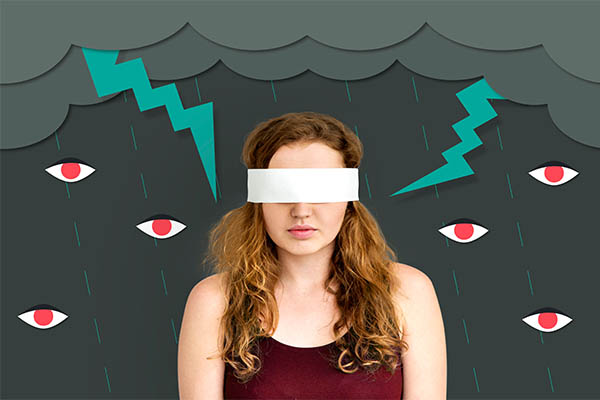
Some people's minds are programmed in such a way that they always find themselves in the crosshairs of unfortunate events; As if a disaster could happen at any moment; From a serious illness to financial crises or natural disasters. This view, which is rooted in childhood insecurity, makes a person unable to live peacefully in the present.
Those who struggle with the vulnerability schema unconsciously believe that the ground beneath their feet is loose and that everything could collapse at any moment. The main reason for the formation of this schema is usually the lack of feeling of support or adequate care at a young age.
Fortunately, this mindset can be changed. Methods such as correcting irrational beliefs, practicing realism and gradually facing fears can help a person to experience a calmer life and a more relaxed mind.
Vulnerability schema types
Feelings of mental insecurity and worries, depending on the circumstances, appear in several different formats:
1. Fear of disease and health problems (vulnerability against disease)
Some people are obsessively worried about their health and constantly imagine that they are sick or will soon suffer from a serious physical problem. Such people avoid any stressful factor and may even limit emotional or physical contact with their life partner to prevent any possible damage. This constant anxiety about their health greatly affects their quality of life.
2. Fear of external threats and disasters (vulnerability to risk)
These people are always on alert; It is as if the world is full of dangers that may target them or their loved ones at any moment. They consider the world to be an unsafe place, and for this reason, they experience chronic anxiety from unexpected events such as car accidents, natural disasters, or terrorist attacks. These fears may make them stop fun or travel and avoid new situations.
3. Extreme worry about the financial future (vulnerability to poverty)
Another group, despite having sufficient financial resources, is always afraid of lack of money and bankruptcy. This fear, rooted in past experiences or inner beliefs, prevents them from enjoying their possessions. They constantly imagine that they are on the verge of financial collapse, and as a result, become extremely strict with their spending. Children who have experienced poverty or financial crisis in the family are more prone to this type of fear in adulthood.
4. Fear of mental breakdown (loss of control)
Another group of people are worried about losing their mental health. They think they might lose control, go crazy, or have a nervous breakdown. These people usually draw the worst possible scenarios in their minds and look at the future with a pessimistic and catastrophic view. In their eyes, life is full of threats and they see themselves as powerless to deal with it.

Are you trapped in a vulnerability schema?
Have you ever been worried about things that haven't happened yet for no apparent reason? For example, are you worried about the health of those around you, your safety, or even economic instability? If such thoughts are familiar to you, your mind may be involved in a vulnerability schema. Think about these questions:
- Do you often worry that a sudden disaster will happen to you?
- Do you consider your surroundings risky and unpredictable?
- Does the negative news constantly repeat in your mind and disturb your peace?
- Does your mind imagine the worst possible situation with each new challenge?
- Are you anxious about your financial situation, even in times of stability?
- Has your health become a constant and obsessive concern?
If your answer to most of these questions is ``no,'' you probably don't have a worrisome conflict with this schema.
Important note: If you have recently experienced a crisis such as an accident, serious illness, violence or natural disaster, it is natural to feel more anxious and your responses may be influenced by these circumstances.
Vulnerability schema is usually diagnosed when the surrounding environment is not logically threatening, but the person overreacts to possible dangers. If you feel that you are experiencing such a state, the first step is to identify its traces in your daily behaviors and decisions. Until you recognize this hidden attitude, it will not be possible to change it. Awareness is the beginning of liberation.
The roots of vulnerability schema formation
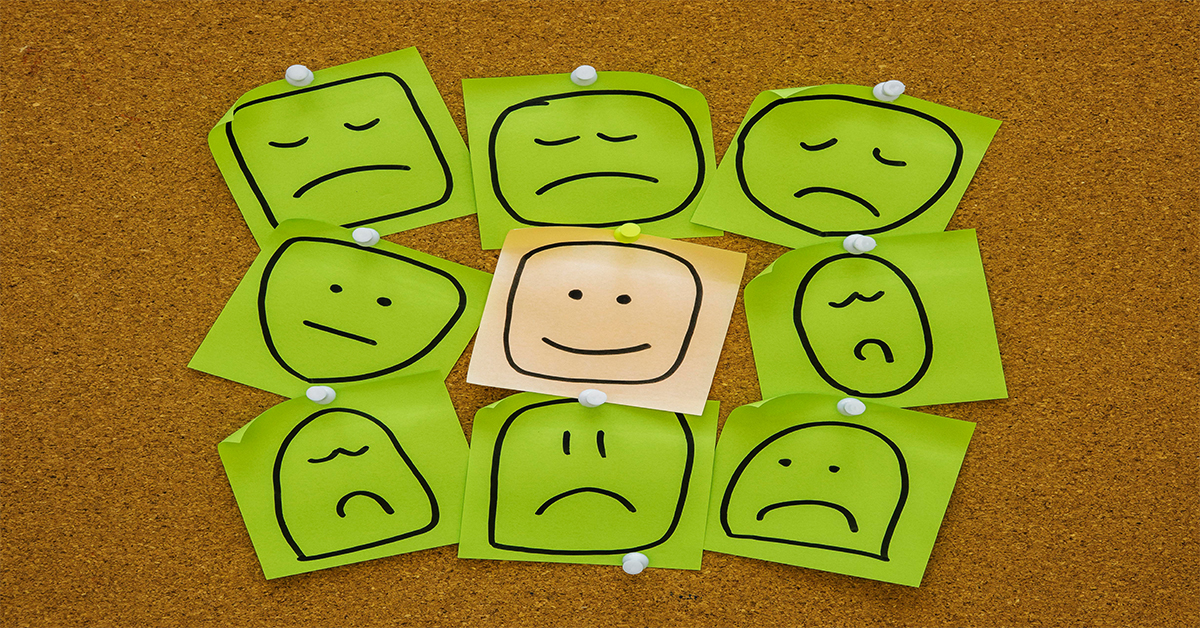
Every unhealthy thought pattern has its roots in the past, and the vulnerability schema is no exception. This chronic feeling that "everything could get out of hand at any moment" usually stems from childhood experiences:
-
Modeling concerned parents
If you had parents who were always worried about illness, bankruptcy, or other disasters as a child, there is a good chance that this anxious view of the world was instilled in you as well.
-
Parental extreme protection
Sometimes families take too much care of their children and by repeatedly warning against the slightest risk or illness, they send the message to the child that the world is dangerous and he cannot survive alone.
-
Unsafe environment or neglect in childhood
Growing up in an environment where the child did not receive enough emotional, physical or financial support can become the foundation of deep fears and feelings of helplessness in adulthood.
-
Direct experience of trauma or crisis
A child who has experienced a feeling of weakness and threat due to a serious illness or a bitter incident, may always be on the lookout for danger in the future.
-
Shocking experiences
The death or serious injury of a loved one, especially during childhood, can lead to the belief that the world is an inherently dangerous and untrustworthy place.
These factors lead one's mind to a dark and cautious look; A view in which there is always the possibility of a disaster lurking. But the good news is that with awareness and specialized treatment, the schema of vulnerability can be overcome.

The effect of vulnerability schema on emotional relationships
People whose mind is occupied with hidden and permanent fears, usually look for a person who acts as a protective shield in emotional relationships. When choosing a life partner, these people are unconsciously attracted to those who have a strong, supportive and caring personality.
A person with this schema often sees himself as weaker than reality and needs a safe support; Someone who will not only protect him from real and imagined threats, but also give him constant encouragement. He wishes his life partner to be a fearless, strong and resilient person who can keep him away from any danger.
In such a relationship, a person is looking for a safe space to express their concerns without fear of judgment. He needs to be heard, to be cared for, and to be able to take refuge in the safe arms of his partner from time to time, like a child, in order to cope with his anxiety.

Vulnerability Schema Therapy: Practical Steps to Liberation
Based on psychological approaches, people involved in the vulnerability schema can gradually get rid of this constant worry by practicing basic strategies. In the following, some practical techniques for managing this schema are introduced:
-
Make a list of your fears
Writing your fears down on paper gives order to your mind. This will help you to remove the concerns from the vague and general state and face each of them concretely.
-
Strengthen your mind with positive imagery
In moments when fear comes to you, close your eyes and create a safe and encouraging image in your mind; For example, the moment you solved a problem with confidence. This exercise helps to change the direction of the mind from anxiety to confidence.
-
Weigh the possibility of your fears happening logically
Ask yourself: "How likely is it that this disaster will actually happen?" What is the real evidence for that?” Many fearful thoughts lose their power when subjected to logical analysis.
-
Be kind to your inner child
Acknowledge that damaged and scared part of you and encourage it with supportive words. Saying things like "I'm here to take care of you, you're safe" can loosen the foundations of fear.
-
Substitute safe living for abstinence
Instead of avoiding situations altogether (like not driving), learn safety strategies (like taking a defensive driving class). Consciously preventing risks increases your sense of power and control.
-
Reward your efforts
Praise yourself every time you overcome a fear or take a small step towards it. This reward can be a small gift or even an hour of pleasant relaxation.
-
Get help from an expert
Sometimes the presence of an expert therapist can make the process of change much faster and more effective. A schema therapist will help you reframe your view of the world, yourself, and the future.
Last words
In order to get out of the vulnerability schema, what is most important is to receive specialized and continuous support from a professional psychotherapist. Over time, the treatment process helps a person to recover his inner capabilities by practicing practical and cognitive methods and to feel more in control and calm when facing different situations.
Pirizh Psychology Clinic is especially active in the field of vulnerability schema therapy by using therapists who are experts in the field of schema therapy. If you feel that hidden fears and anxieties have limited your life, our counselors at Peorish Psychology Clinic are ready to be a reliable companion on the way to rebuilding your mind and creating a sense of real security for you.
Make an appointment:
To receive individual advice from the specialists and consultants of Pirouzih Clinic, just call the following numbers:Yeproozi contact number:
 02177431649
Qaitariya contact number: 02126456903
02177431649
Qaitariya contact number: 02126456903
Working hours
days of the week 8:00 – 17:00 Thursday with coordination Friday Holidayhref="tel:+982177431649">021-77431649
Latest content
Behzadi2025-10-16T21:31:24+00:00 October 16th, 2025|no View
Why do some people avoid intimacy? Getting to know the avoidant attachment style is one of the behavior patterns that is rooted in the early life, the avoidant attachment style. The way people to establish [...]
The effect of forgiving betrayal on mental health and emotional relationships
amini2025-08-25T16:04:14+00:00 August 21st, 2025|No view
Can betrayal be forgiven? A psychological look at forgiveness of betrayal. Facing betrayal in an emotional relationship can be one of the heaviest and most complex experiences in life. When trust [...]
Daily visit: 3Register an appointment
You can set up a consultation session through this button...
make appointment amini2025-07-19T00:52:26+00:00Clinic Address
Tehran Province, Tehran, Piroozi St, MFVR+298, IranBranch 1:
Pirooz Branch
No. 1278, No. 1278, 3rd floor - Unit 7, at the beginning of Abuzar Blvd., Pirizi St., Tehran
Contact us
Saturday to Wednesday: 9 am to 9 pm
Yeproozi contact number:
02177431649
Qaitariya contact number: 02126456903
Andrezgo Blvd., between Kaveh Blvd. and Qaitarieh Blvd., in front of the Proud Mosque, No. 134, 2nd floor, unit 3

Pirouzi Clinic is always by your side to achieve your growth and mental health...
About Us
Piirozi Clinic is a center dedicated to personal growth and personal development and skilled psychologists here They play a very important role. This field is dedicated to training people to achieve goals and win in life. Using modern psychological techniques and their experiences, our psychologists provide solutions for the mental and social problems of the clients.





