Treatment of depression with neurofeedback Regulation of brain waves without drugs

Dr. Melika Akbari Mehr
تهرانNeurologist and neurologist
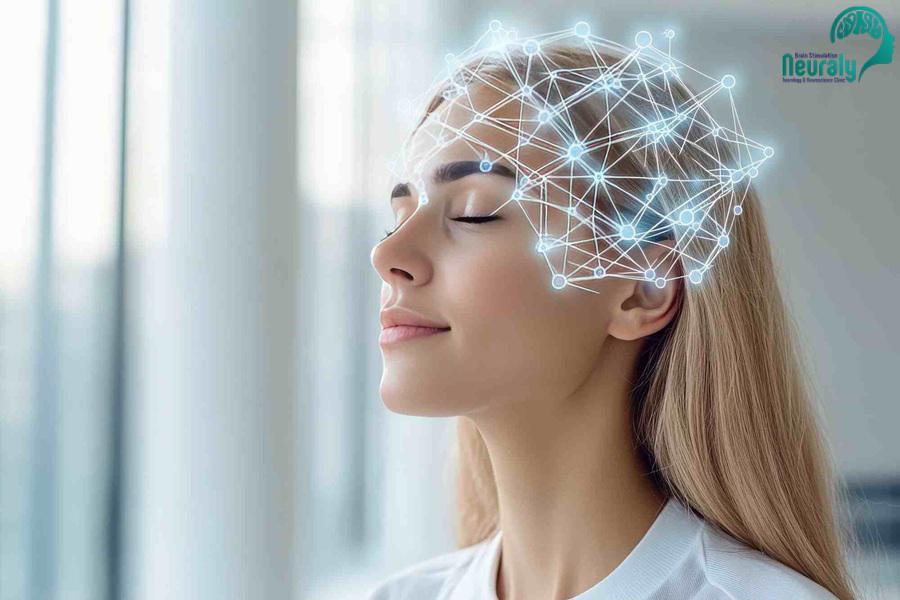
Depression casts a shadow like a dark cloud on all aspects of life and drains a person's mental energy. Many people postpone their treatment due to the fear of side effects of drugs, but modern science has new solutions. Treatment of depression with neurofeedback is an advanced and non-invasive technique that directly affects the function of brain cells. This method corrects the wrong patterns of brain waves without the need for chemicals to enter the body. Treatment of depression with neurofeedback teaches the brain to return to a state of balance and happiness, and the patient takes control of his life.
How to treat depression with neurofeedback
To better understand this treatment method, we must know that the human brain is always producing electrical signals. This section examines in detail the scientific but simplified mechanisms that occur in the nervous system during therapy sessions. In the following, we will examine the three main components that make this treatment method successful so that you know what is happening in the brain.
Setting the asymmetry of alpha waves (Alpha Asymmetry)
Research has shown that in depressed people, the activity of brain waves in the left and right frontal lobe is different. Usually, the activity in the left side, which is the center for processing positive emotions, decreases. In the treatment process, an attempt is made to correct this asymmetry. When the balance between the two hemispheres is established, a person will experience a feeling of lightness and more motivation, and sadness will decrease for no reason.
Operant Conditioning
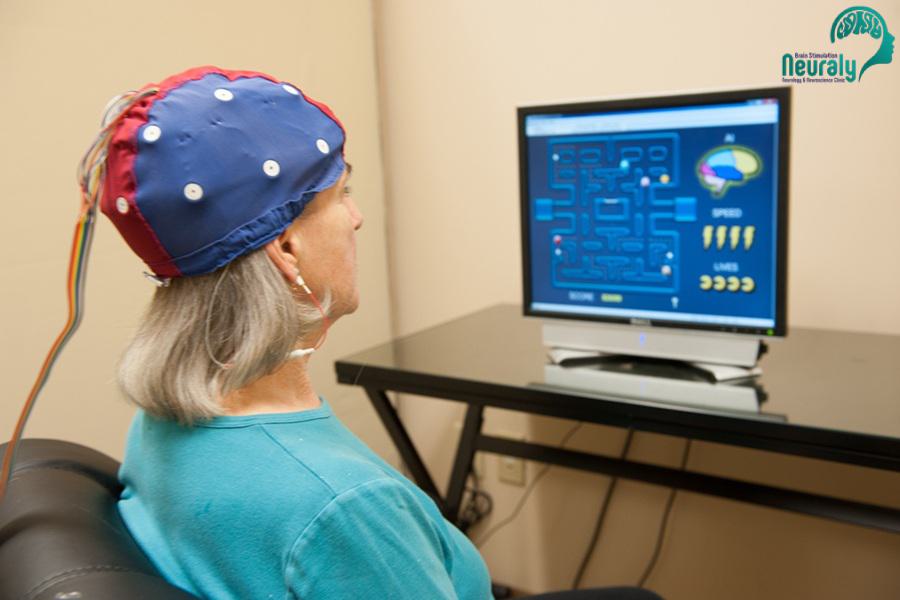
The human brain is very intelligent and learns how to change its behavior based on the reward system. During therapy sessions, whenever the brain wave pattern returns to a normal and healthy state, the person receives a reward in the form of a clear picture or a pleasant sound on the monitor. This process causes the brain to unconsciously learn that in order to receive rewards, it must keep its wave patterns in an optimal state.
Improving brain plasticity (Neuroplasticity)
One of the wonders of the nervous system is its ability to change and adapt over time, which is called neural plasticity. Treatment of depression with neurofeedback is based on this ability. By repeating the exercises in several sessions, new neural pathways are formed in the brain. These new paths make the brain still have the ability to maintain calmness and positive mood even after the end of the treatment period and the results remain stable.
Advantages of choosing to treat depression with neurofeedback over drugs
Many patients are tired of long-term use of antidepressants or are worried about becoming dependent on them. New technological methods have made it possible to improve mood without directly changing blood chemistry. In the following, we discuss the three key advantages of this method compared to traditional drug treatments, which has made it a popular option.
Absence of physical side effects
The biggest challenge with antidepressants is their long list of side effects, such as weight gain, extreme sleepiness, or digestive problems. On the other hand, this method of treatment is completely physical and without the introduction of foreign substances into the body. Clients do not feel tired after the sessions and can continue their daily activities. This feature allows people with sensitive bodies to go through this process more safely.

Permanence of results
Drugs usually control the symptoms of the disease, and by stopping their use, the possibility of symptoms returning is very high. But since treating depression with neurofeedback is a learning process for the brain, its effects are deep and lasting. The brain learns how to regulate itself, and this skill, like learning to ride a bicycle, remains in cellular memory and is not simply forgotten.
Simultaneous improvement of other cognitive functions
Depression is usually associated with problems such as decreased concentration, poor memory and sleep disorders. Interestingly, when brain waves are adjusted, it's not just mood that improves. Clients often report that their sleep quality has improved and they have found a greater ability to concentrate at work or school. In fact, this method creates a general improvement in the brain's information processing system.
Executive steps of meetings in the clinic for clients
The beginning of any treatment path requires knowledge of the steps to be taken to reduce the patient's stress. In specialized clinics, the neurofeedback process is carried out carefully and according to standard scientific protocols. Knowing these steps will help you improve your mental health with a more open vision.
These steps include the following:
- Carrying out a brain map (QEEG): First, using a special hat, the electrical activity of all parts of the brain is recorded and analyzed in order to identify problem areas
- Treatment protocol design (Treatment Protocol): Based on the brain map, the specialist formulates a specific program that determines which waves should be strengthened or suppressed
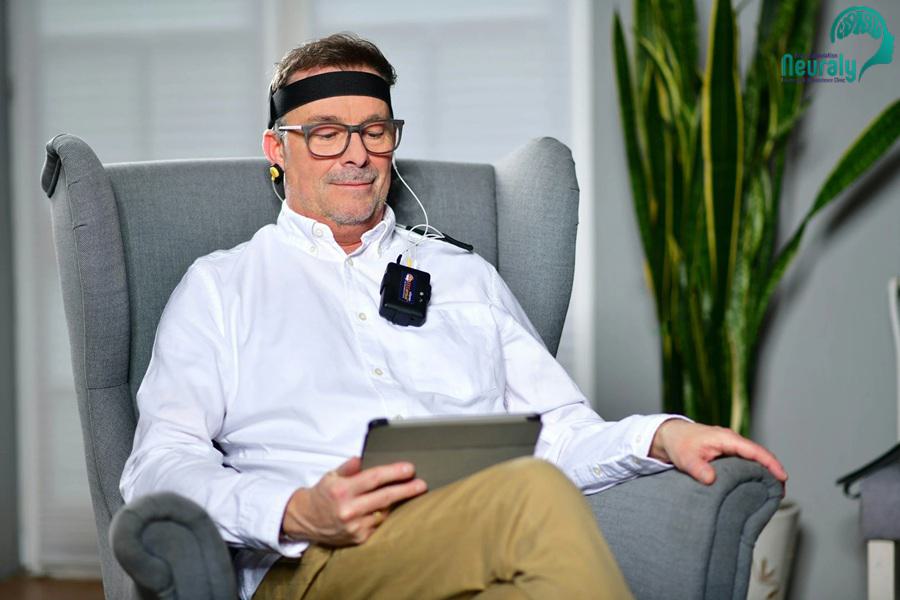
- Connection of sensors (Sensor Placement): In each session, small sensors are placed on the scalp at certain points to transmit brain waves to the computer
- Playing a game or movie (Feedback Training): The subject trains the brain to correct patterns by watching a movie or playing a computer game that is controlled by his brain waves
- Periodic evaluations (Progress Evaluation): After a number of sessions, the condition of the waves is checked again to measure the progress and improvement of the symptoms
The return of peace with the intelligent technologies of Nourali Clinic
Getting out of the trap of sadness requires a smart choice and a method that targets the root of the problems in the brain. Treating depression with neurofeedback reduces the symptoms of depression and teaches the brain how to make living happily a regular habit. At Nourali neurology clinic, we are by your side, using the most advanced equipment and a team of experts, so that you can safely travel the path of transition from depression to happiness and taste the sweet taste of life again.
FAQ
Is treating depression with neurofeedback painful?
No, this method is completely non-invasive and painless and no electric shock is delivered to the brain and only waves are recorded.
How many sessions are needed to treat depression with neurofeedback?
The number of sessions varies depending on the severity of the disease and the individual's brain map.
Is it possible to use medicine at the same time as treating depression with neurofeedback?
Yes, this method does not interfere with medications and can even reduce the dosage of medications over time and with the doctor's opinion.





