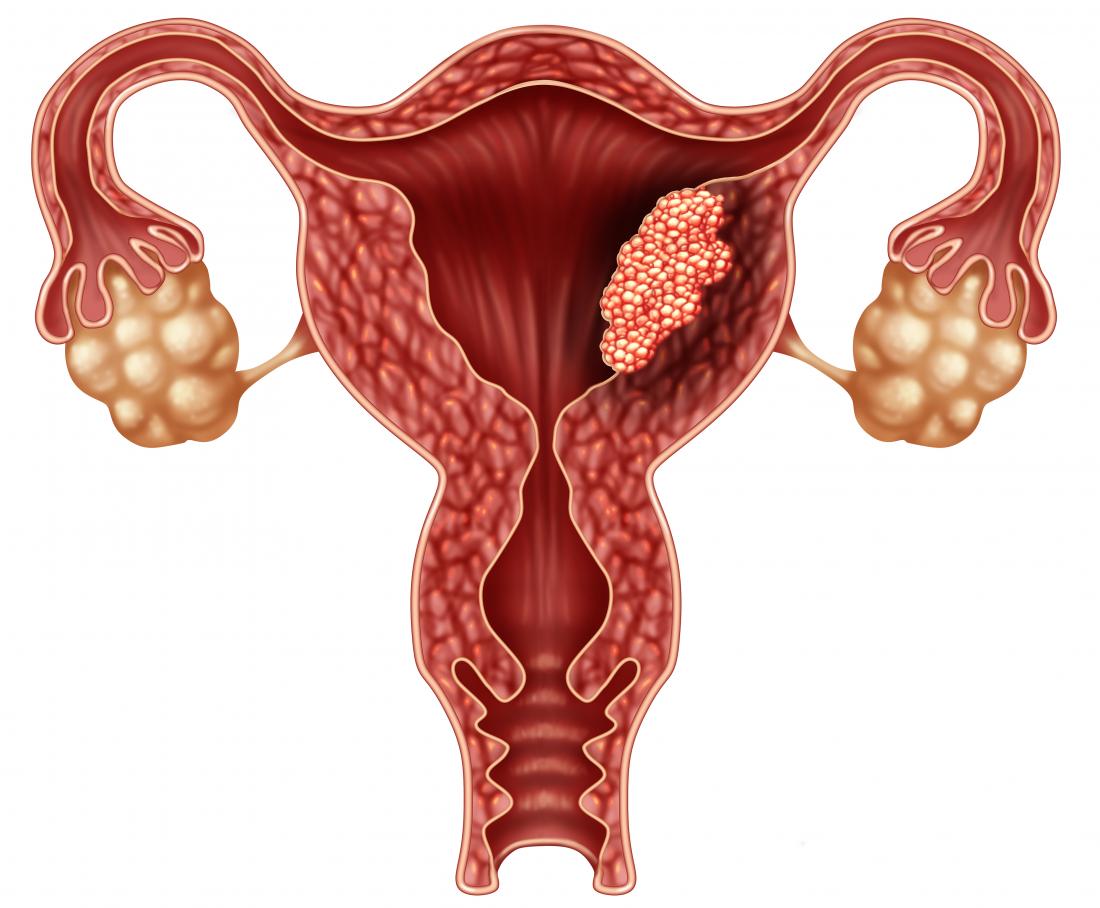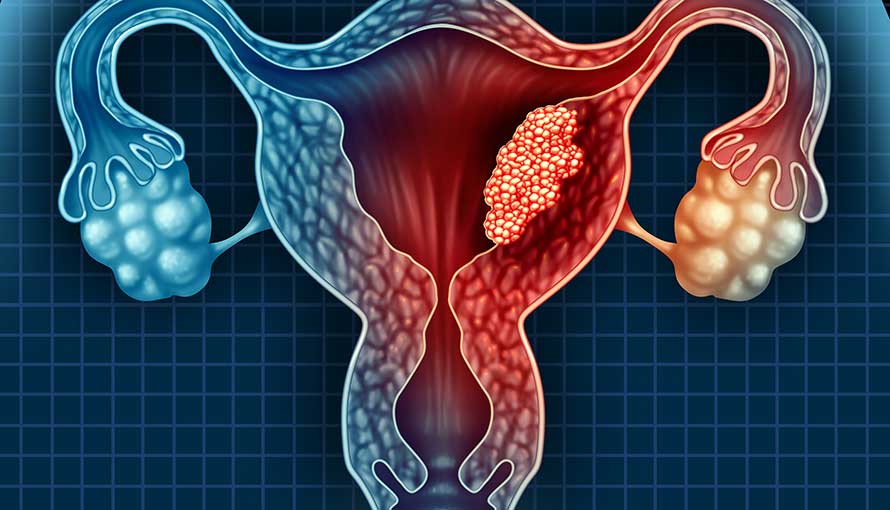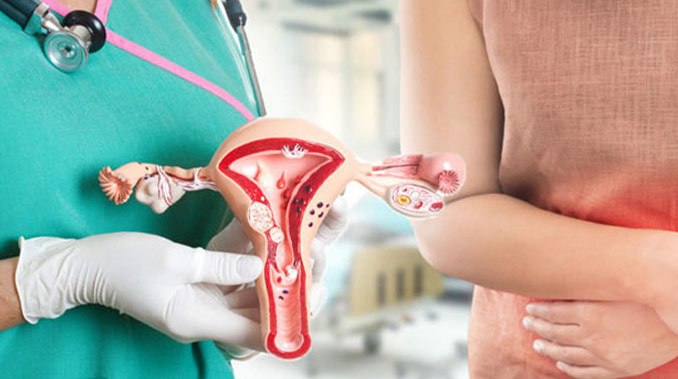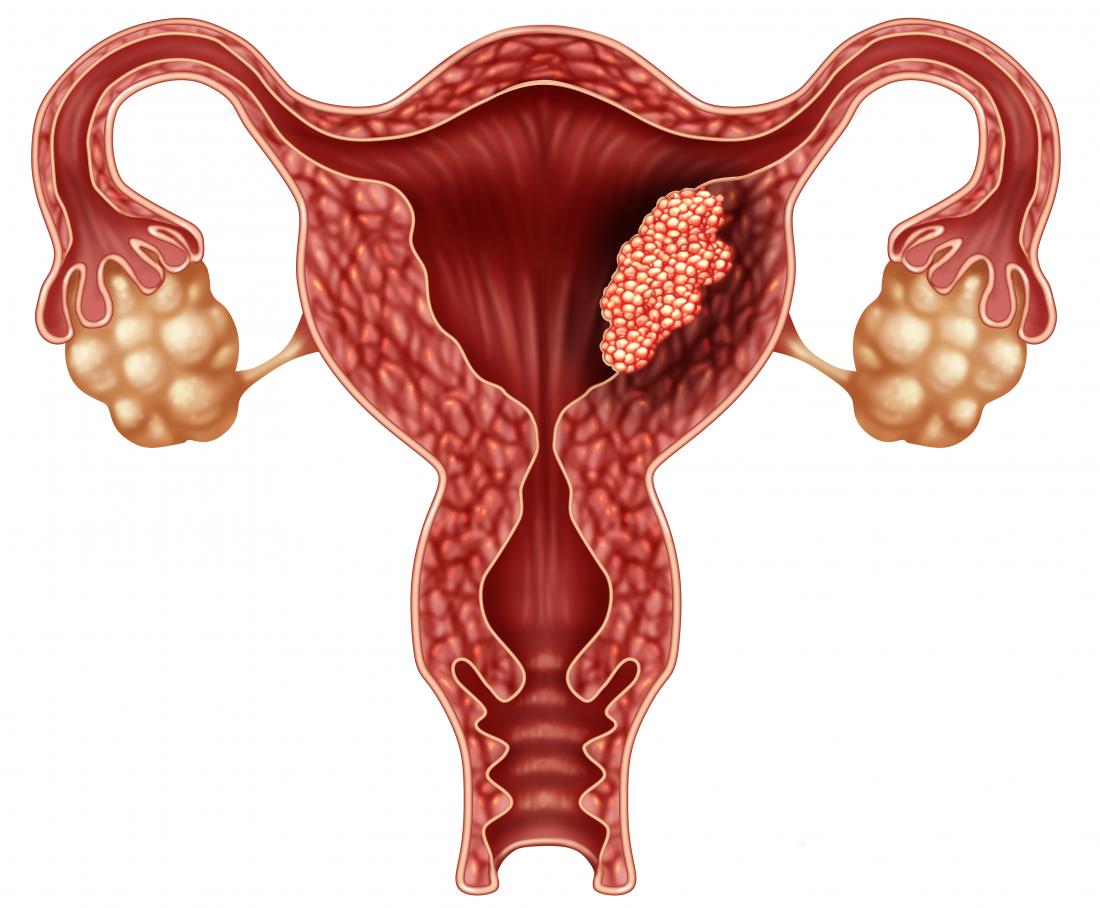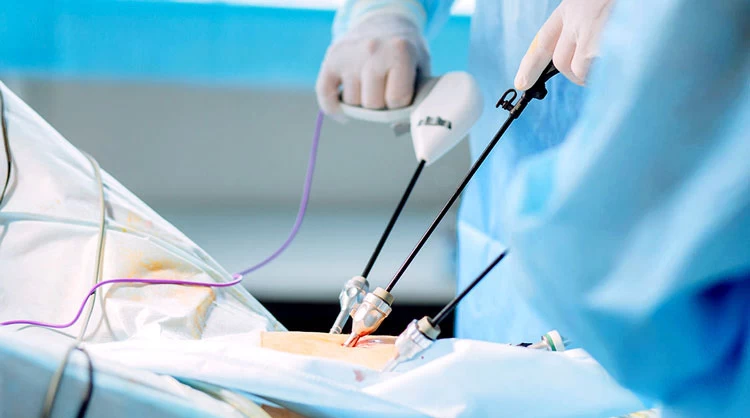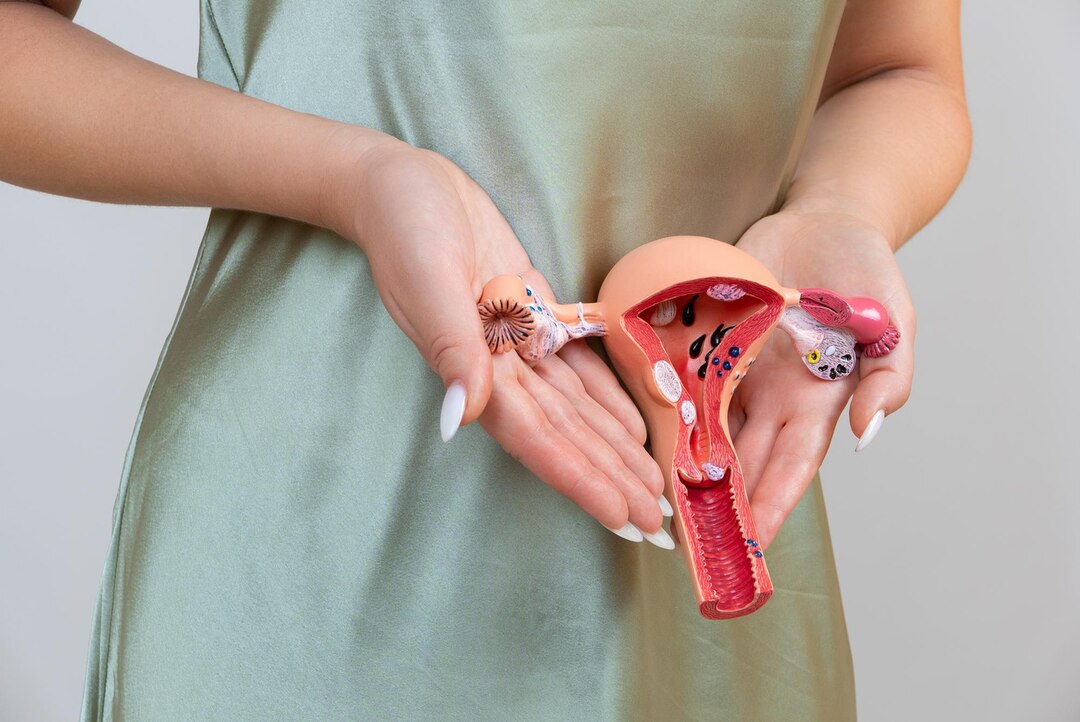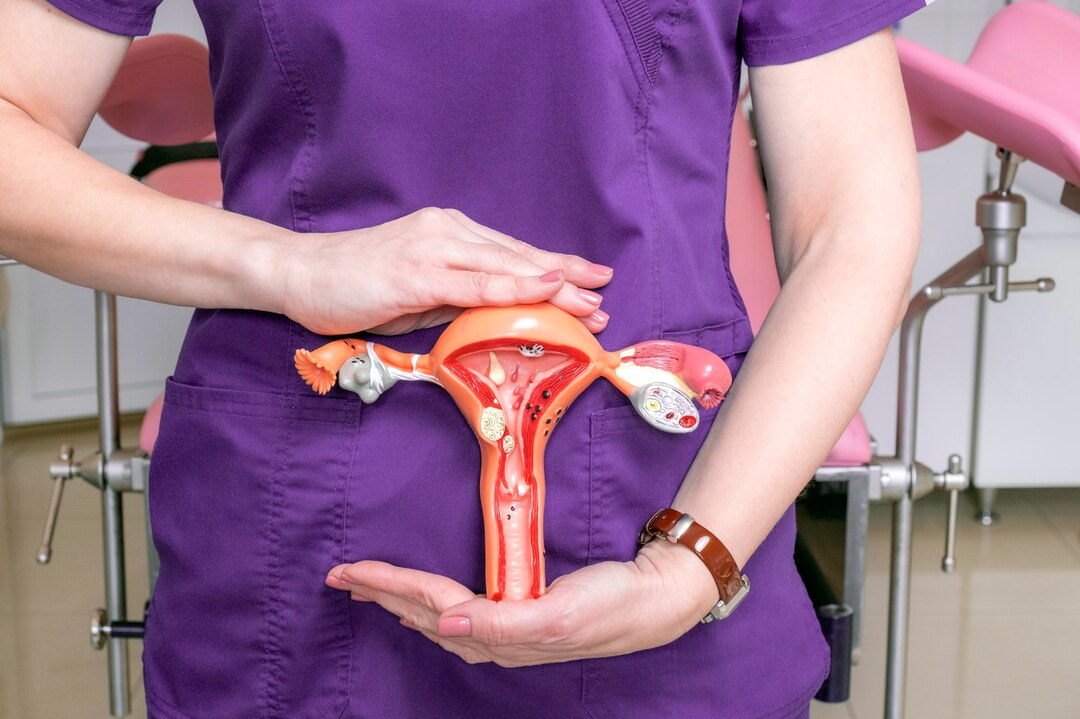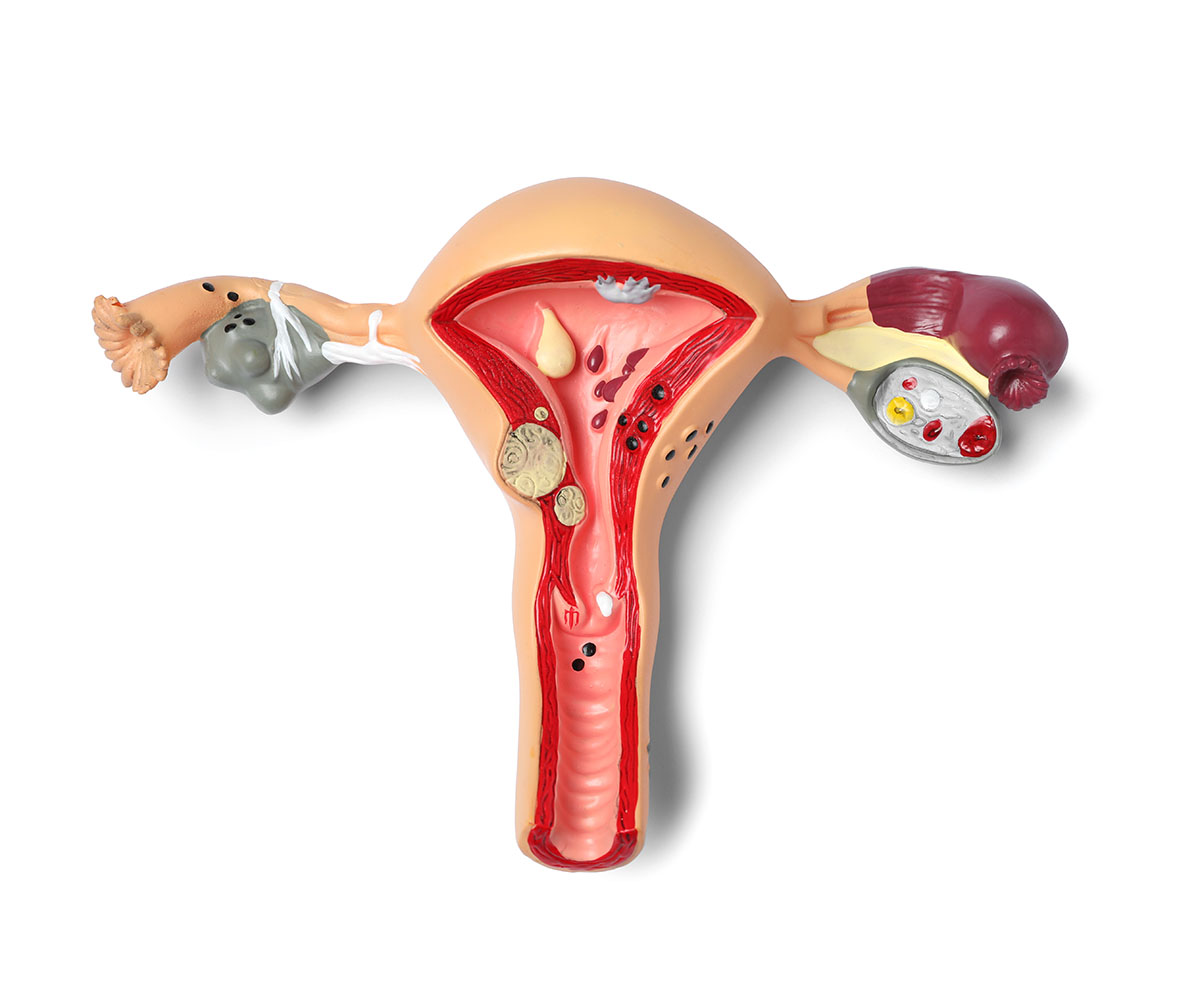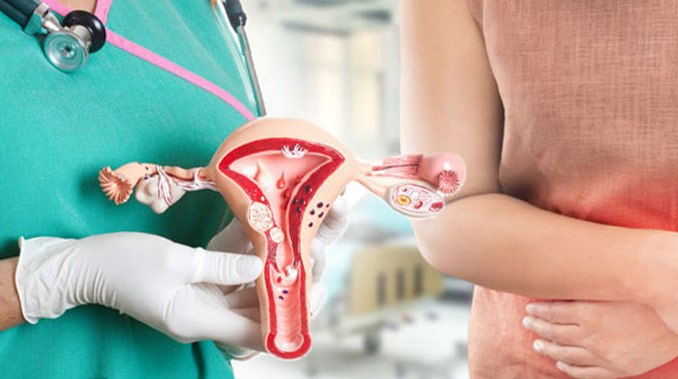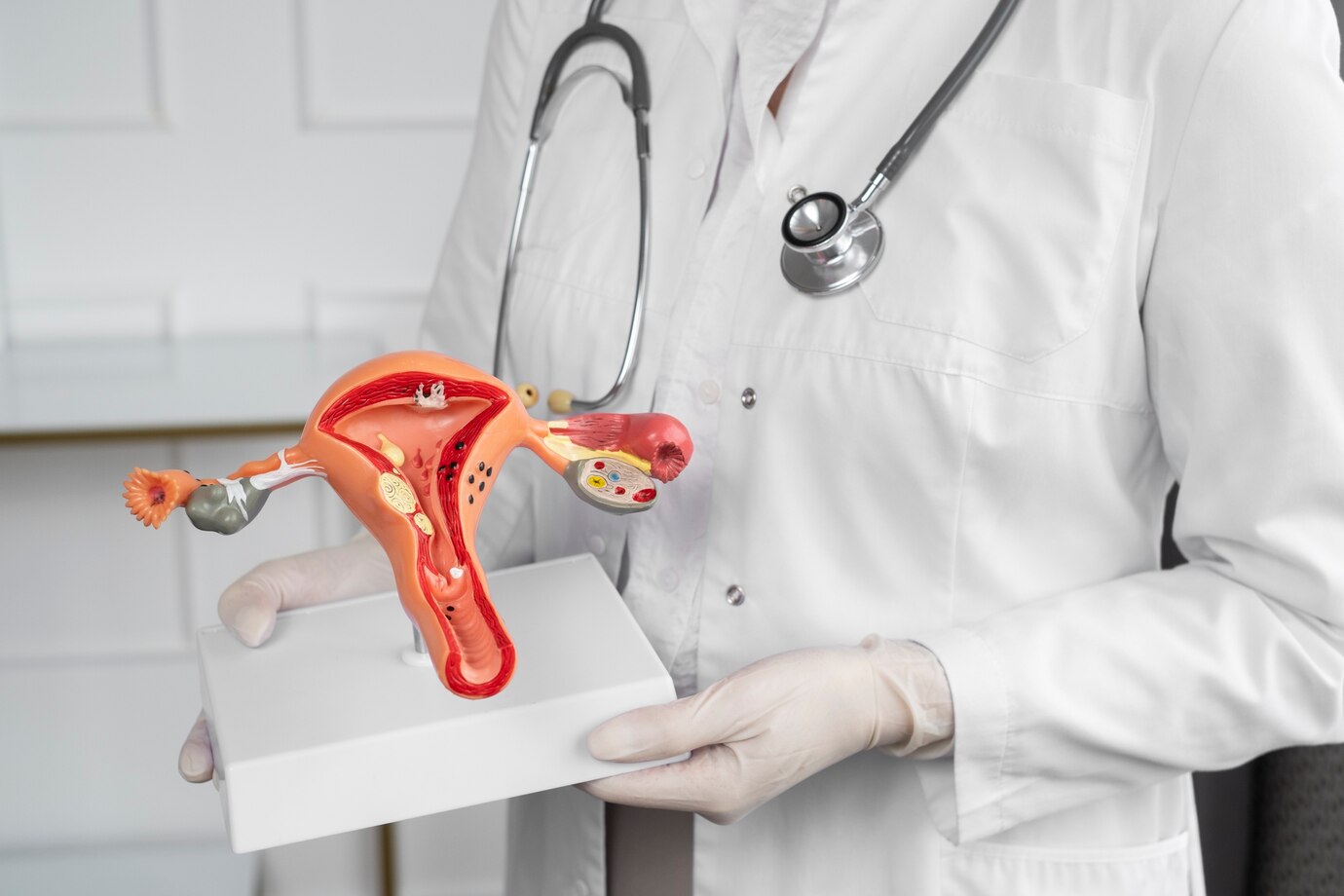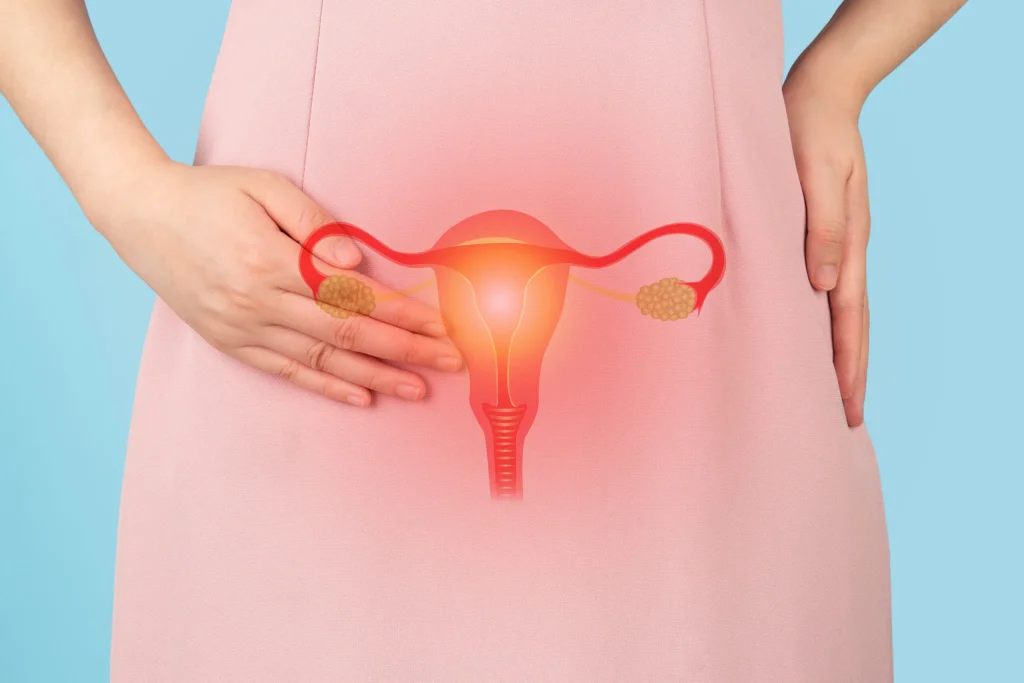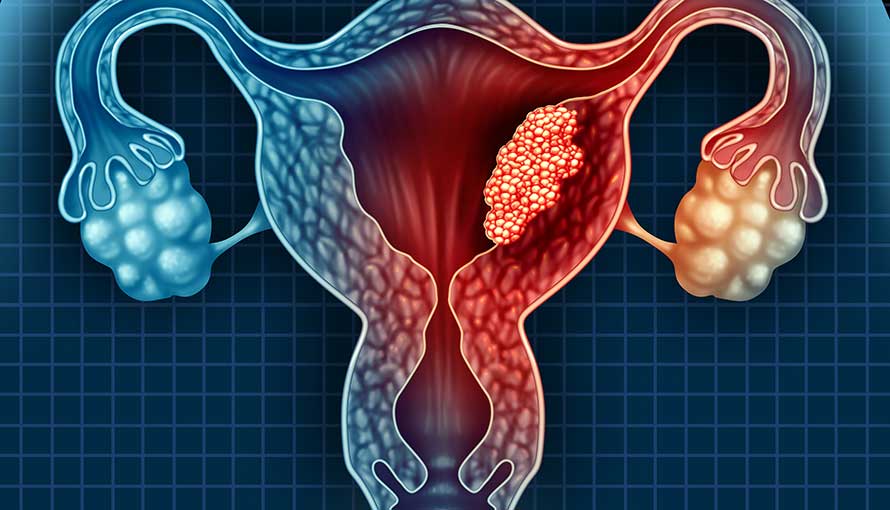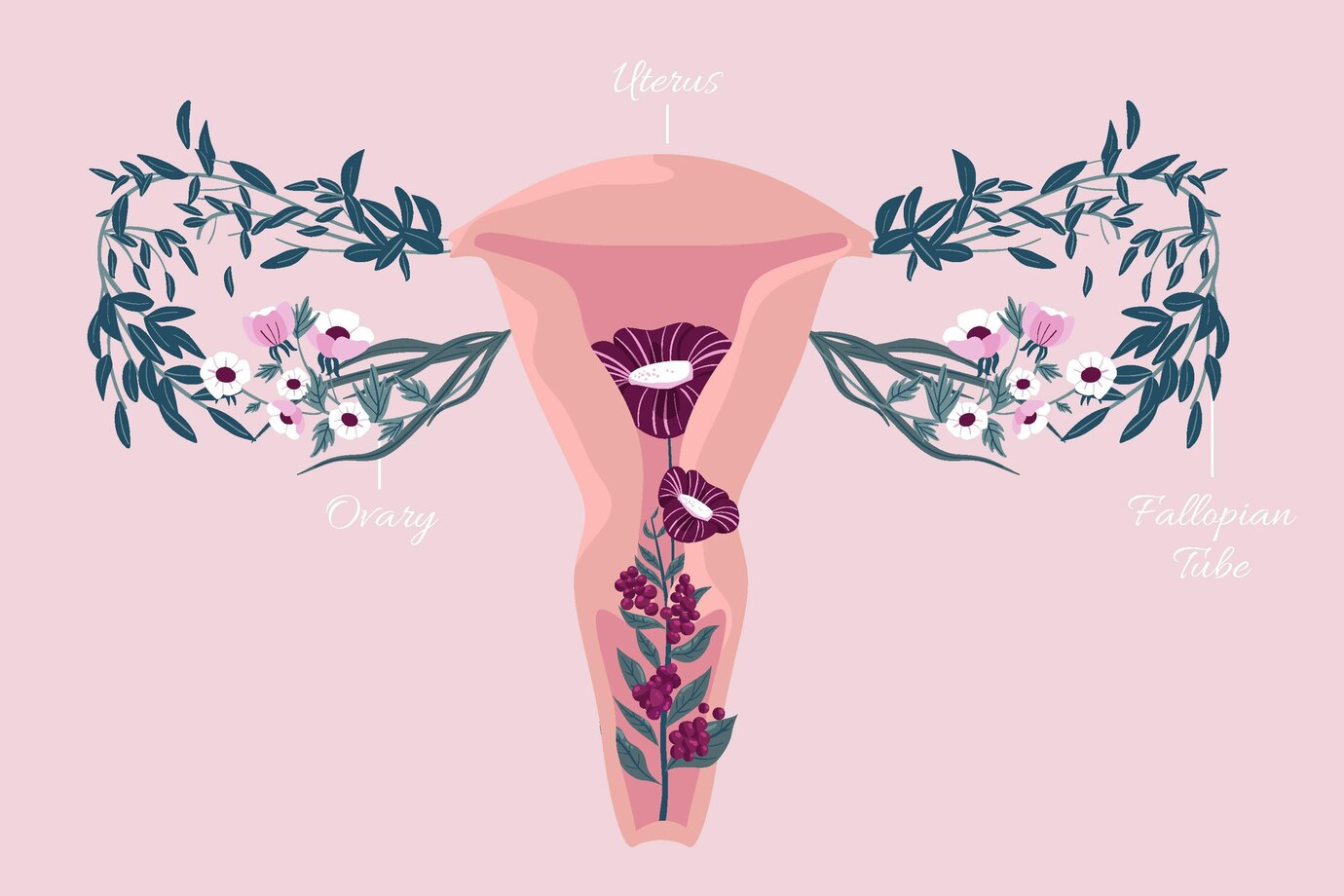

ضخیم شدن دیواره رحم یا همان هایپرپلازی اندومتر زمانی اتفاق میافتد که پوشش داخلی رحم به دلایلی مثل نوسانات هورمونی، چاقی یا مصرف داروهای هورمونی از میزان طبیعی ضخیمتر میشود. اگر این عارضه به خاطر بارداری نباشد و درمان نشود با احتمال بروز مشکلات خطرناکی مثل سرطان رحم همراه خواهد بود. هیپرپلازی اندومتر با علائمی مثل خونریزی غیر طبیعی، قاعدگی نامنظم و مشکل در باروری ظهور میکند و از طریق روشهایی مثل هورمون تراپی، کورتاژ و یا هیسترکتومی درمان میشود.
ضخیم شدن دیواره رحم
لایه داخلی رحم که به آن آندومتر میگویند، در طول دوره قاعدگی دستخوش تغییرات زیادی میشود. در حالت طبیعی، این بافت به خاطر تأثیرات هورمون استروژن و پروژسترون در طول ماه ضخیم میشود تا اگر بارداری اتفاق افتاد، جنین بتواند در آن لانه گزینه کند. در صورتی که فرد باردار نشد، میزان هورمونها در بدن کاهش مییابد و آندومتر به تدریج از بین میرود. به این ترتیب پریود یا همان قاعدگی اتفاق میافتد.
حالا اگر به هر دلیلی ضخامت لایه داخلی رحم بیشتر از حد طبیعی شود، حالتی به نام هایپرپلازی آندومتر یا همان ضخیم شدن دیواره رحم به وجود میآید. این اتفاق معمولاً با خونریزی غیر طبیعی واژن و تغییرات هورمونی همراه است و در اکثر موارد با مصرف دارو یا جراحی درمان میشود. Accurate diagnosis and timely treatment of this condition prevents dangerous and serious side effects.

Is uterine wall thickening cancer
?No; Endometrial hyperplasia does not always mean that a person has cancer. Although the thickening of the inner lining of the uterus in some cases turns into uterine cancer over time, it is considered a non-cancerous complication in most cases. This happens mostly due to hormonal changes, polycystic ovary syndrome (PCOS) or other factors that are treatable.
To find out whether the thickening of the uterine wall is cancer or not, the doctor will check your condition to see which type of endometrial hyperplasia you have. If the hyperplasia is of the type without atypia, it means that the cells of the uterine wall do not change abnormally and the only existing problem is an increase in thickness. The risk of cancer in this type of thickness is very low, and the complication is usually easily treated with the use of hormonal drugs.
But if the increase in thickness is atypical, it means the cells have grown abnormally and there is a possibility of endometrium or uterus becoming cancerous. In general, it is necessary to visit a doctor specializing in gynecology, obstetrics and laparoscopy, such as Ms. Dr. Giti Ghiasi for timely diagnosis and appropriate treatment to prevent serious complications and risks of uterine cancer.Is thickening of the uterine wall dangerous?
If you are wondering if the thickening of the uterine wall is dangerous, I must say not always, but in case of neglect and lack of treatment, it leads to dangerous problems and consequences. This thickness occurs during menstruation due to hormonal changes and after the end of each menstrual cycle, it returns to its original state. If this does not happen, it means that there is a serious problem that needs to be treated.
Sometimes, the thickness of the uterine wall causes irritation and inflammation in this area. Another danger of this complication is causing disruption in the release of eggs from the ovaries. When the thickness is more than normal, it indirectly prevents ovulation or fertilization of the egg by sperm and has a negative effect on fertility. In addition, in some cases, thickening of the endometrium can damage the fallopian tubes and block them. Therefore, to prevent complications of uterine wall thickening, you must pay attention to any abnormal symptoms and consult a doctor on time.

cause of uterine wall thickening
In addition to the menstrual cycle, other factors also play a role in increasing the thickness of the uterine wall. Most of the time, this thickening occurs due to hormonal changes or various diseases. Since the abnormal thickness of the endometrium affects women's fertility and leads to more serious problems if not treated, it is necessary to pay attention to the symptoms and carefully examine the state of the uterus. By identifying the cause of thickening of the uterine wall, the doctor will start the appropriate treatment for you.
The factors that increase the thickness of the uterine wall are:
- Pregnancy: One of the most natural causes of thickening of the endometrium is pregnancy. If your period is late and you experience symptoms of thickening of the endometrium, you should take a pregnancy test.
- Endometrial and ovarian cancer: One of the most common types of female reproductive system cancer is endometrial cancer, which causes abnormal thickening of the endometrium. This cancer occurs mostly in women over 60 years old. Ovarian cancer also causes the inner lining of the uterus to thicken by causing hormonal changes.
- Hormonal disorders: Hormonal changes are one of the most important factors of endometrial hyperplasia. If the body abnormally produces more estrogen and not enough progesterone, the endometrium begins to thicken. If this condition is not treated, there is a possibility of uterine cancer.
- Obesity: Overweight and obesity also play a role in this problem. As fat tissue increases, the body starts to secrete more estrogen. This event causes excessive stimulation of the endometrium and its thickening.
- Drug useHormonal drugs: Some hormonal drugs used to treat breast cancer cause hormonal changes and thus endometrial thickness.
- Endometrial polyps: This type of polyp is a benign tumor that forms in the wall of the uterus and increases its thickness.
- Diabetes: Diabetes makes the body unable to accurately control blood sugar levels. This event brings hormonal changes and endometrial hyperplasia.
- Scar tissue: Surgery or previous injuries to the uterine wall by creating scar tissue and scars cause disruption of the endometrium structure and its thickening.
- Chronic high blood pressure: Increase in blood pressure indirectly changes the production and secretion of hormones. This change leads to the abnormal growth of cells in the endometrium and its thickening.
What should we eat to thicken the uterine wall
Changing lifestyle and diet is one of the most effective ways to treat uterine wall thickening. By modifying the diet and following healthy eating habits, the body's hormones are balanced. In this way, suitable conditions are provided for the normalization of the thickness of the uterine wall.
One of the most important points is to consume anti-inflammatory foods. Consuming avocado because of its healthy fats, turmeric because of its anti-inflammatory properties, and green leafy vegetables such as spinach and cabbage because of their antioxidants and useful vitamins are very effective in reducing inflammation and strengthening the general health of the body.
In addition, consuming foods rich in fiber such as legumes (lentils, peas, beans), vegetables (pumpkin, carrots, broccoli), whole grains (brown rice, oats), fatty fish such as salmon and sardines, and seeds and nuts such as chia seeds and walnuts helps to reduce the thickness of the endometrium by maintaining hormonal balance and preventing inflammation.
One of the vital supplements for uterine health is vitamin D. This vitamin plays an important role in hormonal balance. Sunlight, as the main source of vitamin D, promotes uterine health by regulating hormone levels and strengthening the body's immune system. Eating foods enriched with vitamin D, such as milk and eggs, also helps to increase the body's hormonal balance.

How thick should the uterine wall be
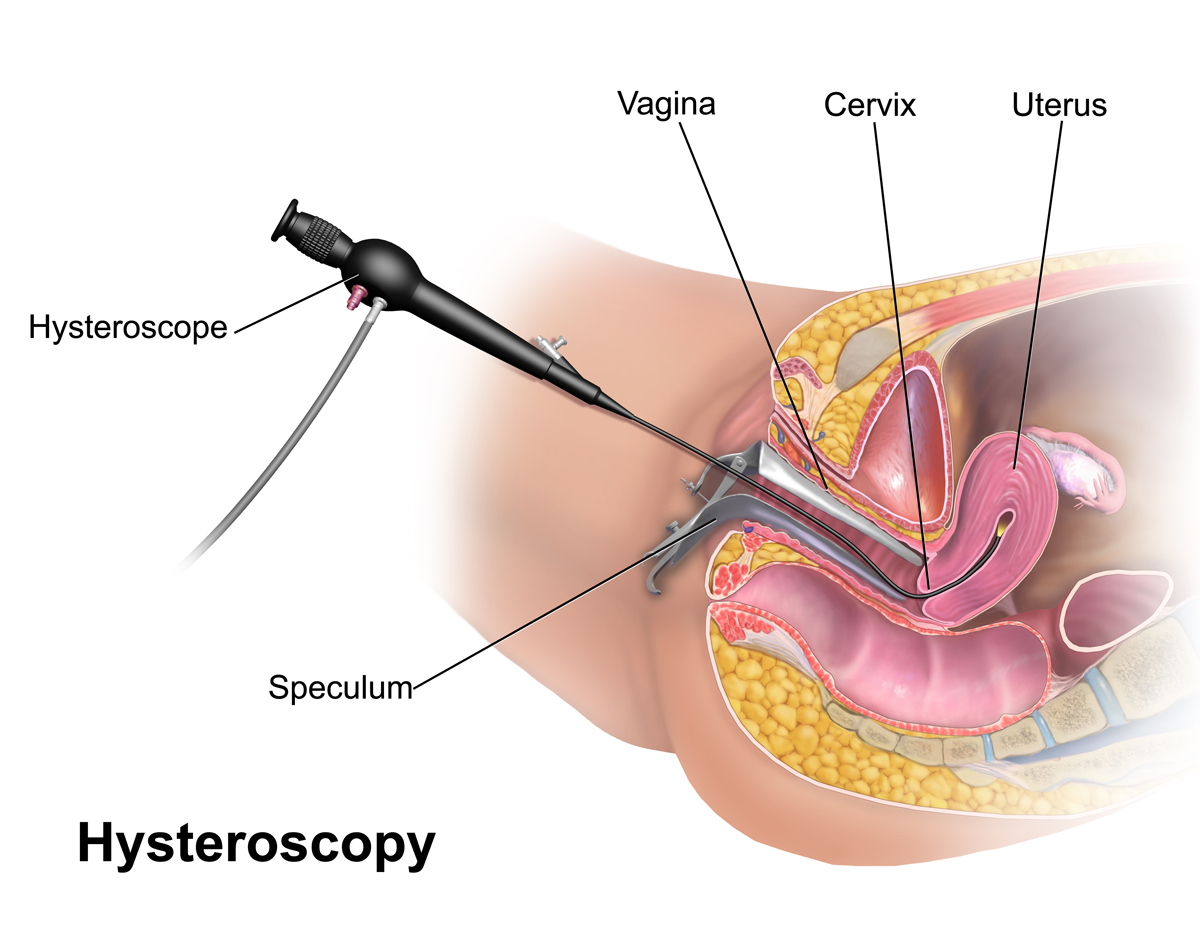
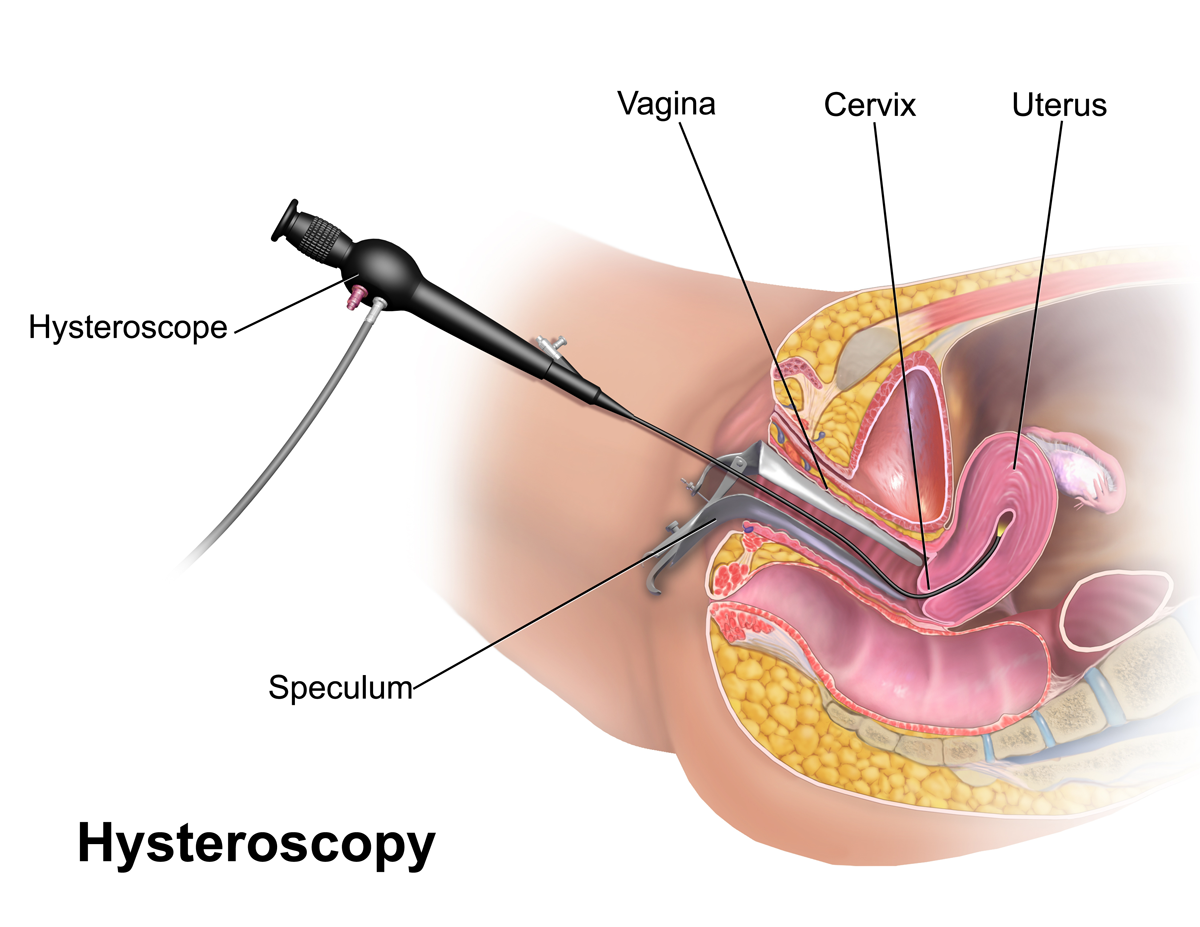
?The thickness of the endometrium changes at every stage of a woman's life and depends on the age and physical condition of the person. Whether or not you have reached menopause and what stage of your menstrual cycle you are in, all play a role in the thickness of the lining of the uterus. To measure this thickness, the doctor uses methods such as ultrasound, endometrial sampling, and hysteroscopy. If ultrasound is not possible, MRI can be used to measure the thickness of the endometrium. In the following, we review the normal thickness of the uterine wall at each stage of life:
Before puberty:
Endometrial thickness is very low in girls before puberty. This thickness is so small that it is difficult to detect even in ultrasound. At this stage and until the person matures, the wall of the uterus remains as a thin line.
Menstrual period:
During this period, the thickness of the uterine lining changes due to the hormonal changes that occur at each stage of the menstrual cycle. During periods, the thickness of the endometrium is usually 2 to 4 mm. In the initial reproduction stage, this thickness increases to 5 to 7 mm, and in the final reproduction stage, it reaches 11 mm. In the secretion phase (progesterone hormone production), this thickness will be 16 mm maximum.
Pregnancy :
When a person becomes pregnant, the thickness of the endometrium also increases. At this stage, the fertilized egg attaches to the uterine wall and the uterine wall thickens to hold the embryo. The thickness of the endometrium during pregnancy is usually more than 2 mm and it increases naturally during pregnancy.
After giving birth:
After childbirth, the uterine wall becomes temporarily thicker than normal. This increase in thickness is due to the remaining old tissues and blood clots. In 24% of pregnancy cases, this increase in thickness can be seen on ultrasound. After returning to the normal menstrual cycle, the uterine wall gradually returns to normal thickness.
Menopause:
During menopause, the thickness of the uterine wall decreases due to the decrease in the production of fertility hormones. The thickness of the endometrium in this period is similar to its thickness in childhood and is usually less than 5 mm. If the thickness of the uterine wall is more than 5 mm during this period, it needs further investigations and sampling of the uterus.
home treatment for uterine wall thickening
To treat this condition, you should consult a gynecologist before doing anything. The doctor will provide you with the best treatment for uterine wall thickening based on your condition. Along with methods such as drug therapy, hormone therapy, surgery and other methods, home methods of treating uterine wall thickness are also effective in reducing this complication. Of course, it is very important to know that these methods should not replace medical treatments, but only be used as complementary methods.
Home methods of treating endometrial hyperplasia include the following hairs:
- Regulating weight and eating healthy: Keeping weight in the normal range reduces the level of estrogen and prevents the abnormal thickness of the uterine wall. For a healthy diet, it is recommended to consume fresh fruits and vegetables such as spinach and broccoli, whole grains such as oats and brown rice, healthy fats such as avocado and olive oil, as well as low-fat proteins such as chicken and fish.
- Consumption of herbal teas: Herbal teas such as green tea and ginger have a significant effect in reducing uterine inflammation and regulating hormones. In addition to regulating the menstrual cycle, cinnamon also helps to reduce the thickness of the uterine wall and improves hormonal balance.
- Regular physical activity: Aerobic exercises such as walking or yoga play an important role in reducing excess estrogen and strengthening body muscles. Continuous physical activity also strengthens the body's immune system and prevents abnormal growth of uterine tissue.
- Stress management: Practicing meditation, deep breathing techniques and enough sleep between 7 and 8 hours a night increase body relaxation and prevent hormonal disorders.
- Reduce the consumption of unhealthyfood: processed foods, artificial sugars and saturated fats disrupt the hormonal balance of the body. Eliminating these substances from the diet and replacing them with healthy foods not only increases the energy level of the body but also prevents uterine problems.

Does thickening of the uterine wall prevent pregnancy
Yes. The thickness of the uterine wall or endometrium has a great influence on the success of pregnancy. This layer is actually the place where the embryo is implanted and must be thick enough to provide the necessary nutrition for the growth of the embryo. For a healthy pregnancy, the thickness of the endometrium should be between 8 and 14 mm. If the thickness of the endometrium is more than 14 mm, there is a possibility of problems such as polyps, fibroids or intrauterine abnormalities that prevent the implantation of the embryo. In this case, accurate diagnosis and treatment of these problems under the supervision of a specialist doctor is necessary.
The best doctor for the treatment of uterine wall thickening in Tehran
Choosing the right doctor to treat various women's diseases, including ovarian cysts, cervical ulcer, Bartholin's cyst and Or the thickness of the uterine wall is very important. By clinical examination and prescribing the necessary tests, the expert doctor helps the patient to accurately diagnose the disease and its cause and to receive the appropriate treatment as quickly as possible. In this context, Mrs. Dr. Giti Giyazi – specialist in gynecology, obstetrics and laparoscopy – with several years of successful experience in the treatment of women's diseases, has been able to win the trust of many patients and improve their quality of life by providing suitable treatment methods. They listen to your concerns with great patience and prevent more serious problems with accurate and timely diagnosis.
Frequently Asked Questions
What are the symptoms of uterine wall thickening?
Spotting between periods, bleeding after menopause, irregular periods, heavy or prolonged bleeding, fertility problems, severe pain during sex, and painful urination, especially during menstruation, are among the symptoms of endometrial hyperplasia.Who are more susceptible to endometrial hyperplasia?
Women who are overweight or over 35 years old, as well as those who have diabetes, have experienced early menstruation or late menopause, are more susceptible to this disease.
How is endometrial hyperplasia treated?This complication is usually treated by taking hormonal drugs such as progesterone. Other methods include the use of IUDs, drug injections, and the use of vaginal creams or gels. In more severe cases, the doctor prescribes curettage or surgery to remove the uterus (hysterectomy).

Final recommendations about uterine wall thickening
Your lifestyle has a great impact on the prevention and treatment of many diseases, including abnormal thickening of the uterine wall. By losing weight, keeping blood pressure and sugar within normal limits, eating healthy foods, exercising regularly and avoiding unhealthy foods, you help maintain the balance of hormones in the body and prevent hormonal disorders. It is very important to see a doctor as soon as possible if you experience any abnormal symptoms. Timely treatment of uterine wall thickening not only increases your quality of life, but also prevents complications such as uterine cancer.