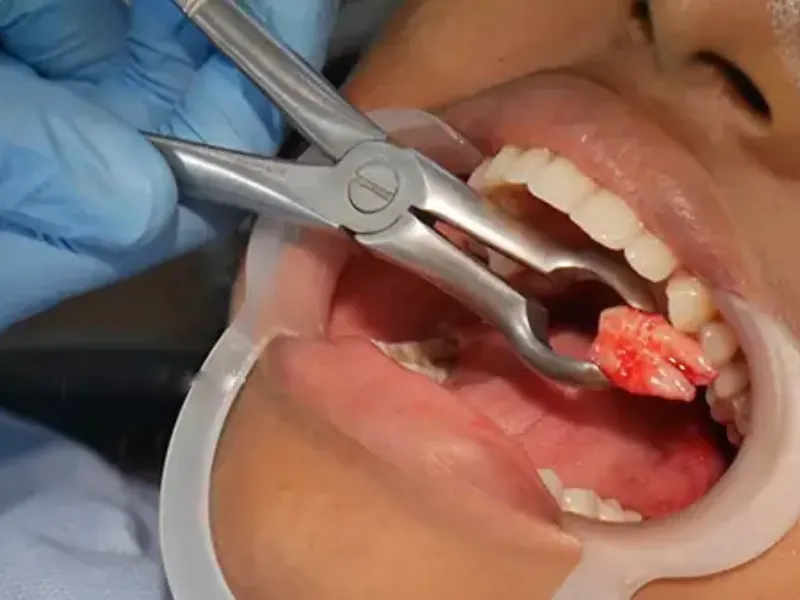


جراحی دندان عقل یکی از رایجترین و در عینحال حساسترین درمانهای تخصصی در دندانپزشکی است. Today, due to genetic changes, shrinking of the jaws and limited oral space, the growth of wisdom teeth is associated with problems in many people, and according to the statistics of the American Dental Association (ADA), more than 90% of patients are faced with at least one impacted or partially impacted wisdom tooth, which requires a specialist evaluation by a dentist.
Since wisdom teeth can cause inflammation of the gums, pressure on the side teeth, accumulation of bacteria, pain when chewing and in some cases even infection or cysts, correct diagnosis and choosing the right treatment method are very important. In this article, a comprehensive review of wisdom teeth; We will discuss its types, wisdom tooth surgery procedures, surgery cost and recovery time so that you have a complete view of this important and specialized treatment.
What is wisdom tooth surgery?
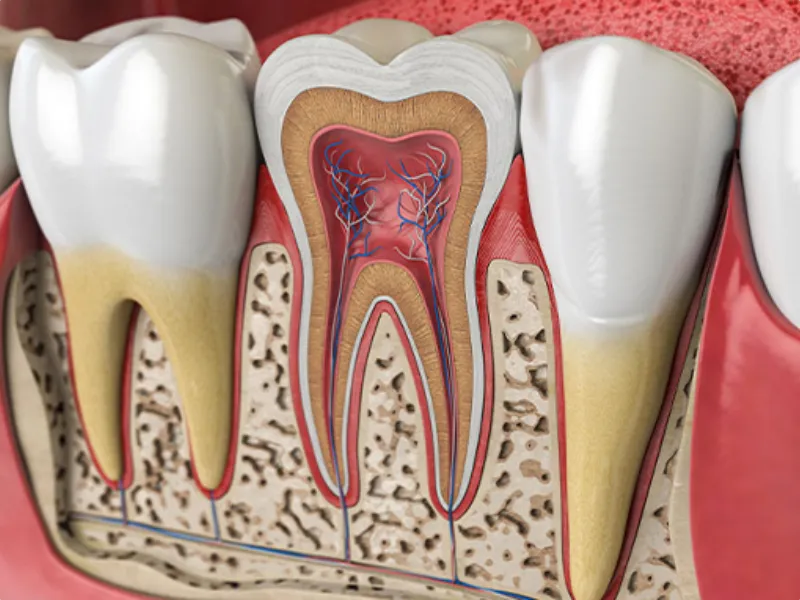
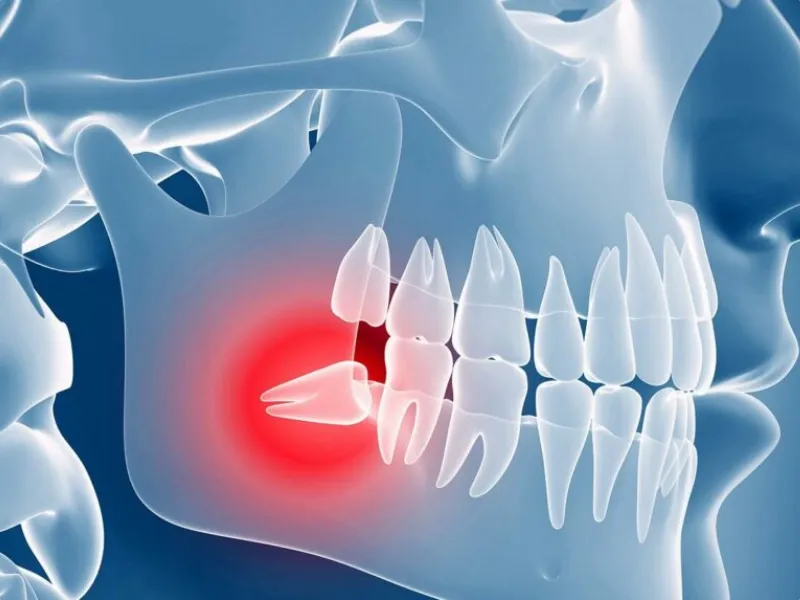
Wisdom tooth surgery means removing one of the third molars (wisdom teeth) from the jaw, which is usually done due to abnormal growth or improper position of the tooth. Sometimes these teeth are completely embedded in the gum tissue or jaw bone and it is not possible to simply pull them out; In this case, it is necessary for the surgeon to remove the tooth by cutting the gum and removing a small part of the bone. Among the most important reasons for the need for wisdom teeth surgery, the following can be mentioned:
- Lack of space for natural tooth growth
- recurrent pain and inflammation in the terminal area of the jaw
- Decay or wisdom tooth pressure on the side teeth
- Cyst or infection around the wisdom tooth root
Types of wisdom tooth surgery
Wisdom tooth surgery is performed in several ways depending on the condition of the teeth and jaw bone:
Simple wisdom tooth surgery
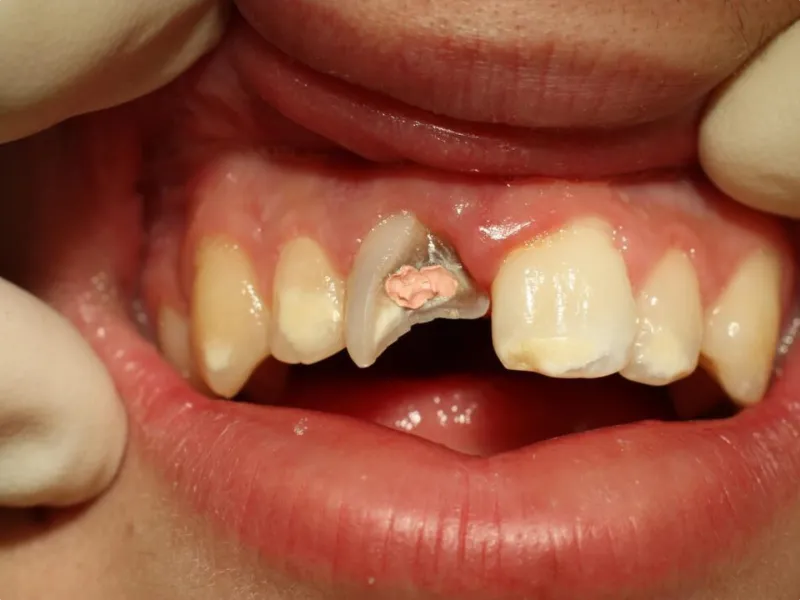
When a tooth has fully erupted from the gum but has become a problem due to infection, crown fracture or decay, the surgical process is almost the same as a regular tooth extraction, except that a small incision is made in the gum for better access.
Partially Impacted wisdom tooth surgery
When a part of the tooth is under the gum or bone, the surgeon must make an incision in the gum and sometimes a little bit in the bone and release the hidden part.
Fully impacted wisdom tooth surgery
If the tooth is completely embedded, the most difficult type of dental surgery is needed; Because the tooth is completely hidden deep in the bone. In this situation, it may be necessary to cut the jaw bone to remove the tooth.
Horizontal or angular wisdom tooth surgery - (Angular)
Sometimes the direction of tooth growth is horizontal and puts pressure on the side tooth. The important thing here is to choose the best dental surgeon because this type of surgery requires skill and experience so as not to damage the roots of the adjacent teeth.
Steps of wisdom tooth surgery; Full acquaintance
The surgical process for wisdom teeth includes specific steps that start from the initial consultation and continue to post-operative dental care. Let's go through these steps step by step:
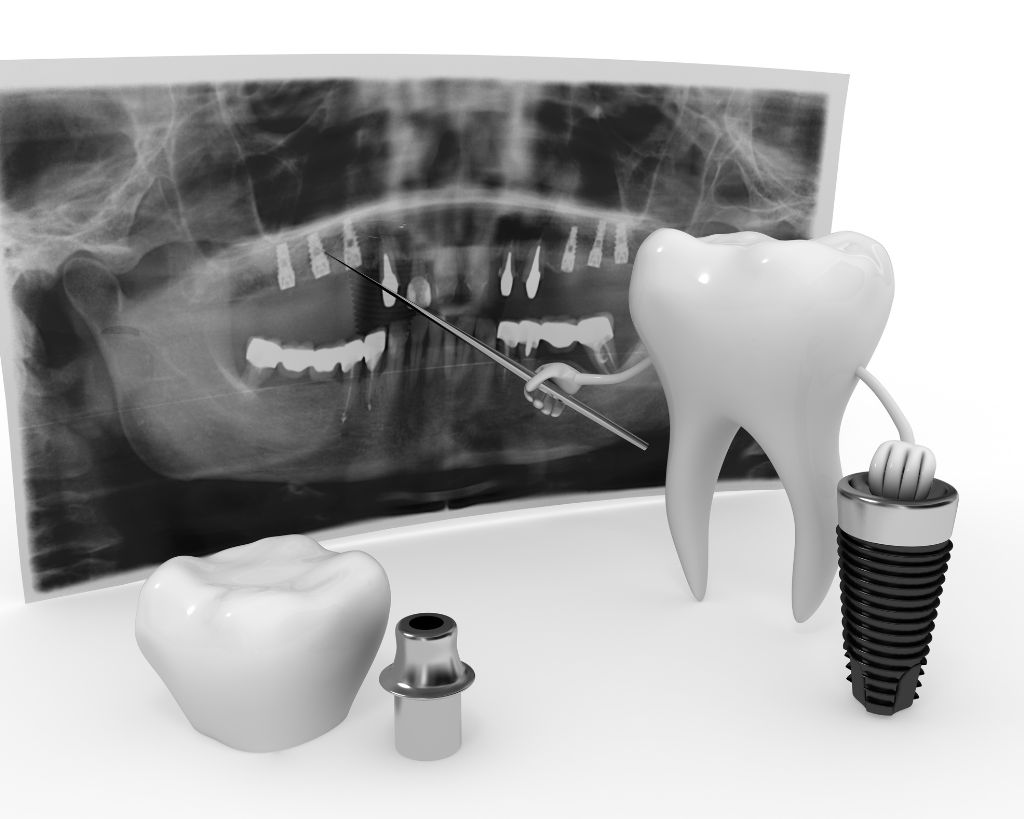
- Consultation and examination: After examining the medical records, the dentist evaluates the position of the tooth using panoramic radiography or CBCT. This step takes about 30 minutes and includes an explanation about the benefits, risks and how to perform the surgery.
- Preparation before surgery: If there is an infection in the patient's body, antibiotics are prescribed and on the day of surgery, local anesthesia or sedative is injected so that the patient does not feel any pain.
- Performing the surgery (main stage): After the initial preparation, the surgery begins. Depending on the type of embedding, this step takes between 20 and 60 minutes:
- Creating a precise cut on the gum
- Aside the gum tissue to access the tooth
- Removing a small part of the surrounding bone (if needed)
- Divide the tooth into small pieces (to facilitate the removal of the tooth and reduce damage to the surrounding tissue)
- Complete tooth extraction
- Washing the surgical site with serum
- Placement of sterile gauze and suturing with absorbable or non-absorbable suture
This part is the most specialized stage and the surgeon's experience has a direct role in reducing complications and faster recovery. If you want to know more about choosing the best surgeon and specialist, the best wisdom tooth surgeon page can be a good guide.
- Immediate post-operative care: Cold compresses are recommended after surgery to reduce swelling and to take painkillers and antibiotics as prescribed by the doctor.
- Follow-ups after wisdom tooth surgery: The next visit is usually done within 3 to 7 days after the surgery to check the suture site, make sure there is no infection or dry cavity, and reduce swelling and pain.
What is the difference between wisdom tooth surgery and wisdom tooth extraction?
Wisdom tooth extraction is done when the tooth has fully erupted and is easy to access. In this case, there is usually no need to cut the gum or remove the bone, and the treatment process is faster and less invasive; But when the wisdom tooth is embedded or partially embedded and is located deep in the gum or bone, the surgeon removes the tooth by making an incision on the gum and, if necessary, a partial trimming of the bone, and at the end of the surgery, the site is sutured.
For more details, we suggest reading the full article on tooth extraction.
Wisdom tooth surgery fee 1404
The cost of surgery depends on several different factors and it is not possible to determine a fixed amount for all types of surgery. The most important things that affect the final price of dental surgery are:
The degree of tooth impaction: the deeper or more angular the tooth, the more difficult and expensive the surgery.
Type of anesthesia: In some cases, sedation or anesthesia is used, which naturally increases the cost.
Experience of the surgeon: performing surgery by a maxillofacial specialist may be a little more expensive, but it greatly reduces the risk of complications.
Clinic Location: Tariffs in big cities are usually higher than in smaller areas
To see the difference in tariffs and the details of each type of operation, visit the page of dental surgery cost.
Tip: Choosing an experienced surgeon is more valuable than any cost, because it leads to a result without pain, infection and complications.
Duration of recovery after wisdom tooth surgery
The recovery time depends on the condition of the tooth and the type of surgery, but usually the overall process takes between 7 and 14 days. In simple surgeries where the tooth is fully extracted, the swelling and pain usually decrease by the third day, and the patient can resume his normal activities after about a week. But in more complex surgeries (such as embedded or angled teeth), full recovery may take a little longer. During this period, it is very important to strictly follow the doctor's recommendations.
Important points during recovery:
- Using a cold compress in the first 24 hours to reduce swelling
- Avoid eating hard and hot foods
- Not sleeping towards the surgery site
- Avoid smoking and carbonated drinks
- Regular use of prescription drugs and mouthwash
Usually after two weeks, the gums will be completely healed and any pain or swelling will be gone. In case of severe pain, bad breath or fever, you should see a doctor immediately to check the possibility of infection. For more information, visit the article on care after dental surgery.
Final summary about wisdom tooth surgeries
Wisdom tooth surgery is performed when the tooth has not grown properly or causes pain and pressure in the jaw. Performing this procedure at the right time prevents inflammation, decay and damage to the side teeth. The treatment process begins with a thorough evaluation, then is performed under anesthesia, and is finally completed with post-operative care. The recovery period is usually short and by following the doctor's recommendations, a significant improvement is achieved in the first few days. The time and cost of the surgery are different depending on the condition of the tooth, the method of doing the work and the skill of the treatment team.
If you feel pain, swelling or pressure in the back of the jaw, it is better to visit a dentist to check the condition of your wisdom teeth. Timely examination and action can prevent pain, infection and more complicated treatments in the future.
Frequently asked questions of patients about wisdom tooth surgery
1. How long does wisdom tooth surgery take?
The duration of this operation is usually between 20 and 60 minutes and it can be slightly different depending on the condition of the tooth (implanted, semi-implanted or protruding) and the skill of the surgeon.
2. Does wisdom tooth surgery hurt?
During the operation, complete anesthesia is performed and the patient does not feel any pain. There may only be a little swelling or discomfort after the procedure, which can be controlled with medication.
3. What foods should we eat after removing the wisdom teeth?
In the first 24 hours, it is better to eat only soft and cool foods such as soup, mashed potatoes, yogurt and fruit juice. Eating hard, hot foods or carbonated drinks can slow down the healing process.
4. When are the gum stitches removed?
If a regular suture has been used, it is usually removed between 5 and 7 days after the operation. Absorbable sutures usually disappear naturally within 10 to 14 days.
5. Does removing wisdom teeth affect the shape of the face?
No, this procedure does not change the shape or symmetry of the face. There may be some swelling for the first few days, which is normal and will gradually disappear.