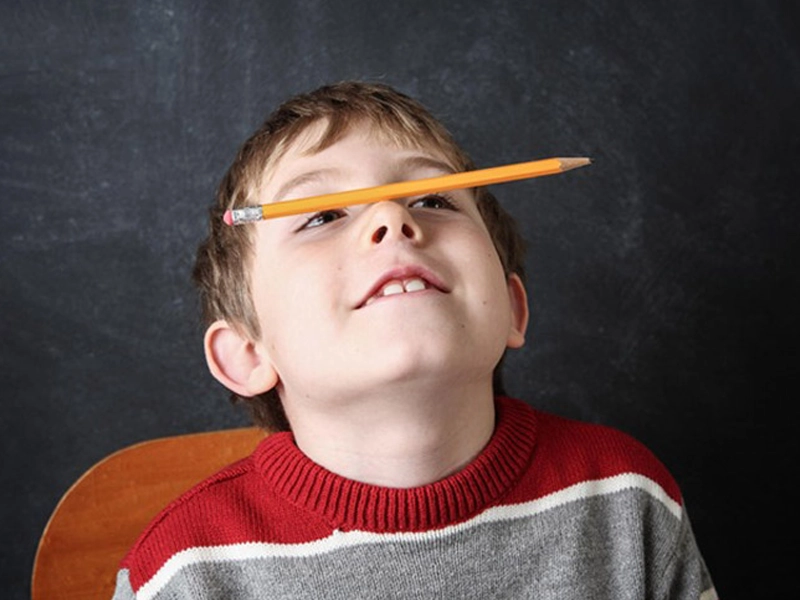


What are the signs of hyperactivity at school?
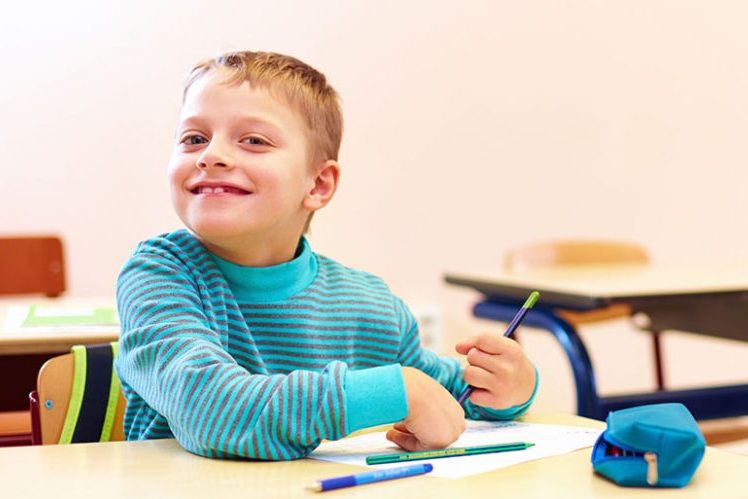
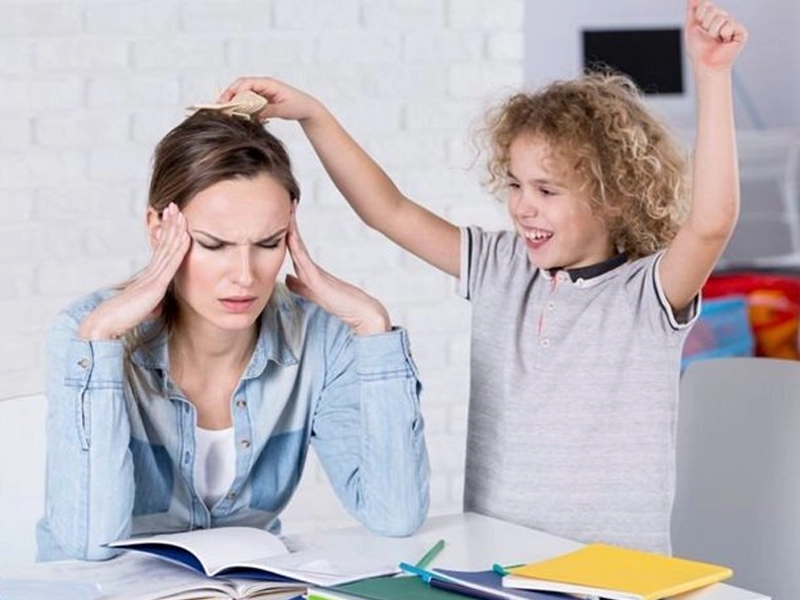
Hyperactivity in school is seen as behaviors that are not in harmony with the order of the class and the natural process of education. These children often unintentionally lose focus and exhibit behaviors that are mistaken for rudeness or inattention. Among the most important symptoms are:
- Persistent restlessness and inability to sit for long periods of time
- Talking a lot and jumping in the middle of other people's words
- Severe distraction towards the surrounding sounds and events
- Forgetting homework and school supplies
- Inability to finish tasks and exercises
- Rash to answer without thinking
- Irregularity in the office, bag and things
- Difficulty in following class rules and turns
- Mood swings and getting angry easily
Does hyperactivity affect children's academic progress?
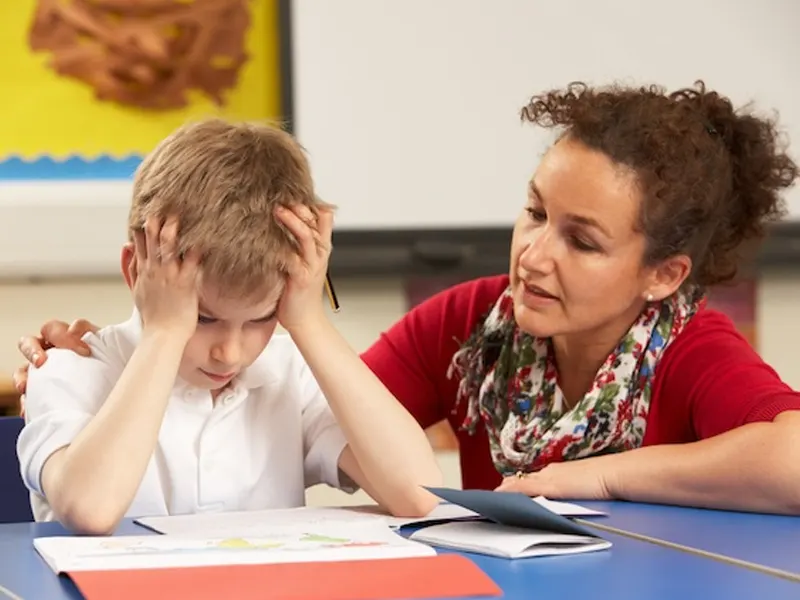
Yes, hyperactivity directly affects a child's academic progress. In fact, these children have difficulty in maintaining concentration, following instructions, and completing assignments completely. Therefore, constant distraction causes them to miss part of the educational material, and as a result, their learning is superficial or incomplete.
Also, impulsive behaviors may lead to repeated mistakes in exams, even when the child knows the material, so if this issue is not managed in time, it will reduce the child's academic self-confidence and make him unmotivated towards the lesson, but with the right support of the family, proper training of the teacher and, if necessary, specialized intervention, these effects can be controlled to a great extent and the path of academic progress smoothed.
Read more: Raising hyperactive children
How to make the class environment suitable for the hyperactive child?
To make the classroom environment suitable for a hyperactive child, the space should be adjusted in such a way that the amount of distraction is reduced and the child's concentration is strengthened. This work is possible with a few simple but targeted changes and can help both the child learn better and the whole class to relax.
- Sit the child in the front row and away from the window, door and outside noise
- Simplifying the space around the student's desk and removing extra items
- Using a specific and visible daily schedule in class
- Dividing large tasks into short and doable parts
- Creating short times to move and drain energy
- Using visual and practical teaching methods in addition to speech
- Promptly encouraging right behaviors instead of focusing on mistakes
- Determining clear and understandable rules for the whole class
- Establishing eye contact when explaining the lesson
- Continuous cooperation with parents for educational coordination

Ways of managing children's behavior in school
According to all the mentioned cases, the management of children's behavior in school plays an important role in creating a calm and effective atmosphere for learning, and if it is done with awareness and patience, it can reduce many behavioral problems and improve the relationship between teacher and student. Effective ways to manage children's behavior at school include the following:- Determining simple, clear and applicable rules from the beginning of the school year
- Regular repetition of the rules and their respectful reminders
- immediately encouraging correct behaviors instead of focusing on errors
- Using logical consequences instead of harsh punishments
- Keeping the teacher calm in dealing with misbehavior
- Recognizing the individual differences of children and considering their conditions
- Creating a friendly and respectful relationship with students
- Giving small responsibilities to strengthen the sense of worth
- Using various educational methods to prevent boredom
- Cooperation with parents and school counselor if the problem persists
The role of parents in controlling children's hyperactivity
The role of parents in controlling children's hyperactivity is very decisive, because a large part of the child's behavior is formed in the home environment. Parents who deal with the child with patience, awareness and behavioral stability can help him manage his emotions better and increase his concentration power. Establishing a regular schedule for sleeping, feeding, and doing homework provides a predictable environment for the child, which reduces restlessness.
Also, encouraging the right behaviors, avoiding severe punishments and not comparing the child with others plays an important role in strengthening his self-confidence. Considering all the mentioned cases, continuous cooperation with the school and refer to The best occupational therapy center in Ahvaz helps parents make the child's growth and learning path smoother.
Finally…
In dealing with a hyperactive child, what is most important is an informed and patient look, when the teacher and parents act with a proper understanding of the child's condition, many challenging behaviors can be controlled. Appropriate educational environment, clear rules, timely encouragement and constructive communication pave the way for the child's development. Note that hyperactivity is not the end of the learning process, but the child's abilities should be flourished with a different method of education.