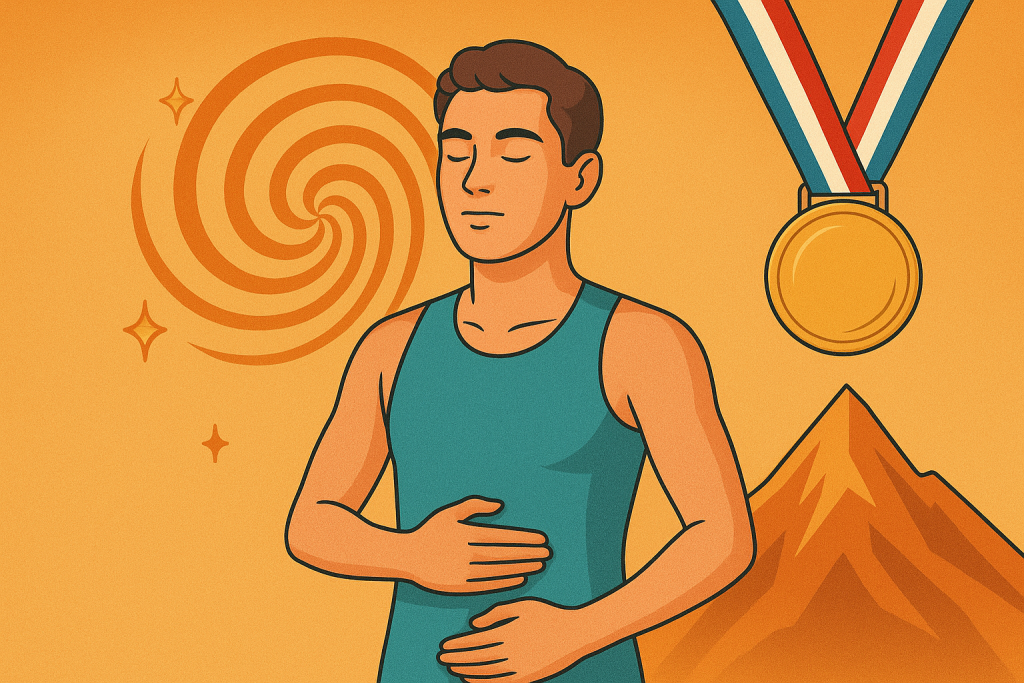

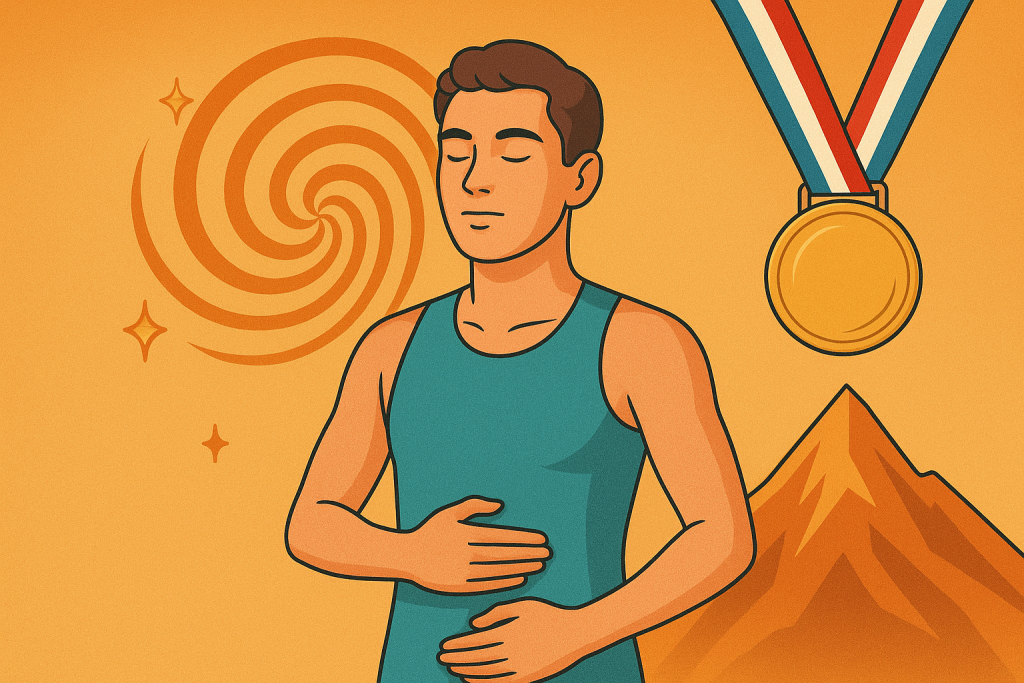
Hypnosis for athletes and medalists: a path to peak performance
The beginning of the path to the peaks
In today's world, many athletes are so close physically and technically that the mind makes the ultimate difference. Imagine Ali, a young taekwondo practitioner, always excelling in practice; But when he reached the end of the race, his breath was short and his hands were shaking. His teacher introduced him to hypnosis; After a few sessions, he learned how to calm his body and calm his mind before the start of the race. The same Ali who used to lock down the middle of the match, now wins his game with the same body, only with a more organized mind. This is magic without magic.
What is hypnosis and how does it work?
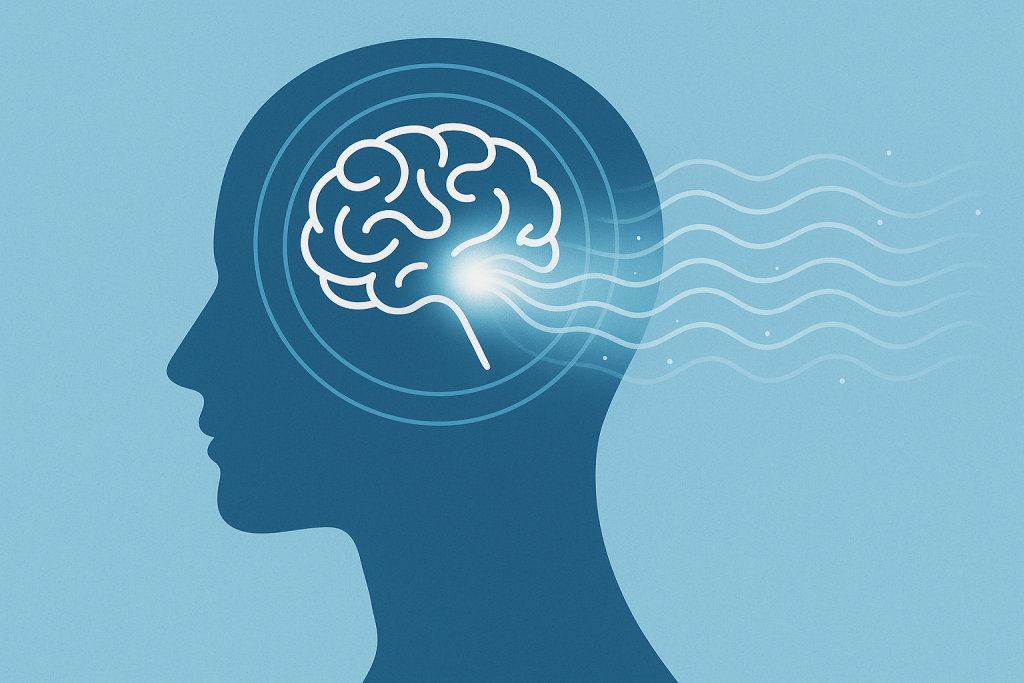
Hypnosis is a natural state of deep concentration and relaxation; Something like when you are immersed in a movie and your attention is distracted. In this case, distractions will be less and your mind will be prepared to accept useful things better.1. What does the body change?
When you relax and your breathing becomes even, the body comes out of the "emergency standby" mode. The heart rate will decrease slightly, the blood pressure will be more balanced and your breathing will be deeper. This means a body that is more ready for precise and long execution. (Jensen et al., 2017)
2. What does the mind change?
The unconscious mind is like a warehouse where beliefs and memories are stored. Some of these help us, some of them stop us; Like "I always screw up at the last minute." Hypnosis helps us identify these disturbing sentences and replace them with efficient sentences; For example, "I am calm and accurate even under pressure." This change will become automatic little by little and will be given to you in the middle of the match.
Uses of Hypnosis for athletes
-
Focus like a laser
Sarah, the shooter, said that the noise of the crowd and disturbing thoughts scattered her concentration. In the hypnotic exercises, he learned how to reduce the "congested channel" and focus only on the cue and his breath. The result? Fewer minor errors and more stable scores. Using hypnosis for athletes can control the anxiety of the competition. (Vealey, 2007)
-
Concentration and self-confidence with Hypnosis for athletes
After a bitter loss, the brain keeps repeating the same scene. With simple and correct insinuations in a state of relaxation, the belief "I can" is revived. This belief is the difference between "I hit it and maybe it will happen" and "I hit it and it happens".
-
Competitive anxiety management (without locking)
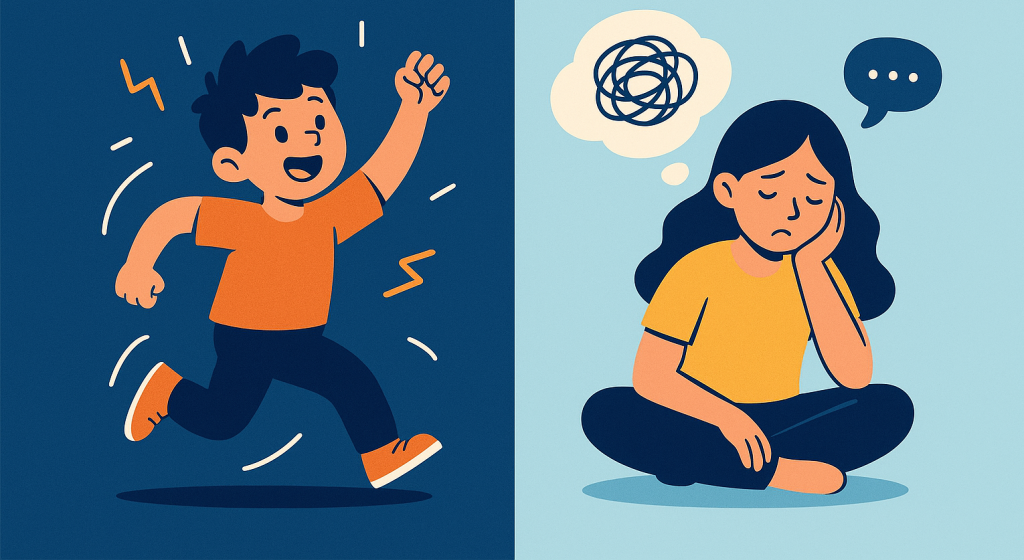
That "stuck under pressure" when the body suddenly doesn't listen, becomes less and less with breathing exercises, relaxation and visualization. The player learns to channel the energy of stress into focus, not misdirection. (Liggett, 2000)
-
rehabilitation of injuries; Faster and more bearable
Hypnosis helps the pain to be less painful and the body recovers more calmly. Athletes who do mental exercises along with physical therapy often go through the treatment period with more hope and discipline. Hypnosis for athletes prepares not only the mind but also the body. (Mendoza, 2025)
-
Lasting useful habits and quality sleep
From emotional eating to insomnia on the night of the race; Short hypnotic exercises help you stick to a schedule and sleep more deeply. Good sleep = better recovery = better performance.
Practical tip of the match day:
Three minutes before the start: 4 seconds inhale, 6 seconds exhale; 6 rounds Then a short picture of your successful move. Then a simple sentence: "calm, accurate, the same practice". That's it.

Simple techniques that really work
1. Real mental imagery (like a first-person movie)
Eyes closed, body relaxed. Create the scene you want in detail: what you see, hear and feel. For example, a skier reviews the track from start to finish with turns and the sound of snow. The brain takes these images seriously and makes the neural pathways for successful execution stronger.
2. Progressive muscle relaxation (from feet to face)
Contract each muscle group slowly for 5 seconds, release for 10 seconds. Start from the paws to the face. The result? A relaxed but awake body; Not too excited, not bored.
3. Personal focus key (conditional tag)
When you are at the peak of concentration and in a good mood, make a simple movement; For example, thumb contact. "Pair" this pose with that move a few times. Later, the same movement becomes a switch to quickly return to focus.
| day | Exercise | Duration | Note |
|---|---|---|---|
| 1-3 | 4/6 breathing + muscle relaxation | 10-12 minutes | every night before bed |
| 4-6 | Visualize the match scenario | 8-10 minutesAfter warming up | |
| 7-8 | Short personal prompts | 3-5 minutes | Simple and positive sentences |
| 9-10 | focus key + overview | 5 minutes | Fixed physical token |
evidence and research
Studies have shown that hypnosis exercises can increase concentration, lower anxiety and strengthen self-confidence; In some fields, scores have also improved. Hypnosis for athletes prepares not only the mind but also the body. href="https://psycnet.apa.org/record/2007-01666-021">Vealey, 2007; Jensen et al., 2017
Fair word:
No method is an overnight miracle. Hypnosis gives results when it is done regularly and properly, like physical exercise, with a trained coach or therapist.
Frequently Asked Questions
What exactly does hypnosis help?
It takes your body and mind from a busy and restless state to a calm and focused state so that the same abilities you have can be implemented better; From concentration to better sleep and tolerating the pain of rehabilitation.
Suitable for all disciplines?
Almost yes; From individual sports such as shooting and athletics to team sports such as football and volleyball. The principle of work is the same: relaxation + concentration + mental exercise.
How many sessions do I need to see results?
Some people become calmer and more collected after one or two sessions; For deeper and lasting change, usually 4 to 8 training sessions are necessary.
Am I out of control?
No; In therapeutic hypnosis, you are conscious and decision-making. No one can force you to do something against your values.
Few last words
Hypnosis is a quiet way to improve what you have. It is not a pill, nor a strange tool; You just learn how to align your mind and body with the right breath, image and words. When these three sit together, the peaks become closer.
sources
Jensen, M. P., Jamieson, G. A., Lutz, A., Mazzoni, G., McGeown, W. J., Santarcangelo, E. L., & Terhune, D. B. (2017). New directions in hypnosis research: Strategies for advancing the cognitive and clinical neuroscience of hypnosis
Liggett, D. R. (2000). Sport Hypnosis. Human Kinetics
Mendoza, M. E. (2025). Hypnosis for pain management and recovery in sport. Journal of Sport Psychology in Action, 10(1), 1–10
Vealey, R. S. (2007). Mental skills training in sport. In G. Tenenbaum & R. C. Eklund (Eds.), Handbook of sport psychology (3rd ed., pp. 287–309). John Wiley & Sons
به قله عملکردت نزدیکتر شو
تصور کن وسط مسابقه هستی؛ قلبت تند میزند، دستت میلرزد، اما یک نفس عمیق همه چیز را آرام میکند. تمرکزت مثل لیزر میشود و هر حرکتت دقیق و درست اجرا میشود. هیپنوتیزم، راز پنهان ورزشکاران حرفهای است. با تکنیکهای ساده ذهنی و تصویرسازی، میتوانی اضطراب را کنترل کنی، اعتمادبهنفست را بالا ببری و از همان تواناییهای بدنت بهترین استفاده را ببری. جلسات کوتاه و عملی ما در مطب روانشناسی و مشاوره محسن درخشان نسب در شهریار و تهران، به تو یاد میدهیم چطور ذهن و بدن را همجهت کنی تا هر مسابقه، تمرین و بازتوانی را با قدرت بیشتر پشت سر بگذاری. اگر آمادهای که قدرت واقعی ذهنت را آزاد کنی و با آرامش و اعتمادبهنفس در میدان بدرخشی، همین امروز قدم اول را بردار و با من تماس بگیر.
نویسنده مقاله: محسن درخشاننسب – روانشناس بالینی، پژوهشگر، هیپنوتیزم درمانگر، نویسنده و رواندرمانگر در شهریار و تهران.
© 1404 مطب روانشناسی محسن درخشان نسب | همه حقوق محفوظ است.
در صورت داشتن هرگونه ابهام و یا سوالی درباره مقاله “ هیپنوتیزم برای ورزشکاران و مدال اوران ” در انتهای همین صفحه ( بخش دیدگاه ) سوالتان را مطرح نمایید. They will answer your questions as soon as possible