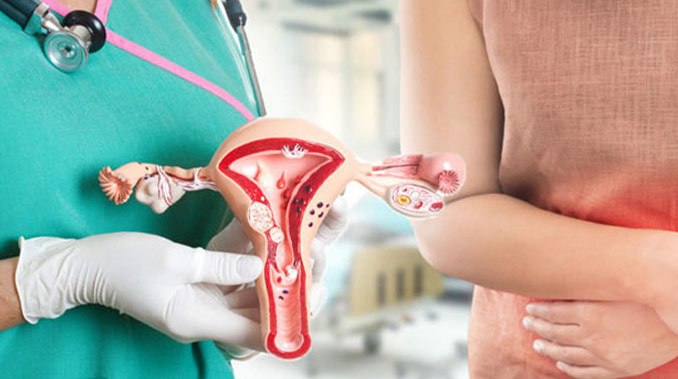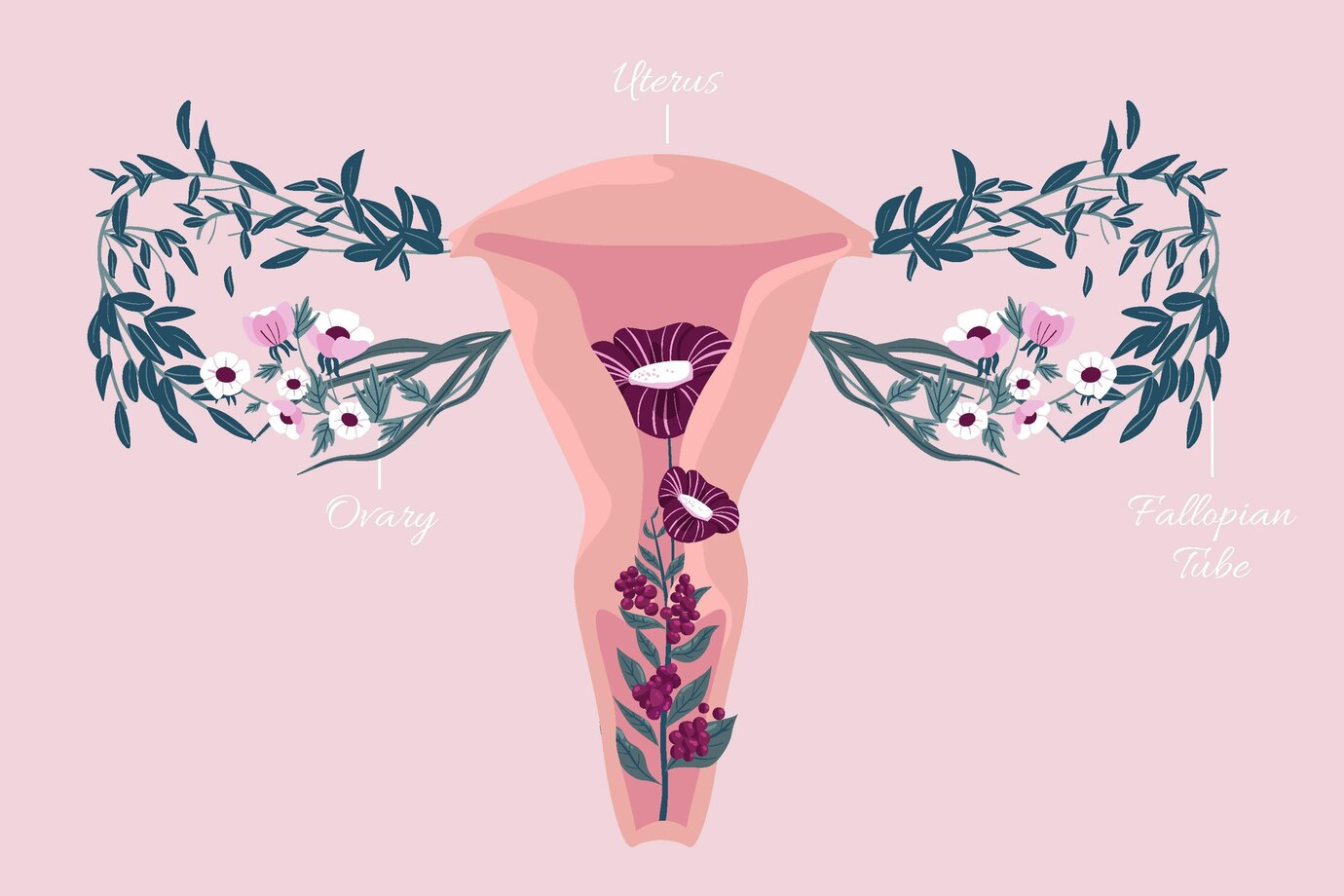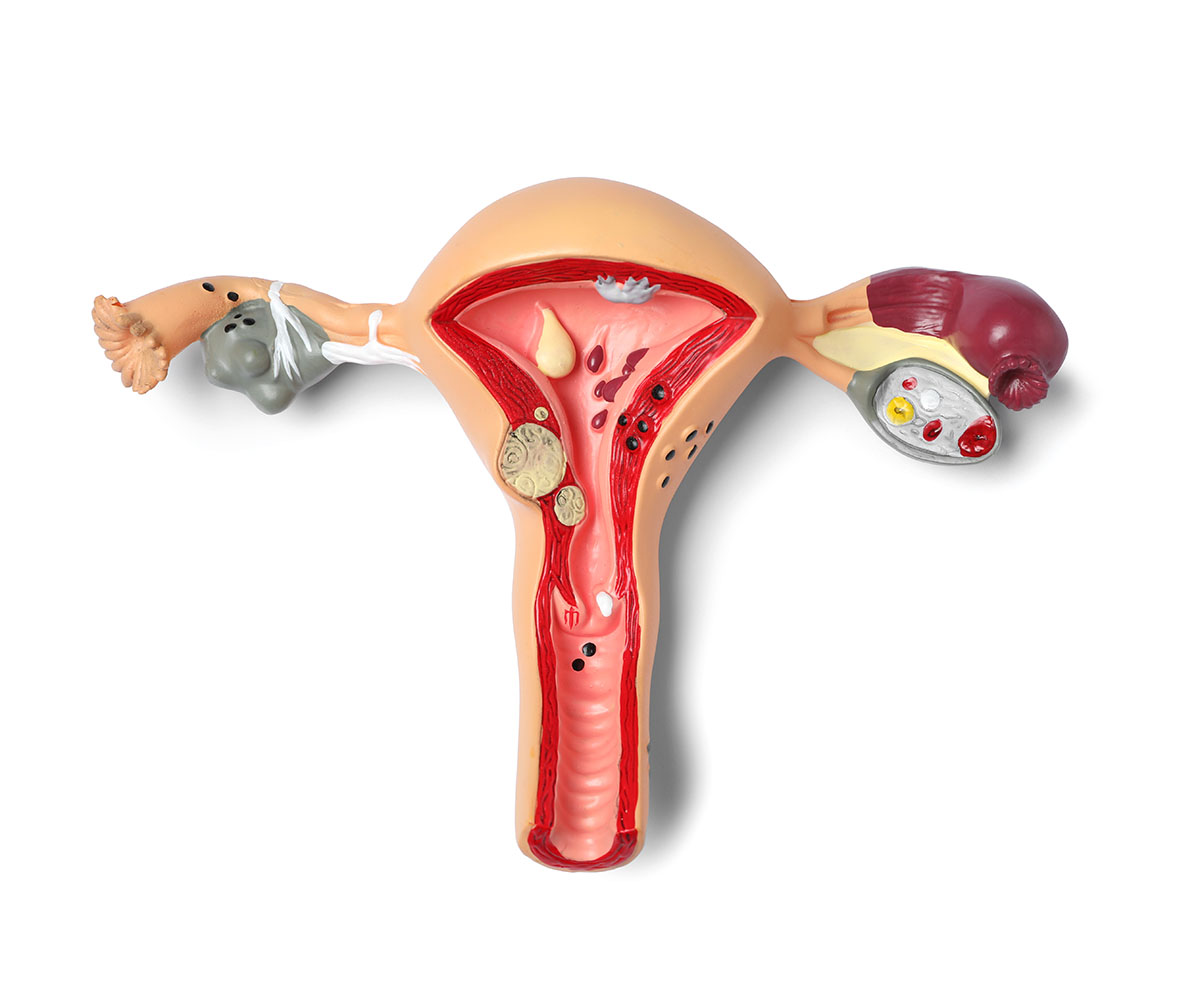

فیبروم رحم یکی از شایعترین تومورهای خوشخیم در بین زنان به شمار میرود که تأثیرات قابل توجهی بر کیفیت زندگی آنان دارد. این رشد غیرطبیعی بافت عضلانی در دیواره رحم، میلیونها زن در سراسر جهان را تحت تأثیر قرار میدهد. فیبروم رحم میتواند در اندازهها و مکانهای مختلفی ظاهر شود و علائم متنوعی از خونریزی شدید قاعدگی تا درد لگنی ایجاد کند. درک صحیح از ماهیت فیبروم رحم، علائم هشداردهنده، عوارض احتمالی و روشهای درمان مختلف برای هر زنی ضروری است. در این مقاله به بررسی جامع تمامی جنبههای مرتبط با فیبروم رحم میپردازیم.
فیبروم رحم چیست؟
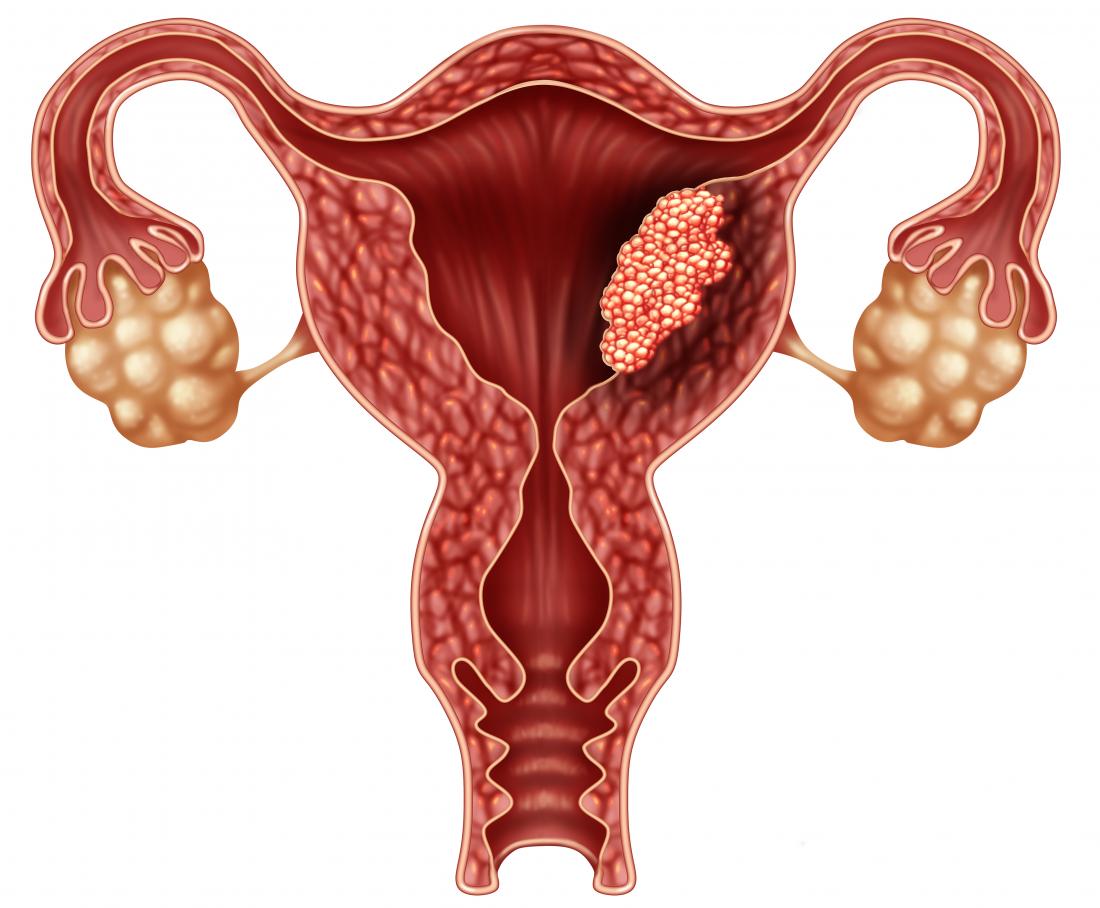
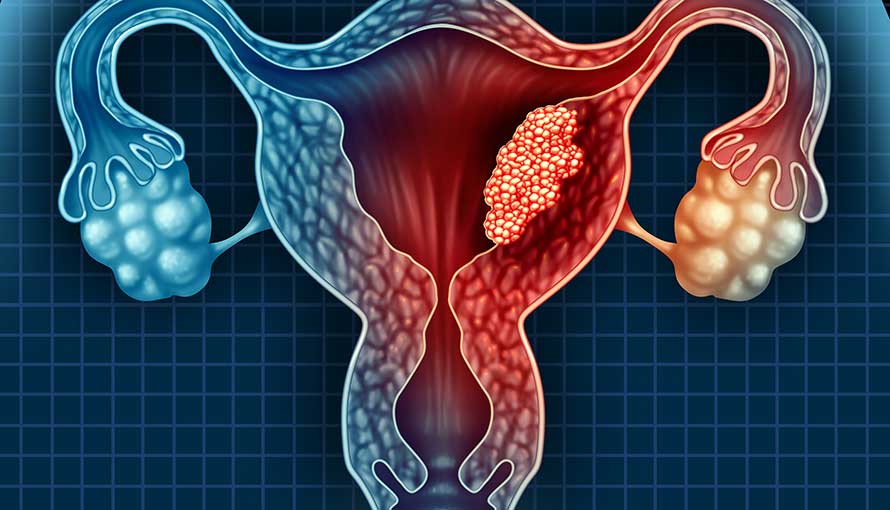
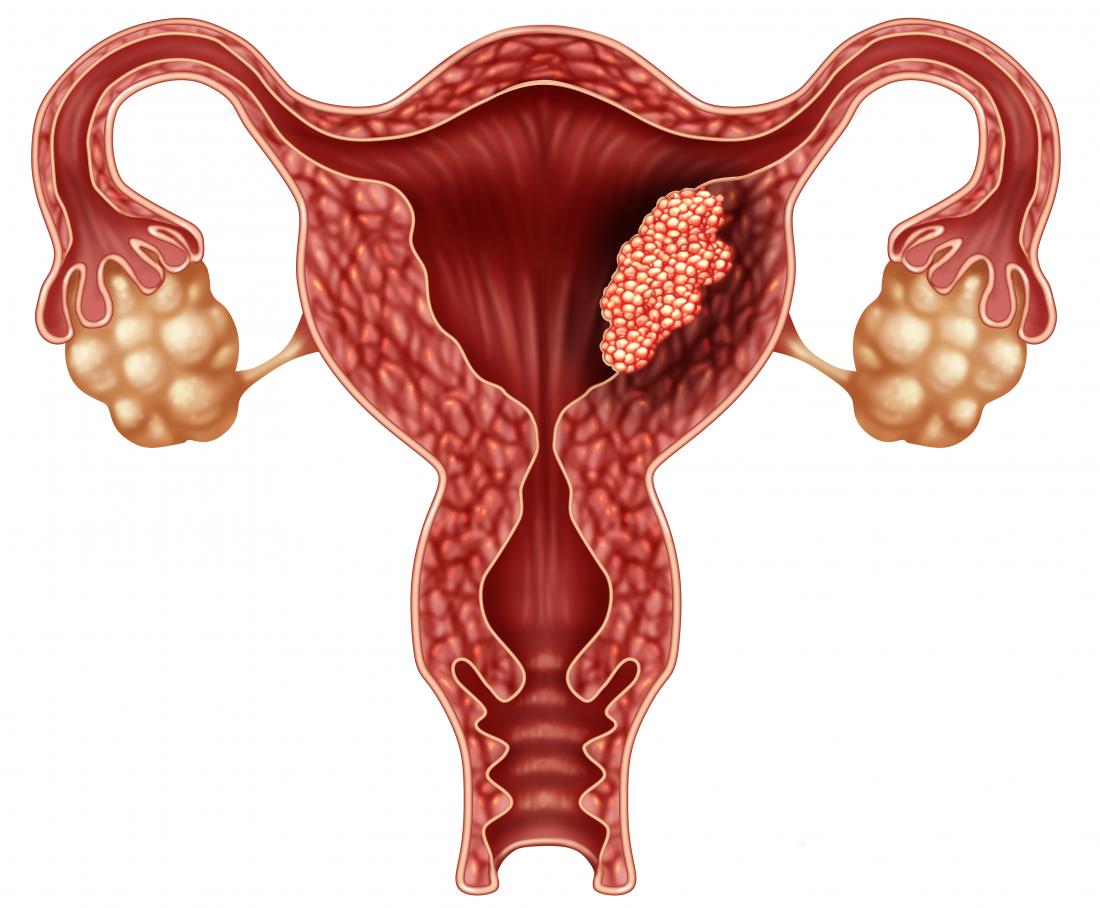
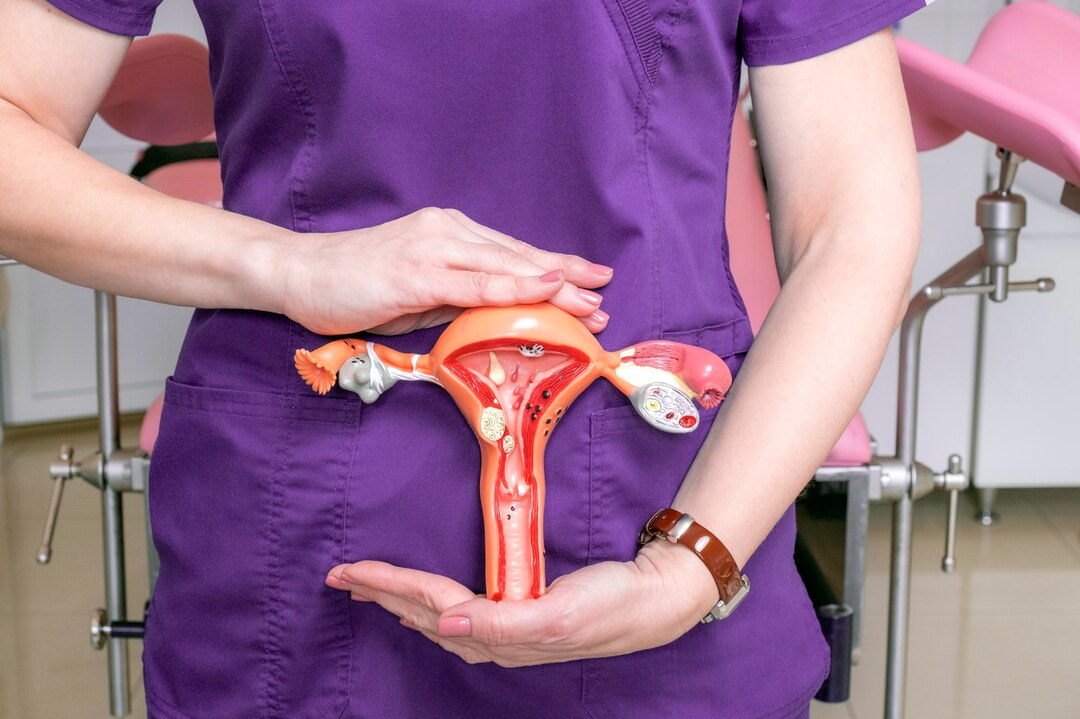
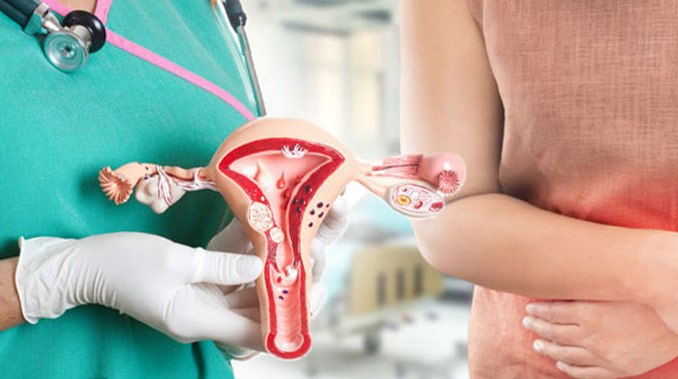
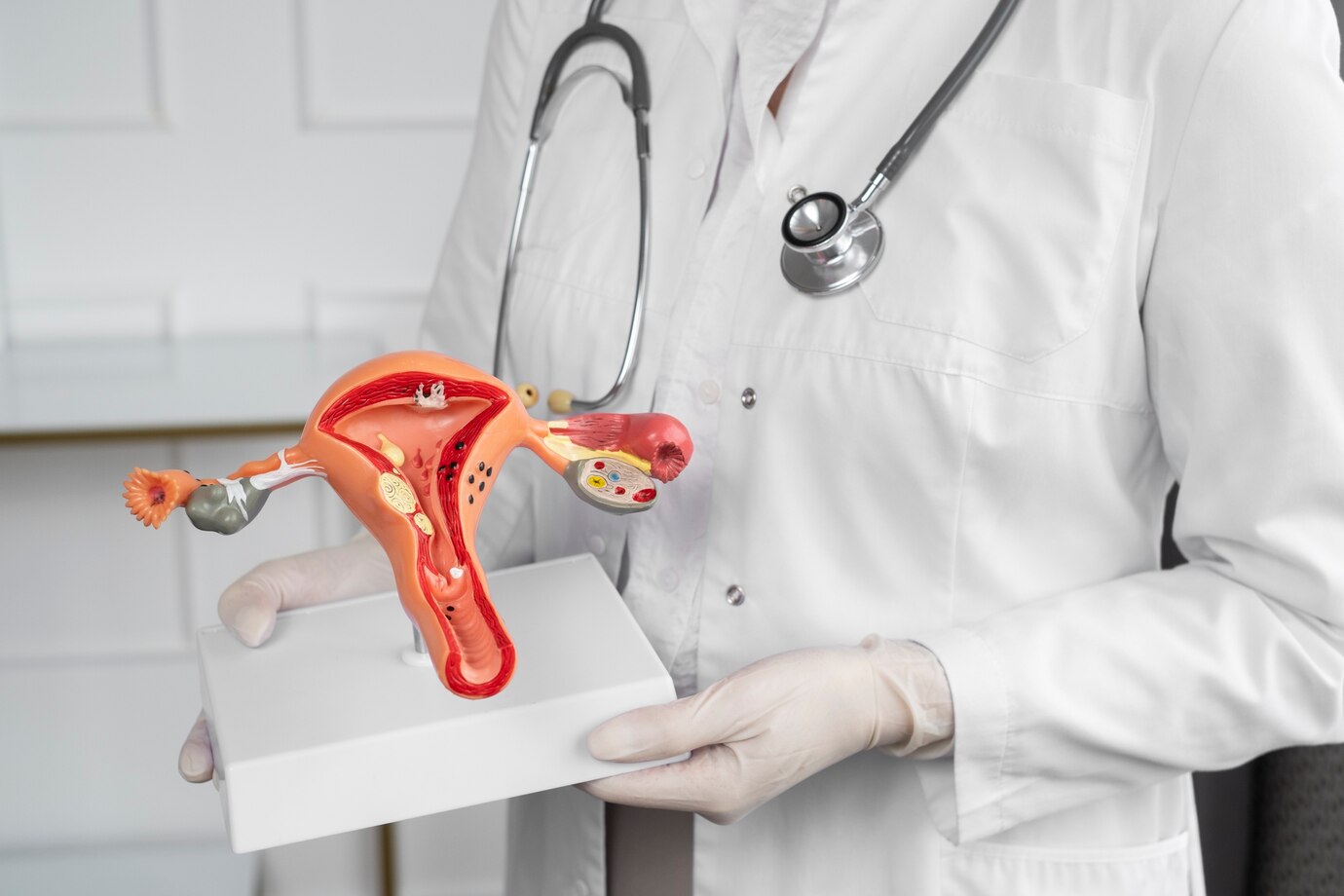
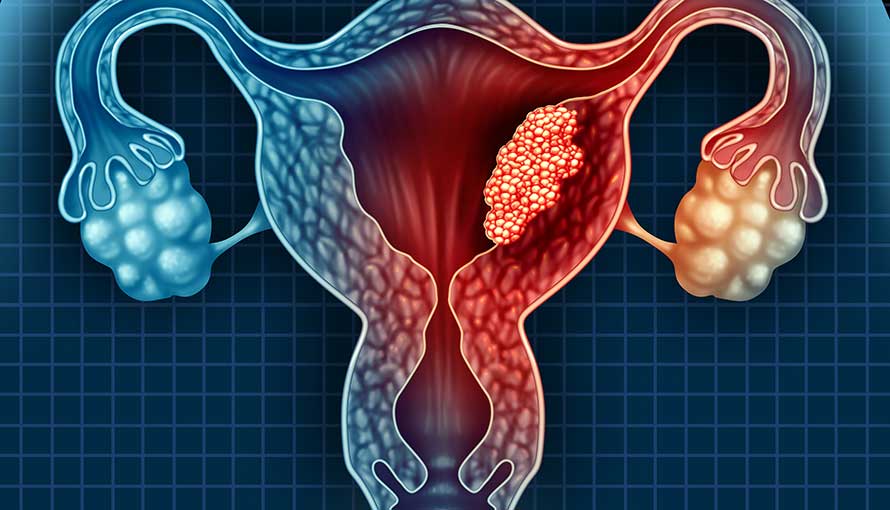
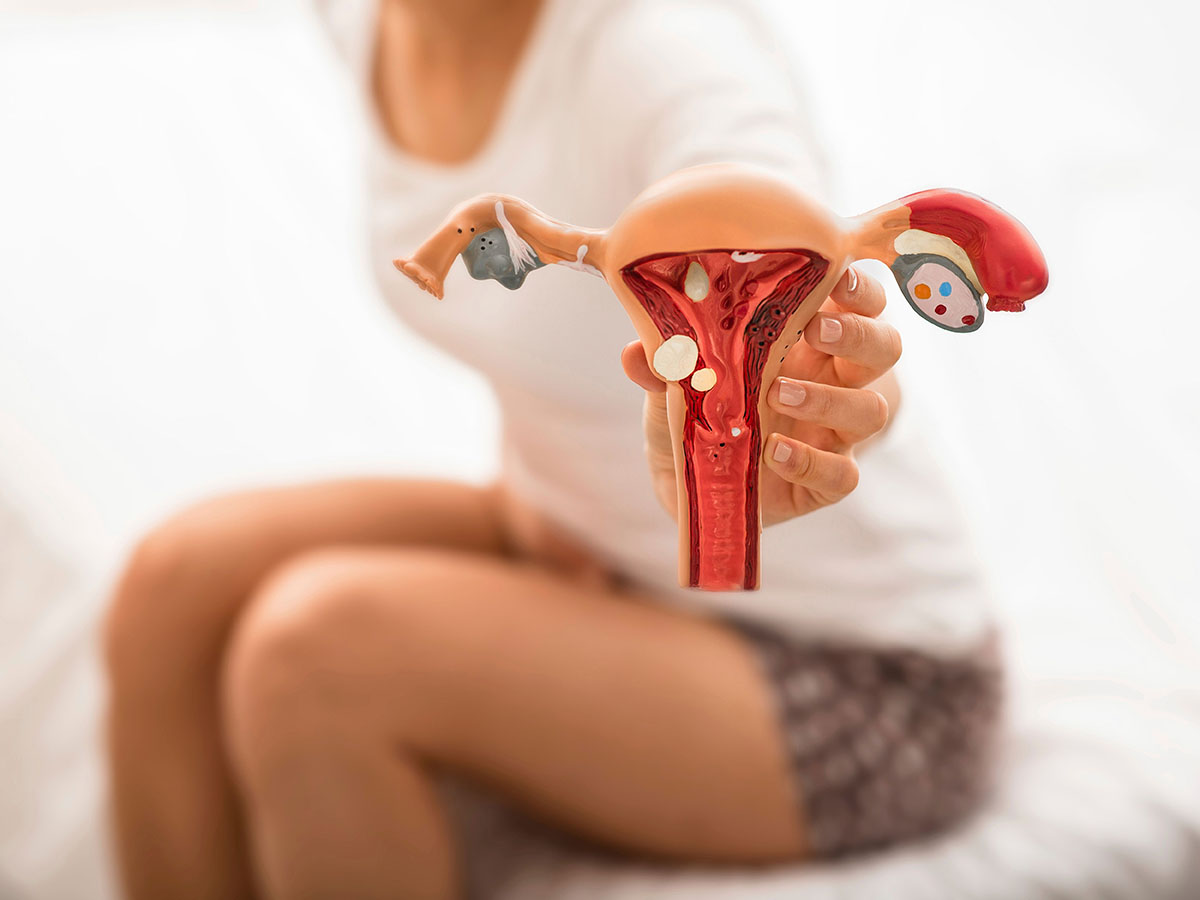
فیبروم رحم عبارت است از تودههای خوشخیم که از بافت عضلانی و فیبری رحم تشکیل میشوند. این تومورهای غیرسرطانی در دیواره رحم رشد میکنند و از نظر اندازه میتوانند از ذرات میکروسکوپی تا تودههای بزرگ متغیر باشند. فیبروم رحم بر اساس موقعیت رشد به سه دسته تقسیم میشود: فیبروم زیرمخاطی که در زیر پوشش داخلی رحم قرار دارد، فیبروم داخل دیوارهای که در ضخامت دیواره عضلانی رحم رشد میکند و فیبروم زیرصفاقی که در سطح خارجی رحم قرار میگیرد.
هورمونهای استروژن و پروژسترون نقش مهمی در رشد فیبروم رحم دارند. این هورمونها که در دوران باروری زنان به مقدار زیاد تولید میشوند، رشد فیبروم رحم را تحریک میکنند. For this reason, uterine fibroids usually shrink or even disappear after menopause when hormone levels decrease.
Uterine fibroid symptoms
The most important symptoms that uterine fibroids cause in affected people are as follows:
1. Heavy menstrual bleeding
One of the most common and annoying symptoms of uterine fibroids is heavy bleeding during menstruation. This bleeding can affect women's daily routine and limit normal activities. Uterine fibroids increase menstrual bleeding by changing the shape of the uterine cavity and increasing the surface of the endometrium. Women with uterine fibroids may need to change pads or tampons more frequently and their periods may be longer than usual. Severe abdominal pain with bleeding may also be experienced.
2. Abdominal and pelvic pain
This pain is usually felt in the lower abdomen and pelvic area and may also spread to the back and thighs. Uterine fibroids cause chronic pain by putting pressure on nearby organs. The intensity of pain depends on the size, location and number of fibroids. Some women experience mild, tolerable pain, while others experience severe, debilitating pain.
3. Feeling of pressure and heaviness
The feeling of pressure and heaviness in the abdomen and pelvis is a specific symptom of uterine fibroids that many women experience. This feeling is caused by the presence of uterine fibroid masses in the uterus and their pressure on the adjacent organs. Affected women usually feel that there is a heavy object in their abdomen, which causes constant discomfort. This pressure can affect the bladder, intestines and surrounding nerves and cause side symptoms.
4. Urinary disorder
Disturbance in urination is one of the disturbing symptoms of uterine fibroids, which occurs when the fibroids put pressure on the bladder. This pressure can change the normal pattern of urine and cause various problems. Women with uterine fibroids may have a frequent need to urinate, even when the bladder is not completely full. This state can disrupt night sleep and cause daily fatigue.
5. Constipation and digestive problems
Constipation and digestive problems are among the symptoms of uterine fibroids that occur when the fibroids put pressure on the intestines. This pressure can disrupt the natural movement of the intestines and slow down the digestion process. Women with uterine fibroids may have less frequent bowel movements and may have difficulty passing stool. This problem can cause the accumulation of gas in the intestines and cause bloating and abdominal discomfort. Some women also report that they feel full early after eating.
6. Pain in sexual relations
Pain in sex is one of the symptoms of uterine fibroids, which has a profound effect on the quality of married life. This pain usually occurs when fibroids are located in sensitive parts of the uterus or are caused by pressure on nearby organs. Women with uterine fibroids may experience pain during penetration or during intercourse. This pain can be acute and sudden or appear as a feeling of stretching and pressure. Different sexual positions may increase or decrease the pain. This problem not only causes physical discomfort, but also has psychological effects and may cause anxiety and avoidance of sexual relations.
What are the complications of uterine fibroids?
Uterine fibroid will cause the following complications if neglected and not properly treated:
· Anemia and iron deficiency
Iron deficiency anemia is one of the most important complications of uterine fibroids, which occurs as a result of severe and chronic menstrual bleeding. This condition occurs when the amount of iron lost through bleeding is greater than the iron absorbed through food. Women with uterine fibroids lose significant amounts of iron due to heavy bleeding, which the body cannot compensate for. Symptoms of anemia include chronic fatigue, general weakness, shortness of breath, dizziness and palpitations. Pale skin, brittle nails and hair loss are also symptoms of this condition.
· Pregnancy problems
Infertility and pregnancy problems are serious complications of uterine fibroids that can have a profound effect on women's lives. Depending on its location and size, uterine fibroids can disrupt the pregnancy process at different stages. Submucosal fibroids may prevent the implantation of the embryo or cause frequent miscarriage. Large fibroids can reduce the space inside the uterus and limit the growth of the fetus. During pregnancy, uterine fibroids may enlarge due to increased hormone levels and cause complications such as pain, bleeding, or premature labor. These fibroids can also change the position of the fetus and cause the need for cesarean section.
· Pressure on adjacent members
Pressure on nearby organs is one of the important complications of uterine fibroids, which occurs when the size of fibroids reaches a point where they affect the surrounding organs. This pressure can disturb the normal function of different organs and cause various symptoms. Pressure on the bladder causes urinary problems, a constant feeling of needing to urinate, and in severe cases, urinary retention. Pressure on the intestines also leads to constipation, bloating and digestive problems.
· Chronic pelvic pain
Chronic pelvic pain is one of the most debilitating complications of uterine fibroids, which has a significant impact on the quality of life of patients. This pain is usually persistent and long-lasting and may spread to different areas of the body. Uterine fibroids cause chronic pain by stimulating local nerves and causing inflammation. This pain can interfere with sleep, work and daily activities. The intensity of pain may change during the month and intensify during menstruation. Some women report that the pain spreads to the back, thighs and even legs.
· Hormonal changes
Uterine fibroids may disrupt the body's natural hormonal balance due to sensitivity to estrogen and progesterone hormones. This hormonal disorder can affect the menstrual cycle and cause menstrual irregularities. Some women experience changes in mood, feeling tired and low energy. Hormonal changes can also affect body weight, fat distribution, and even bone health.
· Psychological and social complications
The psychological and social effects of uterine fibroids are often overlooked, while they have a profound impact on women's lives. Chronic pain, heavy bleeding and physical limitations caused by uterine fibroids can cause mental stress. Many affected women experience feelings of hopelessness, depression and anxiety. Fear of not being able to conceive can also cause significant stress. Restrictions in social and occupational activities also affect the relationships and performance of the person. Psychological support, counseling and proper treatment of uterine fibroids can reduce these complications and improve the quality of life.
Uterine fibroids in girls
Uterine fibroids in young girls, although rare, may occur and require special attention. Usually, uterine fibroids are more common in women over the age of 30, but in some cases, teenage girls may also experience this problem. Symptoms of uterine fibroids in young girls include painful menstruation, heavy bleeding, abdominal pain, and a feeling of pressure in the pelvis.
Diagnosing uterine fibroids at this age can be challenging because its symptoms can be confused with other puberty-related problems. Regular follow-up and periodical examinations can help early diagnosis and proper treatment.
Symptoms of uterine fibroid rupture
If the uterine fibroid reaches the stage of bursting, it will cause the following symptoms for the patient:
· Severe and sudden pain
This pain is usually very acute and unbearable and may occur at any moment. The pain of a ruptured uterine fibroid is different from the normal pain associated with fibroids and is much more intense. This pain is often felt in the abdomen and pelvis and may spread to the back and thighs. The intensity of the pain is such that the patient is unable to perform normal activities.
· Abnormal bleeding
Abnormal bleeding is one of the warning signs of uterine fibroid rupture, which may appear in different ways. This bleeding is usually heavier than normal bleeding associated with uterine fibroids and starts suddenly.
· Fever and chills
Fever and chills are important symptoms of uterine fibroid rupture that indicate infection or severe inflammation in the uterus. When uterine fibroids become necrotic or rupture, the dead tissue can lead to infection. The fever is usually high and persistent and will be accompanied by severe chills. These symptoms indicate the reaction of the body's immune system to the infection.
· Nausea and vomiting
Nausea and vomiting are common symptoms of uterine fibroid rupture, which are usually accompanied by severe pain. These symptoms indicate shock and the body's strong reaction to pain and internal bleeding. Nausea is usually persistent and severe, sometimes leading to repeated vomiting. Patients are unable to keep food or fluids down, which can lead to dehydration. These symptoms appear along with dizziness and general weakness.
· Lower blood pressure
Decreasing blood pressure is one of the dangerous symptoms of uterine fibroid rupture, which indicates severe internal bleeding. This drop in blood pressure usually occurs gradually or suddenly and can lead to shock. Patients experience dizziness, severe weakness and even fainting. The pulse may also become fast and weak. In this case, the patient's skin becomes cold, wet and pale. These symptoms indicate a decrease in blood volume in the body.
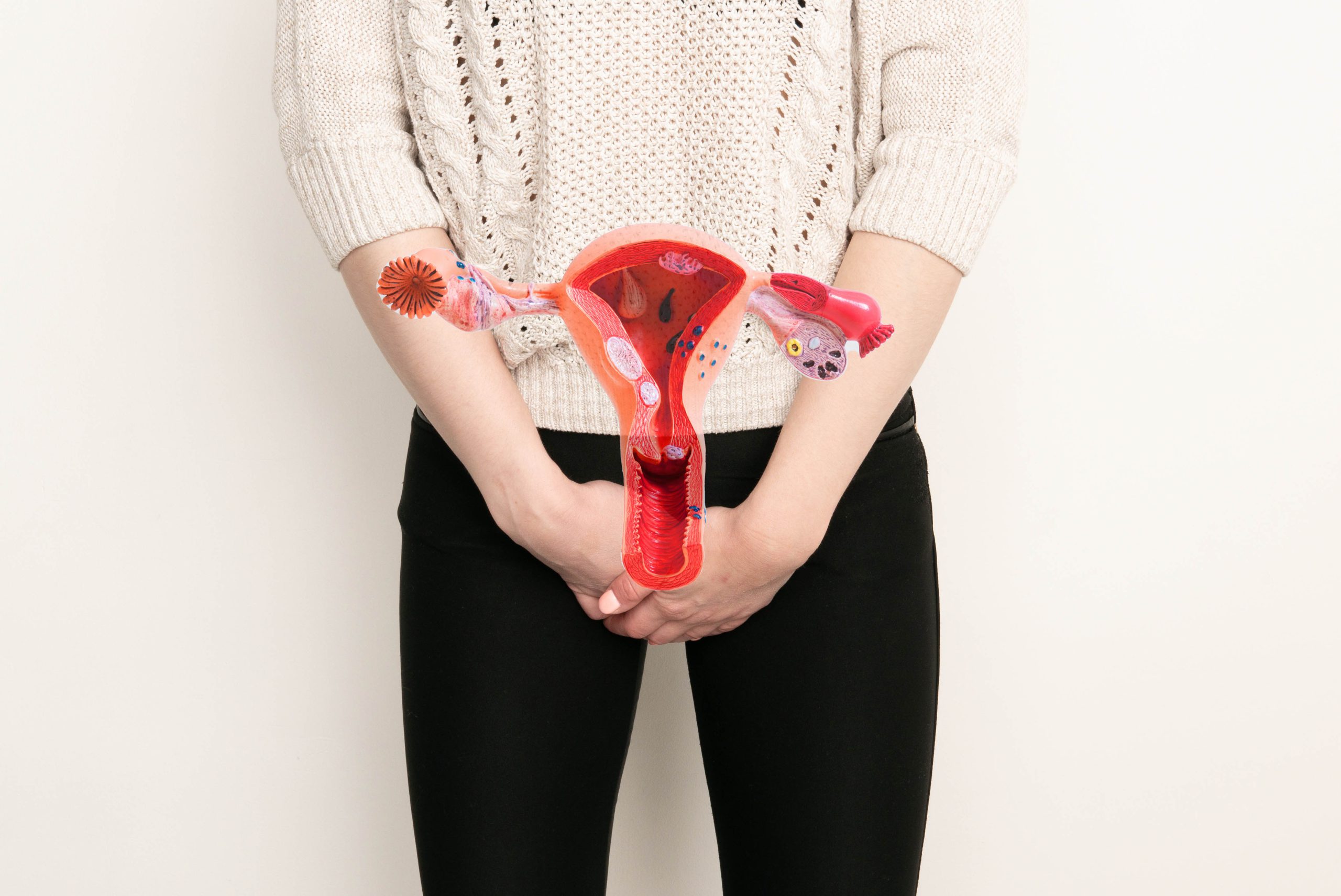
Uterine fibroid treatment depends on various factors such as size, location, number of fibroids, severity of symptoms and age of the patient. Uterine fibroid treatment methods include drug treatments, minimally invasive methods and various surgeries. Drug treatment of uterine fibroids usually involves taking hormones that control the growth of fibroids. GnRH agonists, which reduce estrogen levels, are a popular drug option.
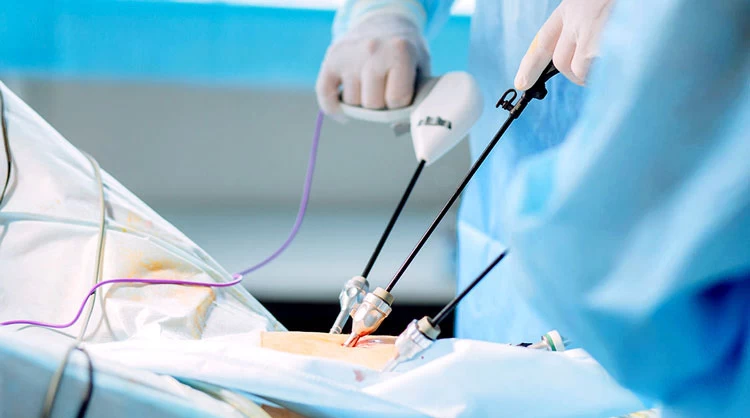
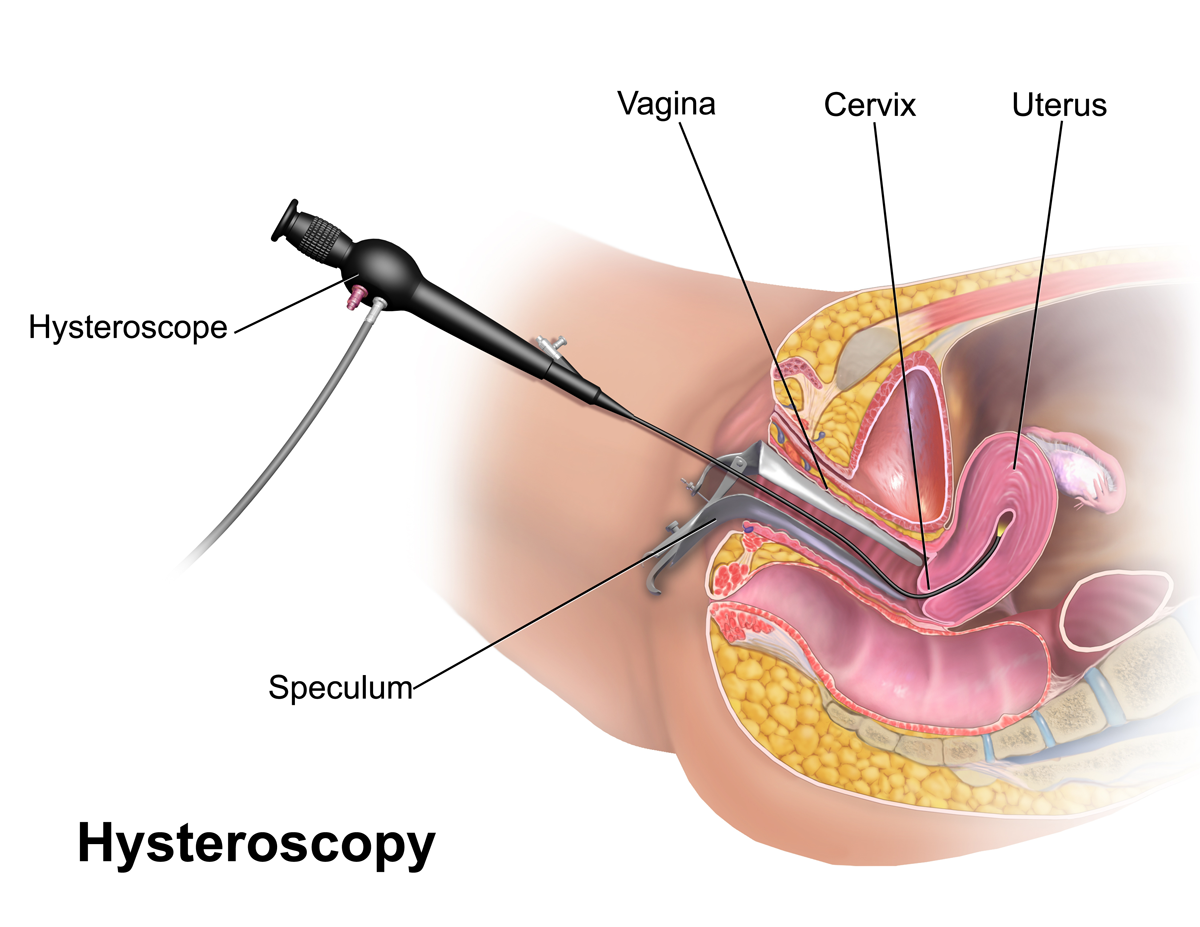
Minimally invasive procedures such as uterine artery embolization (UAE) and fibroid ablation with ultrasound (MRgFUS) are suitable options for women who wish to preserve the uterus. These methods reduce the blood flow to the uterine fibroid and cause it to shrink. Myomectomy surgery, which involves the removal of fibroids while preserving the uterus, is suitable for women who wish to become pregnant.
Hysterectomy or complete removal of the uterus is the last treatment option for uterine fibroids, which is usually recommended for women who do not plan to become pregnant and have severe symptoms. Choosing the treatment method should be done with the full consultation of a specialist doctor and considering all aspects related to the patient's health and life.
The best doctor to treat uterine fibroids
Choosing the right specialist to treat uterine fibroids is one of the most important decisions in the treatment process. Dr. Gitti Ghezi is considered one of the leading specialists in the field of uterine fibroid treatment, who has extensive experience in various treatment methods.
Choosing a gynecologist and obstetrician who has special expertise in the treatment of uterine fibroids is essential to achieve the best results. Because the right specialist for the treatment of uterine fibroids must have enough experience in performing different treatment methods and be able to provide comprehensive advice about different treatment options. Visiting Dr. Gitti Dassi will guarantee receiving the best care and reducing the risk of complications.
Concluding remarks
Uterine fibroid is one of the most common female problems that has a significant impact on the quality of life of millions of women around the world. These benign tumors, which are formed from the muscle tissue of the uterus, cause a wide range of symptoms from heavy menstrual bleeding to chronic pelvic pain.
Knowing the symptoms of uterine fibroid correctly, such as feeling of pressure, urinary disorders, digestive problems and painful intercourse, is essential for early diagnosis and effective treatment. Fortunately, there are a variety of treatment options for uterine fibroids, from medications to minimally invasive techniques and advanced surgeries. Choosing an experienced specialist such as Dr. Qiyazi and a suitable treatment center plays a key role in the success of the treatment.