
Table of Contents
A stroke occurs when blood flow to a part of the brain is blocked or interrupted. This prevents oxygen and nutrients from reaching brain cells for survival. Although symptoms before a stroke appear suddenly, in some cases there may be warning signs among them, which we will discuss in this article from your doctor. But we must say that if you experience sudden severe headaches without any reason, it is better to consult a neurologist. You can use your doctor's system to make an appointment online or consult with doctors by text and phone.
What are the symptoms before a stroke?
Stroke symptoms usually appear suddenly, but that doesn't mean you won't have time to act. Some people may experience symptoms such as headache, numbness, or tingling days before a serious stroke. One study found that 43% of stroke patients experienced symptoms of a minor stroke up to a week before a major stroke. The most common symptoms before a stroke include:- falling of the face (crooked smile) Weakness or numbness in the arm
- Speech problems such as stuttering or difficulty in repeating a sentence
- Severe and sudden headache
- Sudden dizziness, loss of balance or coordination of limbs
- Loss of vision or sudden changes in vision in one or both eyes
- Feeling confused or having trouble understanding issues that are usually easy for a person
- Numbness or weakness on one side of the body (or in one arm or leg)
English text:
healthline
Another possible warning sign of a stroke is a TIA, also known as a “ministroke.” A TIA occurs when the blood supply to part of your brain is interrupted for a short period of time. While the symptoms of a TIA can mimic those of a stroke, the symptoms usually disappear within an hour and rarely cause permanent damage. In some cases, symptoms can persist for up to 24 hours. Another warning sign of a stroke is a transient ischemic attack (TIA), also known as a "mini-stroke". This attack occurs when blood flow to a part of the brain is interrupted for a short period of time. While the symptoms of transient ischemia are similar to those of a stroke, they usually disappear within an hour and rarely cause permanent damage. In some cases, symptoms may last up to 24 hours.

1. Severe and unprecedented headache
Although this does not apply to all strokes, in some cases, a certain type of headache can be the first sign of a stroke. According to the results of a research conducted in 2020 on 550 adults, it was found that 15% of the participants had sentinel headache before ischemic stroke. A type of headache (anticipatory headache) that occurs before an event, especially a week before the stroke. These headaches in the research participants were usually severe or different from previous headaches.Furthermore, these headaches started within 7 days before the stroke and usually continued until the onset of stroke symptoms. It was also found that participants who had pre-stroke headaches were more likely to have atrial fibrillation (a type of arrhythmia).
2. Blurred vision or vision problems
In general, the following symptoms of a stroke appear suddenly and seemingly without reason: Blurred vision or trouble seeing or partial or complete loss of vision are signs of a stroke. Sudden changes in vision may also have other causes. But if next to blurred vision, symptoms such as weakness or numbness in the face, arm or leg especially on one side of the body; If you have confusion or difficulty speaking or understanding speech and have blurred or double vision in one or both eyes, be sure to see a doctor.
3. Profuse perspiration
Excessive sweating can be a pre-stroke symptom, but it is not specifically recognized as a symptom. In some people, abnormal sweating may occur as part of the body's response to stress or sudden changes in health. If severe sweating is accompanied by other stroke symptoms such as weakness, confusion, or vision changes, it is important to see a doctor immediately.
4. Difficulty moving and maintaining balance
Difficulty moving and maintaining balance is one of the important symptoms that can be considered as a sign of a stroke. These problems usually appear suddenly and without warning and indicate serious disorders in the functioning of the brain. Loss of balance, especially when standing or walking suddenly, is a warning sign of a stroke. The person may feel that they cannot keep their balance properly and fall easily. This can be due to a sudden weakness in the muscles or a disturbance in the nerve signals that are necessary to control the movements. Muscle weakness on one side of the body can also lead to movement problems. This weakness suddenly appears in the arm or leg of one side of the body and prevents a person from performing daily activities.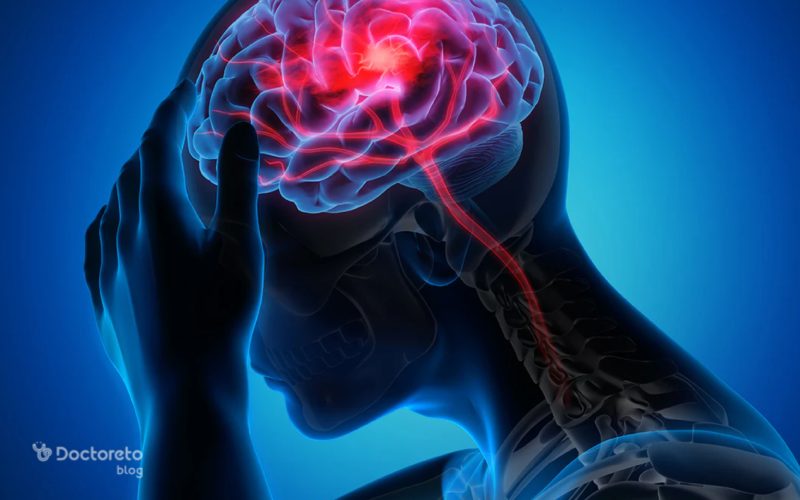
5. Weakness and numbness of arms and legs
Weakness and numbness of hands and feet that suddenly appears on one side of the body is one of the symptoms of blood not reaching the brain and It is one of the common warning signs before a stroke. These symptoms can specifically indicate impaired blood flow to the brain, resulting in nerve signals not reaching the muscles properly, leading to weakness or numbness.
When a person experiences sudden weakness in their arm or leg, they may feel like they can't move it well or have full control. This weakness is more common on one side of the body and can be associated with movement problems such as the inability to lift an arm or move a leg.
Numbness also means loss of feeling in an area of the body. A person may feel that part of his body has fallen asleep or gone numb, which is due to impaired blood supply to certain areas of the brain or loss of nerve connections. Although these symptoms may not seem alarming at first, they can be signs of a stroke. Go to the emergency room right away, especially if these symptoms appear suddenly and are accompanied by other stroke symptoms such as speech problems, severe headache, or vision changes.
6. Difficulty pronouncing words
Another symptom before a stroke that occurs suddenly and due to brain dysfunction is the difficulty in pronouncing words that the person cannot speak correctly or pronounce words easily. This state can include stuttering, repeating words, or difficulty expressing thoughts.
Speech problems are usually accompanied by other stroke symptoms such as weakness or numbness on one side of the body, severe headache and changes in vision. If a person suddenly has trouble speaking, it is a sign of impaired blood supply to speech-related areas in the brain.
7. Chest pain
Chest pain is known as one of the symptoms of a heart attack, but in some cases it can also be a sign of a stroke. This pain is observed due to disruption in blood supply to the brain or pressure on blood vessels in people who have vascular problems. Chest pain is due to the activation of the nervous system or the body's response to an emergency situation, and in these cases, it may appear suddenly and severely and is accompanied by a feeling of pressure, heaviness, or burning. In some people, the pain spreads to other areas of the body, such as the shoulders, neck, or arms. Chest pain, especially when accompanied by other stroke symptoms such as sudden weakness in an arm or leg, speech problems, or changes in vision, can be a sign of a serious condition.
8. Nausea and vomiting
Nausea or sudden vomiting, fainting, confusion, convulsions or coma are less common symptoms before a stroke. A stroke that results in bleeding (too much blood in the brain) is known as a hemorrhagic stroke. If you have a hemorrhagic stroke caused by a gradual pooling of blood, you may experience symptoms such as headache, fatigue, and nausea or vomiting. These symptoms are caused by the pressure of extra blood on the brain tissues and will worsen over time. Quick diagnosis and proper treatment for this type of stroke is very critical, because it can help reduce complications and increase the chance of recovery.
Pre-stroke symptoms in women
Women account for about 60% of deaths from stroke. While men are more at risk of having a stroke, women are more likely to die from a stroke. This difference can be related to several factors including age, type of stroke and the presence of underlying diseases related to women such as high blood pressure or heart diseases. It is important to note that women should pay special attention to the symptoms of stroke and the risks associated with it so that they can take the necessary preventive and therapeutic measures. Numbness or weakness in the face, arm or leg, especially on one side of the body, suddenly and without warning, confusion, difficulty speaking or understanding speech are also pre-stroke symptoms seen in women.
English text:
stroke
But women are more likely to have additional symptoms, including nausea, loss of consciousness or appearing confused. Women also are more likely to have migraines, which can double their risk of clot-caused strokes.
Text translation:
But women are more likely to experience other additional symptoms such as nausea, loss of consciousness or confusion. Also, women are more prone to migraines, which can double the risk of strokes caused by blood clots.
Pre-stroke symptoms in men
Symptoms before a stroke in men usually include temporary weakness or numbness on one side of the body, difficulty speaking or understanding words, visual disturbances (such as blurred vision or loss of vision in one eye), dizziness or imbalance, sudden severe headache, and feeling confused. These symptoms are usually temporary and may go away within minutes or hours, but they are a sign of a real risk of a future stroke and should be seen by a doctor immediately. Symptoms before a stroke in men include:
- Sudden weakness or numbness in the face, arm, or leg, especially on one side of the body
- Difficulty speaking or understanding speech, stuttering or difficulty expressing thoughts
- Blurred vision or loss of vision in one or both eyes
- chest pain
- Dizziness, loss of balance or difficulty coordinating movements
- Sudden and severe headache with no known cause
It is very important to pay attention to these symptoms and act quickly if they occur, because timely treatment can help reduce brain damage and improve the chances of recovery.

Pre-stroke symptoms in young people
Even young and healthy people are at risk of stroke. The most common cause of stroke in young people is damage to the arteries of the neck, called arterial dissection, which occurs as a result of some type of injury, such as a car accident or skiing accident. This condition will lead to disruption of blood flow to the brain and as a result, stroke.
Numbness, weakness or paralysis in the face, arm or leg, which usually affects only one side of the body, are some of the pre-stroke symptoms in young people. In this case, the person tries to raise both arms above the head; If one of the arms starts to drop, it will be a sign of a stroke. Also, one side of the mouth may droop when trying to smile.While the usual symptoms of a stroke may be present, such as facial droop, muscle weakness on one side, difficulty speaking, vision and balance problems, other symptoms may also occur, including loss of coordination, sensory deficits, headaches, and fatigue.
Here is a table to compare the symptoms before the stroke and the symptoms of the stroke itself:
| Item | Symptoms before a stroke (TIA) | Symptoms of the stroke itself |
|---|---|---|
| When symptoms appear | Symptoms are temporary and usually last less than 24 hours. | Symptoms are permanent and usually last longer. |
| Weakness on one side of the body | Temporary weakness or numbness may be felt on one side of the body. | Severe weakness or numbness on one side of the body that can include the face, arms, or legs. |
| Speech problems | There may be difficulty speaking or understanding speech for a short time. | Difficulty speaking, confusion, or inability to understand or say words. |
| Visual disturbances | Temporary reduction or loss of vision in one or both eyes. | Severe reduction or complete loss of vision in one or both eyes. |
| Headache | Maybe headache May be mild or severe temporarily. | Sudden, severe headache that may be accompanied by nausea and vomiting. |
| Dizziness or imbalance | A feeling of dizziness or loss of balance may occur temporarily. | Severe dizziness, loss of balance, or inability to stand or walk. |
| Distraction or confusion | Temporary feelings of confusion or confusion may occur. | Permanent or severe confusion or loss of consciousness. |
| Symptom response time | Symptoms usually improve spontaneously within minutes to hours. | Symptoms are often constant. remain and require immediate treatment. |
Note: A stroke requires immediate treatment, and if any of these symptoms occur suddenly, you should go to the emergency room immediately. A TIA (transient stroke) may be a warning sign of a full-blown stroke.
Which doctor should we see for a stroke?
For more information about stroke, you can make an appointment with the best neurologists in Iran.
In the following, you can see a list of the most prominent neurologists in some different cities of Iran:
Conclusion
A stroke is a medical emergency that requires immediate attention. Sometimes symptoms before a stroke appear, based on which the possibility of a stroke can be predicted. People with a family history of stroke, high blood pressure or diabetes are more prone to this dangerous complication. If any of these symptoms appear suddenly, see a neurologist or emergency room immediately. Early diagnosis and treatment reduces brain damage and increases the chance of recovery. Of course, if you don't have access to a doctor, you can get help from your doctor's offline service system for online consultation.
Your doctor takes care of your health!