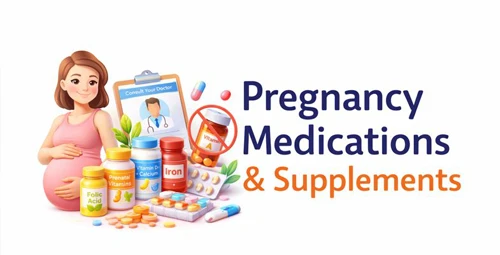

داروها و مکملها در دوران بارداری
داروها و مکملها در دوران بارداری یکی از مهمترین و حساسترین موضوعات سلامت مادر و جنین محسوب میشوند. در این دوره، بدن مادر دچار تغییرات فیزیولوژیک گستردهای میشود و جنین نیز در مراحل مختلف رشد، نسبت به مواد شیمیایی و بیولوژیک واکنشهای متفاوتی نشان میدهد. به همین دلیل، هر دارو یا مکملی که مصرف میشود باید از نظر ایمنی، دوز مصرفی و زمان استفاده بهدقت بررسی شود.
بسیاری از داروها قادرند از جفت عبور کرده و مستقیماً بر جنین اثر بگذارند. این تأثیر ممکن است در برخی موارد ناچیز باشد، اما در شرایط دیگر میتواند منجر به اختلال در رشد اندامها، افزایش خطر ناهنجاریهای مادرزادی یا بروز عوارض بارداری شود. اهمیت موضوع زمانی بیشتر میشود که بدانیم بیشترین حساسیت جنین به داروها معمولاً در سهماهه اول بارداری رخ میدهد.
در کنار داروها، مکملهای غذایی نیز نقش دوگانهای در بارداری دارند. از یک سو، برخی مکملها مانند اسید فولیک و آهن برای حفظ سلامت مادر و پیشگیری از مشکلات رشدی جنین ضروری هستند و از سوی دیگر، مصرف خودسرانه یا بیشازحد برخی ویتامینها و مکملهای گیاهی میتواند خطرناک باشد. بنابراین، شناخت دقیق داروها و مکملها در دوران بارداری و تمایز بین موارد ضروری، مجاز با احتیاط و ممنوع، برای تصمیمگیری آگاهانه اهمیت بالایی دارد.
این مقاله با استفاده از منابع علمی و به روز، اطلاعاتی قابل اعتماد و متناسب با نیاز واقعی مادران باردار ارائه می دهد و به آنها در انتخابهای ایمن کمک کند. Note that 
table of contents:"font-size: 18px; color: 600; href="#1">The importance of conscious use of medicine and supplements during pregnancy
The importance of conscious use of drugs and supplements during pregnancy
Using Drugs and supplements during pregnancy requires full care and awareness, because any drug or supplement can directly or indirectly affect the health of the fetus. Hormonal and physiological changes in the mother's body change the way drugs are absorbed, distributed and metabolized, and some compounds may pass through the placenta and affect the development of the fetus.
The first trimester of pregnancy is the most sensitive stage, because the main organs of the fetus are being formed, and unsafe use of drugs or supplements can increase the risk of birth defects. On the other hand, the lack of some essential supplements such as folic acid, iron and vitamin D can also cause problems such as anemia, weak immune system and delay in fetal development. Pregnancy should be done only with the advice of a doctor and based on reliable scientific sources. Self-medication or the use of over-the-counter drugs and unknown herbal supplements can endanger the health of the mother and fetus. Conscious use guarantees a safe pregnancy and reduces possible complications for the mother and child.
General principles of drug use during pregnancy
The use of drugs and supplements during pregnancy should be done under the supervision of a specialist doctor. These drugs can have profound effects on the health of the mother and fetus. Observance of the following principles can reduce the risk of complications and create a safer pregnancy.
Using medicine only with a doctor's prescription
No medicine is completely safe during pregnancy without a doctor's prescription. Even over-the-counter medications or herbal supplements may have unexpected effects on the fetus. By examining the medical history, current condition and nutritional needs of the mother, the doctor can recommend the right medicine with the least risk.
Attention to the time of pregnancy (quarters)
The first trimester of pregnancy is the most sensitive stage, because the main organs of the fetus are being formed. Taking medicine at this stage requires more care. Some drugs may be safer in the second or third trimester, but the same drugs may be dangerous in the first trimester. Therefore, the time of drug administration is one of the key factors in the safety of drugs and supplements during pregnancy.
Avoid self-medication
Self-medication or using non-specialist recommendations is one of the main causes of drug side effects in pregnancy. Even common medicines such as painkillers or antibiotics can cause serious problems if taken arbitrarily. It is always necessary to consult a doctor before starting any medicine or supplement.
Relatively safe drugs during pregnancy
Some drugs and supplements are relatively safe if taken under the supervision of a doctor and with proper dosage, and can meet the mother's medical needs without harming the fetus. Knowing these drugs and using them consciously is an important part of managing the health of mothers during pregnancy.
Acetaminophen
Acetaminophen is one of the most common pain relievers and fever reducers that is usually considered safe during pregnancy. It does not cause any problem to use it to reduce mild pain and fever under the supervision of a doctor. However, the dose and duration of use should be limited and long-term or excessive use should be avoided.
Some antibiotics
Some antibiotics such as penicillins and cephalosporins can be used during pregnancy and are prescribed to treat bacterial infections. they become The use of these drugs should be under the supervision of a doctor in order to observe the appropriate dose and length of standard treatment and avoid possible side effects.
Important note: Even relatively safe drugs should not be taken without consulting a doctor, because the mother's medical conditions and the stage of pregnancy can change the risk of use.
Drugs prohibited or dangerous during pregnancy
Some drugs and supplements during pregnancy are not recommended due to the high risk to the fetus or the mother, or are allowed only under very specific conditions and under the strict supervision of a doctor. Knowing these drugs and avoiding their arbitrary use plays an important role in preventing serious complications.
isotretinoin
Isotretinoin, a drug that is usually used to treat severe acne, during pregnancy strictly prohibited. This drug can cause severe fetal abnormalities such as heart, brain and face disorders. Women of childbearing age who take this drug should use reliable methods of preventing pregnancy.
Non-steroidal anti-inflammatory drugs
Drugs such as ibuprofen and naproxen, which are relatively widely used by women, are prohibited during pregnancy. These drugs are dangerous for the fetus and can lead to disruption of the ductus arteriosus and damage to the kidneys of the fetus. The use of these drugs should be limited and only under the supervision of a doctor.
Some antiepileptic and hormonal drugs
Some antiepileptic drugs and hormonal drugs may cause birth defects or pregnancy complications if used incorrectly. If medically necessary, the doctor adjusts the dose and type of medicine in such a way that the least risk is created for the fetus.
The role of nutritional supplements during pregnancy
The third trimester of pregnancy (28 weeks to delivery) is a key stage for Monitoring the health of mother and fetus and preparing for delivery. During this period, tests and ultrasounds help to diagnose the mother's medical problems and the proper development of the fetus.
Gestational Diabetes Mellitus (GDM)
Nutritional supplements are an important part of the mother's health management, and if used correctly, they can compensate for nutritional deficiencies. The principled use of medicines and supplements during pregnancy helps to meet the increased needs of the mother's body and support the normal development of the fetus. However, the type of supplement, dosage and duration of use should be determined based on the actual need and the doctor's recommendation.
Folic acid
Folic acid is one of the most important supplements during pregnancy, and its use before pregnancy and in the first trimester can significantly reduce the risk of fetal neural tube defects. gives This supplement plays a key role in cell division and development of the fetal nervous system.
Iron
Iron is essential for preventing maternal anemia and providing enough oxygen to the fetus. The body's need for iron increases during pregnancy, and in case of deficiency, fatigue, weakness and increased risk of premature birth may occur. Iron consumption should be done in the right dose to avoid digestive complications.
Vitamin D and calcium
Vitamin D and calcium play an important role in maintaining the health of the mother's bones and the bone growth of the fetus. The lack of these two substances can cause weak bones and increase the risk of skeletal problems.

Supplements that should be used with caution or prohibited
Besides essential supplements, some supplements can be dangerous for the mother and fetus if used incorrectly. Knowing these things and observing safety principles in the use of drugs and supplements during pregnancy is very important, because the idea that all supplements are "safe" can lead to serious complications. It is necessary for the normal functioning of the body, but taking high doses during pregnancy can be dangerous. Excessive intake of this vitamin, especially in the form of retinol or retinoids, is associated with an increased risk of birth defects. For this reason, taking supplements containing a high dose of vitamin A during pregnancy is not recommended and should only be used from safe sources with a controlled dose. Some of these products may stimulate uterine contractions, cause hormonal changes, or interfere with prescription medications. The lack of sufficient scientific information about the safe dosage and exact ingredients makes the use of herbal supplements risky during pregnancy.
Frequently Asked Questions
Is it safe to use over-the-counter drugs during pregnancy? Is pregnancy safe?
Which supplements are considered essential during pregnancy?
Why is it not recommended to take herbal supplements during pregnancy?
The most important principle is to avoid self-medication and rely on the opinion of a doctor or midwife. Choosing the type of medicine, determining the appropriate dose and time of use should be based on the physical condition of the mother, the stage of pregnancy and valid scientific evidence. Also, taking essential supplements such as folic acid, iron and vitamin D can be effective in preventing many pregnancy complications, but excessive or incorrect use of supplements is also dangerous.
Pregnant mothers should be aware of the use of high-risk drugs, herbal supplements and high-dose vitamins, especially vitamin A, and avoid non-specialist recommendations. Awareness, correct choice and constant consultation with the doctor are the three key factors to experience a safe and healthy pregnancy. href="https://www.cdc.gov/medicine-and-pregnancy/about/index.html" target="_blank" rel="nofollow noopener">Comprehensive Guide to Medications and Supplements During Pregnancy from the CDC

Comparison of vaginal tightening methods: surgical and non-surgical With the passage of time or after childbirth, the walls of the vagina relax and the muscles...