

مقدمه
ایمپلنت دندان یکی از رایجترین و موفقترین روشهای جایگزینی دندانهای از دست رفته است. این روش علاوه بر بازگرداندن عملکرد جویدن و زیبایی لبخند، تأثیر مثبتی بر سلامت روان و اعتماد به نفس افراد دارد. با این حال، برخی بیماران پس از انجام ایمپلنت دچار عوارضی مانند درد، تورم یا حتی کاهش حس چشایی میشوند. Loss of taste after dental implant is a rare but worrying issue that can affect people's quality of life.
In this article, we will examine the reasons for reducing or losing the sense of taste after the implant, the effective factors, ways to prevent and treat it.
What is a dental implant and how does it work?
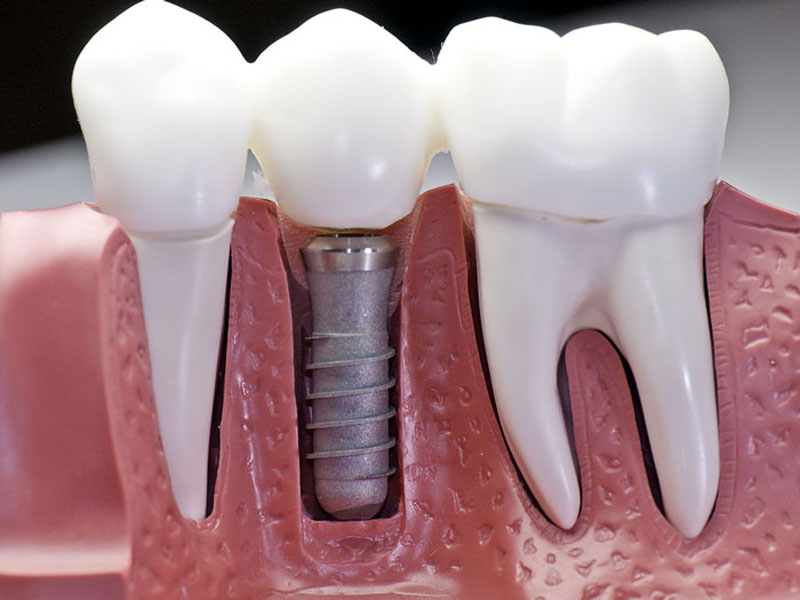
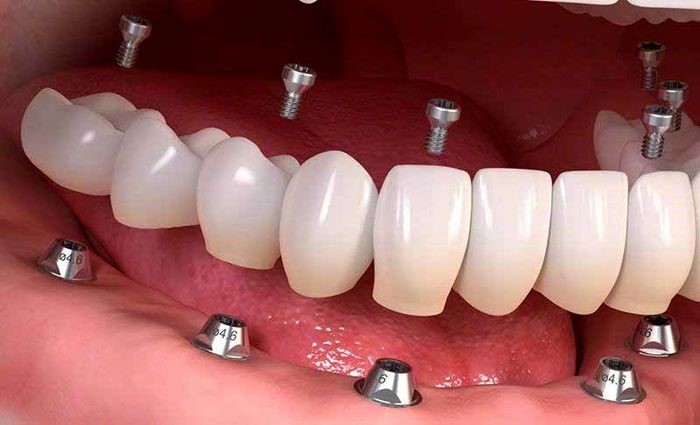
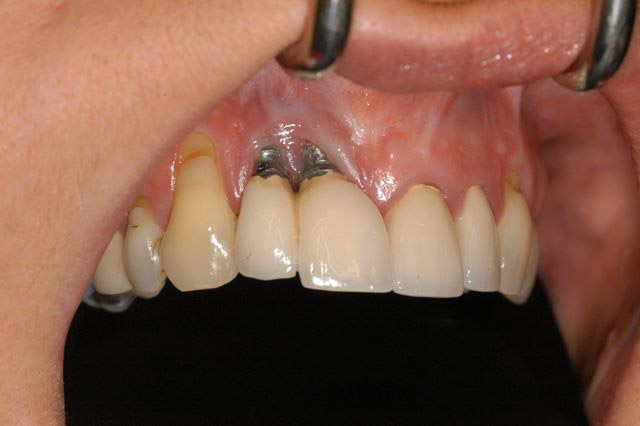
A dental implant is a metal base (usually made of titanium) that is surgically placed in the jawbone to replace a missing tooth root. After a few months pass and the implant fuses with the jaw bone (osseointegration process), the crown of the artificial tooth is placed on it. This method restores the natural structure of the mouth and restores the full function of the teeth.
Is it normal to lose the sense of taste after dental implants?
In most cases, dental implants do not cause complications for the sense of taste; But in rare cases, people may experience a decrease or change in the sense of taste. This problem may occur for several reasons related to sensory nerves, body reaction or surgical technique. Fortunately, most of the time this condition is temporary and can be improved with the passage of time or treatment.
Reasons of loss of taste after dental implant
1. Damage to oral sensory nerves
One of the main reasons loss of sense of taste after dental implant is damage to the sensory nerves around the jaw and tongue during surgery. Two important nerves in this field are:
-
Lingual Nerve: This nerve is responsible for the sense of taste and touch in the front two thirds of the tongue.
-
Inferior Alveolar Nerve: Damage to this nerve may cause numbness, tingling or reduced sensation in the lower lip and chin.
2. Inflammation and swelling after surgery
After the implant operation, the surrounding tissues may become inflamed. If this inflammation puts pressure on the nearby nerves, the sense of taste may be temporarily impaired.
3. Reaction to anesthetics or antibiotics
In some people, the use of anesthetics, painkillers or antibiotics can lead to dry mouth and temporary changes in the sense of taste.
4. Lack of vitamins and minerals
Deficiency of some vitamins such as vitamin B12, zinc (zinc) and iron can cause malfunction of the sense of taste. This problem may exist before the implant, but it shows itself more after the surgery.
5. Surgical error
In rare cases, if the surgery is performed by a non-specialist, the possibility of nerve damage and complications such as loss of taste increases.
Symptoms of impaired sense of taste after implant
If the patient experiences one of the following symptoms after the implant, he may have a taste disorder:
-
Reduction or complete loss of the taste of sweetness, saltiness, bitterness or sourness
-
Metallic or abnormal feeling in the mouth
-
Tingling or numbness of the tongue
-
Difficulty in recognizing the taste of foods
-
Decreased appetite due to inability to enjoy the taste of food
How long does it take to lose the sense of taste?
In many cases, loss of sense of taste after dental implant is temporary and the sense of taste returns as the inflammation subsides or the nerve heals. The duration of this condition may vary from a few weeks to a few months. In rare cases, permanent nerve damage may result in permanent loss of taste, although this is extremely rare.
Ways to diagnose the cause of taste disorder
To investigate more precisely the cause of loss of taste after implant, the dentist or specialist may perform the following actions:
-
Checking medical history and drug use
-
Mouth, tongue and gum examination
-
Taste test with standard flavors
-
refer to a neurologist or maxillofacial surgeon if necessary
-
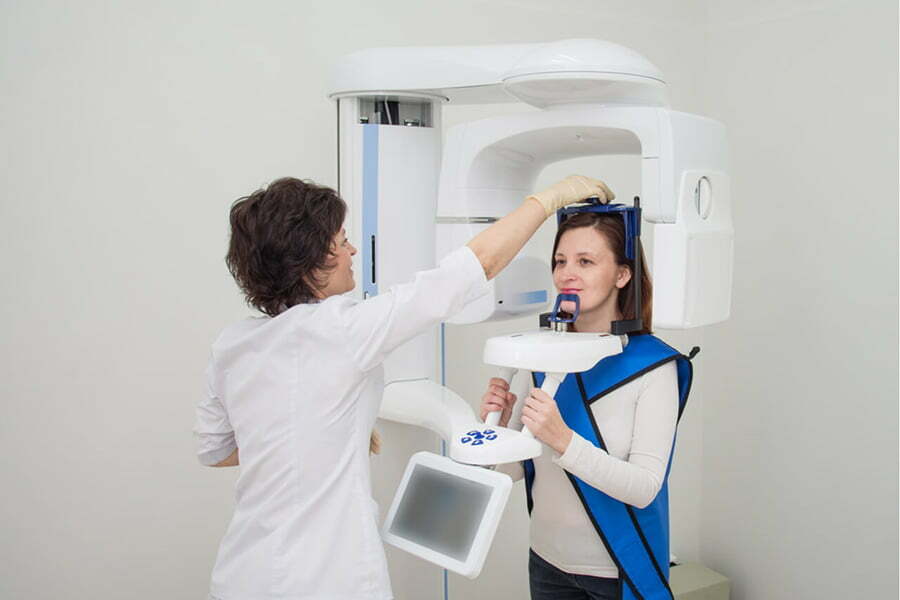
Performing imaging such as CBCT to check the condition of nerves and implants
Treatment methods for loss of taste after dental implant
1. Patience and regular follow-up
In most cases, the sense of taste returns over time. Regular follow-up with a dentist is recommended to evaluate the healing process.
2. Anti-inflammatory drugs
Using anti-inflammatory drugs such as ibuprofen can help reduce swelling and relieve pressure on nerves.
3. Vitamin supplements
If vitamin or mineral deficiency is detected, supplements such as vitamin B12, zinc or iron are prescribed.
4. Oral physiotherapy
Massage of the mouth and tongue, movement exercises of the tongue and stimulation of the sensitive points of the mouth can help improve the function of the damaged nerves.
5. Specialized neurology treatments
In case of severe or long-term nerve damage, consultation with a neurologist is recommended to consider advanced treatments.
Can this complication be prevented?
Yes, the possibility of losing the sense of taste after dental implants can be minimized by observing the following points:
-
Choosing an experienced dentist or maxillofacial surgeon with sufficient expertise
-
Perform detailed pre-surgical imaging (such as CBCT)
-
Avoid excessive pressure on the surgical area during recovery
-
following the doctor's recommendations after the implant
-
Not using tobacco and alcohol, which can disrupt the healing process
Difference of decreased sense of taste after implant with other similar symptoms
Sometimes, loss of taste may be due to other reasons such as dry mouth, yeast infections, sinus problems or even psychological issues. It is important to see the doctor to find out the exact cause so that proper treatment can be done.
Patients' experience of loss of taste after implant
Some patients have reported that their sense of taste has fully returned after a few weeks, while others have required more supportive treatments. According to statistics, less than 2% of dental implant patients experience long-term taste disorders.
Summary
Loss of taste after dental implant is one of the rare but important complications that may worry some patients after implant surgery. This problem is usually temporary and will be resolved with time or treatment. Choosing an experienced doctor, observing post-surgery care and seeing a specialist on time can reduce the probability of this problem and, if it occurs, speed up the treatment process.
If you experience a loss of sense of taste after the implant, it is better not to worry and go through the treatment process under the supervision of a doctor with proper follow-up.
Dr. Farbad Seifi and Dr. Farzane Dashkhane dental center in Maragheh city is considered one of the most equipped specialized dental implant consultation and surgery centers. You can call 04137223003 to book an appointment and for more detailed advice. You can also find other ways to contact us on the Contact Us page. To see the trainings and routines of the office, you can also Dr. Farbod Seifi's Instagram page and Follow the page of Dr. Farzaneh Dashkhane on Instagram.