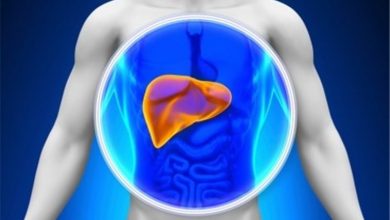
Which drugs cause liver disease? Gastroenterologist in Mashhad Dr. Mehdi Afzal Aghaei
 Drugs caused by liver disease
The liver is an important organ of the body that is responsible for detoxification, blood purification, bile production, blood sugar regulation, etc. Unfortunately, the use of some drugs can cause liver disease, and in this article we will review some of these drugs.
Medications cause liver disease
- Acetaminophen (Tylenol)
Excessive use of acetaminophen can damage the liver. The probability of damage as well as the severity of damage depends on the dose of acetaminophen. The higher the dose, the higher the probability of damage and the higher the probability that the damage will be more severe.
Liver damage from acetaminophen overdose is a serious matter because the damage can be severe and lead to liver failure and death. In fact, acetaminophen overdose is the main cause of acute failure.
For the average healthy adult, the maximum recommended dose of acetaminophen over a 24-hour period is 4 grams (4,000 mg). (Each super-strength pill contains 500 mg, while each regular acetaminophen pill contains 325 mg.)
Among children, the dose of acetaminophen is determined based on the weight and age of each child, which is clearly stated on the inside of the package. If these guidelines are followed for adults and children, acetaminophen is safe and has essentially no risk of liver damage.
As explained below, because alcohol predisposes the liver to damage from lower doses of acetaminophen, a single 7 to 10 gram (7,000 mg to 10,000 mg) dose of acetaminophen (14 to 20 extra strength tablets), twice the recommended dose, can cause liver damage in healthy adults. Among children, a dose of 140 mg/kg (body weight) of acetaminophen can cause liver damage. However, 3 to 4 grams (3000 mg to 4000 mg) in a single dose or 4 to 6 grams (4000 mg to 6000 mg) over 24 hours have been reported to cause severe liver damage. Some people, sometimes it even leads to death.
Certain people, for example, those who drink alcohol regularly, appear to be more susceptible than others to acetaminophen-induced liver damage. Other factors that increase a person's risk of harm from acetaminophen include: fasting, malnutrition, and the concomitant administration of certain other medications such as phenytoin (Dilantin), phenobarbital, carbamazepine [(tegretol) (anticonvulsants)] or isoniazid [and tuberculosis drug)

- Statins
Statins are the most widely used drugs to lower bad cholesterol (LDL) in order to prevent heart attacks and strokes. Most doctors believe that statins are safe for long-term use and that significant liver damage is rare. However, statins can damage the liver.
The most common liver-related problem caused by statins is mild elevation of liver enzymes in the blood without symptoms. These abnormalities usually improve or completely resolve with statin discontinuation or dose reduction. There is no permanent liver damage.
Obese patients have a higher chance of developing diabetes, non-alcoholic fatty liver disease and increased blood cholesterol levels. Patients with fatty liver often have no symptoms and abnormal tests are discovered by routine blood tests.
Recent studies have shown that statins can be safely used to treat high blood cholesterol in patients who already have fatty liver and mildly abnormal liver blood tests when starting statins. In these patients, doctors may choose to use statins with lower doses and monitor liver enzyme levels regularly during treatment.
However, specific hepatotoxicity capable of causing severe liver damage (including liver failure leading to liver transplantation) has been reported with statins. The frequency of severe liver disease from satins is probably in the range of 1-2 per million users. As a precaution, FDA labeling information recommends that liver enzyme blood tests be performed before and 12 weeks after starting statin therapy or increasing the dose, and periodically thereafter (eg, every six months).
Suggested study: What we should know about fatty liver disease
- Nicotinic acid (niacin)
Niacin, like statins, is used to treat elevated blood cholesterol levels as well as elevated triglyceride levels. Also, similar to statins, niacin can damage the liver. This drug can cause a slight transient increase in the level of AST and ALT blood enzymes, jaundice and in rare cases liver failure.
Hepatotoxicity with niacin is dose dependent. A toxic dose is usually more than 2 grams per day. Patients with liver disease and those who regularly drink alcohol are at increased risk for developing niacin toxicity.
- Amiodarone (Cordarone)
Amiodarone (Cordarone) is an important drug used to treat irregular heart rhythms such as atrial fibrillation and ventricular tachycardia. Amiodarone can cause liver damage, ranging from mild, reversible liver enzyme abnormalities, to acute liver failure and irreversible cirrhosis.
Mild abnormalities in liver blood tests are common and usually resolve weeks to months after drug discontinuation. Serious liver damage occurs in less than one percent of patients. Amiodarone differs from other drugs in that a significant amount of amiodarone is stored in the liver.
Stored medication can cause fatty liver, hepatitis and more importantly, it can damage the liver long after the medication is stopped. Serious liver damage can lead to acute liver failure, cirrhosis and the need for a liver transplant.
- Methotrexate (Rumatrex, Trexal)
Methotrexate (Rheumatrex, Trexal) has been used for the long-term treatment of patients with severe psoriasis, rheumatoid arthritis, psoriatic arthritis, and some patients with Crohn's disease. Methotrexate has been found to cause liver cirrhosis in a dose-dependent manner.
Patients with pre-existing liver disease, obese patients, and those who drink alcohol regularly are particularly at risk for methotrexate-induced cirrhosis.
In recent years, doctors have significantly reduced methotrexate liver damage by using low doses of methotrexate (5 mg to 15 mg) once a week and closely monitoring liver blood tests during treatment. Some doctors also perform a liver biopsy after 2 years (or after a cumulative dose of 4 grams of methotrexate) on patients without liver symptoms to check for early cirrhosis.
- Antibiotics
Isoniazid has been used for decades to treat latent tuberculosis (patients who have positive skin tests for tuberculosis, without signs or symptoms of active tuberculosis). Most patients with isoniazid-induced liver disease have only mild and reversible elevations in blood levels of AST and ALT without symptoms.
The risk of isoniazid hepatitis is more common in older patients than in younger patients. The risk of serious liver disease in healthy young adults is half percent and in patients over 50 years old it reaches more than three percent. At least 10% of patients who get hepatitis get liver failure and need a liver transplant.The risk of isoniazid hepatotoxicity increases with regular chronic alcohol consumption, and with concomitant use of other drugs such as Tylenol and rifampin (Rifadine, Rimactan).
Primary symptoms of isoniazid hepatitis are: fatigue, loss of appetite, nausea and vomiting. Jaundice may then develop. Most patients with isoniazid hepatitis recover completely and quickly after stopping the drug. Severe liver disease and liver failure occur more often in patients who continue to take isoniazid after the onset of hepatitis. Therefore, the most important treatment for isoniazid hepatotoxicity is early detection of hepatitis and discontinuation of isoniazid before serious liver damage.
- Nitrofurantoin
Nitrofurantoin is an antibacterial drug that is used to treat urinary tract infections caused by many gram-negative and some gram-positive bacteria. Three forms of nitrofurantoin are available: a microcrystalline form (foradantin), a macrocrystalline form (macrodantin), and a sustained-release macrocrystalline form that is used twice daily.
Nitrofurantoin can cause acute and chronic liver disease. In most cases, nitrofurantoin causes mild and reversible elevations in blood levels of liver enzymes without symptoms. In rare cases, nitrofurantoin can cause hepatitis.
Symptoms of nitrofurantoin hepatitis include:
- Fatigue
- fever
- Muscle and joint pains
- Weak appetite
- Nausea
- Weight loss
- vomiting
- Jaundice
- sometimes itching
Some patients with hepatitis also have a skin rash, enlarged lymph nodes, and nitrofurantoin-induced pneumonia (with symptoms of cough and shortness of breath). Blood tests usually show increased liver enzymes and bilirubin.
Recovery of hepatitis and other skin, joint, and pulmonary symptoms is usually rapid after drug discontinuation. Serious liver diseases such as acute liver failure and chronic hepatitis with cirrhosis occur more often in patients who continue to take the drug despite having hepatitis.
 Interaction drugs for liver disease
- Augmentin
Other antibiotics have been reported to cause liver disease. Some examples include minocycline (an antibiotic related to tetracycline) and cotrimoxazole (a combination of sulfamethoxazole and trimethoprim).
- Non-steroidal anti-inflammatory drugs (NSAIDs)
Non-steroidal anti-inflammatory drugs are usually prescribed for bone and joint inflammation such as arthritis, tendonitis and bursitis. Examples of NSAIDs include aspirin, indomethacin (Indocin), ibuprofen (Motrin), naproxen (Naprosyn), piroxicam (Felden), and nabumeton (Relafen).
NSAIDs are safe when used correctly and as prescribed by a doctor. However, patients with cirrhosis and advanced liver disease should avoid NSAIDs because they can worsen liver function (and also cause kidney failure).
Serious liver disease (such as hepatitis) caused by NSAIDs occurs rarely (in about 1 in 10 of every 100,000 people who use a prescription). Diclofenac is an NSAID that has been reported to cause hepatitis in approximately one to five people out of every 100,000 people who take the drug. Hepatitis usually resolves completely after stopping the drug. Acute liver failure and chronic liver disease such as cirrhosis have been rarely reported.
- Tacrine (Cognex)
Tacrine is an oral drug used to treat Alzheimer's disease. It has been reported that tacrine causes an abnormal increase in liver enzymes in the blood. Hepatitis and serious liver disease due to tacrine drug consumption are rare. Abnormal tests usually return to normal after discontinuing tacrine.
- Disulfiram (Antabuse)
Disulfiram (Antabuse) is a drug that is sometimes prescribed to treat alcoholism and reduces nausea, vomiting, and other unpleasant physical reactions to alcohol. Disulfiram has been reported to cause acute hepatitis. In rare cases, disulfiram-induced hepatitis can lead to acute liver failure and liver transplantation.
- Vitamins and medicinal herbs
Excessive consumption of vitamin A that is used for years can damage the liver. Liver disease caused by vitamin A includes a mild and reversible increase in blood liver enzymes, hepatitis, chronic hepatitis with cirrhosis and liver failure.
Symptoms of vitamin A toxicity may include bone and muscle pain, orange discoloration of the skin, fatigue, and headache. In advanced cases, patients experience enlarged liver and spleen, jaundice and ascites (abnormal accumulation of fluid in the abdomen).
Patients who drink heavily and have other pre-existing liver diseases are at increased risk of vitamin A-induced liver damage. Gradual improvement in liver disease usually occurs after vitamin A is discontinued, but progressive liver damage and failure may occur from severe vitamin A toxicity with cirrhosis.
- Ascites
Ascites, the accumulation of fluid in the abdominal cavity, is usually caused by cirrhosis of the liver. Some other causes of ascites include portal hypertension, congestive heart failure, blood clots, and pancreatitis. The most common symptoms include increased abdominal size and girth, abdominal bloating and abdominal pain. Treatment depends on the cause of ascites.
- bilirubin test
Bilirubin is a waste product of the normal breakdown of red blood cells in the liver. Normal levels of bilirubin vary from test to test and range from about 0.2 to 1.2 mg/dL. High bilirubin levels can be diagnosed with a bilirubin blood test. The causes of increased bilirubin levels in the blood can be caused by infections, viral hepatitis, anemia, genetic diseases, and liver problems. Symptoms of increased bilirubin levels depend on the cause. However, jaundice is a common symptom. The treatment of increased bilirubin level depends on its cause.
- Cirrhosis of the liver
Liver cirrhosis refers to a disease in which normal liver cells are replaced by scar tissue caused by alcohol and viral hepatitis B and C. This disease leads to disruption of the liver's ability to control toxins and blood flow and causes internal bleeding, kidney failure, mental confusion, coma, accumulation of body fluids and frequent infections.
Symptoms include yellowing of the skin (jaundice), itching and fatigue. The prognosis for some people with liver cirrhosis is good, and survival can be up to 12 years. However, life expectancy for people with severe cirrhosis with major complications is about 6 months to 2 years.
Last word
Liver disease can be caused by various reasons, including infection (hepatitis), various diseases such as gallstones, high cholesterol or triglycerides, blockage of blood flow to the liver, and toxins (drugs and chemicals).
Symptoms of liver disease depend on the cause and may include nausea, vomiting, upper right abdominal pain, and jaundice. Treatment of liver diseases depends on the cause of the disease. One of the causes of liver diseases is the use of drugs, the most important treatment method of which is to stop harmful drugs.
You can contact us for more information and advice. Mashhad* Facebook Twitter LinkedIn Pinterest WhatsApp Viber Share via email 
Content Production Team
Similar Posts

What we should know about fatty liver disease
2021-02-11
Learn more about non-alcoholic fatty liver disease and its treatment methods
2019-02-12
Supplements and the liver
2023-11-20