
آنچه در این مقاله خواهید خواند:
ارتباط تیروئید و کبد
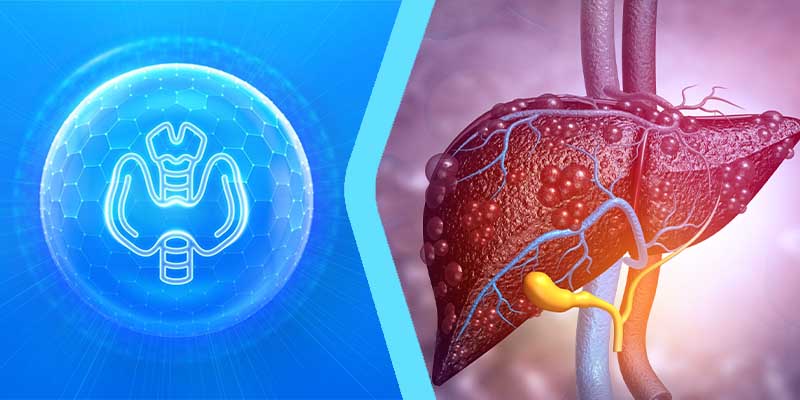
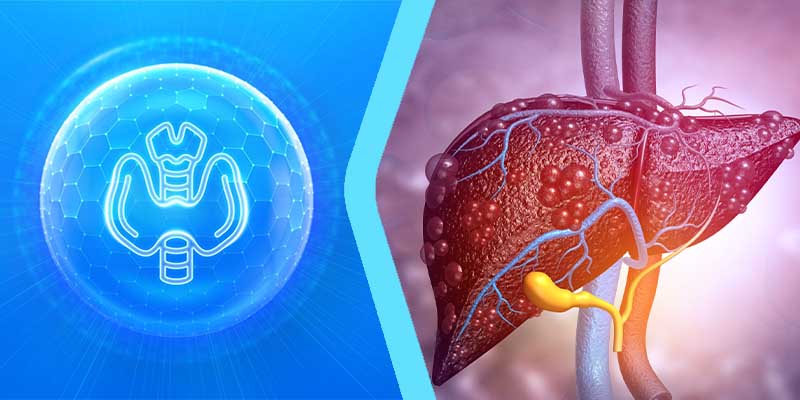
غده تیروئید و کبد دو ارگان حیاتی با ارتباط بسیار نزدیک و متقابل هستند. The thyroid gland regulates the body's metabolism through the production of hormones, and the liver plays a key role in activating and converting these thyroid hormones into a usable form (T3). Also, the liver is involved in cleaning and excreting thyroid hormones after performing their duties in the body. Because of this complex relationship, the health of one of these organs directly affects the performance of another. Dysfunction of the thyroid (especially hypothyroidism) can disrupt the metabolism of liver fats and lead to fat accumulation and non-alcoholic fatty liver disease (NAFLD) and vice versa. Severe liver failure can also have a negative effect on the regulation of thyroid hormones.
Before examining the details of the relationship between these two diseases that negatively affect the metabolic health of the body, it is better to get to know each of them first.
Hypothyroidism
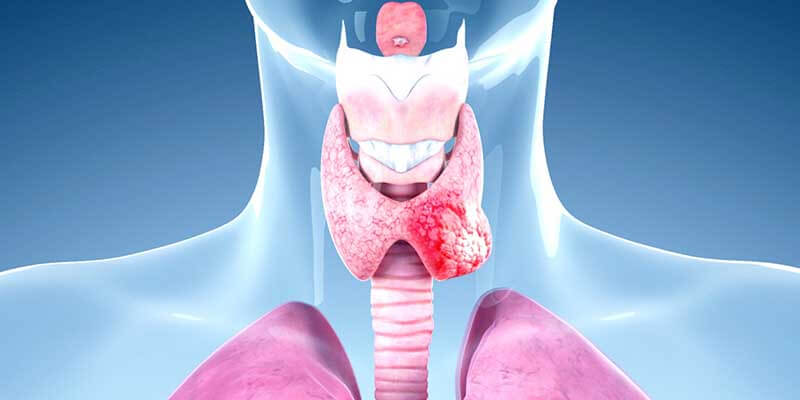
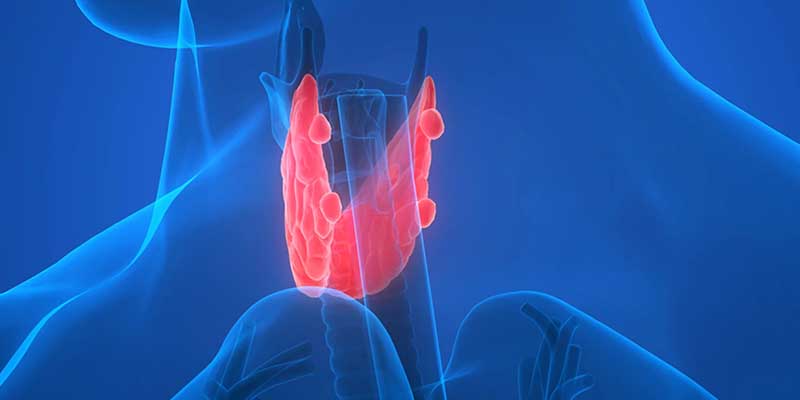
Hypothyroidism is the medical term for an underactive thyroid gland. This butterfly-shaped gland is located in the front of the neck and is responsible for the secretion of hormones that help the growth and development and regulation of the body's metabolism. In hypothyroidism, the body does not have enough thyroid hormone. Although its symptoms may not appear immediately; But a long-term lack of thyroid hormones can lead to serious problems over time, such as heart disease, high cholesterol, or other health concerns.
Fatty Liver (Fatty Liver)
Fatty liver is a general term for a condition in which the accumulation of fat in liver cells exceeds the normal limit (5-10% of liver weight). This disease is divided into two main categories: alcoholic type and non-alcoholic type. The most common type, which is directly related to obesity, diabetes and metabolic problems, is called non-alcoholic fatty liver disease (NAFLD). This disease has four stages of progress, which are:
- Steatosis (accumulation of simple fat)
- Steatohepatitis (inflammation)
- Fibrosis (mild scar)
- Cirrhosis (severe scarring and permanent damage)
Is Does hypothyroidism cause fatty liver?
Yes. Research provides strong evidence of a link between hypothyroidism and non-alcoholic fatty liver disease (NAFLD) and hypothyroidism as an independent cause of NAFLD in some individuals. This evidence is so strong that experts have created a new disease category in NAFLD, which is called hypothyroidism-induced NAFLD or (HIN).
Read more:
Independent and bilateral risk factor
Overt hypothyroidism and subclinical hypothyroidism are both considered as independent risk factors for NAFLD. In fact, hypothyroidism (both overt and subclinical) is much more common in patients with NAFLD compared to the general population. Approximately 17% of people with NAFLD have hypothyroidism. Interestingly, according to research, the higher the thyroid-stimulating hormone (TSH) level, the higher the risk of developing NAFLD. This communication is two-way; Several studies have shown that patients with hypothyroidism are 2.7 times more at risk of developing non-alcoholic fatty liver disease (NAFLD) and its inflammatory type (NASH).Communication mechanisms between hypothyroidism and fatty liver
While experts are still investigating the intricacies of this relationship, there are theories about the connection between the two diseases:
- Disturbance in fat metabolism: Thyroid hormones are essential for liver function and metabolism. Inadequate levels of these hormones increase the accumulation of fat in the liver and increase the risk of NAFLD by impairing the liver's ability to break down fats.
- Insulin resistance: Hypothyroidism increases the risk of developing insulin resistance and impaired glucose metabolism. These factors increase the risk of developing non-alcoholic fatty liver disease (NAFLD).
- Increase in blood lipids: Hypothyroidism increases the risk of fat processing disorder. Up to 90% of hypothyroid patients have abnormal serum lipids, including high cholesterol and high triglycerides; All of these are known risk factors for NAFLD.
- Weight gain: Hypothyroidism increases the risk of being overweight or obese (a risk factor for NAFLD). The weight of hypothyroid patients is on average 15 to 30% more than the weight of patients with normal thyroid function.
Non-alcoholic fatty liver disease (NAFLD) usually has no symptoms in the early stages. In fact, you may not experience any symptoms for years and only discover fatty liver when you are being tested for other health problems.
Although the symptoms of fatty liver rarely appear in the early stages; But if they occur, they may include the following:- Discomfort or vague pain in the upper and right side of the abdomen
- confusion or confusion
- fatigue
- weakness
- Weight loss (often in more advanced or severe stages of fatty liver)
On the other hand, hypothyroidism also has its own symptoms; Such as fatigue, depression, pain and stiffness in joints and muscle weakness. You may feel the symptoms of hypothyroidism earlier than the symptoms of fatty liver or the symptoms of both diseases overlap and this overlap makes the diagnosis more complicated.
The first step in the diagnosis process is to visit a specialist doctor for a physical examination. During this examination, the doctor will look for signs of insulin resistance, enlarged liver, or clinical signs of cirrhosis. It will also carefully review your medical records and symptoms.
Additional tests to confirm the diagnosis
The specialist doctor usually prescribes the following tests to confirm the diagnosis and assess the extent of the damage:
- Blood test: to check the increase in the level of liver enzymes such as alanine aminotransferase (ALT) and aspartate aminotransferase (AST)
- Imaging tests: include ultrasound, CT scan, and MRI, which are used to look for fat accumulation in the liver or any signs of damage. Elastography is another imaging method that is specifically used to detect the level of fibrosis (scar tissue) of the liver.
- Biopsy: Sampling of liver tissue is done to accurately determine the extent of liver damage or to rule out other possible liver diseases.
Currently, there is no definitive drug approved by the US Food and Drug Administration (FDA) for the direct treatment of non-alcoholic fatty liver disease (NAFLD). However, hypothyroid fatty liver (HIN) is managed with a combination of hormone regulation and lifestyle changes. In general, treatment and management approaches for fatty liver caused by hypothyroidism include the following:
Targeted treatment of hypothyroidism
Management of underlying hypothyroidism is the first and most critical step in the treatment of HIN. Fatty liver caused by hypothyroidism does not have a specific drug; Rather, the main disease, i.e. hypothyroidism, is managed by taking levothyroxine (synthetic hormone (T4) that replaces the deficient hormone). Valid evidence shows that early diagnosis and treatment of hypothyroidism can help prevent the development and progression of NAFLD. One study even showed that 15 months of levothyroxine treatment in patients with subclinical hypothyroidism and NAFLD reduced the prevalence of fatty liver by almost half.Lifestyle changes
For most people, lifestyle changes are the best way to reduce symptoms or improve fatty liver. Health experts recommend the following as first steps in treatment:
- Weight loss: Reaching a healthy weight is the most important factor in curing fatty liver.
- Diet: Severely reducing the consumption of foods and drinks containing high fructose, as well as limiting the consumption of carbohydrates.
- Reduce alcohol consumption: Limit or stop alcohol consumption.
- Physical activity: engaging in regular physical activities.
Adjuvants and Future Research
Treatment of NAFLD usually requires a combination approach that includes the following:
- Fat-reducing drugs: Taking drugs that reduce cholesterol or triglyceride levels.
- Blood sugar control drugs: Taking drugs to treat insulin resistance, lower blood sugar and better control diabetes or prediabetes.
- The role of low-dose thyroid hormone: Several evidences show that even low-dose thyroid hormone replacement can be beneficial for NAFLD patients with normal thyroid function; So that in a 16-week study, a significant decrease in the liver fat of these patients was observed.
- New therapeutic horizons: New oral drugs are being developed for the treatment of thyroid-related NAFLD. A new drug called "Resmetirom", which is a selective thyroid hormone receptor agonist, has shown promising results in clinical trials for the treatment of NASH and prevention of its progression to cirrhosis.
Recommendations and preventive measures for patients
This section provides a comprehensive guide including practical recommendations and necessary actions for the two main groups of patients, i.e. people with hypothyroidism and people diagnosed with non-alcoholic fatty liver disease (NAFLD).
If you have hypothyroidism:
If you have hypothyroidism, consider optimizing thyroid therapy as a starting point to prevent NAFLD. Also, work with your doctor to address insulin resistance and weight gain, which are important risk factors for NAFLD. If you have abnormal liver function results on blood tests, as well as one or more markers of metabolic syndrome, you should be evaluated for possible NAFLD; Because early intervention can prevent the progression of fatty liver disease.
If you have non-alcoholic fatty liver disease (NAFLD):One out of six patients with NAFLD has subclinical or borderline hypothyroidism. For this reason, experts believe that early identification of patients at risk is of great importance; Because treating hypothyroidism may reduce the risk of NAFLD and its possible complications. Unfortunately, many physicians overlook the connection between thyroid dysfunction and NAFLD, missing the opportunity to address a treatable underlying cause. Therefore, if you have NAFLD, follow up on your health status by knowing the symptoms of hypothyroidism and performing regular thyroid screening and evaluation.
The need for thyroid treatment in NAFLD patients
Many experts recommend that patients with NAFLD and evidence of hypothyroidism (even mild) begin taking thyroid medication; Because treatment can reduce the risk and progression of NAFLD in these patients.
End
Non-alcoholic fatty liver disease (NAFLD) is the most common liver disease worldwide, affecting approximately one quarter of the population. Thyroid hormones (T3, T4 and TSH) play an essential role in regulating the synthesis of fatty acids, cholesterol and carbohydrate metabolism in the liver. Several studies show that hypothyroidism is an important risk factor for developing non-alcoholic fatty liver disease. Early diagnosis and treatment of hypothyroidism along with changes in diet and other lifestyles help to prevent the development and progression of NAFLD. There is also clear evidence that treating hypothyroidism significantly improves some liver conditions, including thyroid-induced fatty liver (HIN).