Not regaining consciousness after nose surgery is one of the important concerns that can make patients and their families feel anxious. This condition is usually related to various factors such as the body's reaction to anesthetic drugs, underlying heart or lung problems, decreased blood oxygen levels, or complications from metabolic disorders. Although such a condition is rare, knowing its possible causes can help patients enter the surgery process more calmly and take the necessary preventive measures. In the following, we will examine the most important cause of not regaining consciousness after nose surgery.
Why do some patients not wake up in time after nose surgery?
Some patients not regaining consciousness after surgery is one of the complications after nose surgery which usually occurs due to the body's reaction to anesthetics. Factors such as drug overdose, underlying problems in the liver or kidneys (which are responsible for drug excretion), decreased blood oxygen levels during surgery, or heart and lung diseases can play a role in this issue. Also, the use of certain drugs, including benzodiazepines, or certain metabolic conditions may also slow down the process of regaining consciousness.
reaction to anesthetic drugs
Some people may have a slower withdrawal from anesthetics due to residual drug effects, residual neuromuscular inhibition, hypothermia, or metabolic and genetic disorders. This can cause prolonged wakefulness or symptoms such as low blood pressure, decreased heart rate, and excessive sleepiness. For this reason, careful examination of the patient's medical history and drug sensitivities is very important before surgery.
English text: Delayed emergence can be broken down into three potential causes: drug effects, metabolic abnormalities, and neurological causes. Persian translation: Delayed emergence from anesthesia can be divided into three main causes: drug effects, metabolic disorders, and neurological causes.
In some patients, the accumulation of secretions, swelling of the airways, or the body's reaction to anesthetics causes a decrease in blood oxygen levels. This situation can be the cause of not regaining consciousness after nose surgery and it can even be dangerous. For this reason, the anesthesia team carefully monitors the patient's oxygen level during and after the operation to prevent serious complications.
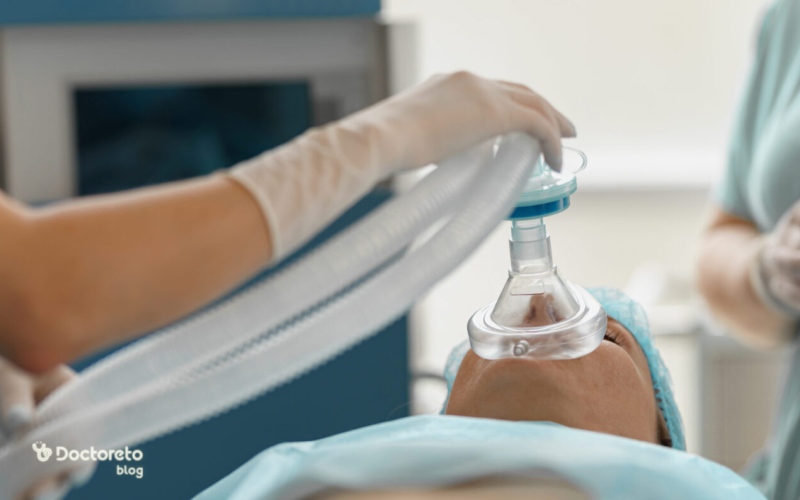
The anesthesia team closely monitors oxygen levels during and after the procedure.
Cardiac disorders or low blood pressure
Cardiac disorders or low blood pressure are also important factors that can cause a delay in regaining consciousness after nose surgery. In this situation, the heart does not have enough ability to pump blood and deliver oxygen to the brain and other organs, or blood flow decreases due to the drop in blood pressure.
This may cause general weakness, confusion or even prolonged unconsciousness. For this reason, patients with a history of heart disease and high blood pressure should fully discuss their health status with the doctor before surgery so that the necessary preventive measures can be taken.
rare brain complications
Rare brain complications after nose surgery can occur in very exceptional cases and are usually caused by a decrease in oxygen supply to the brain or a severe reaction to anesthetic drugs. These side effects may include severe headaches, prolonged confusion, difficulty concentrating, or even temporary neurological problems.
Although the probability of such problems is very low, but in patients with a history of neurological diseases or serious health problems, the risk increases slightly. For this reason, careful examination of the patient's condition before surgery and full supervision of the anesthesia team during surgery is very important.
background diseases
The presence of underlying diseases is one of the reasons for not regaining consciousness after nose surgery. Patients with diabetes, heart, lung, kidney or thyroid disorders may wake up later than normal due to general body weakness or greater sensitivity to anesthetics. This issue doubles the need to fully inform the surgeon and anesthesiologist about all the underlying diseases and medications so that they can take the necessary precautions during and after the surgery.
English Text: Despite the medications commonly used in anesthesia allow recovery in a few minutes, a delay in waking up from anesthesia, called delayed emergence, may occur. It can be done.
Usual time to regain consciousness after rhinoplasty
Awakening usually begins shortly after the effects of the drug stop; However, the effects of anesthesia can last up to 24 hours, and the exact time varies depending on the procedure and medications. Most patients gradually regain consciousness after being transferred to the recovery room, but they may feel confused, drowsy or weak for a few hours, which is normal. If this condition lasts too long or is accompanied by symptoms such as breathing problems and decreased level of consciousness, there is a need for immediate examination by the medical team.
Awakening after anesthesia usually begins shortly after the drug wears off.
Dangerous symptoms after nose job anesthesia
After nose surgery anesthesia, mild drowsiness and confusion are normal, but some dangerous signs after nose surgery may occur and need immediate attention. Shortness of breath or difficulty in breathing may be a sign of airway obstruction or a reaction to the anesthetic drug.
Prolonged decrease in level of consciousness and unusual unconsciousness are serious warnings. Irregular heartbeat, chest pain, or severe headache with impaired vision or speech can indicate heart or nerve problems. Also, persistent nausea and vomiting increase the risk of dehydration and delayed recovery.
The following table shows the most important causes of delay in waking up after nose surgery and dangerous symptoms related to anesthesia.
Possible causes
Dangerous symptoms
Effects of anesthetics
Long-term decrease in level of consciousness
Metabolic disorders (liver, kidney, thyroid)
Shortness of breath or difficulty in Breathing
Decreased blood oxygen (hypoxemia)
Irregular heartbeat or chest pain
Heart disease and low blood pressure
Severe headache with vision or speech disturbance
Pulmonary problems and accumulation of airway secretions
Persistent and prolonged nausea and vomiting Duration
Delayed awakening can be caused by various factors and some warning signs require immediate medical attention.
Necessary actions after losing consciousness after nose surgery
After not regaining consciousness or delay in regaining consciousness after nose surgery, it is necessary to closely monitor the patient's vital signs, including heart rate, blood pressure, and breathing. In case of breathing problem or blood oxygen reduction, immediate oxygenation and use of auxiliary devices if needed.
The anesthesia team should check the effects of anesthetic drugs and control them if necessary, and cardiovascular support should be provided. It is also important to investigate underlying causes such as heart, lung or metabolic diseases. Finally, the patient should be under continuous monitoring in the post-anesthesia care unit or ICU so that any serious complications can be managed in time.
Conclusion
Not regaining consciousness after nose surgery or delay in regaining consciousness is a rare but serious condition that can be caused by several factors such as reaction to anesthetic drugs, breathing problems, underlying diseases or heart and brain complications.
Knowing the reason for not regaining consciousness after nose surgery and preventive care can reduce the risk of this condition. If you observe any unusual delay in regaining consciousness, severe difficulty in breathing, decreased level of consciousness, chest pain or any abnormal symptoms, you should immediately inform the surgical or anesthesia team and, if necessary, go to the emergency room or an equipped clinic for immediate treatment.
Your doctor takes care of your health!
Frequently Asked Questions
Slight delay in regaining consciousness after nose surgery is usually normal and usually caused by the effects of anesthetics and It is sedatives. This condition usually resolves gradually within a few minutes to an hour.
Patients with underlying diseases such as heart, lung, are hepatic or renal, and also people who are highly sensitive to anesthetic drugs, have a higher risk of delayed consciousness after nose surgery. Also, patients with old age or a history of metabolic disorders are also in the high-risk group.
Yes, anesthesia for nose surgery can be dangerous in rare cases, especially for patients who have underlying heart, lung or metabolic diseases. Observance of careful care before and during surgery and supervision of the anesthesia team can minimize the risk of these risks.
I have started my activity in the field of content production and management since 1995 and I am always eager to face new job opportunities. Getting to know a different world in different fields such as medicine and health also encourages me to follow a healthy lifestyle. That's why I started working with your doctor.