What is tetanus and how is it transmitted?
Did you know that tetanus was considered one of the deadliest diseases in the past and killed hundreds of thousands of people worldwide every year in the 20th century alone? This shocking statistic shows that tetanus is still a serious threat to human health. This disease, which is also known as tetanus, can endanger a person's life through a simple and seemingly insignificant wound...
In this article from the GCORP LLC health magazine, our goal is to provide comprehensive information about tetanus (tetanus disease). We want to introduce you to the symptoms, diagnosis, treatment and prevention methods of this disease so that you can protect your health and your loved ones with more confidence.
Table of contents
- What is tetanus disease?
- How is tetanus disease?... (disease mechanism)
- What is tetanus transmission?
- Is tetanus contagious?
- What are the symptoms of tetanus?. Tetanus (local tetanus)
- Symptoms of tetanus in adults and children
What is tetanus?
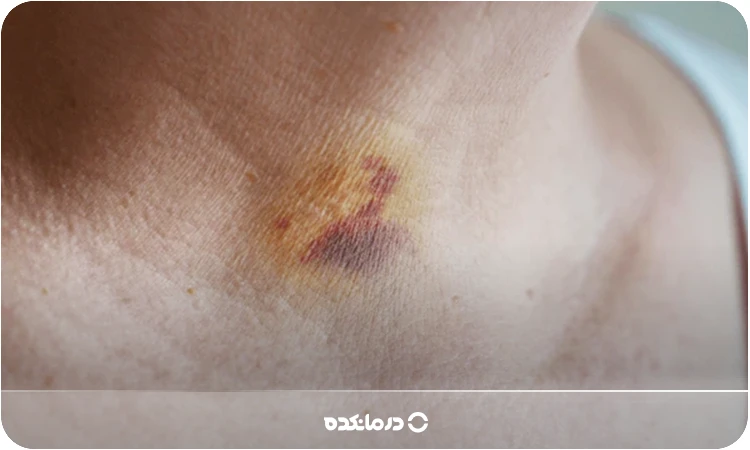
The history of tetanus goes back centuries.... In the past, due to the lack of vaccines and effective treatments, this disease was one of the main causes of death, especially among soldiers and infants.... Tetanus is a serious bacterial infection that affects the nervous system and can lead to severe muscle contractions and even death.... But what is the cause of tetanus caused by alobacter? which exists in soil, dust and polluted environments... you can see the picture of tetanus below:
This disease occurs not only in humans but also in other animal species... Of course, there are misconceptions about the ways of its transmission.... For example, some people mistakenly think that tetanus is transmitted through direct contact with animals such as cats... But you should know that tetanus is not transmitted directly from cats or other animals.. Rather, it is transmitted through open wounds and direct contact with the soil and feces of animals or humans infected with bacterial spores..
Learn more: Rabies vaccine side effects
What is tetanus? (disease mechanism)
Tetanus is caused in humans when the bacterium Clostridium tetani enters the body through open wounds.. This bacterium grows in low-oxygen environments (such as deep wounds) and produces a toxin called tetanus spasm. This toxin travels through the bloodstream and nervous system to the brain and spinal cord, disrupting normal muscle function. Contractions that can lead to serious problems such as difficulty breathing or even death lead toThe location of tetanus in the body is specifically the central nervous system, i.e. the brain and spinal cord... Contrary to what some people think, tetanus is not a skin disease.... Although the bacteria enter through skin wounds, the main effect of the disease is on the nervous system, not the skin.... In other words, the term tetanus is a skin infection that enters the body through a tetanus wound... and targets the nervous system...
What is tetanus transmission?
Tetanus disease enters the body in various ways, but the most important and common way is through open wounds.. Any type of wound, from small scratches to deep cuts and burns, can be a place for tetanus bacteria to enter.. Equipment contaminated with tetanus bacteria can also be a way to transmit the disease.. Increase the risk of contracting tetanus... Animal bites, especially dog and cat bites, are also ways to transmit tetanus is.. because the mouth of animals can be bacteria be infected with tetanus.
Learn more: Is meningitis fatal in adults?
Is tetanus contagious?
One of the common questions is whether tetanus is contagious? The answer is negative... tetanus is not transmitted from one person to another, that is, contact with an infected person or the use of common items such as glasses or clothes cannot cause disease transmission.... This characteristic distinguishes tetanus from many other infectious diseases.... But due to the high risk of infection through infected wounds, it is very necessary to observe hygiene and prevention tips.
What are the symptoms of tetanus?
The symptoms of tetanus can vary from mild to very severe and usually appear between 3 and 21 days after the bacteria enters the body.
Symptoms of mild tetanus (local tetanus)
Mild or localized tetanus is a rare type of tetanus in which the symptoms are limited to the muscles near the wound site. This type of tetanus is usually less severe and its symptoms include the following:
- Stiffness and muscle cramps around the wound
- Slight and localized muscle contractions
- Slight pain in the wound area
Symptoms of tetanus in adults
Generalized tetanus is the most common and serious type of tetanus that affects the entire body. Its symptoms can progress quickly and include the following:
- Muscle spasm: involuntary and painful muscle contractions that can be very severe.
- Locking of the jaw (trismus): stiffness of the jaw muscles that causes difficulty in opening the mouth and eating... this symptom is one of the most specific symptoms of tetanus.
- Neck stiffness: Difficulty moving the neck due to neck muscle stiffness.
- Difficulty in swallowing (dysphagia): stiffness of the throat muscles that makes it difficult to swallow food and liquids.
- Abdominal muscle stiffness: Abdominal muscles become tight.
- Facial muscle spasm: Contraction of the facial muscles that creates a smile or grin.
- Fever and sweating: increase in body temperature and excessive sweating.
- Increased heart rate and blood pressure: changes in the body's vital signs.
- Excitability and restlessness: feeling nervous and restless.
Learn more: Calcium deficiency symptoms
Tetanus disease in children
Symptoms of tetanus in children are the same as in adults, but may occur in special ways in infants and young children.. Neonatal tetanus (umbilical tetanus) is a type of tetanus that occurs in babies due to contamination of the umbilical cord.. Neonatal tetanus symptoms usually appear between 3 and 14 days after delivery, muscle aches, body spasms and stiffness... In adults, they are more severe symptoms. They experience tetanus and need special care.
Diagnosis of tetanus disease
The diagnosis of tetanus is mostly based on the clinical symptoms and physical examination of the patient. There is no specific laboratory test for definitive diagnosis of tetanus.. The doctor diagnoses tetanus by examining the patient's history, including the history of vaccinations, the type of wound and existing symptoms, and starting treatment on time is very important in the rapid recovery of patients with tetanus, doctors usually find it quickly based on clinical treatments...
Treatment of tetanus disease
Tetanus is treatable and the success of its treatment is highly dependent on early diagnosis and prompt measures.... Tetanus is usually treated in a hospital and often in an intensive care unit because the disease can cause serious complications such as breathing problems..
The first step in treatment is the injection of tetanus immunoglobulin (TIG), which helps to neutralize the tetanus spasmin toxin in the body....Also, antibiotics such as metronidazole or penicillin are prescribed to kill the Clostridium tetani bacteria....strong muscle relaxants are also used to control muscle spasms and reduce pain.. In cases, the patient may need to an artificial respiration device to manage breathing problems caused by respiratory muscle contraction...
Prevention of tetanus disease in humans
Tetanus vaccine is one of the safest and most effective vaccines that can prevent this dangerous disease.. The tetanus vaccination program usually starts from childhood and includes several doses of the vaccine.. To maintain immunity against tetanus, booster doses are recommended every 10 years, especially for adults.. In addition to wound care, wound hygiene also plays an important role.. Tetanus
Quickly cleaning wounds with soap and water and using disinfectants can reduce the risk of tetanus bacteria entering.. In case of deep and infected wounds or animal bites, it is necessary to see a doctor to check the need for tetanus vaccine and preventive treatments..
Learn more: Rabies
False beliefs about tetanus
Unfortunately, there are many misconceptions about tetanus that can lead to negligence in the prevention and treatment of this disease.. Here are some of the most common misconceptions and the facts about them:
1- Tetanus is transmitted only from a rusty nail.
Truth: While a rusty nail can transmit tetanus, any item or object contaminated with tetanus bacteria can cause the disease. Tetanus bacteria can be found in soil, dust, animal manure, and even on various surfaces... Therefore, any kind of open wound, whether caused by nail rust, broken glass, wood, or animal bite, can be a way for the tetanus bacteria to enter>..
2- Tetanus occurs only in deep wounds.
Fact: The tetanus bacterium needs an anaerobic environment to grow and multiply, which is usually provided in deeper wounds....but even small scratches, superficial cuts, or minor burns can become infected if they become infected with the tetanus bacterium, especially if they are not properly cleaned and disinfected.
3- Tetanus is always fatal.
Tetanus is a very serious disease and can be fatal if left untreated... But with appropriate and timely treatment, especially with tetanus antitoxin injection and supportive care, there is a possibility of recovery... In addition, tetanus vaccination is a very effective way to prevent this disease, which has significantly reduced the death rate caused by tetanus.
4- If I take the tetanus vaccine once, I am safe forever.
Truth: Immunity against tetanus is not permanent....The tetanus vaccine requires booster doses, which are usually recommended every 10 years....An emergency dose may also be needed in case of suspected sores, especially if the person is not fully vaccinated.
5- Tetanus is only seen in poor countries or rural areas.
Fact: Although tetanus is more common in deprived areas and countries with limited access to health services, this disease can occur anywhere in the world, especially in people who are not vaccinated or who do not follow health tips...
Endword
Tetanus is a serious bacterial infection caused by Clostridium tetani bacteria that affects the nervous system. It is spread through open wounds and contact with contaminated soil or objects. Tetanus symptoms include jaw locking, severe muscle spasms, and breathing problems that can be fatal if left untreated.If you have questions or concerns about tetanus or other health problems, the GCORP LLC website is ready to…. You can visit the GCORP LLC website and consult with the best specialist doctors, including an infectious disease doctor online, or use the online appointment system to see an infectious disease specialist.
Frequently Asked Questions
Tetanus is transmitted when the tetanus bacterium enters the body through open wounds, cuts, burns, or punctures in the skin. This bacterium is usually found in soil, dust, and animal manure. It produces tetanuspasmin, which causes the symptoms of this disease.
Yes, tetanus is a very dangerous disease that can lead to serious complications such as breathing problems, broken bones, brain damage and even death.. How can tetanus be prevented?
The best way to prevent tetanus is vaccination. tetanus vaccine is very effective and is recommended in the vaccination program for children and adults... Also, proper cleaning and care of wounds is also important in preventing tetanus. They have deep and infectious wounds, and people who work in environments contaminated with soil and animal manure are more at risk of contracting tetanus.
Sources: who | mayoclinic
Was this article useful for you?
![Which fruit increases blood pressure [high and low]? 18 effective fruits](/storage/posts/covers/2026_01_08/ef00bb701cbb99e90a24ba8d73265ba4c08936335e859a33b69553f5c5e737a2.webp)
![For whom is rhinoplasty dangerous? [10 groups+cause+solution]](/storage/posts/covers/2026_01_06/3e06a993c87e243daaf67dc69ac3e484d377b2708c93656820e0084ea4f080d6.webp)
![What fruits have vitamin B12? [13 fruits + consumption tips]](/storage/posts/covers/2026_01_06/dfaeceb7cb9a203805aeba8715bf7cdea6f5cb2b5b9314e1898807545e874bb1.webp)
![Is nasal massage necessary after surgery? [Training + 5 effective benefits]](/storage/posts/covers/2026_01_06/1f2686c8d522130d256828a51d7d46594dbde31ec2253325e6a8a38f04094789.webp)
![The best drops to reduce eye pressure [14 powerful drugs + method of administration]](/storage/posts/covers/2026_01_06/0177c50098eb80d878d1c883d09ae31ad2f489b17e1288f52018e3f8ef213e5f.webp)
![What is hair filler? [9 benefits, how to inject + durability of hair filler]](/storage/posts/covers/2026_01_06/c21c5e1ff48e9af8214111dfe0b867586f298e3d74a95fadda02b0b04df12598.webp)
![The strongest antibiotic for tonsil infection [7 drugs + method of administration]](/storage/posts/covers/2026_01_06/7b5adf6bb8cf556824d96570b6adba58f824b3a7f248993cfaafb73c0b5b8610.webp)
![Garlic pills for weight loss [4 effective benefits and side effects + how to use]](/storage/posts/covers/2026_01_06/c49f08b482d5860218c8635e48194a50f2ed48b51ef15925aa2d73d8393ff3ab.webp)
![What foods increase eye pressure? [8 harmful foods and drinks]](/storage/posts/covers/2026_01_06/52929c4d1b9ed7916d3fc5a8e45060479fb186f332dd217e68905f71f89a33f0.webp)
![What foods lower eye pressure? [18 useful foods]](/storage/posts/covers/2026_01_06/f180eb15f8e64fc9b386f9d5dc7936a5e416af36032be3bdcdf9054925a21d43.webp)
![itchy scalp; 18 causes [medical treatment + 11 home remedies]](/storage/posts/covers/2026_01_06/a1e116ec1c6243fd5c4e6fb951da5cb33bbd92a09c44e29b845852a86f550681.webp)
![What is intestinal colitis and what are its symptoms? [3 causes + definitive treatment]](/storage/posts/covers/2026_01_06/d3384e9221c036ff3eb447c69ffabb109dd6c0c35f5e5f0af775c4545cfd7ea5.webp)
![The best pills for irritable bowel syndrome [10 powerful drugs]](/storage/posts/covers/2026_01_06/70f02d6808fab88d67b0c6734a623e5e71982d323dbd2fb8158c29669849b813.webp)