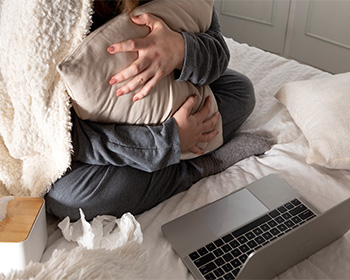

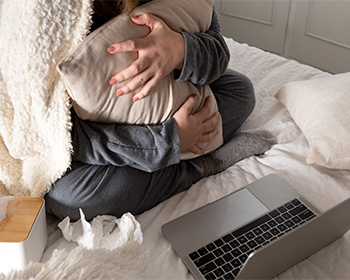
آیا هر پاییز و زمستان احساس بیانگیزگی، خواب زیاد یا کاهش انرژی میکنید؟ Seasonal depression can be the cause of these changes - in this article I will explain the symptoms, causes and effective methods of treating seasonal depression in a practical and applicable way so that you can take control of the situation faster.
Seasonal depression is a phenomenon that many people experience but remains little known. I'll explain when to worry, how to recognize it, and how to improve your quality of life during the low light seasons. If you have a similar experience, don't miss the next article.
What is seasonal depression?
In this section, we see the general definition and the main symptoms of seasonal depression in order to define the border between seasonal restless mood and real disorder.
Definition of seasonal depression
Seasonal Affective Disorder (Seasonal Affective Disorder or SAD) is a type of mood disorder that occurs cyclically and usually in certain seasons of the year; Its most common form occurs in autumn and winter. This disorder causes decreased energy, chronic sadness, changes in sleep and appetite, and difficulty concentrating. The severity of symptoms can vary from mild to severe and affect work, relationships and quality of life. Diagnosis is based on temporal pattern, annual recurrence, and exclusion of other medical or medicinal causes. Timely recognition helps to start appropriate treatment and prevent progression and severe relapses.
Symptoms and symptoms of seasonal depression
Common symptoms include extreme fatigue, prolonged sleep or insomnia, weight gain or loss, decreased interest in daily activities, and social withdrawal. In winter forms, sleep and appetite often increase and the desire to consume carbohydrates increases; In the summer form, insomnia and anxiety may be seen more. To be diagnosed, the seasonal pattern must be observed for at least two consecutive years and occupational or social functioning must be impaired. In practice, self-report questionnaires and clinical observations help to identify the severity of symptoms. If there are thoughts of self-harm or suicide, professional help should be obtained immediately.
Causes and effective factors in seasonal depression
In this section, we will look at the biological, genetic and environmental roots to understand why some people are prone to seasonal depression.
Genetic factors
Sensitivity to mood disorders is partly hereditary; Having a family history of depression or bipolar disorder increases the risk of seasonal depression. Genetic studies show that some genes that play a role in regulating serotonin and circadian rhythm can increase the probability of SAD. However, genetics is not the only factor; An interaction between genes and the environment (such as less light in the cold season) usually leads to the appearance of symptoms. Knowing the family history helps the doctor to set up a more appropriate treatment plan and better predict the risk of recurrence.
Environmental factors and sunlight
Decreasing natural light is the most important environmental factor related to seasonal depression. Less morning light and reduced daylight hours can disrupt the body's biological clock (circadian cycle), increase melatonin production, and decrease serotonin levels, all of which lead to low mood and sleepiness. Living in high latitudes or regions with long winters increases the chance of infection. Also, environmental factors such as lack of physical activity due to the weather, reduction of social interactions and changes in the work pattern are also effective.
The effect of seasonal changes on emotions
Seasons have a direct effect on the amount of energy, motivation and sleep. Summer with more light hours usually brings a more positive mood; But the arrival of autumn and the shortening of the days can gradually lower the mood. The body reacts to the change of light; Hormonal settings and brain chemistry change, and people may experience decreased concentration, increased sleep, and consumption of sugary foods. Paying attention to these patterns helps predict and prevent; For example, preparing from the end of summer by increasing artificial light or adjusting the daily schedule can reduce the severity of symptoms.
How to diagnose seasonal depression
This section introduces common diagnostic methods and tools that psychiatrists and psychologists use to diagnose SAD.
Clinical diagnosis methods
Clinical diagnosis includes complete clinical interview, review of family and medical history and assessment of temporal pattern of symptoms. A doctor or psychologist uses diagnostic criteria such as the DSM-5 to determine if the disorder has a seasonal pattern. A physical examination and baseline tests are necessary to rule out medical causes such as a thyroid disorder or anemia. Assessment of symptom severity, impact on daily functioning, and presence of self-harming thoughts is part of the diagnostic process; If needed, a referral to a psychiatrist may be made for drug treatment or phototherapy.
Related tests and scales
There are several practical questionnaires for screening and measuring the severity of seasonal depression; including standardized questions about mood, energy, sleep and appetite. Scales such as the Hamilton Depression Rating Scale or the Beck Depression Inventory can be used, and specific versions for SAD are also available. These tools help you monitor the treatment process and measure which methods have been most effective. Continuous measurement with a simple weekly or monthly questionnaire helps to identify seasonal patterns.
7 ways to treat seasonal depression
In this section, seven evidence-based and practical treatment methods are introduced to manage and reduce the symptoms of seasonal depression.
1. Light therapy
treatmentLight therapy is one of the most effective treatments for SAD. Using artificial light devices with an intensity of about 10,000 lux for 20-30 minutes in the morning can facilitate circadian rhythm regulation and melatonin reduction. It is important to observe the correct distance and angle and choose a standard device. Light therapy usually takes effect within a few days to two weeks. Common side effects include headache or eye irritation, which can be controlled by adjusting the time or intensity. It is better to start under the supervision of a specialist.
2. Psychological counseling
Psychotherapies such as cognitive-behavioral therapy (CBT) are effective for SAD. CBT-SAD focuses on identifying seasonal negative thoughts, changing avoidance behaviors, and increasing rewarding activities. Short-term or group sessions can strengthen coping skills, activity planning, and stress management. Combining counseling with light therapy or medication usually has better results. Psychological support is especially valuable for people with an annual seasonal pattern.3. Antidepressants
In moderate to severe cases, antidepressants, including SSRIs, can be helpful. Medications should be prescribed with the opinion of a psychiatrist, and the course of treatment usually lasts several months until the next high-risk season. Some medications may have side effects such as nausea, dry mouth or sleep changes. Drug selection is based on medical history, drug conflicts and individual symptoms. Regular monitoring of side effects and effectiveness is essential.
4. Regular exercise
Regular exercise, especially aerobic activities such as brisk walking, running or cycling, is effective both in reducing the symptoms of seasonal depression and in improving the quality of sleep. At least 150 minutes of moderate exercise per week is recommended. Morning exercise done outdoors provides both more natural light and stabilizes the biological rhythm. Step-by-step planning, training with a partner and diversity in sports help to continue sustainably.
5. Changes in diet
A balanced diet can play a role in managing symptoms; Reducing the consumption of sugar and simple carbohydrates, increasing the consumption of protein, omega-3 and vitamin D is recommended. Vitamin D deficiency is common in winter, and supplementation can be helpful in consultation with a doctor. Eating regular meals and avoiding overeating at night helps control energy and sleep. It is useful to consult a nutritionist for an action plan.6. Relaxation techniques
Breathing exercises, mindfulness meditation, yoga, and stress reduction techniques can reduce the severity of symptoms and improve sleep. Performing 10-20 minutes of meditation or deep breathing daily has a tangible effect on reducing anxiety and improving mood. Creating a relaxing bedtime routine and using self-management techniques will reduce insomnia and nighttime restlessness.7. Complementary and integrated treatments
Complementary treatments such as light therapy combined with CBT, physician-supervised nutritional supplements, and behavioral-routine interventions often provide the best results. Some people benefit from group services, social activities, and structured daily planning. Choosing the right combination is based on symptom severity, patient preferences, and access to services. Regular follow-up and adjustment of interventions based on the patient's response is the key to success.Important points in the management of seasonal depression
In this section, practical and everyday recommendations are provided to reduce the effects of seasonal depression so that daily life becomes more manageable.
Self care
Self-care is the most basic part of management: regular sleep, proper nutrition, avoiding alcohol and recreational drugs, and having a daily routine. Daily recording of moods and activities helps identify triggers. Planning enjoyable activities, even if they are difficult, can break the cycle. Also, setting small and measurable goals keeps motivation.
Social support
Maintaining contact with family and friends, participating in support groups, and seeking professional help are important. Loneliness and isolation aggravate the symptoms; So scheduling regular meetings, phone calls, or joining group classes (such as sports or art) can be effective. In acute cases, support from therapists or mental health centers is necessary.
Editing the daily schedule
Having a daily schedule including fixed bedtime and waking time, exercise time, regular meals, and dedicated time for work and rest helps regulate the body's rhythm. Adding outdoor time into the program, even briefly, has a big effect on mood. Using a calendar or application to keep track of activities and reminders increases consistency in program implementation.
Prevention of seasonal depression
In this section, preventive solutions and measures before the start of the cold season are introduced to reduce the occurrence or severity of symptoms.
Prevention strategies
Prevention includes behavioral changes from summer and early fall: increasing exposure to morning light, starting regular exercise, mental preparation by setting seasonal goals and creating a support network. For people with a history of SAD, proactively starting light therapy or counseling in late summer can reduce the severity of attacks. It is also useful to manage stress and take care of physical health such as weight control and vitamin therapy under the supervision of a doctor.
The role of light and outdoor activities
The greatest effect of prevention is related to light radiation; Planning daily outdoor activities, even on cloudy days, will help improve your mood. In the morning, taking a short walk or having breakfast next to a bright window, using bright lamps at work and at home, and reducing curtains to let in natural light, are simple and effective tricks. The combination of natural light and physical activity has stronger preventive effects.
Summary
Seasonal depression is a diagnosable and treatable disorder. Recognizing the symptoms, timely diagnosis and applying a combination of light therapy, psychotherapy, drug therapy and lifestyle changes can significantly improve the quality of life. Preventive planning and social support play a key role.
Frequently Asked Questions
- Is seasonal depression treatable? Yes; With the combination of light therapy, psychotherapy, medication and self-care, most people will improve significantly.
- When should I see a doctor? If symptoms persist for several weeks or if daily functioning is impaired or thoughts of self-harm appear, see a doctor or emergency room immediately.
- Is vitamin D supplementation useful? In case of deficiency and with the consultation of a doctor, vitamin D supplementation can be useful, but it should not replace the main treatments.
- Does light therapy have side effects? Sometimes headache or eye irritation occurs, which is reduced by adjusting the intensity and time of use; بهتر است تحت نظر متخصص شروع شود.