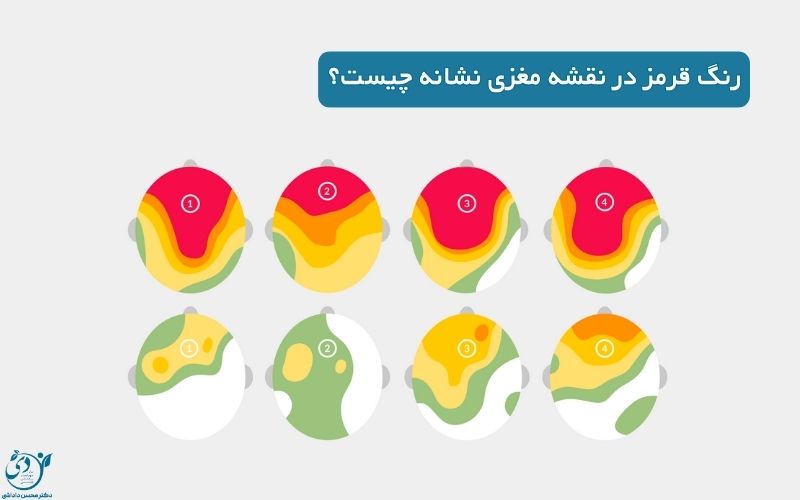


افراد مبتلا به اختلال اضطراب فراگیر نگرانی های دائمی و آشفته کننده ای را به صورت روزانه تجربه می کنند. آنها همچنین از علائم جسمی مانند: بی قراری، تنگی نفس، تپش قلب، تنش عضلانی، تعریق و بیخوابی رنج می برند. اغلب این بیماران به اختلال های اضطرابی دیگری نیز مبتلا هستند. برای مثال، بسیاری از افراد مبتلا به اختلال اضطراب فراگیر دچار اضطراب اجتماعی نیز هستند و نگرانند که دیگران به اضطراب آنها پی ببرند. چنانچه اختلال اضطراب فراگیر تحت درمان قرار نگیرد، غالباً منجر به افسردگی می شود.
دلایل بروز اختلال اضطراب فراگیر چیست؟
علل مختلفی را می توان برای اختلال اضطراب فراگیر برشمرد. حدوداً ۳۰ تا ۵۰ درصد علت ابتلا به این اختلال ناشی از عامل ژنتیک است. البته تجربیات دوران کودکی (مانند: از دست دادن والدین، جدایی/ طلاق والدین، کنترل گری بیش از حد والدین و یا تأکید بیش از حد والدین بر ناامن و خطرناک بودن دنیای پیرامون)، استرس های اخیر در زندگی، انتظارات غیرواقع بینانه از خود و دیگران، تعارضات ارتباطی، مصرف الکل یا کافئین، مهارت های مقابله ای ضعیف و سایر عوامل نیز در بروز پدیده اضطراب نقش دارند. پژوهش ها نشان می دهند سطح اضطراب در عموم مردم در ۵۰ سال گذشته رو به افزایش بوده است. This issue can be seen as a result of the reduction of social relations, unrealistic expectations, focusing on unpleasant media news and other social and cultural factors.
How does thinking affect generalized anxiety disorder?
Anxious people get caught up in a storm of irrational thoughts that increase their anxiety: “Others can easily notice my anxiety. They see me as a lowly and weak person. I am the only one having this problem. I can't stand it if others don't approve of me. "If that happens, it's going to be terrible." Many people with generalized anxiety disorder have a long string of worrying thoughts that begin with "what if." For example: "What if I lose control/go crazy/lose my reputation?" They may also worry about their own worries; For example, “I need to get rid of this anxiety quickly. These worries are killing me. My anxiety is uncontrollable and eventually drives me crazy. I should never worry." People with chronic anxiety often have conflicting feelings and behaviors about their anxiety. On the one hand, these people believe that their worry keeps them ready and protects them, and on the other hand, they believe that worry makes them sick and they should stop it immediately. Most anxious people have a very low tolerance for uncertainty and often believe that when they are unsure about something, it has an unpleasant outcome. These people anticipate the worst, are unsure of their ability to cope with stress, and constantly seek certainty in a world of uncertainty. If you are a worrier, maybe it is difficult for you to live in the present moment and enjoy life, or you are always looking for answers that you may never get.
How does personality affect generalized anxiety disorder?
People with generalized anxiety disorder worry about some of their personal characteristics. Depending on your personality type, you may worry about being rejected, making mistakes, not succeeding, getting sick, or being alone. In addition, you probably avoid anxiety-provoking situations or try to compensate for your anxiety by having more control over the situation, seeking approval from others, or being perfect and flawless. Your worries and how you deal with anxiety can increase your vulnerability to anxiety.
How can therapy help?
Cognitive behavioral therapy and drug therapy can be effective in improving the symptoms of generalized anxiety disorder. You can reduce your anxiety by using techniques learned during therapy sessions and homework. Below we review some of these techniques together.
Reduce physiological arousal:If you are physiologically arousal, you are more prepared to experience anxiety. You should check the amount of caffeine (coffee, tea, carbonated drinks) and alcohol. The therapist will likely teach you relaxation and breathing exercises that can help balance your physiological arousal level. Meditation and yoga can also be very useful for relaxing the body and mind. Regular exercise is also effective in this regard. Taking medicine can also help to reduce your physiological arousal level.
Identifying fears and facing them: The therapist will help you identify disturbing situations and thoughts. You may be asked to design a fear hierarchy and change your previous experiences by gradually and controlled exposure to each of these fears.
Creating your thinking style: The therapist will help you identify and correct negative thoughts. Maybe you take things too personally, predict a lot of things that will never happen, or turn small events into disasters. Many anxious people have certain rules about life, such as "If I'm not perfect, then I'm a failure," "It's a disaster if someone doesn't like me," "I have to be completely confident," or "I must never have anxiety." You can learn cognitive therapy techniques and in this way modify your thinking to be more realistic and be more fair about yourself.
Learning how to deal with worry: : Like many worriers, you may believe that worry protects you. You can learn the difference between working and troublesome worries, accept some reasonable limitations and uncertainties in life, live in the present, don't judge your unpleasant thoughts and emotions and don't be a pure slave to your worries. By using these methods, you will learn to gradually eliminate the sense of urgency that causes you to feel constant stress.
Growth and development of "emotional intelligence": Many anxious people have difficulty dealing with their emotions. They often believe that unpleasant emotions surround them. Also, these people believe that negative emotions are permanent or very meaningless. Life does not mean removing feelings and emotions, but learning how to create a meaningful life in the presence of emotions. Through cognitive behavioral therapy, you learn how to deal with your emotions, which can help enrich the meaning of your life.
Improving interpersonal relationships: Your anxiety may be caused by your communication problems and misinterpretations. Therapy will help you identify these problems. Also, developing effective ways of thinking about relationships and actively trying to improve the situation are other outcomes of treatment. Communication, listening, courage, mutual problem solving, and increasing positive experiences are important parts of your therapy.
Increasing problem-solving ability: Anxious patients often create problems for themselves that do not exist, but do not solve simple problems, because these people avoid anxiety-provoking situations. The therapist can help you solve your problems constructively, which in turn increases your confidence in dealing with "possible" problems.
Can drug treatment be effective?
Depending on the severity of your generalized anxiety disorder and whether depression is part of your problem or not, your doctor may prescribe helpful medications. The simultaneous use of drug therapy and cognitive behavioral therapy can be very useful in reducing your symptoms of anxiety and worry. Benzodiazepines and antidepressants are known to be effective in the treatment of generalized anxiety disorder. Your doctor will guide you on how to take the medicine. You should never use arbitrarily.
How useful is the treatment?
Until about 10 years ago, available treatments for generalized anxiety disorder had little success, but now treatment results for this and other anxiety disorders are promising. Research results show that new models of cognitive behavioral therapy for chronic concerns have been very effective.
What is expected of you as a patient?
Treatment of generalized anxiety disorder requires continuous attendance at treatment sessions and your cooperation in completing self-help tasks. Doing these exercises will help you deal with your anxiety more effectively. The reality is that you won't get better overnight, you need to work on a regular schedule to overcome your anxieties and worries. Also, most patients benefit from the medicine prescribed by the doctor.