
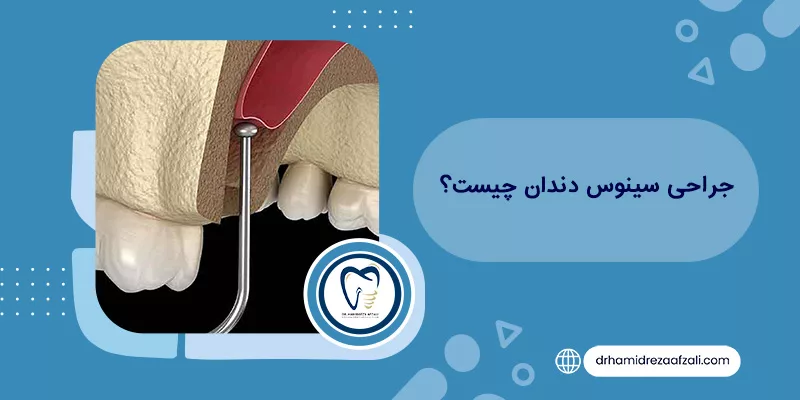
For dental implant surgery to be successful, the jawbone must have sufficient thickness and density. Since the jawbone is less thick at the end of the upper jaw, this area is one of the most challenging places for dental implants. For this reason, before implant implantation, the dentist may tell you that you should perform a sinus lift surgery to increase the thickness of your bone. In this article, we will explain to you what dental sinus surgery and sinus lift open and closed are different from each other.
What is dental sinus surgery?
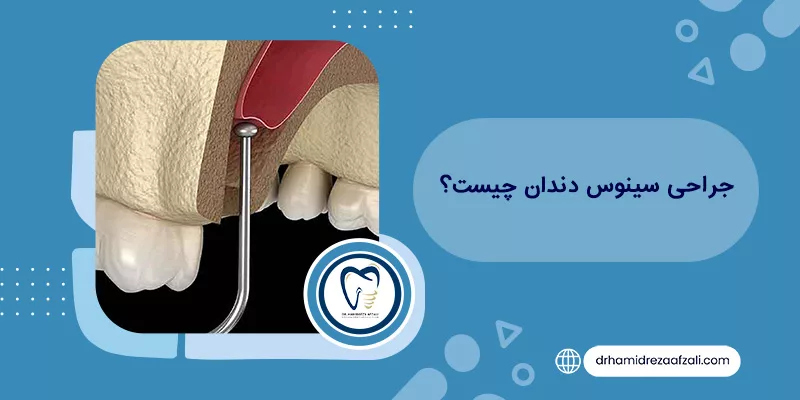
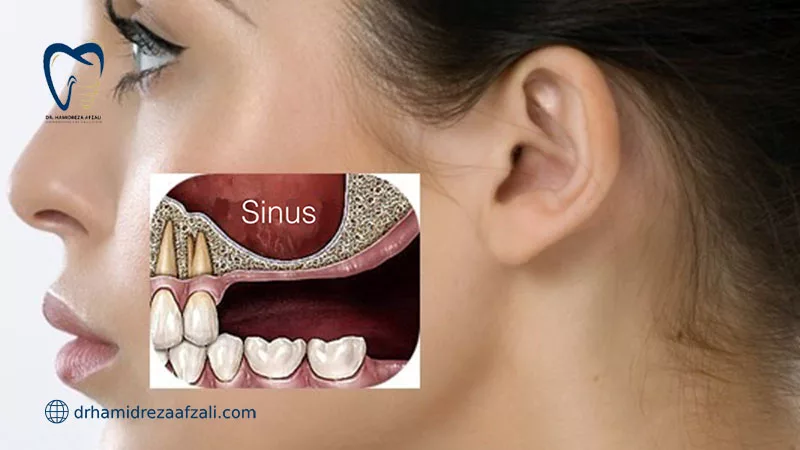
Sinus lift surgery or dental sinus surgery is a surgery in which the surgeon raises the membrane of the maxillary sinus and places bone graft material under it. In this way, bone growth in the upper jaw bone is stimulated, and bone thickness and density increase. With this surgery, the patient's jaw bone is prepared for a successful implant surgery.
Sometimes dental sinus surgery is necessary for implant placement in the upper jaw; Because the thinness of this bone can cause a hole in the sinus wall during the implantation of the implant and the surgery will fail.
Types of dental sinus surgery
Generally, there are two methods for sinus lift surgery. In both of these techniques, the goal is to raise the sinus membrane and make the bone thicker, and the difference is in the amount of cutting the bone and gum.
Open Sinus Lift surgery
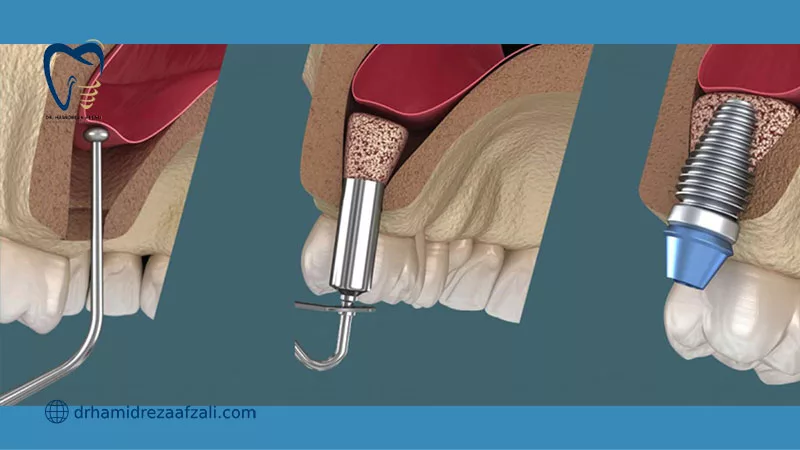
Open Sinus Lift surgery is a traditional and common method of sinus lift. In this method, the surgeon removes the gum tissue and pushes it away from the jawbone. Then he pierces the bone with a special tool and removes it. Then, with the help of a special surgical tool, the surgeon carefully raises the membrane of the sinus floor and adds bone graft material under it. Then he sutures the gum and asks the patient to wait 4 to 6 months for the ossification process to go well. After this period of time, the patient's jaw bone is ready for the prosthesis implant to be placed inside it.
Open sinus lift is performed for people whose bone thickness has decreased so much that we can say they have almost no bone left.


Closed Sinus Lift Surgery
In the Closed Sinus Lift method, the gum is cut less than the open method, as a result, less damage is done to the gum tissue. In this method, the surgeon makes a small hole in the gum and bone, and from the same hole, raises the sinus membrane and injects the bone graft material. In this method, sometimes in the same therapeutic session, the implant fixture is placed inside the jaw bone. In this way, the swelling and inflammation after surgery is less and the period of treatment and recovery after surgery is minimized. Closed sinus lift surgery can be performed for people whose bones are about 3 or 4 mm thick.

sinus lift recovery period
Approximately 3 days after the open and closed sinus lift, surgical complications such as swelling, pain and bleeding gradually subside and are largely resolved after a week. After two weeks, the patients almost recover.
In closed sinus lift surgery, if the implant is placed for the patient at the same time, the recovery period of these two operations will be the same; However, in open sinus lift surgery, although the patient recovers after two to three weeks, he still has to wait for about six months to implant the implant. After that, the recovery period of the implant is also added to this period of time.
complications and possible risks of dental sinus surgery
If you want to know what are the complications of dental sinus surgery, you should know that like other oral and dental surgeries, dental sinus surgery also has complications, which include:
- Bleeding
- Inflation
- infection
- Sinusitis
- Link failed
- Sinus membrane damage
Referring to a skilled and experienced dentist will make you experience fewer complications and your implant surgery will be successful.
Care after dental sinus surgery
After the dental sinus surgery, you must follow the care tips according to your doctor's instructions so that your recovery process goes faster and easier. These points are:
- Bleeding control: Slight bleeding after this surgery is normal and will disappear over time. To control the bleeding, you can use a cold compress and eat something cool like ice cream.
- Pain management: After surgery, you will be prescribed pain medication to relieve pain. This medicine relieves pain and inflammation after surgery. Swelling control: after sinus lift surgery, swelling and inflammation is one of the normal and common side effects. You can use a cold compress to reduce swelling.
- Nutrition: You are usually asked not to eat anything for two hours after the sinus surgery. After that, you will be asked to avoid eating spicy, hot and hard foods.
- Drinking: After dental sinus surgery, you should not drink hot liquids. During this time, drink lukewarm or cool liquids and do not use a straw to drink.
- Observation of oral and dental hygiene: Observe oral and dental hygiene and brush your teeth according to the doctor's instructions. Also, after eating, wash your mouth with salt water or prescribed mouthwash.
Finally, after the operation, avoid smoking, heavy activity, swimming and traveling by plane.
Cost of dental sinus surgery

factors affecting the cost of surgery
- Degree of jaw bone loss: The thinner the jaw bone and the more bone graft material is needed during the surgery, the higher the cost of the surgery.
- Surgeon's experience: The experience and skill of the surgeon is another factor influencing the cost of a dental sinus lift. The cost of performing this surgery by a skilled surgeon is more than the cost of performing it by less experienced dentists.
- Place of surgery: The cost of open and closed sinus lift surgery in private centers and in larger cities is usually higher than the cost of performing it in government centers and smaller cities.
- Surgery complexity: If the patient has special conditions that make the surgery a little more difficult, the cost of the surgery will also increase.
- Side costs: the cost of preparing radiographic images, drugs, mouthwash, etc. are among the things that increase the final cost of this surgery.
The difference between open and closed sine lift
Previously, we explained what dental sinus surgery is and what methods are available to perform it. Closed sinus lift and open sinus lift surgery are both performed to increase the thickness of the jaw bone and raise the maxillary sinus membrane. The difference between open and closed sinus lift is that the open sinus lift is a little more invasive and is performed for people whose jaw bone is very thin. Closed sinus lift or closed sinus lift is performed only through a small hole and is suitable for patients whose jaw bone is 3 to 4 mm thick. This method has less side effects and less recovery period than the open method.

Who are suitable candidates for dental sinus surgery?
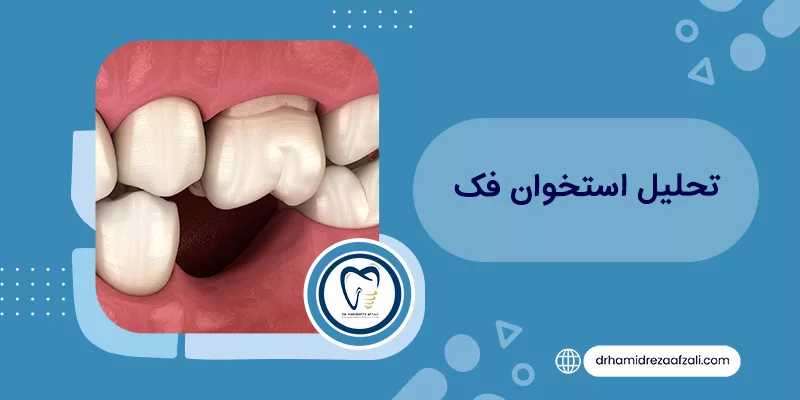
Sinus lift surgery is performed for people whose upper jaw bone is missing for various reasons such as
- bone analysis Gum diseases
- Congenital defects
- Disease
- damage or impact
- Tooth loss
- And…
It has become thin and is not thick enough for implant placement.
Important points in choosing the right surgeon and clinic
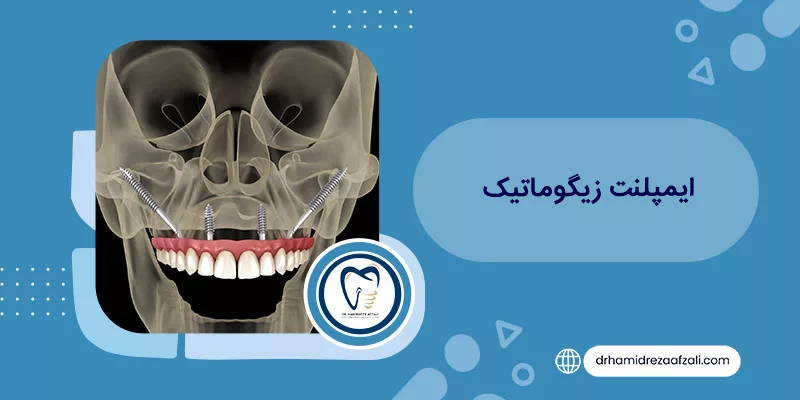
quoted from the site American Academy of Periodontology, the quality and thickness of the jaw bone is the main and determining condition for implant implantation. For this reason, if your upper jaw bone is thin, either the dentist should perform a sinus lift surgery for you or zygomatic implant for you.
Sinus lift surgery is an important operation and is highly sensitive; Because during this procedure your sinus membrane may be damaged. This damage can cause your implant surgery to fail. For this reason, the skill and experience of the surgeon is very important.
Mr. Dr. Hamidreza Afzali is one of the skilled dentists of Tehran who has more than 18 years of medical experience. You can visit them for sinus lift surgery. For more information, you can contact the clinic numbers.
Summary
If you are missing upper teeth, before implant surgery, dentists may tell you that you need to lift your sinuses to make your jawbone thicker for implants. In this article, we explained to you what dental sinus surgery is. As we said, dental sinus surgery can be performed in two ways, open and closed, and doing it guarantees the success of implant placement. Don't forget that for this surgery, you must see a skilled dentist and surgeon so that your sinus membrane is not damaged.
Dr. Hamidreza Afzali
Frequently Asked Questions
What is sinus lift surgery?
Dental sinus surgery is one of the dental treatments during which the sinus membrane is raised and bone graft material is placed under it to increase the thickness of the upper jaw bone.
Does sinus lift surgery hurt?
Sinus surgery for implants is performed under local anesthesia or anesthesia, and the patient does not feel pain during the surgery. But after the surgery is over and the effect of the anesthesia wears off, the patient may feel pain. To relieve the pain, the surgeon prescribes painkillers to the patient. Using a cold compress can also be soothing.
What are the side effects of sinus lift surgery?
Bleeding, swelling, tearing or perforation of the sinus membrane, infection and pain are the side effects of sinus lift surgery.