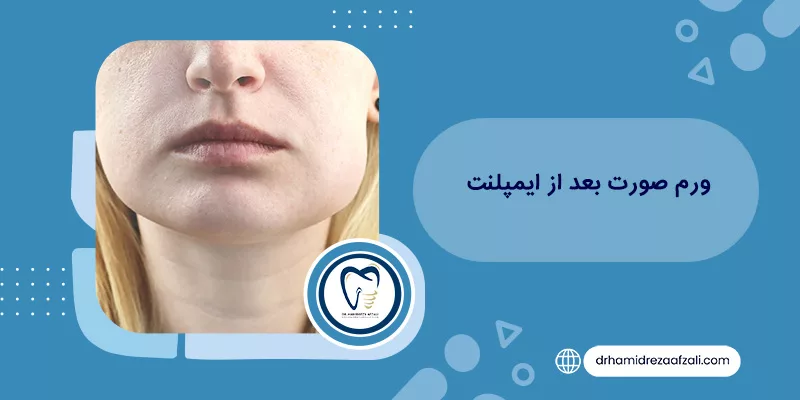

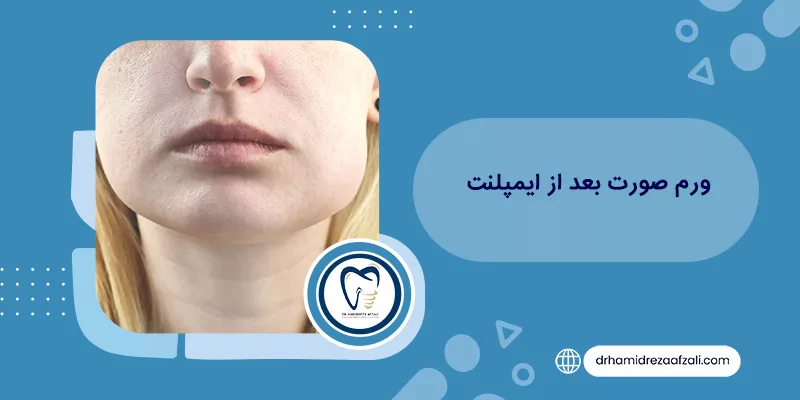
تورم پاسخ طبیعی بدن به آسیب است؛ Therefore, it is completely normal for your face to swell after implant surgery. This is not dangerous and is a completely normal part of the healing process. In this article, we explain to you the cause of facial swelling after implants and tell you what measures you should take at home to treat facial swelling after implants or when to see a doctor. We also check how many days the swelling lasts after the implant. So stay with us until the end of this article.
cause of facial swelling after implant
To place the implant inside the jawbone, the surgeon must inject anesthetic into your gums, remove your gums, place the implant fixture in the jawbone give and suture the gum. Simply put, these actions cause the accumulation of liquid and white blood cells in the tissues of your mouth. In fact, swelling and bruising after this surgery is normal and is considered part of the treatment process. Now, some people may experience this swelling milder and others more severe.
As we said, this type of swelling is normal and has a specific reason. But in some cases, swelling may occur for other reasons. For example:
- The surgical site may become infected and cause swelling.
- Your body may show an allergic reaction to the ingredients of the base or the coating of the implant, causing swelling, itching and pain. Also, the implant may not be correctly placed in the jawbone or its dimensions may not be selected correctly. In this case, the pressure that the implant puts on the surrounding tissues causes swelling of the face.
- Internal bleeding can also be one of the causes of swelling after the implant. This problem occurs due to damage to blood vessels during surgery and is associated with bruising and swelling and requires immediate treatment.

Treatment of facial swelling after implant
Although facial swelling after implants can affect your face and cause discomfort, there is almost no way to prevent it or fix it immediately. Rather, with only a series of limited measures, you can minimize this swelling in a few days.
Using a cold compress
Using a cold compress is one of the most common and effective ways to reduce swelling. After surgery, wrap an ice pack in a clean cloth and place it on the cheek closest to your surgical site. If you don't have ice at home, you can use a package of frozen peas that you already put in the freezer. Use the cold compress several times in the first 48 hours and place it on the surgical site for 15 to 20 minutes each time.
quoted from NHS site It is better to apply a cold compress to the surgical site for ten minutes every hour for the first six hours after surgery.

Appropriate foods and drinks
After the surgery, the doctor will recommend you a diet and certain food restrictions that you must follow. Nutrition after dental implants usually includes a varied diet of soft foods that should be eaten at cold or lukewarm temperatures. In this way, your body gets the nutrients it needs and recovers faster. Puddings, soups, purees, smoothies and protein shakes are foods that should be eaten in the first few days after surgery.
After implant surgery, drinking water is also very important and can speed up your recovery. Drinking water keeps your body hydrated and balances your body fluids. Also, water increases saliva production, which is very important during recovery after implant surgery.
Painkillers and antibiotics
Usually, the surgeon advises the patient to use anti-inflammatory drugs and over-the-counter painkillers such as ibuprofen to reduce swelling and relieve pain after surgery. Of course, sometimes stronger painkillers are prescribed for the patient. In addition to painkillers, the dentist also prescribes a course of antibiotics for the patient. This medicine reduces the risk of infection and can help relieve pain and inflammation. Take your medications until the end of the treatment period and follow your dentist's instructions carefully for a faster recovery.
Stages of facial swelling after implant
General swelling stages after dental implant is as follows:
First to third day: peak swelling
On the first day after surgery, we usually feel a little swelling. At this time, your swelling has not yet reached its maximum extent. But on the second to third day, facial swelling reaches its maximum and can be accompanied by bruising.
Fourth to seventh day: gradual reduction
From the fourth to the seventh day, the swelling will gradually decrease and the bruising will also fade. During this period, despite the partial recovery, you should continue taking the prescribed drugs and still eat soft foods.
Second week and beyond: signs of improvement
At this stage, the swelling is clearly reduced and disappears. If your swelling has not disappeared by this time, you should inform your doctor about this.

how many days does the swelling last after the implant
Gingivitis and possible problems after implant
Gingivitis and mild bleeding at the surgical site are two common problems that every person experiences after implant surgery. But other problems you may experience during your recovery are:
- Infection: Infection is one of the common problems of implant surgery, which can usually be prevented by taking antibiotic pills and observing oral and dental hygiene. Infection may be accompanied by bleeding, bad breath, pus discharge and fever.
- Implant loosening: impact or eating crunchy foods can cause a slight change in the position of the dental implant and its movement.
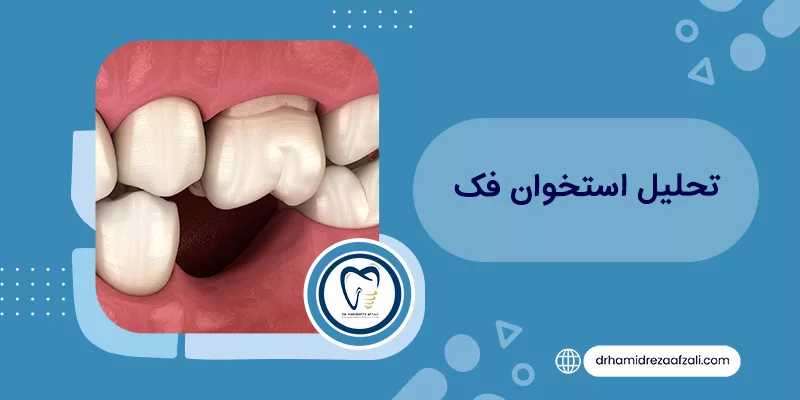
- Analysis of the jaw bone: chronic infection and improper fusion of the implant can cause jaw bone loss around the implant.
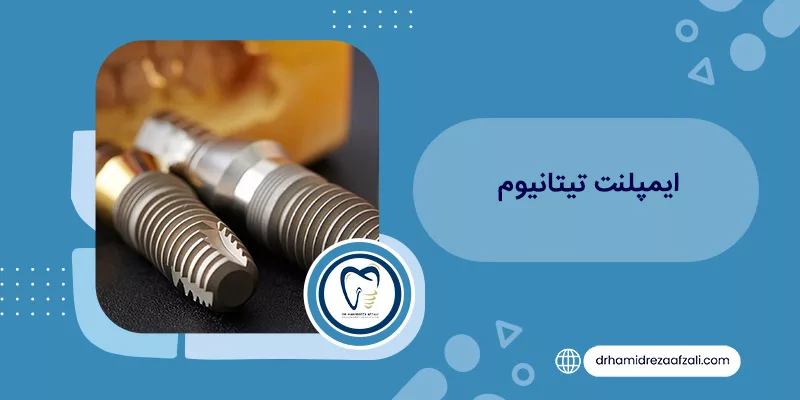
- Allergy: Some people may be allergic to implant materials such as titanium.
- Nerve damage: In some cases, when the implant is placed in the jawbone, the patient's facial nerve may be damaged. In this case, the person may feel numbness or tingling in his face and mouth area.
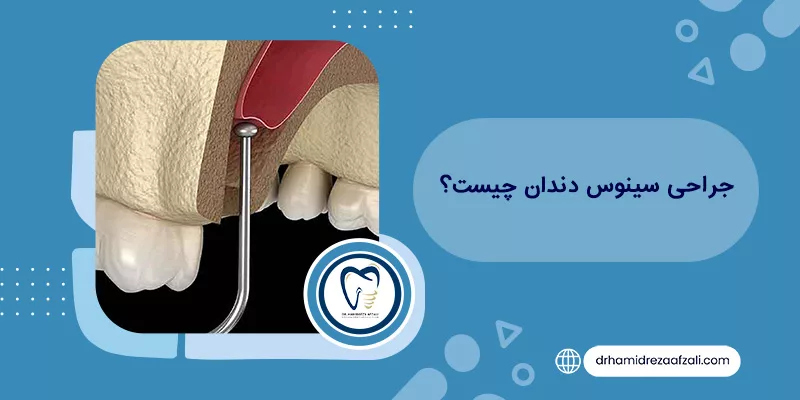
- Damage to the sinuses: If the patient's upper jaw bone is not of sufficient quality and density, his sinuses may be damaged during surgery.
- Lack of osseointegration: in some cases, the implant may not fuse properly with the patient's jaw bone.
care after implant surgery to prevent swelling
The following recommendations can prevent facial swelling after implants.
- Immediately after the surgery, for the first 48 hours, use a cold compress and place it on the surgical site.
- Avoid strenuous physical activity as it can make your swelling worse.
- When sleeping, use several pillows and raise your head.
- Do not eat hot foods and do not drink hot drinks.
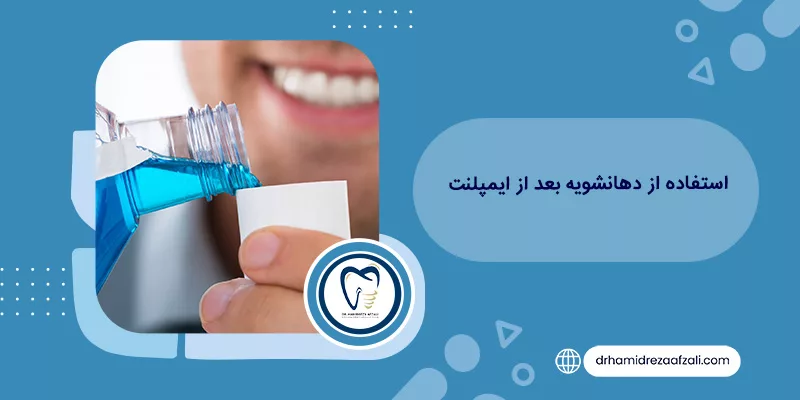
- Maintain oral and dental hygiene and brush your teeth and use mouthwash as prescribed by your doctor.
- Take your painkillers and antibiotics on time.
- Avoid eating hard foods.
- To ensure that the surgery is done correctly and the healing process is going well, visit the dentist regularly at the mentioned time intervals.
Time to visit the doctor after the implant
Your referrals are determined by the surgeon and dentist; But this time may be similar to the following process
- One to two days after surgery: In this visit, the condition of the surgical wound, bleeding and other possible problems are checked.
- One week after surgery: If the dentist used non-absorbable sutures for you during surgery, you must visit the dentist's office one week after surgery to remove these sutures.
- Two to three weeks after surgery: at this time, the necessary examinations are done to ensure proper recovery and no problems.
- Three to six months after surgery: At this stage, the state of fusion of the implant with the bone is checked. If the osseointegration is done well, implant molding and the necessary measures to install the veneer are done.
- Periodic references: Finally, after completing the above steps, these references are followed periodically and every six months.

It should be noted that if you see any abnormal side effects, such as heavy bleeding, worsening swelling after a few days and severe bruising, you should immediately contact your dentist and visit the office.

Recognition of signs of abnormal edema
Knowing what usually happens after surgery and what you should do can minimize the risk of infection. The easiest way to recognize the signs of abnormal swelling is to assess the severity of the swelling and the level of discomfort and pain you are experiencing. Normally, in most patients, the swelling decreases significantly three days after surgery. When this swelling starts to decrease, it should not increase again; Therefore, re-swelling after the initial inflammation has subsided can be a sign of infection.
Severe pain at the surgical site, worsening facial swelling, long-term inflammation and fever are symptoms of infection. If you see these symptoms, you should contact your dentist and visit his office. In this case, the dentist will prescribe antibiotic medicine for you.
treatment solutions in case of persistent swelling
If after the surgery, the intensity and extent of the swelling you felt was different from the explanations given in the section Stages of facial swelling after implants, you should definitely inform your dentist about this. Until the dentist's appointment, use anti-inflammatory drugs, warm compresses and suitable mouthwashes. Also, wash your mouth with salt water and gargle.
Summary
Facial swelling is one of the common side effects observed after dental implant surgery. In this article, we examined the causes of facial swelling after implants and explained to you when facial swelling after implants is normal and when it is abnormal. We also checked how many days the swelling lasts after the implant. Take the points mentioned in this article seriously and see your dentist if you see severe side effects, worsening symptoms and fever.
Dental clinic of Dr. Hamidreza Afzali
FAQ
Finally, some of the most important questions from users about facial swelling after implants are:
How normal is facial swelling after implants?
The amount of swelling that each person experiences after implant surgery is different from other people and depends on various factors such as the reaction of the person's body to the surgery, the number of implanted implants, etc.
How many days does the swelling last after the implant?
After the implant, the swelling usually starts little by little on the first day (the day of surgery), reaches its maximum on the second and third day, and decreases effectively up to a week after the surgery.
Is facial bruising normal after implant?
Bruising is one of the complications that may be observed after implant surgery. Being mild is almost normal, but being severe can indicate a problem. Bruising usually resolves one to two weeks after surgery; But if it becomes more severe or is accompanied by fever and swelling, you should definitely visit a dentist.