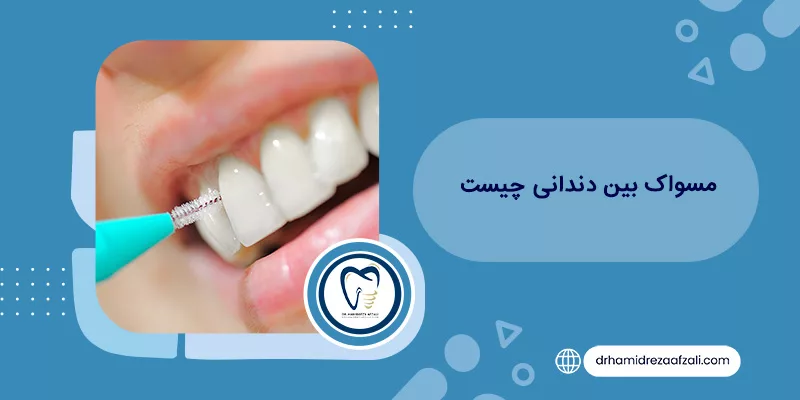


اگر تحت درمان ارتودنسی باشید یا دندانهایتان فاصله زیادی از هم داشته باشند، احتمالاً تابهحال اسم مسواک بیندندانی را شنیدهاید. The first time you heard the name of this toothbrush, you must have thought to yourself what kind of toothbrush it is that can go between the teeth. Our goal in writing this article is to explain to you what is an interdental toothbrush and how to use an interdental toothbrush.
What is an interdental toothbrush?
Interdental toothbrushes are small toothbrushes designed to clean the space between teeth and around brackets. These toothbrushes clean the surface of the teeth that the bristles of regular toothbrushes cannot reach, and floss or mouthwash are not effective enough to clean it. The appearance of these toothbrushes looks like a small conical or cylindrical brush attached to a plastic handle.
How to use an interdental toothbrush for implants and normal teeth
The best possible way to use interdental brushes is if the dentist recommends you to use it. In this case, the dentist will explain to you how to use this toothbrush and how to install the interdental toothbrush on the toothbrush handle.
In the first step, you should choose the size of your interdental toothbrush. Sometimes, the distance between your teeth may be such that you have to use two or more interdental toothbrushes with different dimensions. You can ask your dentist for help to find the right size of interdental toothbrush.
To begin, hold the toothbrush at the top of the interdental gap (above the distance between both teeth) and slowly lower it until it fits between the teeth. Then slowly move the toothbrush back and forth to clean the space between the teeth. In the same way, go tooth by tooth and clean all the interdental spaces.
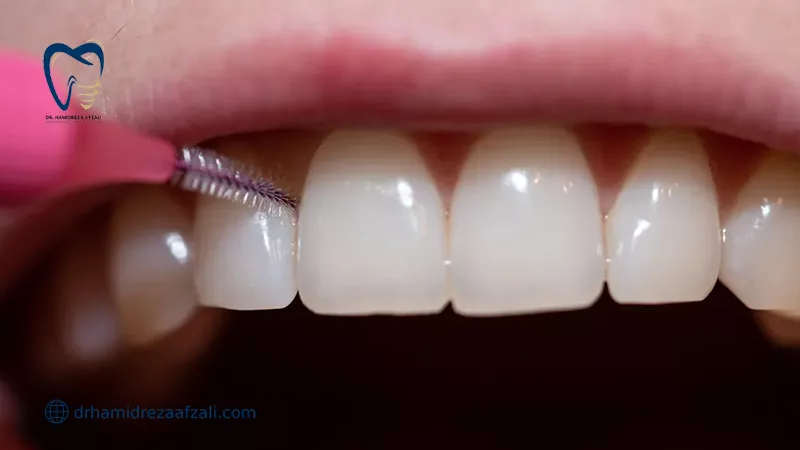
For the front teeth, it is usually recommended to use a flat interdental brush. But for the back teeth that are difficult to access, you can take another interdental toothbrush and bend the head slightly with hand pressure or use toothbrushes that are attached to the handle at a 90 degree angle.
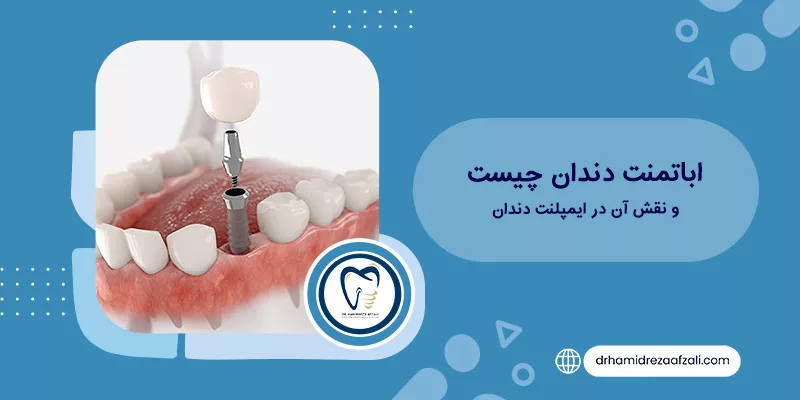
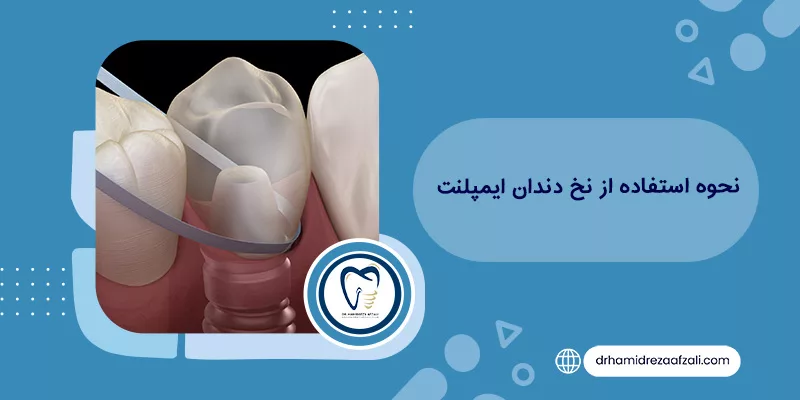
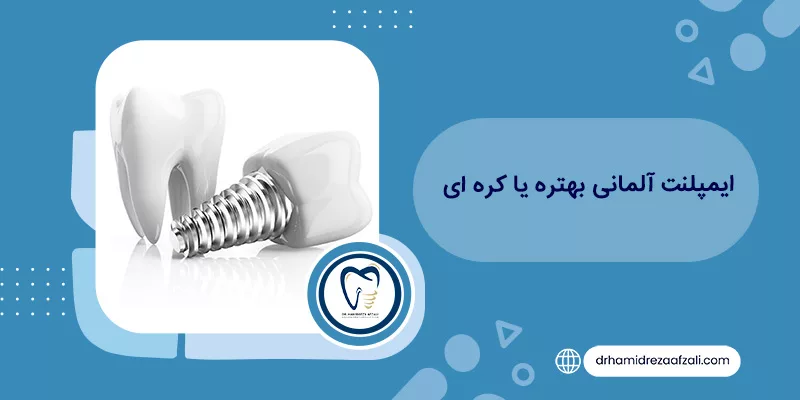
Cleaning around Dental implant should be done exactly the same way. The use of an interdental brush for implants may be recommended once you implant floss is not effective enough to clean. But you have to be careful and do this with gentle pressure. Because using this toothbrush with too much pressure can damage the implant or its cover.
Types of interdental toothbrushes
These days, oral and dental health products have a lot of variety to meet the needs of all customers. The interdental toothbrush is no different from this rule. The types of interdental toothbrush based on the shape of the brush are:
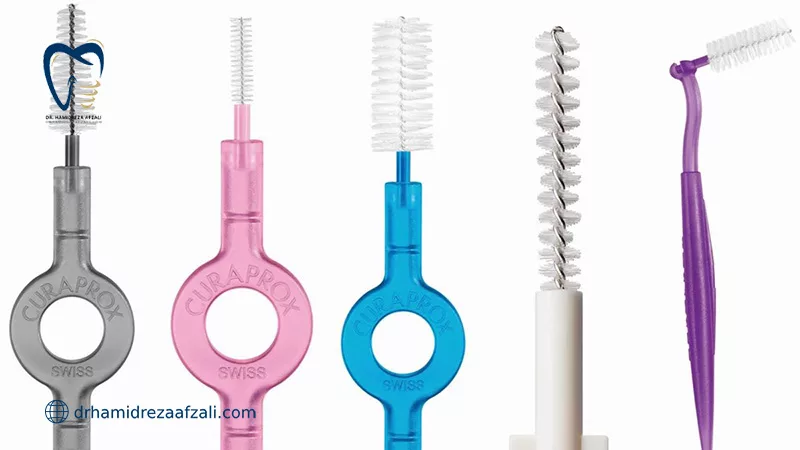
- Interdental toothbrush with flat head: These toothbrushes are suitable for large interdental spaces and are designed for times when you need a long, flat toothbrush for better cleaning.
- Interdental toothbrush with conical head: this toothbrush model is versatile. The conical shape of the brush of this type of toothbrush allows you to clean both narrow interdental spaces and large interdental spaces.
- Interdental toothbrush with a round head: the brush head of some interdental toothbrushes is also designed in a round or ball shape so that you can use it to clean those parts that are more difficult to access (such as molars).
Each model of the interdental toothbrush series is made in different sizes and for different tooth distances. In addition to the shape of the brush, the way to connect the brush to the toothbrush handle can be flat or L-shaped (with a ninety-degree angle). Also, the handles of these brushes are made in different sizes and lengths.
Interdental toothbrush applications
If this question has occupied your mind, what are the uses of an interdental toothbrush, we must say that interdental toothbrushes are mainly used to clean the space between the teeth, around the brackets and under the orthodontic wire. An interdental toothbrush is an effective tool for cleaning the spaces between the teeth that you cannot easily reach with a regular toothbrush. Regular use of these toothbrushes can prevent the accumulation of plaque and gum problems.
This issue is especially important for people who have dental implants, because maintaining oral hygiene can increase the durability of the implant in the long term and avoid additional costs due to restoration or replacement. Also, according to Dental implant price, preventing the need for more treatments will be more economical.
Cleaning the interdental spaces
Normal toothbrush bristles cannot reach the space between the teeth in most cases when the teeth are not far apart. Also, dental floss and mouthwash cannot completely clean this space from bacteria and dental plaque. As a result, to clean the spaces between your teeth, you need a more efficient device such as an interdental toothbrush.
quoted from American Dental Association website, these toothbrushes can clean the space between teeth well and remove dental plaque. As a result, they prevent tooth decay and gum diseases.
Suitable for people who have orthodontics
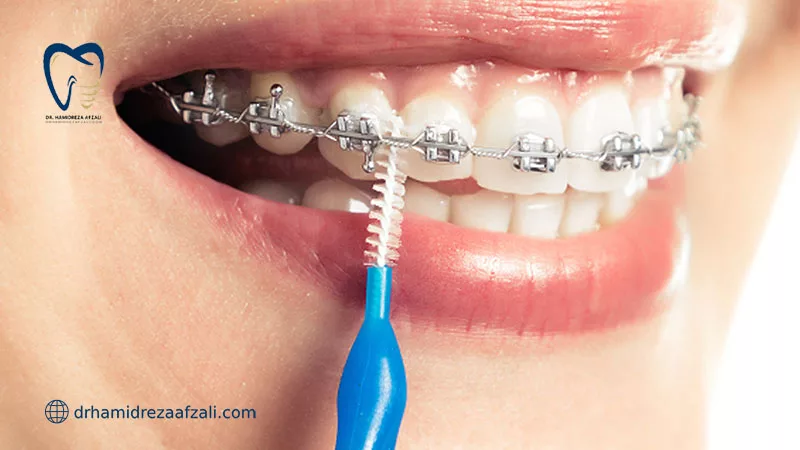
Brackets and orthodontic wires make it harder for the toothbrush to reach the teeth. As a result, during this period, more food may get stuck between or around the teeth and cause the formation of plaque. In addition, cleaning the plaques themselves is also challenging. For this reason, dentists recommend that patients use an interdental toothbrush to clean around the plaques, under the orthodontic wire and the open space between the teeth. In this way, the possibility of tooth decay and gum infection also decreases.
Massaging the gums
Regular use of an interdental toothbrush can increase blood supply to the gum tissue and somehow massage the gums.
Advantages and disadvantages of using an interdental toothbrush
Now you are probably asking what are the benefits of using an interdental brush? Using this type of toothbrush has many advantages, which include:
- Prevention of tooth decay: Proper and regular cleaning of the space between the teeth removes dental plaque and prevents tooth decay and cavities.
- Reducing the risk of gum disease: by keeping the distance between the teeth clean, the possibility of gum disease and gum infection also decreases.
- Improving bad breath: These toothbrushes effectively remove bacteria and residual food particles. As a result, they refresh the breath and improve the smell of the mouth.
- Gum health improvement: These toothbrushes improve the health of your gum tissue by effectively cleaning bacteria and improving blood supply to the gum tissue.
- Available in different models and sizes: These toothbrushes are made in different and diverse models so that all people can use them according to their needs.
But in addition to the mentioned advantages, using these toothbrushes also has disadvantages. Some of these disadvantages are:
- High price: the interdental toothbrush has a higher price than the regular toothbrush. Also, these toothbrushes break down faster than regular toothbrushes. As a result, you have to change them faster.
- Possibility of tooth or gum damage: There is a thin wire in the middle of the toothbrush brush. Sometimes using these toothbrushes incorrectly or choosing the wrong size of the interdental toothbrush can damage the teeth or gums.
Who should use an interdental toothbrush?
The use of these toothbrushes is usually recommended to certain people.
People with gap between teeth
People who have a long gap between their teeth should use an interdental brush to thoroughly clean the bacteria around their teeth.
People with gingivitis
In people with gingivitis, cleaning around the teeth and the distance between them is more important. It is also possible that the roots of these people's teeth have been identified, and to clean those people, they should use interdental toothbrushes in consultation with the dentist.
People with dental bridges
People who are undergoing orthodontic treatment and have brackets installed on their teeth should use this type of toothbrush. Because food particles get stuck to the brackets and dental plaque forms around them. In order for the orthodontic treatment to go well without damaging the teeth, these remaining particles must be cleaned well.
Summary
In this article, we explained to you what an interdental brush is and what are the advantages and disadvantages of using it. We also explained to you step by step how to use an interdental toothbrush. Before using these toothbrushes, be sure to consult your dentist to make sure that this type of toothbrush is right for you. Don't forget to ask your dentist about the right size.
Hamidreza Afzali Dental Clinic

Frequently Asked Questions
Some important questions from users in the field of interdental toothbrush are:
What is an interdental toothbrush?
An interdental toothbrush is a special toothbrush that has a small round brush in the shape of a cone or cylinder. These toothbrushes are used to clean the space between teeth and around orthodontic brackets.
How many times a day should we use an interdental toothbrush?
It is recommended to use this toothbrush at least once a day to clean the space between your teeth.
How often should we change interdental toothbrushes?
These toothbrushes should be replaced after the brush is deformed and damaged or weekly.