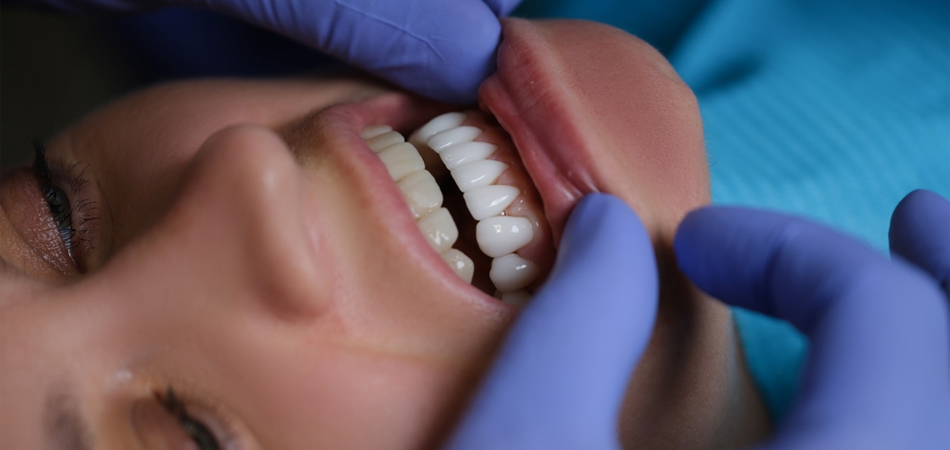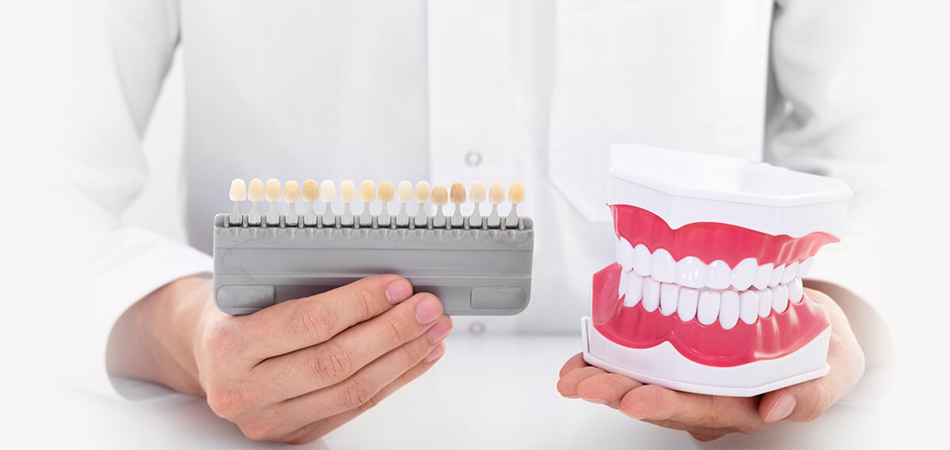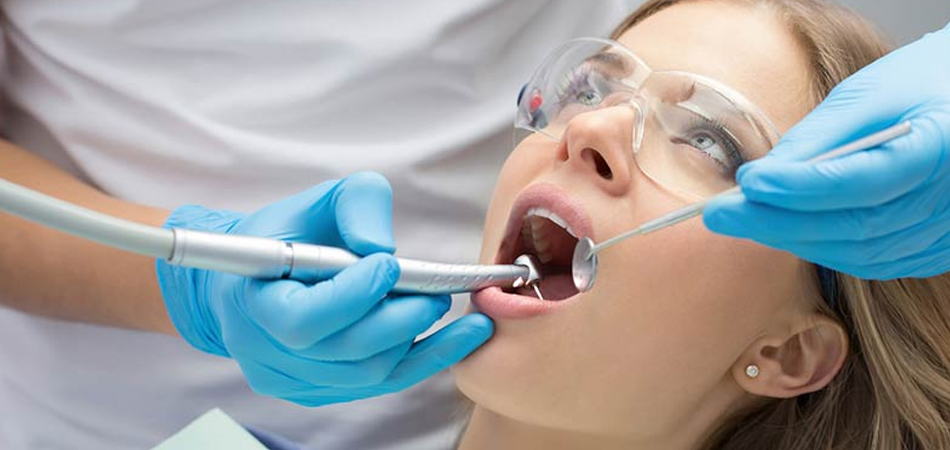

تراش دندان برای کامپوزیت یکی از مسائلی است که بسیاری از بیماران قبل از انجام این درمان زیبایی درباره آن پرسش دارند. Considering the importance of maintaining tooth enamel and achieving a natural result, the amount of sharpening and its purpose should be precise and optimal. Tooth shaving is usually done to create a suitable surface for connecting composite materials and modifying the shape of the teeth. This process can help achieve a smooth and harmonious smile, improve bite alignment and increase the durability of the composite, but the amount of grinding in this method is much less than other aesthetic methods such as ceramic laminate, and it is often associated with maintaining healthy tooth tissue.
Tooth shaving for composite is usually minimally invasive and limited, and its main purpose is to prepare the tooth surface for better bonding of materials and correction of minor irregularities. This allows the composite material to adhere firmly to the tooth enamel and reduce the risk of tooth decay or separation. Also, accurate cutting allows to achieve the natural shape of the teeth and the harmony of the smile, so that the appearance of the teeth is beautiful, natural and appropriate to other teeth.
In addition to improving the appearance, tooth grinding plays an important role in the durability and performance of dental treatment services. By creating a stronger connection between the tooth and the composite, the lifespan of the material increases and its cracking or filling decreases. Also, minor trimming is effective in correcting the bite alignment, evens the chewing pressure and maintains the periodontal health of the gums and surrounding teeth. In this way, tooth sharpening for composite both helps the beauty of the smile and optimizes the function of the teeth.
Cause Tooth grinder for composite installation
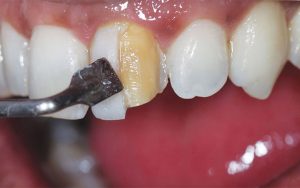
Tooth grinding for composite may be done for several reasons, each of which has a specific purpose.
Ensuring proper fit and connection
The slight scraping of the tooth surface makes special composite adhesives to be placed evenly and firmly on the tooth enamel. This prevents the material from separating, tooth decay over time and creating a gap between the composite and the tooth. A strong connection also allows the modification of the shape of the teeth without causing secondary problems.
Achieving a natural look
Precise cutting allows the composite to take a natural shape on the tooth and harmonize with the adjacent teeth. Without this trim, the composite may appear raised or asymmetrical, and the smile design of the tooth may appear unnatural. Optimum trimming makes the color, shape and lighting of the teeth natural and in harmony with the person's smile.
Improving longevity and durability
Correct tooth grinding increases the contact surface between tooth enamel and composite, which in turn increases the durability and longevity of the material. A stronger bond prevents the composite from cracking, filling, or separating from the pressure of chewing or eating hard foods, allowing the treatment to last for years without needing restoration.
Facilitate better byte alignment
In cases where the teeth are slightly misaligned, protruding, or long, minor trimming helps to optimize bite alignment. This work causes uniform distribution of chewing pressure, reducing wear of teeth and maintaining the health of periodontal gums. Also, the composite sits better on the teeth after sharpening and creates a sense of naturalness when chewing.
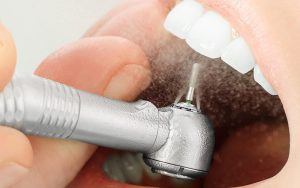
Shaving teeth for composite installation is usually minimally invasive and limited, and the main goal is to prepare the tooth surface for better connection of materials and correction of unevenness. This process is performed by a dentist with high precision and special tools to preserve tooth enamel as much as possible.
- Local anesthesia: For patient comfort and to avoid pain, local anesthesia may be used, especially if the incision is minor but precise.
- Surface scraping of tooth enamel:Using special dental burs, the surface of the tooth is partially scraped. This file is usually less than 0.5 mm and is only enough to create a better connection and shape the tooth.
- Smoothing and surface preparation: After grinding, the surface of the tooth is polished so that no roughness or ridges remain. This allows the composite to be placed evenly on the tooth and create a natural appearance.
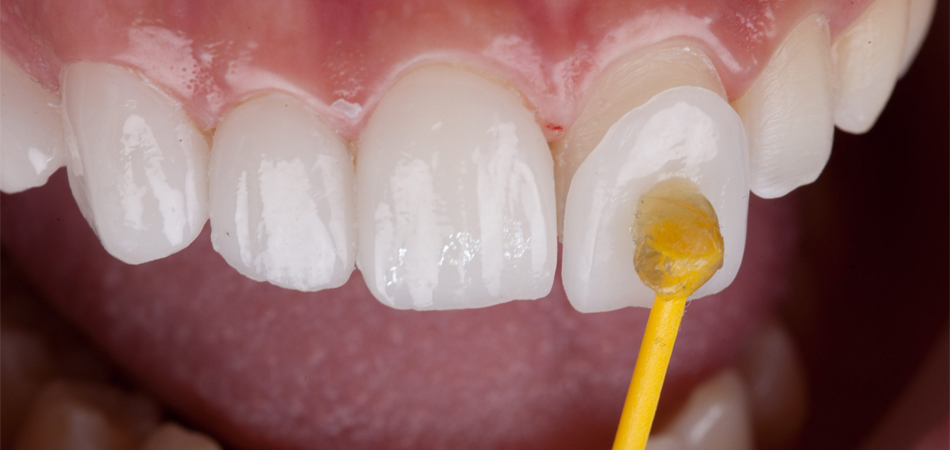
- Preparation for composite attachment: After cutting and polishing, the tooth is prepared for the attachment of composite materials using special adhesives and the materials are shaped on the tooth.
value Tooth grinding for composite
The amount of tooth grinding before installing the composite is usually very low, and in many cases, the composite can even be done without grinding. The main purpose of partial grinding is to prepare the tooth surface for better bonding of materials and to correct surface roughness or blemishes. Unlike ceramic laminate, which requires significant grinding and reduces tooth enamel to a great extent, in composite, natural enamel is mainly preserved and only a very small part of the tooth surface is removed. The amount of grinding can be different depending on the condition of the teeth and the purpose of the treatment:
- Minor problems with tooth form: If the tooth is slightly irregular or uneven, a very slight grinding is enough to smooth the surface.
- Correction of bite or alignment of teeth: in cases where there is a need to adjust the height of the teeth to coordinate with the opposite teeth, small and accurate trimming is done to maintain the natural bite.
- Severe surface color or stains: If there is discoloration or deep stains, a small amount of grinding is done to improve the appearance and better composition of the composite.
In general, the tooth cut for composite is less than 0.5 mm and often the tooth surface is completely preserved. This minimally invasive method does not damage the healthy tooth tissue and increases the lifespan of the treatment. Besides this, the dentist, with careful control, ensures that no extra part of the tooth enamel is shaved and the natural appearance of the tooth is preserved.
Can composite be done without teeth grinding?
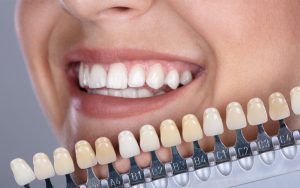
Yes, in many cases dental composite can be done without grinding or with very minor grinding. This method is especially suitable when the teeth are healthy and there is only a need to correct the shape, color or close small gaps between the teeth. The use of modern techniques and advanced composite materials has made it possible to create a strong connection without the need for extensive grinding of tooth enamel.
However, uncut composite is not suitable for all situations. In teeth with more serious problems, such as severe misalignment, significant protrusion, or an abnormal shape, minor trimming may be necessary to achieve a strong material bond and a natural final appearance. Therefore, the decision about whether or not to sharpen the teeth should be made by a specialist dentist based on the condition of the teeth and the goals of the treatment.
Can the composite be removed from a toothpick?
Yes, dental composite can be removed, but it should be noted that any minor or even minor chipping on the tooth is permanent and irreversible. This means that even after removing the composite, a small part of the tooth enamel is lost and needs special care. Composite removal is usually done due to the patient's change of mind, change of materials or the need for re-treatment. In this process, the dentist removes the composite material from the tooth surface with precise tools without damaging the tooth structure, but it should be noted that:
- Carved enamel does not return: a portion of natural enamel that has been permanently removed to better bond the carved composite.
- Need for protection and restoration: after removing the composite, the tooth may become sensitive to temperature or pressure changes, and it is better to use a protective coating or fluoride.
- Possibility of re-replacement: the tooth still has the ability to receive a new composite or other dental cosmetic procedures such as laminate or veneer, but taking into account the previous cutting.
Generally, the composite can be removed and the treatment can be revised, but the tooth grinding is permanent and the patient should consider this point before the procedure in order to have realistic expectations of the treatment result. This is the importance of referring to or any reputable specialized center for accurate and minimally invasive treatment, it shows more than before.
Does it hurt to shave teeth for veneers?
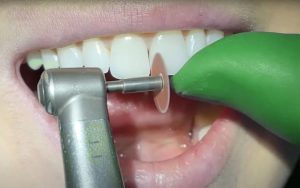
The tooth extraction for composite veneer is usually done using local anesthesia, so the patient does not feel pain during the process. The amount of grinding in the composite is very small and the main purpose is to prepare the tooth surface for a better connection of the materials and to modify the partial form. Because of this, even when shaving is done, the experience will not be painful. After the work is done, the tooth may be slightly sensitive to cold, heat or pressure. This sensitivity is usually temporary and can be reduced by following oral and dental hygiene tips and using anti-allergic toothpastes.
Although tooth grinding for composite is minimally invasive in most cases, but like any dental procedure, it may be associated with some complications. Being aware of these complications helps the patient make an informed decision about his treatment and take appropriate preventive measures.
Irreversible loss of enamel
Tooth enamel is the protective and hard layer of the tooth. Shaving it, even to a small extent, is irreversible. Any minor grinding leads to permanent reduction of natural enamel and special care should be taken after treatment to maintain dental health.
Increasing tooth sensitivity
Grinding teeth may cause tooth sensitivity to cold, heat or pressure. This sensitivity is usually temporary and can be reduced by using anti-allergic toothpastes and oral hygiene, but in rare cases, it may require more care.
Pulp damage
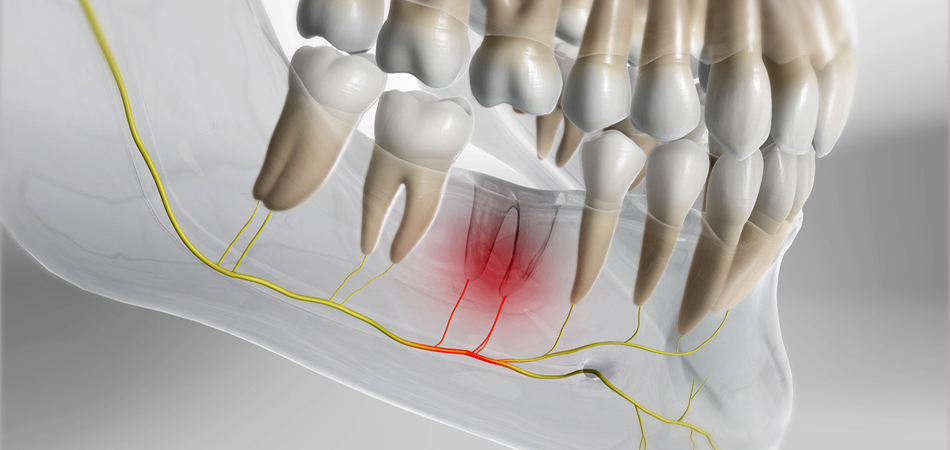
If the cutting is done in a deep and imprecise manner, the pulp of the tooth (soft tissue inside the tooth) may be damaged. This damage can cause long-term pain or the need for root canal treatment, so choosing a dentist with experience and using accurate tools is very important.
Increased risk of fracture
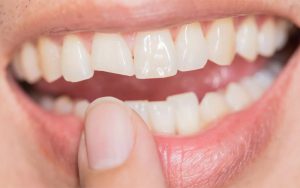
Decreasing the thickness of the tooth enamel makes the structure of the tooth weaker and the possibility of breakage due to daily pressures such as chewing food or impact increases.
Rapid tooth decay
If insufficient care is taken, the shaved surface of the tooth can be susceptible to decay faster than healthy teeth, so maintaining oral hygiene and regular use of fluoride and periodic examinations are essential.
Permanent changes in natural teeth
Teeth shaving causes permanent changes in the shape and natural thickness of the teeth. Even if the composite is removed, the structure of the tooth is changed and it is not possible to return to the original state.
In the rest of this dental magazine, the amount of tooth grinding in various dental aesthetic methods including composite, laminate, teeth bleaching and veneers is shown in order to determine the differences and the level of invasiveness of each method.
| Dental beauty method | Amount of sharpening teeth | Description |
|---|---|---|
| composite veneer | Very little or no trim | A small amount of the tooth enamel surface is shaved to substructure the material and correct minor problems of tooth form or color. |
| Ceramic laminate (porcelain veneer) | moderate to high | Installing ceramic laminate requires significant chipping of the enamel to replace the thickness of the porcelain material. This cutting is irreversible and the natural tooth cannot be returned to its original state without a cover. |
| Bleaching or teeth whitening | no trim | This method only targets tooth discoloration and does not involve any sharpening. can't Healthy teeth and natural enamel are completely preserved and the process is quick and non-invasive. |
| all ceramic coating | a lot | To fully cover the tooth, a large amount of enamel must be shaved off. This method is suitable for damaged or severely discolored teeth and causes a significant reduction in the thickness of natural teeth. |
| Inlay and Onlay (Inlay/Onlay) | Average | For inlay and onlay placement, only certain parts of the tooth are shaved so that the material can be properly placed on the tooth and the chewing function can be maintained. The cutting is limited and a large part of the tooth remains healthy. |
| Composite without trim | no trim | In cases where the teeth are healthy and only need color correction, closing small gaps or partial form, composite can be done without cutting. This method is the least invasive option and protects tooth enamel. |
Tooth scraping for composite is usually limited to teeth whose appearance is to be modified or need better bonding of materials. Depending on the goals of the treatment, some teeth are trimmed more to maintain the natural appearance and proper function of the smile.
Shaving front teeth
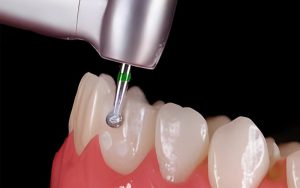
The front teeth are the most important in terms of beauty because they are exposed. Partial grinding of these teeth is usually done to correct the form, smooth the unevenness, cover the small gaps between the teeth or improve the color of the teeth. The amount of grinding is very limited and the tooth enamel is preserved as much as possible. This sharpener helps the composite to be placed on the tooth in a natural way and the smile design of the tooth becomes harmonious and attractive.
Shaving canines
Canines play an important role in smile shape and bite alignment. If the canine teeth are slightly protruding or asymmetric, partial trimming is done to correct the form and harmonize with the adjacent teeth. This also facilitates better bite alignment and chewing pressure is more evenly distributed.What is tooth grinding in laminate and composite?
The difference between laminate and composite when grinding teeth is related to the amount of tooth enamel removal and the purpose of treatment. Both methods are used to improve the appearance of the teeth, but the way the teeth are prepared is different and this difference affects the durability, appearance and invasiveness of the treatment. In composite, tooth grinding is usually very little or sometimes even zero. The main purpose is to prepare the surface for better bonding of materials, to correct unevenness and to create a natural form. Since the grinding is limited, the tooth enamel is preserved as much as possible and this method is considered minimally invasive.
In ceramic laminate or porcelain veneers, the tooth grinding is much wider and a significant part of the tooth enamel is removed to replace the thickness of the ceramic laminate. This sharpening is irreversible and the tooth cannot be returned to its original state without a cover. The advantages of this method include a very natural appearance and high ceramic durability, but it is associated with a higher cutting cost.
Does shaving the teeth for composite veneers hurt?
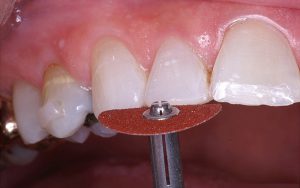
Tooth removal for composite veneer installation is usually done with local anesthesia and the patient does not feel significant pain or discomfort during the treatment. The amount of grinding in composite is very small and the main purpose is to prepare the tooth surface for better bonding of materials and correction of minor irregularities. Therefore, in contrast to methods such as ceramic laminate, which are deeper and wider, the experience of tooth grinding in composite is comfortable and minimally invasive. After finishing the treatment, there may be a slight sensitivity of the tooth to cold or heat, which is usually temporary and decreases within a few days or weeks.
Next Can the composite be removed from a toothpick?
Removal of the composite after installation is possible, but the important thing is that the tooth shaving is permanent and the part of tooth enamel that is shaved for the installation of the composite is not reversible. Therefore, even after removing the composite, the surface of the tooth changes a little and needs special care.
Can composite be done without teeth grinding?
Yes, in many cases, dental composite installation can be done without filing or with very minor filing. This method is especially suitable when the teeth are healthy and only need to correct the form, close small gaps, correct the color or cover minor irregularities. In uncut composite, the composite materials are placed directly on the tooth enamel surface and attached to the tooth using special adhesives.
Frequently asked questions class="ez-toc-section-end">1- What is the difference between laminate and composite teeth grinding?
Composite is less invasive and has very little cutting, but ceramic laminate has extensive and irreversible cutting.
2- Which teeth are cut for composite installation?
Usually, the front teeth and canines are trimmed to correct the shape and alignment of the smile, the back teeth only in special cases.
3- Does tooth grinding for composites hurt?
No, because this thread is very limited. If needed, local anesthesia is used so that the patient does not feel any pain and the process is completely comfortable and tolerable.
4- Does tooth brushing cause damage or long-term sensitivity?
If the cutting is done properly and by an experienced dentist, no. Because tooth enamel is preserved as much as possible and the probability of sensitivity or damage is very low. Also, accurate cutting helps to increase the durability of the composite.