Table of contents
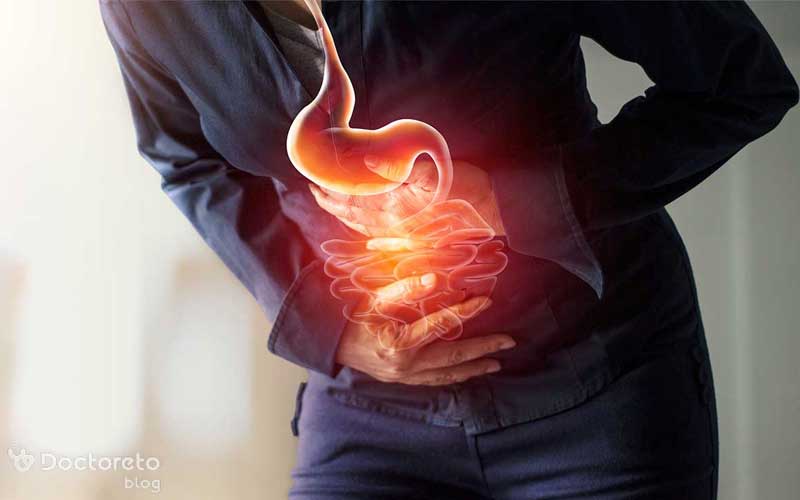
Burping is one of the natural reactions of the digestive system, which is often harmless and helps expel swallowed air from the stomach. This state may be felt more after consuming carbonated drinks, eating fast or in stressful situations. Although in most cases there is nothing to worry about, excessive repetition or accompanied by symptoms such as stomach pain, heartburn, nausea or weight loss can be a sign of an underlying problem. Knowing the difference between normal belching and its abnormal states helps to better understand the functioning of the stomach and digestive system. In this article from your doctor, burping is examined in terms of definition, common causes and situations that require more attention.
What is burping?
Belching is the expulsion of excess air from the stomach through the mouth, which usually occurs after swallowing air while eating, drinking, or talking. This phenomenon is a natural reaction of the body and helps to reduce the pressure and bloating of the stomach. Air may enter the digestive tract when drinking carbonated beverages, eating quickly, chewing gum, or when anxious. In most people, belching is not a sign of illness, but if it occurs frequently, accompanied by pain, heartburn, nausea, or weight loss, it can be related to disorders such as gastroesophageal reflux, indigestion, or gastric motility problems, and requires medical evaluation.
English text: Belching is commonly known as burping. It's your body's way of pushing out excess air from your upper digestive tract. Most belching is caused by swallowing excess air. This air most often never even reaches the stomach. Instead, it builds up in the esophagus. Farsi translation: Burping, which is also called bad throat, is a natural way for the body to expel excess air in the upper part of the digestive tract. Most burps are caused by swallowing too much air. This air often does not even reach the stomach and accumulates in the esophagus instead.
quoted from mayoclinic
What is the cause of excessive burping?
Bulching is usually caused by excess air or gas in the stomach and is often related to eating habits, lifestyle or common digestive disorders. In most cases, this condition is harmless, but its persistence or accompanying abnormal symptoms can be a sign of an underlying disease. It is important to pay attention to the accompanying symptoms, because in rare cases, more serious stomach problems can also be accompanied by frequent belching. The reason for burping a lot includes the following:
- Eating quickly or talking while eating which causes you to swallow a lot of air
- Consumption of carbonated drinks that increase gas in the stomach
- Gastric-esophageal reflux, which is accompanied by frequent air release and sometimes heartburn
- Indigestion or stomach emptying disorder that causes a feeling of fullness and belching
- Intolerance of certain foods such as lactose, which increases gas production
- Burping and Stomach Cancer: Stomach cancer rarely causes excessive burping and is usually accompanied by symptoms such as weight loss, persistent stomach pain, early satiety, or anemia
| Cause | Explanation |
|---|---|
| Swallowing too much air | Talking while eating, eating fast, chewing gum or drinking carbonated drinks causes too much air to enter the esophagus |
| Gastric reflux to Esophagus | Stomach acid reflux can cause air to accumulate in the esophagus and increase belching |
| Indigestion | Disturbance in digestion causes a feeling of fullness and the frequent need to belch |
| Food intolerance | Intolerance to lactose or some carbohydrates can increase gas production |
| Anxiety and Stress | Stress changes the breathing pattern and increases air swallowing |
| Infection or inflammation of the stomach | Problems such as gastritis or Helicobacter pylori infection can aggravate burping |

cause of belching a lot in traditional medicine
In traditional medicine, excessive belching is often considered as the result of disturbing the balance of the stomach and disrupting the natural process of digestion. When the stomach experiences coldness, dampness or weak functioning, the food is not digested well and additional vapors and gases are produced, which appear in the form of belching. The type of nutrition, the speed of eating and a person's tolerance to certain foods are important factors in creating this condition. The cause of excessive burping in traditional medicine includes the following:
- predominance of phlegm and moisture which is associated with stomach cold and slows down digestion and causes gas production
- Weakness of the stomach and decrease in digestion, which is usually caused by the continuous consumption of inappropriate or cold foods
- Swallowing air caused by eating too fast, talking while eating or drinking carbonated drinks
- Intolerance to food in which the stomach is unable to digest certain substances such as milk or high-fiber foods
cause of stomach heaviness and burping
Stomach heaviness and belching are usually caused by food digestion disorders and accumulation of air or gas in the stomach, and are often aggravated after eating. This state can be related to incorrect eating habits, the type of food consumed or some common digestive problems, and in most cases it is not serious. When the emptying of the stomach is slow or the food is not digested well, the feeling of fullness, pressure and belching appear.
- Overeating or eating heavy and fatty food that makes digestion difficult
- Eating fast which causes swallowing of air and feeling heavy
- Indigestion and slowness of stomach movements, which is accompanied by fullness and belching
- gastroesophageal reflux that causes a feeling of pressure and frequent belching Intolerance of certain foods such as dairy or flatulent foods that increase gas production

Cause of bad-smelling burp and diarrhea
Smelly belching with diarrhea usually indicates a digestive disorder or infection of the digestive tract and is often caused by abnormal fermentation of food in the stomach and intestines. When food is not digested properly or the balance of intestinal bacteria is disturbed, foul-smelling gases are produced and bowel movements increase at the same time, leading to diarrhea. This condition can be temporary, but if it continues, it needs medical examination.
- Bacterial or viral gastrointestinal infections that cause diarrhea and foul gas
- Food intolerance such as lactose or gluten that leads to fermentation and diarrhea
- The overgrowth of bacteria in the intestine that causes the bad smell of belching
- Food poisoning with acute diarrhea and foul-smelling belching
- Indigestion or disorder in the secretion of digestive enzymes
What is the sign of frequent burping?
Frequent belching is usually a sign of accumulation of air or excess gas in the stomach and disruption of the normal process of digestion, and in most cases it occurs for simple and non-serious reasons. This condition often worsens after eating and can be related to eating style, type of foods or some common digestive problems. However, if burping persists or is accompanied by abnormal symptoms, it needs medical attention. Some of the causes of frequent burping include the following:
- Swallowing a lot of air as a result of eating too fast, talking while eating or chewing gum
- gastroesophageal reflux, which is accompanied by air and sometimes heartburn
- Indigestion and slow emptying of the stomach which creates a feeling of fullness and pressure
- Consumption of fizzy drinks and flatulent foods
- Intolerance of certain foods such as lactose
- In rare cases, more serious stomach diseases that are usually associated with warning symptoms

cause of bad-smelling burp and nausea
Smelly belching with nausea is usually a sign of indigestion or irritation of the digestive tract and often occurs when food is not properly digested or abnormal fermentation has occurred in the stomach and intestines. This condition can be temporary and caused by food poisoning or overeating, but if it persists, it may point to an underlying problem. Accumulation of foul-smelling gases and stomach irritation causes nausea and usually worsens after eating. The cause of smelly belching and nausea includes the following:
- Food poisoning or gastrointestinal infection that causes foul-smelling gas and nausea
- Indigestion and slow gastric emptying which leads to food fermentation
- gastroesophageal reflux that is accompanied by foul-smelling belching, nausea and sometimes heartburn
- Food intolerance such as lactose, which causes gas, nausea and stomach upset
- The overgrowth of bacteria in the digestive system that causes the bad smell of belching
How to diagnose the cause of burping?
If your burping is excessive, talk to your doctor. Your doctor may ask questions about the symptoms, when the burping started, previous burping history, and the pattern of the symptoms, such as whether the burping occurs because of anger or after consuming a certain food or drink. Recording daily dietary information for several days helps in diagnosis. Be sure to tell your doctor about any other symptoms (even if you don't think they're related to your problem). This work will help the doctor to diagnose and find the best treatment method. After a complete physical examination, the doctor will perform more tests such as abdominal X-ray or examination of the contents of the stomach. Other tests include:
- MRI scan
- CT scan
- sonography
- tests to investigate indigestion
- Hydrogen test and
What is the treatment for excessive burping?
To reduce excessive belching, modification of lifestyle and daily habits plays an important role, and in many people, symptoms improve without the need for drug treatment. Reducing air entering the stomach, helping to digest food better and controlling aggravating factors such as stress can reduce the pressure of gas in the stomach and reduce burping. Treatment methods for excessive burping include the following:
- Eating slowly by chewing the bites completely and avoiding talking while eating, which prevents the swallowing of excess air
- Avoid fizzy drinks and chewing gum that cause more air to enter the stomach
- Elimination of stimulating foods such as fatty, heavy foods or incompatible foods such as lactose
- Doing light physical activity like walking for a few minutes after a meal to help with digestion
- Stress management with relaxation and deep breathing exercises that reduce digestive tension
pills for burping
Burping pills are usually used when the problem is caused by bloating, gastric reflux, indigestion, or gas accumulation, and the choice of medication depends on the underlying cause. Many people recover with simple, over-the-counter medications, but if symptoms persist or are accompanied by severe pain and burning, it is necessary to see a doctor. Types of pills for burping include the following:- Simeticone, which helps reduce flatulence and belching by breaking gas bubbles
- Antacids that neutralize stomach acid and are effective in belching caused by pickling
- famotidine or ranitidine, which reduce the secretion of stomach acid
- Omeprazole or pantoprazole, which are used for burping caused by reflux and stomach inflammation
- Probiotic pills that help balance intestinal bacteria and reduce gas production
Home remedies for gastritis and belching
Home treatment for gastritis and belching is usually based on reducing stomach inflammation, improving digestion and preventing gas accumulation, and in many cases can significantly reduce symptoms. These methods are more effective when they are used along with modifying food habits and avoiding stomach irritants, and medical evaluation is necessary if symptoms persist. Home remedies for gastritis and belching include the following:
- Eating light and small meals that put less pressure on the stomach
- Avoid fatty, spicy and acidic foods that aggravate stomach inflammation
- drinking mild teas such as chamomile or ginger that help reduce bloating and inflammation
- Eat slowly and chew well to avoid swallowing air
- Avoid lying down immediately after eating, which worsens belching and heavy feeling
- Avoid fizzy drinks, fatty and spicy foods that intensify the production of gas and belching

Herbal treatment of burping
Herbal teas are one of the common and uncomplicated ways to reduce belching and stomach bloating, and they help calm the digestive system by improving digestion and reducing gas accumulation. These plants usually have anti-flatulent, anti-inflammatory or regulating properties of stomach movements and can reduce symptoms if used regularly and correctly.
- Mint that helps to reduce bloating and improve the digestion process
- Ginger, which is effective in improving indigestion and reducing stomach gas
- fennel that helps expel gas and regulate the function of the digestive system
- Cumin, which removes accumulated gas and improves digestion
- Women, which is useful for solving stomach gas and can be chewed or brewed
- Chamomile, which helps reduce acid reflux and calm the stomach
- Turmeric improves digestion and reduces stomach and intestinal gas
- Anise, which helps in better digestion and elimination of gas and reduces burping

What to eat for burping?
To reduce belching, consuming foods that help improve digestion, reduce bloating, and expel gas is effective, and in many people, symptoms are reduced with a simple change in diet. These foods usually have anti-flatulent properties and reduce the pressure of gas in the stomach, especially if eaten slowly and in light meals. Useful foods for burping include:
- Fresh ginger or ginger tea that improves digestion and reduces stomach gas
- Mint or mint tea that helps to relax stomach muscles and release gas
- fennel or cumin, which have anti-flatulent properties and reduce burping
- Probiotic yogurt that improves the balance of intestinal bacteria
- Lump water that helps the stomach to move better and reduce the feeling of fullness
Is it possible to prevent belching?
Prevention of belching in most people is possible by modifying daily habits, because the most common cause is the entry of excess air into the stomach or an increase in digestive gases, and it is not usually a sign of a dangerous disease. Following simple nutritional and behavioral tips can significantly reduce the frequency and severity of burping. The methods to prevent burping are:
- Eating slowly and chewing food well reduces air swallowing and reduces stomach gas
- Avoidance of carbonated drinks and carbonated mineral water prevents the accumulation of gas in the stomach
- Avoid chewing gum and sucking candy prevents excess air from entering
- Reducing the consumption of fatty, fried and flatulent foods helps to improve digestion
- Stress and anxiety management prevents unconscious increase in air swallowing
Which doctor should we refer to for burping a lot?
For more information about excessive belching, you can make an appointment with the best gastroenterology doctors in Iran. Below is a list of the most prominent gastroenterologists in some different cities of Iran:
- Gastroenterologist Tehran
- Gastroenterologist in Tabriz
- Gastroenterologist Hamedan
- Qom Gastroenterologist
Conclusion
Burping in most people is a natural and safe phenomenon that plays an important role in reducing stomach gas pressure. This condition is usually related to eating habits, the way you eat and the amount of air swallowed. However, when belching is persistent, severe, or accompanied by unusual symptoms, it may indicate disorders such as gastric reflux, indigestion, or functional gastrointestinal problems. Paying attention to the pattern of symptoms and accompanying conditions helps to distinguish simple cases from cases that require medical examination.Your doctor takes care of your health!