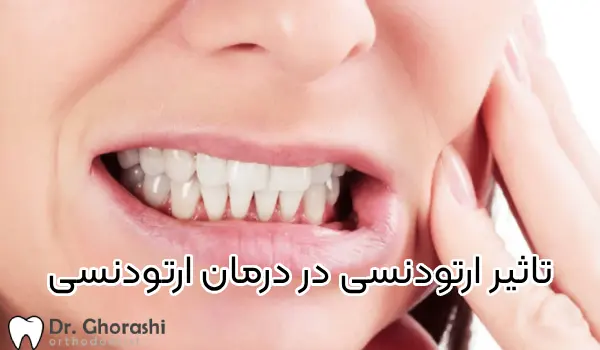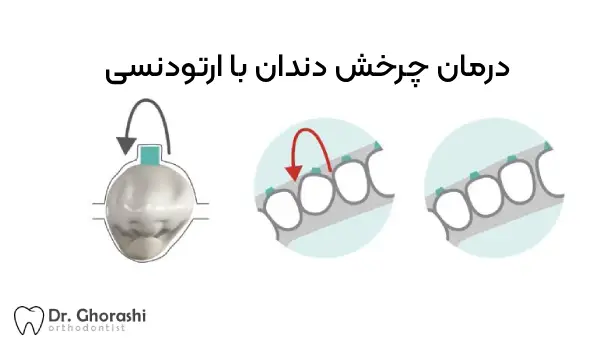
Tooth rotation is one of the most common dental abnormalities that causes the teeth to rotate instead of lying flat. Turn them lengthwise and their side surface can be seen instead of the front surface. This situation not only makes the appearance of the smile messy and uncoordinated, but also makes it difficult to clean the teeth and increases the risk of decay and gum diseases.
The main cause of tooth rotation is usually the lack of space in the dental arch; When teeth have trouble finding the right place, they may rotate during eruption. Genetic factors, childhood oral habits and early loss of milk teeth can also aggravate this problem.
Causes of tooth rotation
Tooth rotation can occur for a variety of reasons, including:
- Lack of space in the dental arch
- Inheritance.
- Incorrect oral habits
- Effect of wisdom teeth
- Lack of adjacent teeth
- hit
Treatment methods for tooth rotation
The treatment of tooth rotation depends on the severity of the abnormality, the number of teeth involved, and the patient's goals. The most important methods are:
>
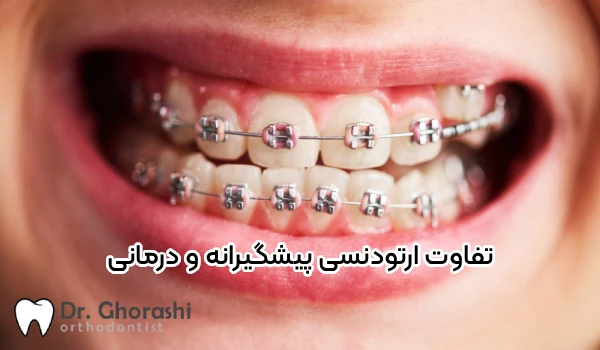
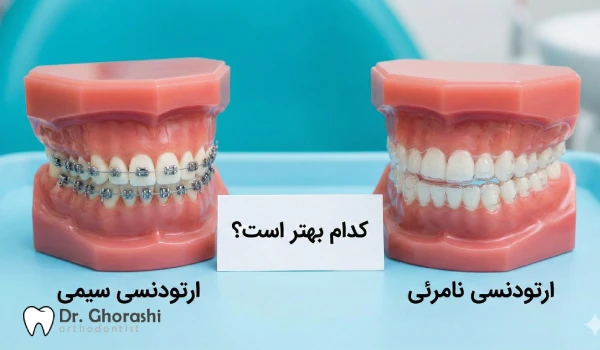
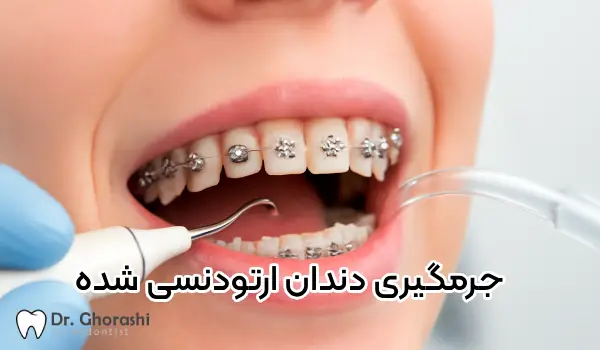
This method is the gold standard for the treatment of teeth rotation and is used for mild to severe rotations. By applying precise and controlled forces, braces return the tooth to its correct position over time. Fixed orthodontics allows simultaneous correction of several teeth and bite adjustment and has stable and scientific results.
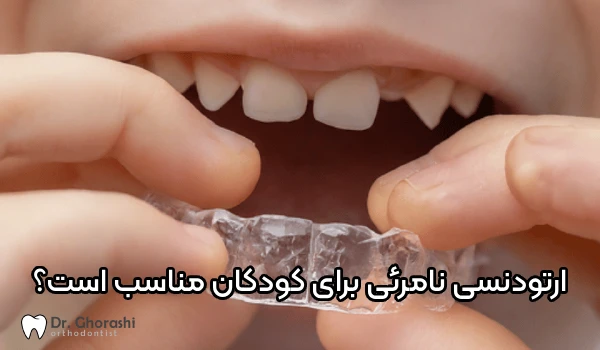
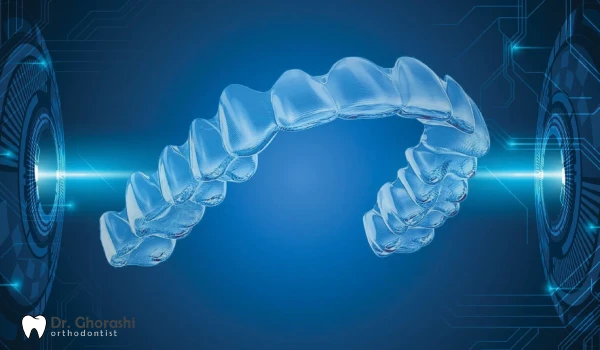
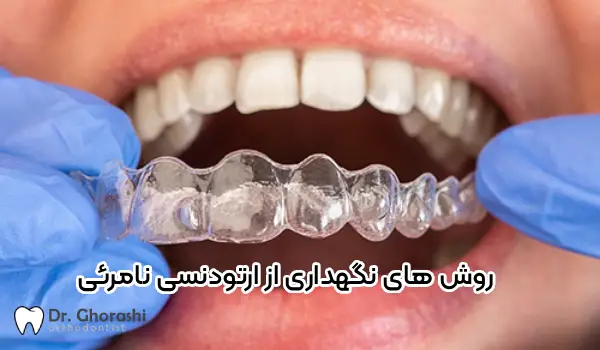
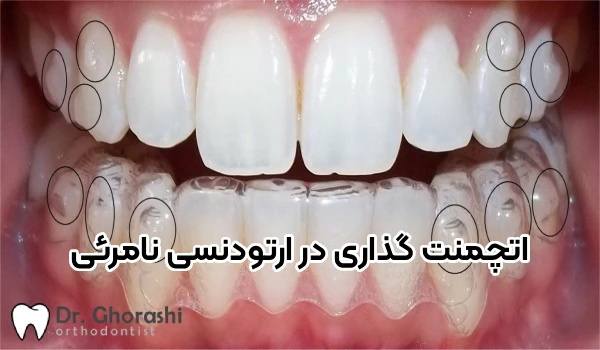
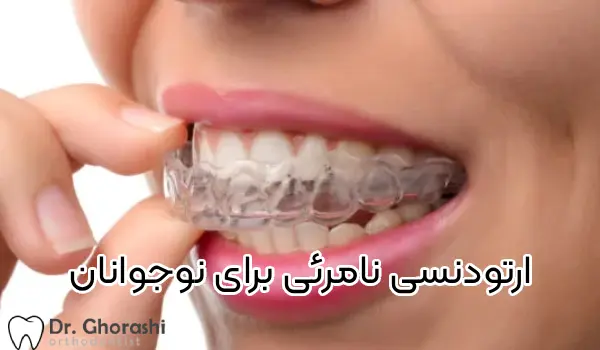
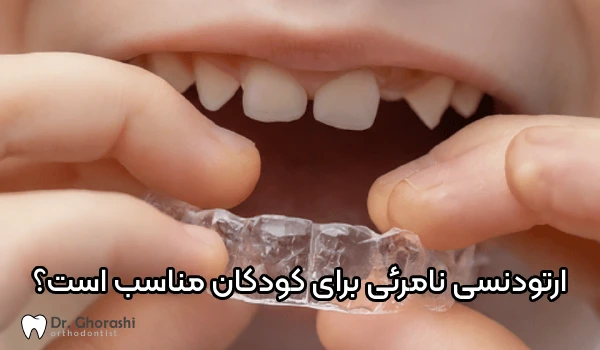
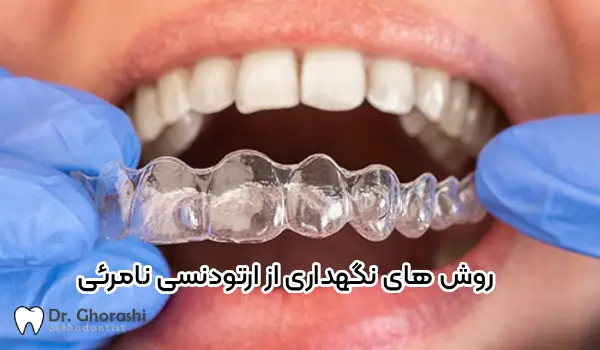
Invisible orthodontics class="ez-toc-section-end">For mild to moderate twists, clear aligners such as Invisalign or Q-aligner are a good option. These moving plates move the tooth gradually with digital programming. Their main advantage is their almost invisible appearance and the ability to remove plaque while eating, but they are limited in cases of extreme rotation or the need for complex bite changes.
For slight rotations of the front teeth, cosmetic procedures such as veneers can correct the appearance of the teeth. This method does not change the position of the root and is used only to improve the beauty of the smile. Veneers are usually used next to or after orthodontics to achieve the best aesthetic result.
To treat tooth rotation with orthodontics, you must go through the following steps.
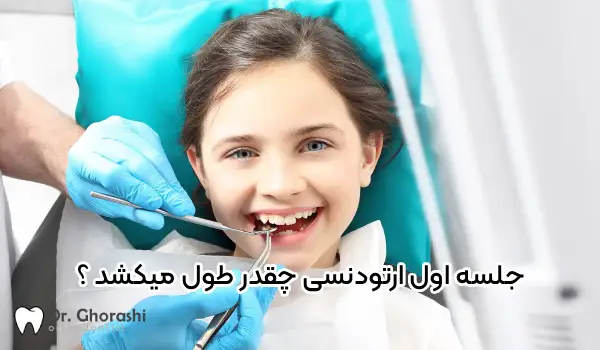
- Primary evaluation and diagnosis: Detailed examination of teeth, roots and dental arch space to determine the severity of rotation.
- Treatment plan and planning: Choosing the type of orthodontics and tooth movement program to correct the rotation.
- Preparationdental preparations: cleaning the teeth and creating enough space before starting the treatment.
- Orthodontic appliance installation: Sticking braces or placing clear aligners on the teeth.
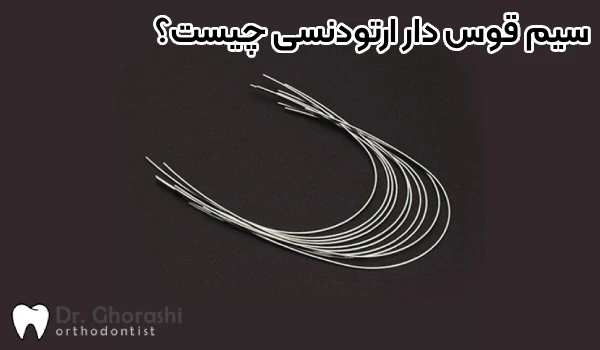
- Gradual tooth movements: Smooth correction of teeth by adjusting wires or changing aligners according to the schedule.
- Control and monitoring: Regular visits to ensure the correct movement of teeth and maintain gum health.
- Removal of tools and maintenance: End of treatment and use of retainer to prevent the return of teeth rotation.

Duration Time to treat tooth rotation
Estimating the exact length of treatment is difficult, because each person's situation is different. The length of the treatment depends on the severity of the tooth rotation, the type of orthodontics and the cooperation of the patient. Normally, correction of tooth rotation takes between 12 to 24 months, but in mild cases this period may be shorter.
Important for successful treatment of tooth rotation
In order to obtain favorable and stable results in the treatment of tooth rotation, it is necessary to observe some points. These tips, in addition to speeding up the treatment process, make the treatment to be done in the best possible way:
Oral hygiene
One of the most important points during orthodontic treatment is oral hygiene. Due to the presence of orthodontic appliances in the mouth, the possibility of food and dental plaques getting stuck increases. Therefore, you should brush your teeth, floss your teeth and use mouthwash regularly to prevent tooth decay and gum disease.
Reference regular to the orthodontist
To ensure that the teeth are moving properly and that the treatment is progressing, you should visit the orthodontist regularly. The orthodontist controls the treatment process by examining the condition of the teeth and making the necessary changes.
After the end of orthodontic treatment and correcting the rotation of the teeth, it is necessary to use a retainer to maintain the new position of the teeth. Without a retainer, the teeth may move back into their original position, especially if there is space left in the dental arch.
patient and cooperation class="ez-toc-section-end">
The success of orthodontic treatment depends a lot on the cooperation of the patient. Especially in long-term treatments such as tooth rotation, patients should be patient and pay attention to the orthodontist's instructions in order to benefit from the best results.
cost Treatment of tooth rotation
The cost of tooth rotation treatment with orthodontics can vary from several million to tens of millions of Tomans. For more detailed information about the costs, it is better to read cost of orthodontics in Tehran.
Teeth may lead to other problems
Teeth rotation not only affects the beauty of the smile, but can lead to other problems such as pressure on the gums, uneven wear of the teeth, and even jaw joint problems. Therefore, correcting the rotation of teeth is also important from other therapeutic aspects such as preventing jaw joint problems and gum health.Turn Front teeth and its effect on self-confidence
In many people, the front teeth are more visible due to their special position, and problems in this area can have a great impact on self-confidence. In addition to improving health, treating the rotation of these teeth can also help to form a beautiful and natural smile.
Concluding remarks
Treatment of tooth rotation is an important step towards improving oral and dental health and having an attractive smile. But the most important point is that the choice of the treatment method should be based on the accurate evaluation of the orthodontist and the specific condition of the patient in order to achieve the best possible results.